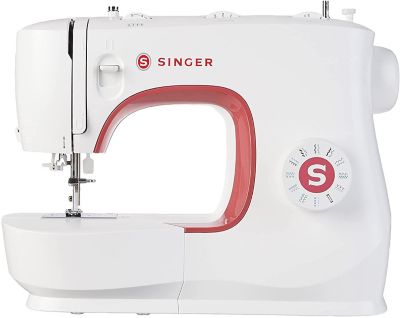
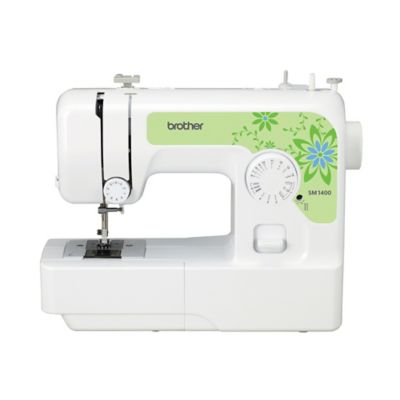
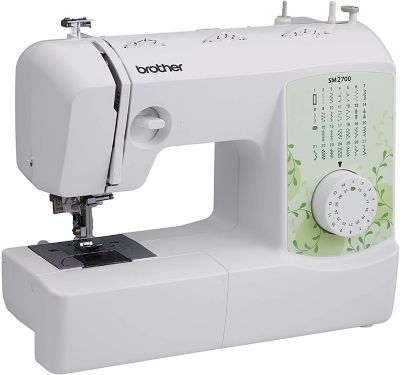
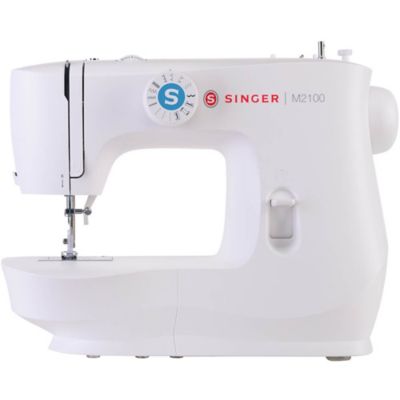
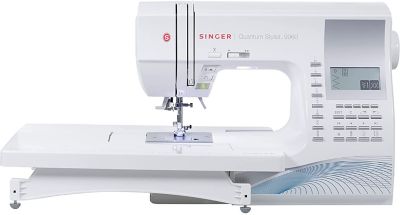
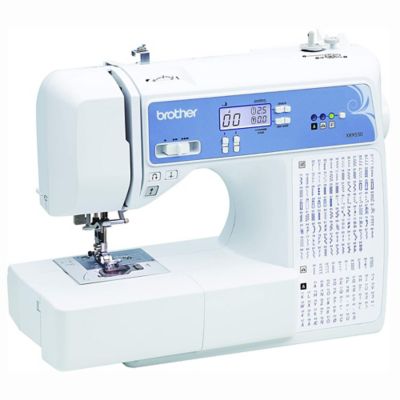
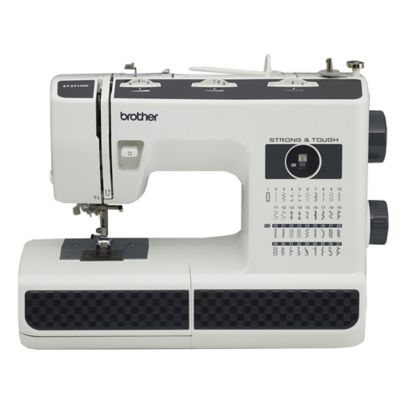
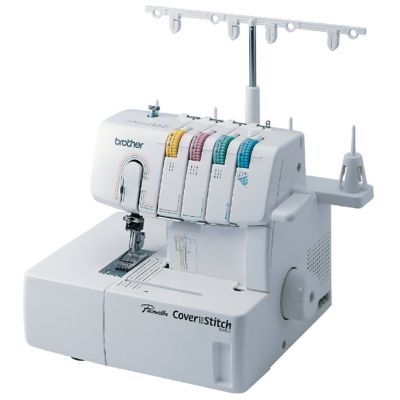
A loose pocket seam or a dropped trouser hem doesn’t always call for a trip to the alteration shop. Sewing machines for occasional clothing repairs give a household a practical way to handle those small fixes without turning a corner of the house into a full sewing room. For someone who brings out a machine only when the mending basket fills up, straightforward operation matters more than a long list of stitch patterns. A straight stitch handles many everyday seams, while a zigzag stitch can help finish fabric edges and accommodate some stretch, depending on the fabric and stitch settings. Reverse stitching helps secure the beginning and end of a seam, and adjustable stitch length gives more control over different fabrics and repair jobs. Clearly marked controls, readable threading diagrams, and a bobbin compartment that’s easy to reach can make the difference between a quick repair and an afternoon of fussing. Mechanical machines generally put adjustments on dials or levers, while electronic designs may offer buttons and a display; either approach can suit occasional mending when the controls feel manageable. The best match depends on the work waiting in that basket, whether that’s an opened shirt seam, a loose apron pocket, or a pair of pants that needs a shorter hem. A machine that feels steady at a slow pace is especially helpful around corners, narrow seam allowances, and areas where several seams meet. Features such as adjustable speed control or a responsive foot pedal deserve attention when careful handling matters more than finishing fast. Good lighting around the needle also helps make dark thread and closely woven fabric easier to see. For occasional repairs, the real value is having a machine that feels familiar when it comes back out of storage, with controls that make sense and enough capability for the clothing that actually gets worn around the house, out in the yard, and on the job.
Fabric weight and garment construction have a lot to do with how well a sewing machine fits those everyday jobs. Lightweight cotton shirts, woven pajama pants, and many cotton-blend garments present different demands from denim waistbands or the folded corners of work pants. A machine may sew through a flat piece of denim without being suited to the stack of fabric at a thick hem, so the manufacturer’s fabric guidance and operating limits matter more than appearances. Needle selection, thread choice, and the thickness of the repair all play a part, too. A needle intended for the fabric helps stitches form properly, while thread that suits the garment and its care needs supports a repair that can stand up to regular wear. Stretchy clothing deserves extra consideration because a seam needs enough give to move with the fabric rather than snap when someone pulls on a sleeve or bends a knee. Available stretch stitches can be useful, but not every stitch or machine suits every knit. For patching, fabric with a similar weight, flexibility, and washing requirements helps the repaired area feel less stiff and pull less against the surrounding cloth. Fit also affects access: a narrow sleeve opening or pant leg can be awkward to maneuver, making a free-arm design handy for smaller tubular sections. Adequate space beneath the presser foot can help position fabric, though that clearance alone doesn’t establish how much thickness a machine can sew. Zipper feet and buttonhole functions may broaden the kinds of repairs a machine can support, provided the garment construction and the operator’s experience suit the task. Heavy leather, dense straps, and structural repairs to protective workwear may call for specialized equipment or professional attention instead. For a household mending machine, a sensible match means handling familiar fabrics comfortably rather than expecting one compact machine to tackle everything from a thin shirt cuff to a heavily reinforced work jacket.
Storage, setup, and care deserve just as much attention as stitch selection when a sewing machine comes out only now and then. A manageable carrying weight and a comfortable handle can make it easier to move between a closet shelf and a sturdy table, while a protective cover helps keep household dust away between repair sessions. Compact dimensions are helpful in a smaller home or shared workspace, but the machine still needs a stable surface and room for the garment to move without dragging off the edge. A full pair of jeans takes up more working space than a small fabric sample, especially when a heavy leg hangs beside the needle. Convenient accessory storage also keeps bobbins, presser feet, and the correct needles close at hand instead of scattered through a drawer. The broader selection of
Sewing and Mending Equipment for Clothing Repairs brings the machine and supporting supplies into the same conversation, since even a modest repair depends on having suitable thread, sharp cutting tools, and a way to open an old seam neatly. Long-term performance also rests on ordinary upkeep: lint can collect around the bobbin and feed area, needles eventually need replacement, and maintenance requirements vary by machine. An accessible manual makes it easier to check cleaning directions, compatible accessories, and any oiling requirements without guessing. Keeping the machine unplugged during needle changes and cleaning is a basic part of safe handling. For someone learning to mend, a machine with understandable controls and a clear manual can be a thoughtful gift, particularly when there’s already an interest in caring for clothes. It can also earn its keep in a busy household where school clothes, everyday pants, and work shirts regularly need a little attention. The right fit leaves room for learning without making a simple fix feel like a major undertaking, helping well-fitting, familiar clothing stay in the regular rotation instead of lingering in the mending pile.