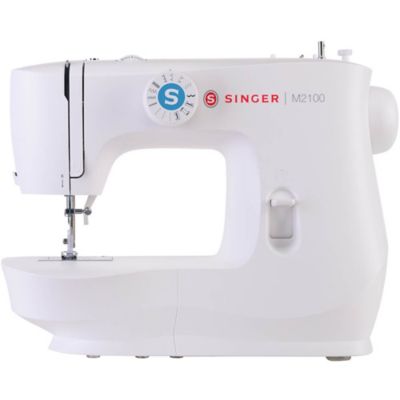
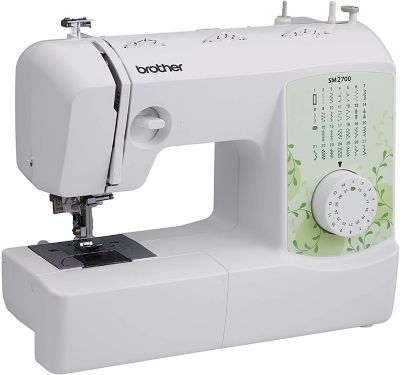
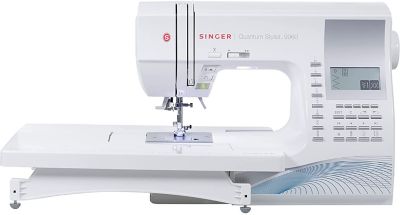
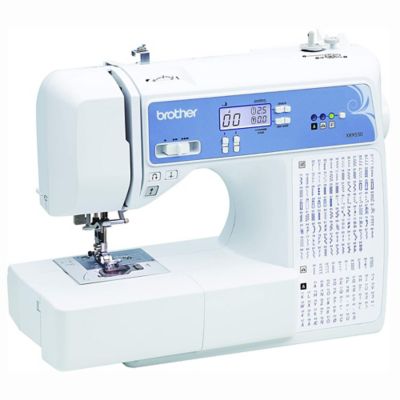
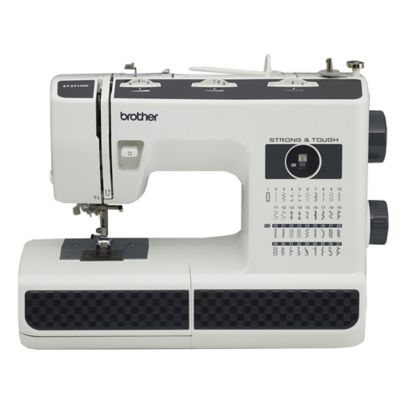
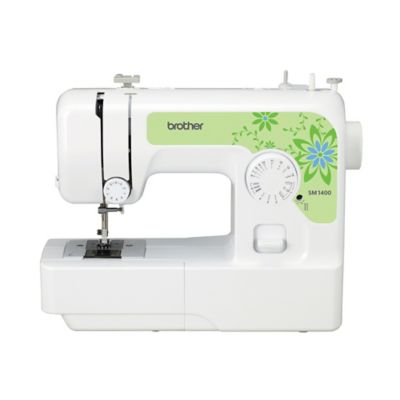
Small clothing repairs add up around a busy home, from an open shirt seam to a loose hem on a pair of chore pants. Beginner sewing machines for home mending put those everyday jobs within reach without making the sewing table feel like a workshop full of unfamiliar equipment. These machines suit people learning their first straight seam, families keeping up with clothing repairs and anyone who would rather mend a favorite garment than set it aside. For this kind of sewing, a manageable set of functions often matters more than a long stitch menu. A straight stitch covers many seams and hems, while a zigzag stitch can help finish raw edges or handle certain repairs in fabrics with some stretch. Adjustable stitch length provides room to work with different fabric weights, and adjustable width adds flexibility when a machine offers zigzag stitching. Clear stitch markings, an easy-to-read threading path and controls within comfortable reach can make short mending sessions feel less fussy. Mechanical machines generally offer dial-based settings, while computerized models may provide button controls, a display and preset stitch options. Neither layout has to be complicated; the better match depends on how you prefer to make adjustments. Features such as speed control, reverse stitching and a needle threader are worth considering when comparing beginner-friendly designs. Slow, steady stitching is especially helpful around pocket corners and along narrow hems, where there is less room to steer. A free arm, formed by removing part of the machine’s work surface, can make sleeves and trouser legs easier to position when the opening fits around it. Lighting at the needle and visible seam markings on the needle plate also help make the stitching area easier to see. A practical beginner machine feels approachable for a small repair while offering enough flexibility for the next job in the mending basket.
Fabric type makes a real difference in how a sewing machine handles home repairs. Lightweight cotton shirts, medium-weight woven pants and stretchy knit tops each call for different combinations of needles, thread and stitch settings. A machine suited to ordinary clothing fabrics is not automatically the right choice for thick canvas, leather or several folded layers of denim. Even a simple jeans hem can become demanding where the hem crosses a heavy side seam. The manufacturer’s fabric recommendations and operating instructions give a clearer picture of a machine’s limits than its size or appearance alone. For households with plenty of work shirts and everyday pants to mend, smooth feeding and consistent stitching through the intended fabric matter more than sheer speed. The feed dogs beneath the presser foot move the material along, while suitable presser-foot pressure helps the layers travel together. Adjustable pressure, where offered, can be helpful across different fabric weights, though it is not a substitute for the right needle and settings. Woven fabrics commonly call for a universal or sharp needle suited to their weight, while knits may need a ballpoint or stretch needle. Thread also needs to suit both the fabric and the machine; extra-thick thread is not a shortcut to a stronger repair. A torn knee may need a supporting patch, whereas an opened seam may simply need restitching through sound fabric. Those are different jobs, even when they land in the same basket. Practical accessories can broaden a machine’s usefulness without adding much fuss. A zipper foot helps stitch beside zipper teeth, and a compatible blind-hem foot supports a less visible hem on suitable garments. Included feet, bobbins and needles vary by machine, so compatibility deserves attention before adding extras. Straightforward bobbin access and a clear view of the remaining thread can also make a difference when a repair runs longer than expected. For beginners, these everyday details often matter more than features intended for elaborate sewing projects.
A sewing machine also needs to fit the place where the mending happens. A compact model with a carrying handle may suit a home where the kitchen table doubles as a sewing spot, while a machine that stays on a dedicated table can leave more room for spreading out a shirt or turning a pant leg. Machine weight matters when lifting it from a closet, but a steady base matters once stitching begins. Table space around the needle helps keep a garment from hanging over the edge and pulling against the feed. Comfortable access to the foot pedal, enough room for the power cord and a well-lit work surface all contribute to an easier setup. A removable accessory compartment can keep bobbins and presser feet close by, and a cover helps keep dust off between repairs. Care requirements are worth considering, too. Lint collects around the bobbin area and feed dogs, especially after sewing fabrics that shed fibers. Accessible cleaning points and clear maintenance directions make routine care more manageable. Oiling requirements differ, so the machine’s manual should determine whether, where and how oil belongs. Fresh needles, correctly wound bobbins and proper threading also support smooth operation; a bent needle or mismatched bobbin can cause trouble that looks like a larger machine problem. For the rest of the mending setup,
Sewing and Mending Equipment for Clothing Repairs brings the broader range of repair essentials into view. A beginner machine can also make a thoughtful gift for someone setting up a first home, learning to care for work clothes or returning to sewing after time away. Simple controls, readable instructions and a manageable setup are especially welcome when the recipient is still building confidence. Whether the task is shortening everyday pants or closing a split shirt seam, the right fit comes down to the fabrics, the available workspace and the repairs that regularly need doing.