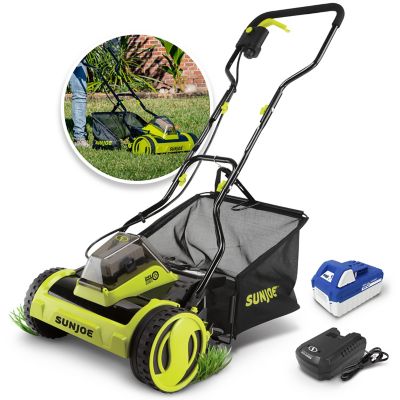
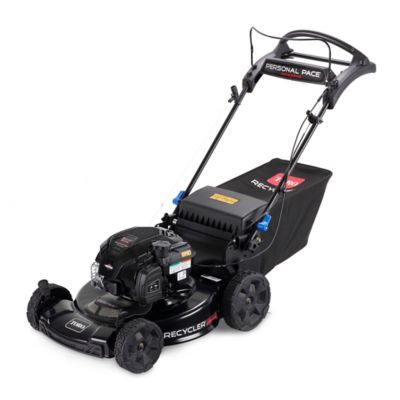
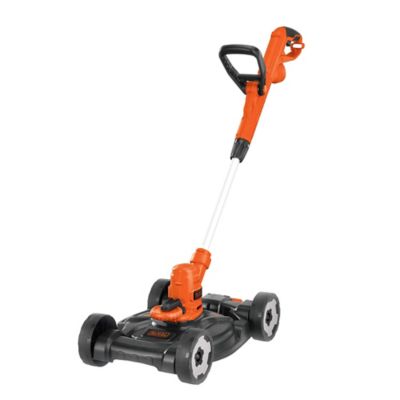
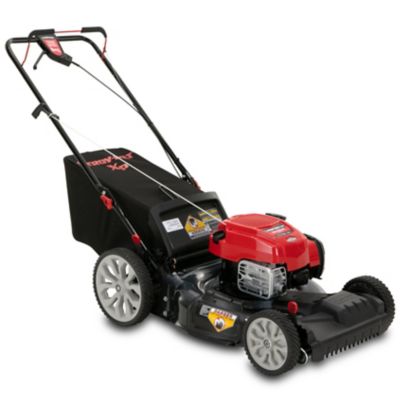
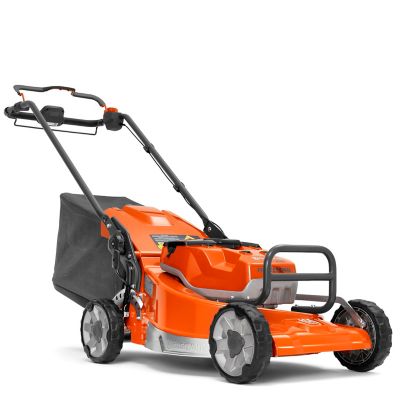
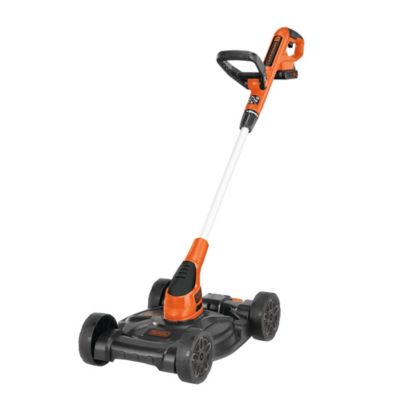
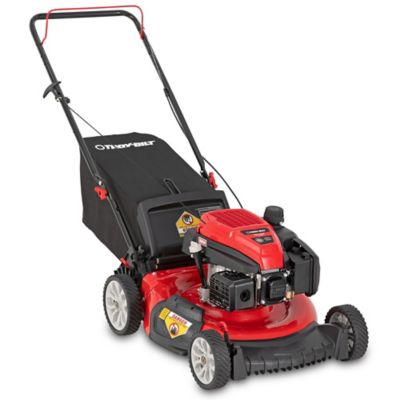
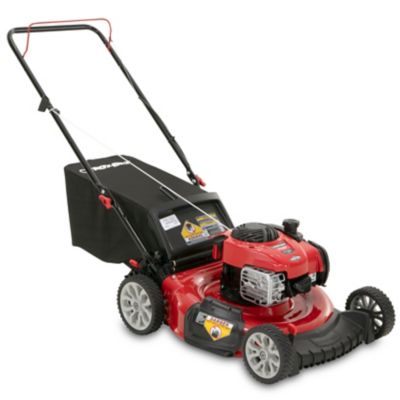
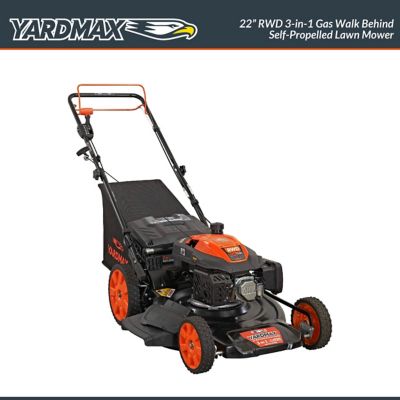
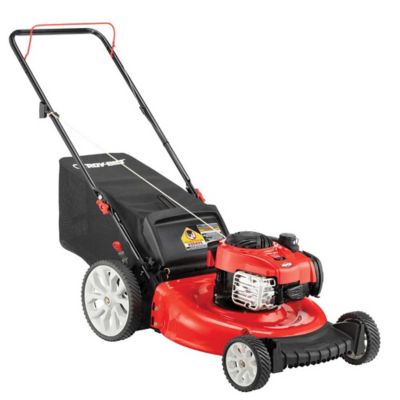
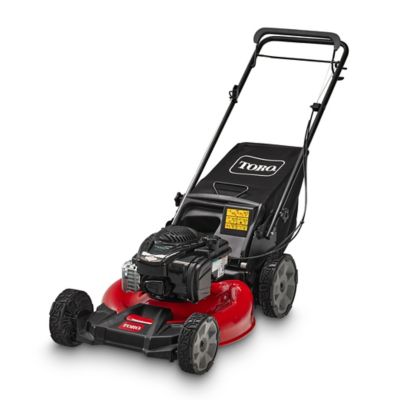
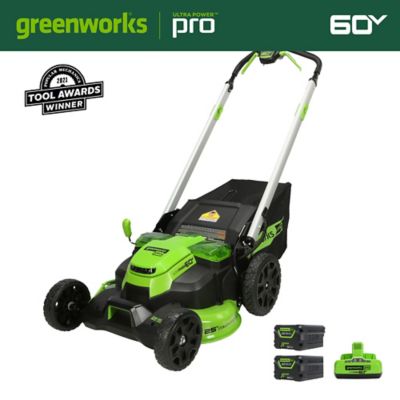
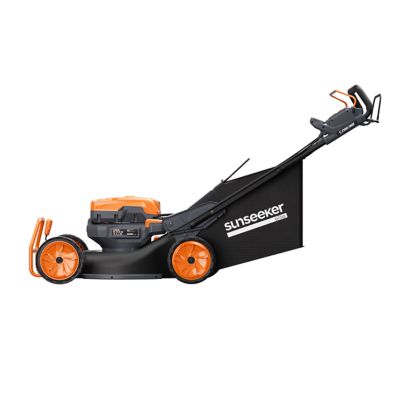
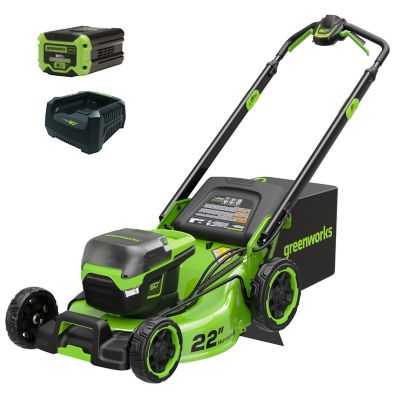
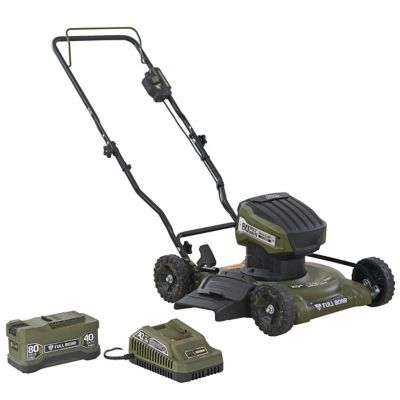
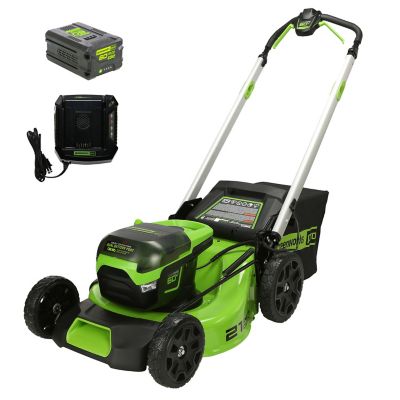
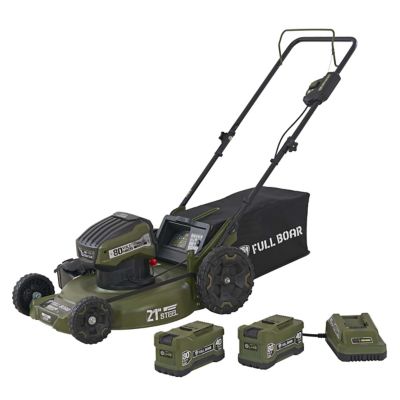
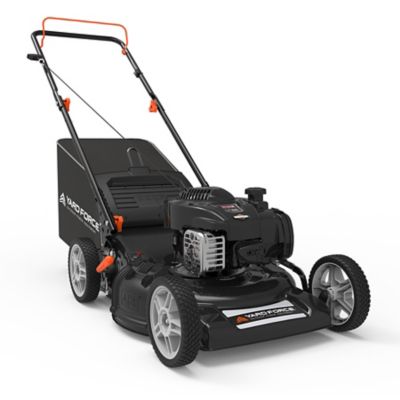
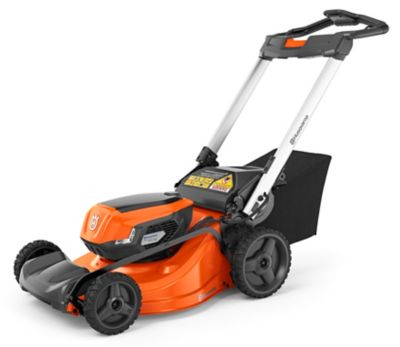
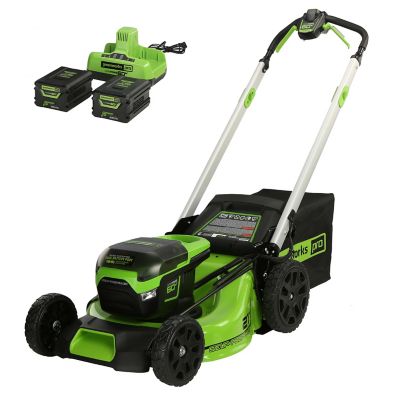
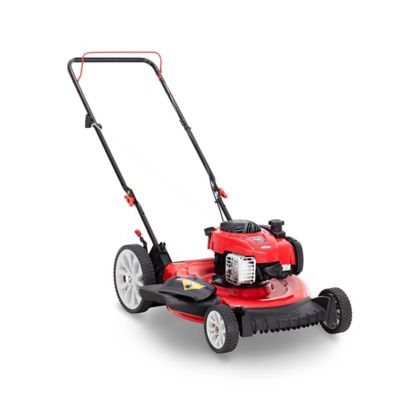
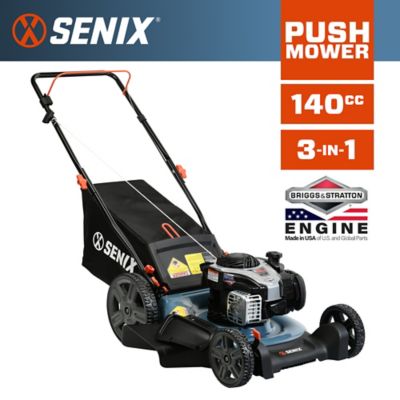
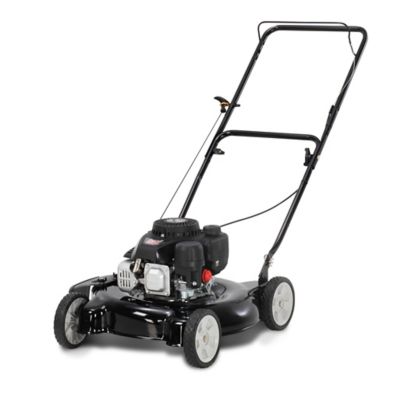
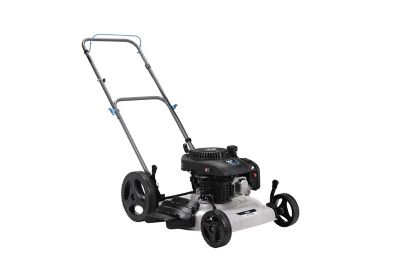
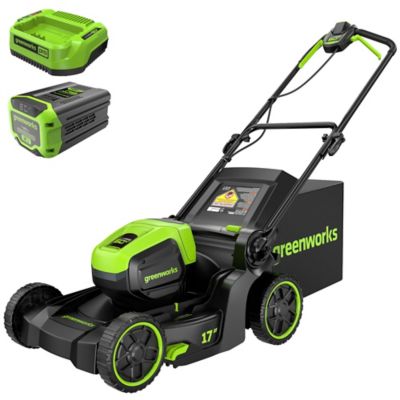
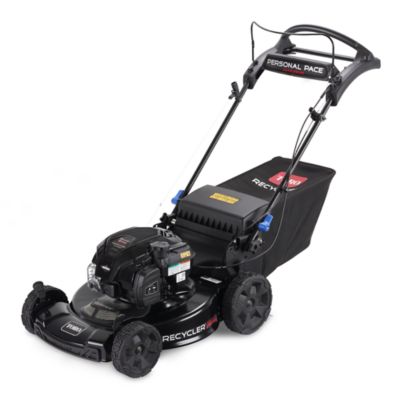
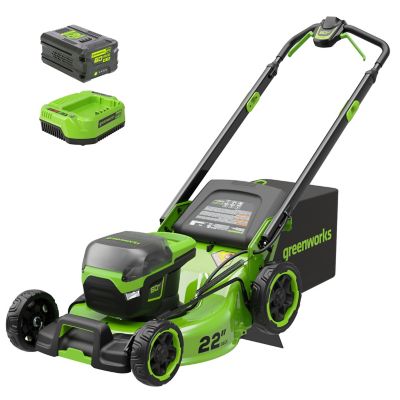
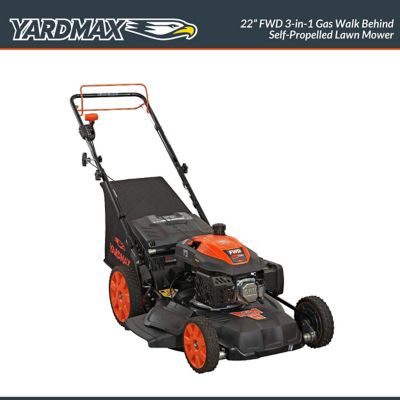
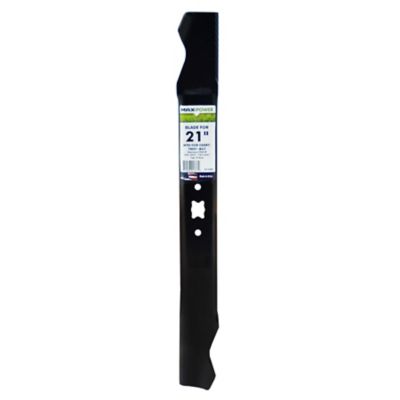
A rotary push mower cuts grass with a blade that spins in a horizontal plane beneath the mowing deck. That blade slices the grass as the mower travels forward, while the deck contains the cutting area and directs clippings toward a discharge opening, collection bag, or mulching chamber, depending on the design. This differs from a reel mower, which cuts with a rotating reel and a stationary cutting bar in a scissors-like action. Within the
Walk Mower category, a true push mower relies on the person behind the handle to supply forward movement rather than a powered wheel-drive system. That straightforward setup suits homeowners tending manageable lawns, folks keeping the grass neat around a farmhouse, and property caretakers mowing smaller areas that a riding mower cannot easily reach. Think of the strip beside a garden fence, the lawn between a porch and a driveway, or the open space around a shed, with room to maneuver safely. Gas, battery-powered, and corded electric rotary push mowers all share the same basic cutting principle, but each power source changes the ownership experience. Gas engines need fuel, engine care, and appropriate storage practices, while battery-powered designs need charged batteries and a compatible charging setup. Corded electric designs draw power through an extension cord and work best where the mowing area stays within practical reach of an outlet. An outdoor-rated cord with the manufacturer-specified wire gauge and length is part of that setup. Battery runtime and gas tank capacity matter most in relation to the actual yard, since thick growth, repeated starts, and heavier cutting loads can affect how much ground gets covered. For everyday mowing, the best fit comes down to the size and layout of the lawn, the effort required to push the machine, and how well its cutting features match the grass.
Deck width, mower weight, wheel design, and handle position all shape how a rotary push mower feels over a full mowing job. A wider deck can cover more grass with each pass across an open lawn, while a narrower deck may be easier to work through a gate or turn around a planting bed. The mower still needs enough clearance to pass through the tightest opening along its route, including gates between the house and the back lot. Steel decks offer a familiar construction, though scratches and trapped grass can leave exposed metal vulnerable to corrosion. Composite decks resist rust and may help reduce weight, but resistance to impacts and wear depends on the material and construction. Neither material alone tells the whole story; total weight, balance, wheel attachment, and handle rigidity also deserve attention. Larger rear wheels can make some bumps and shallow ruts easier to negotiate, but wheel size does not turn a lawn mower into equipment for rough pasture or brush. Rotary push mowers belong on maintained grassy areas within the operating limits in the owner’s manual. Adjustable cutting height helps match the mower to the grass type and the desired lawn length, and the adjustment mechanism affects how much effort it takes to change settings. A comfortable handle height supports a natural walking position without excessive reaching or hunching. Folding handles can make storage easier beside other yard equipment, provided the mower is stored in an approved position. Clipping management is another practical distinction. Mulching designs recut clippings so smaller pieces settle into the lawn, bagging gathers them for disposal or composting where appropriate, and side discharge spreads them across the mowing area. Not every mower supports every method, and conversion may require designated components. A bag also adds weight as it fills and needs periodic emptying, while mulching performance depends on grass length, cutting load, and the condition of the blade.
A good match between mower and property makes routine lawn work feel less like wrestling equipment around the yard. A level lawn with broad turns presents a different job from a patchwork of grass interrupted by trees, gates, fence corners, and narrow passages. Push effort becomes especially noticeable where the ground slopes or the route requires frequent stops and turns; slope limits and operating direction should always follow the mower manufacturer’s instructions. Grass condition matters, too. Rotary cutting handles ordinary lawn growth, but tall, dense grass can strain the engine or motor, clog the deck, and leave uneven clumps. A higher cutting setting and lighter cutting load may be appropriate within the machine’s stated capabilities, rather than expecting a lawn mower to clear neglected ground. A sharp, properly balanced blade helps produce a clean cut, while a dull or damaged blade can tear grass tips and increase vibration. Ownership also includes keeping the underside of the deck free of packed clippings, checking wheels and fasteners, and maintaining guards, discharge components, and operator-presence controls. Any inspection, cleaning, or blade service requires the mower to be shut down, all moving parts stopped, and the power source isolated as directed in the manual. Gas-powered equipment may call for oil changes, air-filter attention, and spark-plug service; battery-powered equipment calls for care of the battery, charger, and electrical connections. Storage needs extend beyond floor space to protection from moisture, safe handling of fuel where applicable, and charging locations that meet the battery manufacturer’s requirements. Access to compatible blades, bags, filters, and other maintenance parts can also matter over the life of the mower. For a small home lawn, a tidy yard around an acreage home, or regular mowing near outbuildings, a rotary push mower offers a direct, hands-on way to manage grass without stepping up to riding equipment. The right combination of cutting width, manageable weight, suitable power, and sensible maintenance keeps the focus on a neatly cut lawn rather than unnecessary effort.