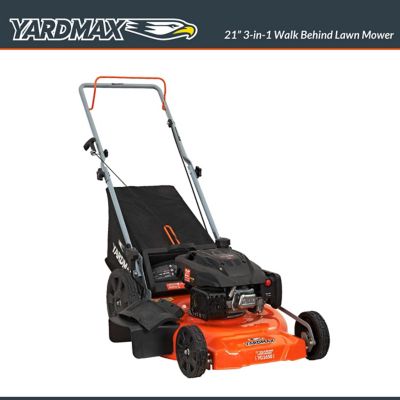
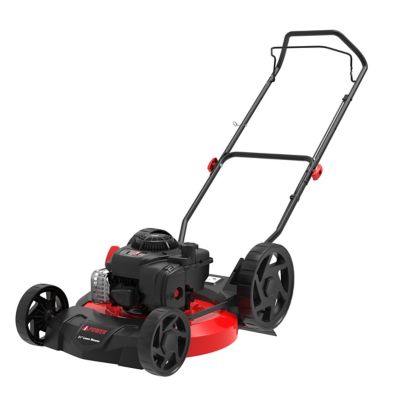
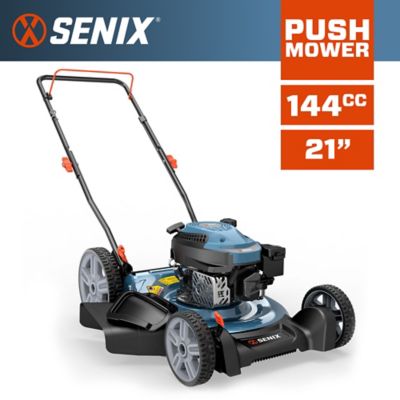
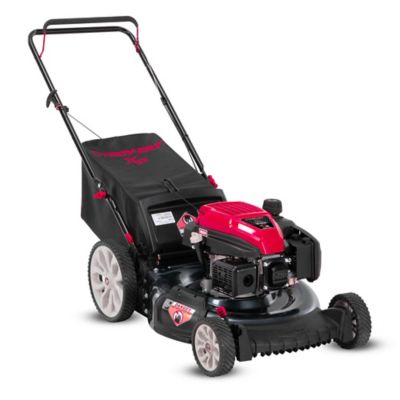
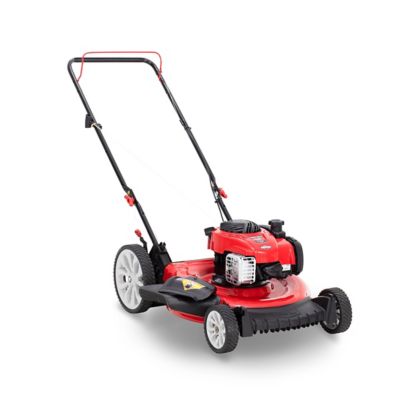
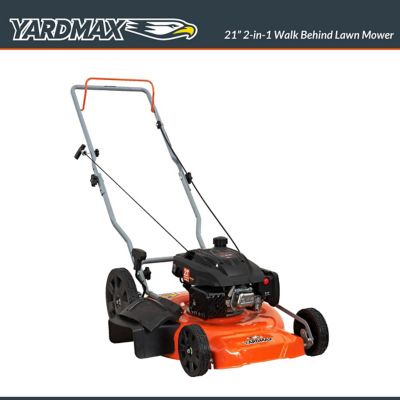
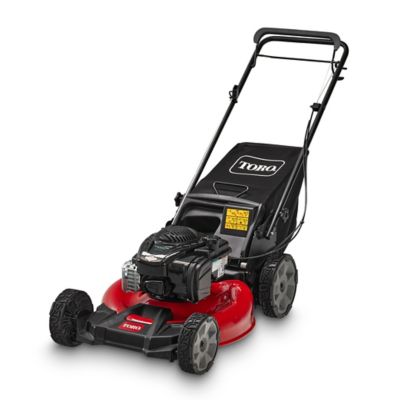
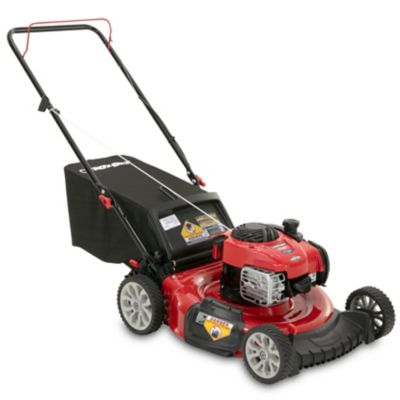
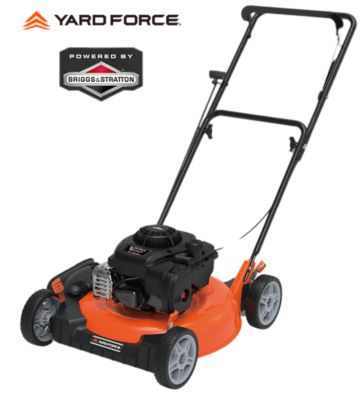
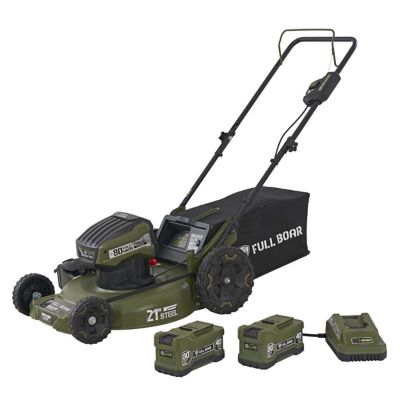
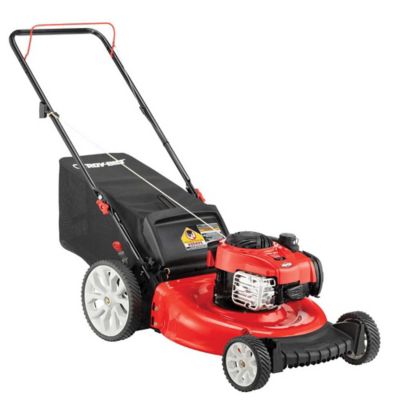
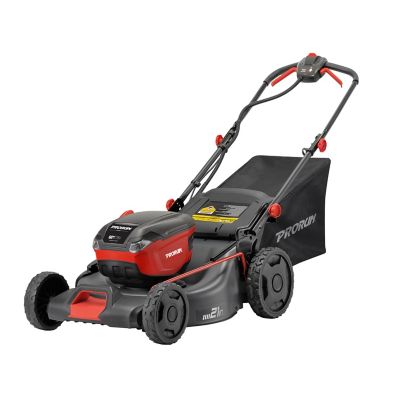
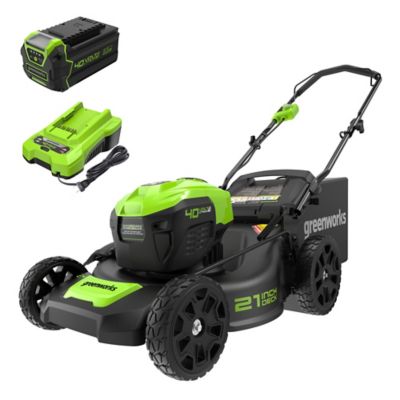
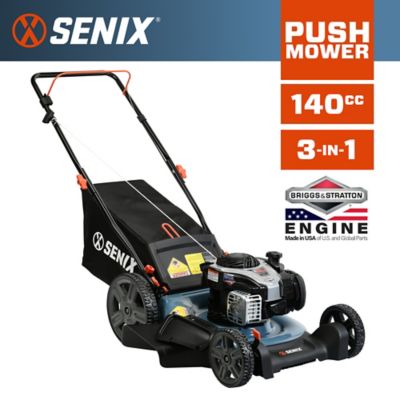
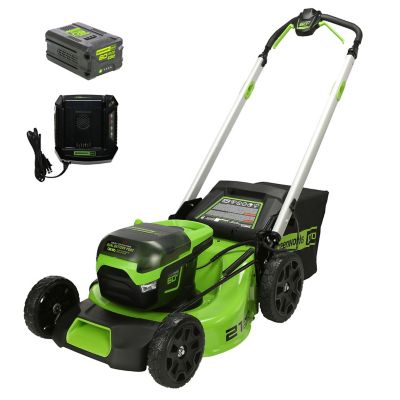
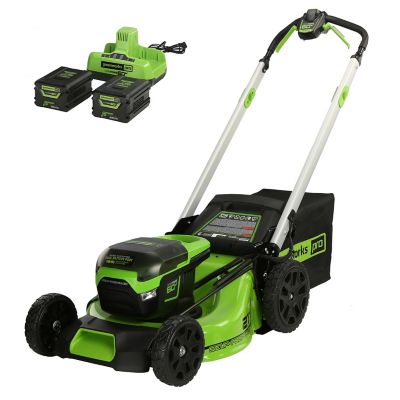
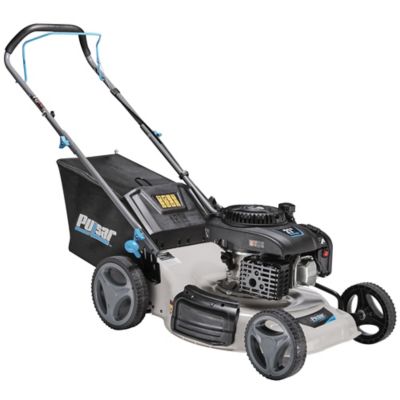
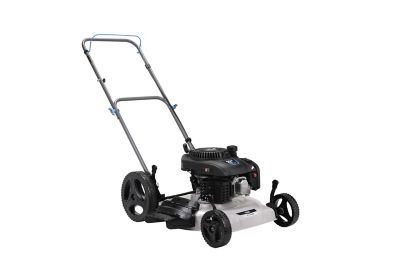
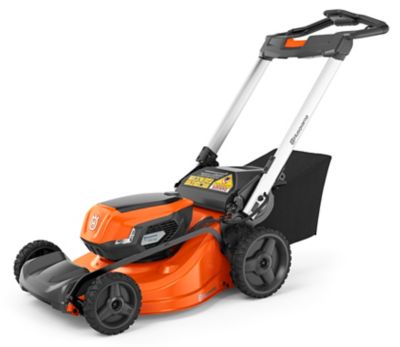
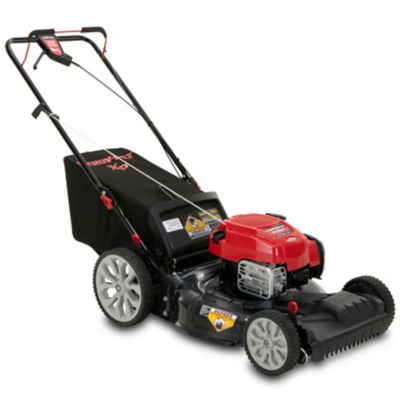
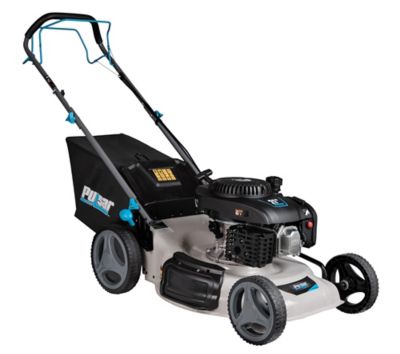
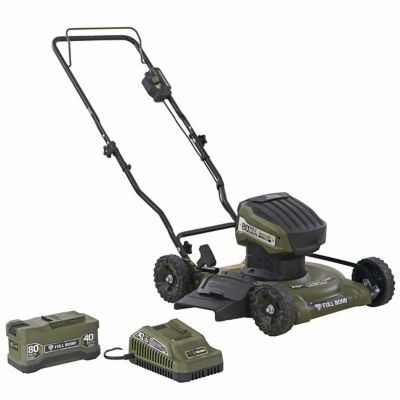
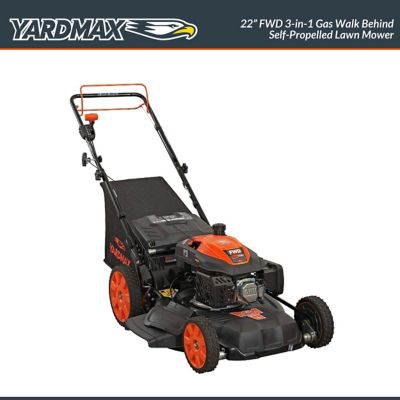
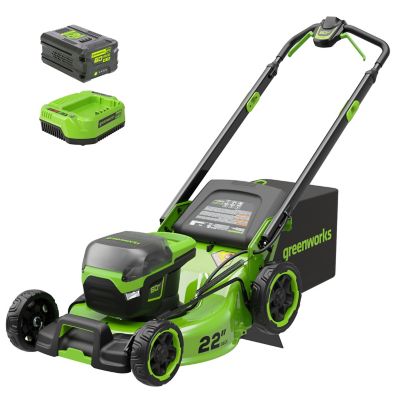
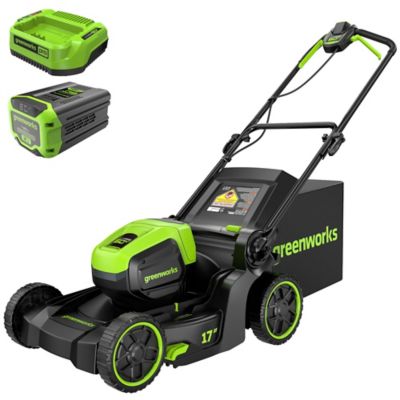
A 21-inch push mower fits the kind of lawn where there’s plenty to mow but not much reason to bring out a riding machine. That might be the grass around a farmhouse, a fenced backyard, or the smaller stretches between a driveway, garden beds, and outbuildings. The 21-inch measurement refers to the cutting width, not the mower’s full outside dimensions, so gate openings and storage space still deserve a look. This size offers a practical balance between covering open ground and working around trees, fence corners, and other obstacles. On a gas push mower, the engine turns the blade while the operator supplies the forward motion. That makes the mower’s weight, handle position, wheel setup, and rolling resistance important parts of how it feels across a whole yard. Fairly level lawns with room to turn are a natural fit; long slopes or broad stretches of acreage call for a closer look at the physical effort involved. Gas engines in this mower class may fall around 125cc to 140cc, with overhead-valve designs common among compact walk-behind machines. Engine displacement describes cylinder volume, though it doesn’t tell the whole story about cutting performance. Blade condition, grass thickness, cutting height, and walking pace all affect the finished lawn. A steel cutting deck provides a sturdy housing around the blade and stands up to the everyday demands of mowing when properly cared for. Deck shape also helps manage airflow and move clippings toward the discharge opening, mulch path, or collection system. For a homeowner keeping the front yard neat, or a rural property owner maintaining grass close to the house, a straightforward push mower can handle a useful share of the work without taking up the space of larger equipment. The best fit comes down to the ground being covered, the person pushing, and how easily the machine moves through the tight spots that make every lawn a little different.
Clipping management is one of the main differences among 21-inch walk-behind mowers. A two-in-one setup commonly combines mulching and side discharge, while some configurations support rear bagging instead of, or in addition to, those functions. Those terms describe different ways to handle the grass after the blade cuts it, and the included equipment matters as much as the label. Mulching keeps clippings circulating under the deck for further cutting before returning them to the lawn. It works best with regular mowing and modest amounts of grass removed at a time. Side discharge sends clippings out beside the deck and can suit open lawn areas where collecting grass isn’t part of the job. A rear bag gathers clippings for removal, which can be handy near walkways or places where children and pets might track loose grass indoors. Bagging also adds weight as the bag fills and creates another task at the end of a pass. Not every mower accepts every clipping option, so a bag, chute, or mulch plug needs to match the mower’s design. Cutting-height adjustment is another feature worth comparing closely. Some machines have six height positions and dual adjustment levers, but the actual height range and adjustment arrangement vary. The useful detail is whether the mower can maintain the recommended height for the lawn’s grass type without cutting too low over uneven ground. Wheel sizes also vary, including configurations with 7- or 8-inch wheels and others with larger rear wheels. Larger wheels may roll more easily across minor dips and rough patches, though they don’t turn a lawn mower into equipment for brush, rocky ground, or pasture clearing. Handle height and grip shape influence comfort, especially when making repeated turns around a clothesline post or backing out of a narrow strip beside a shed. A folding handle can help with storage, provided the folding arrangement protects the control cables. For a related selection, the
Mtd Push Mower page offers another place to compare walk-behind mower features and layouts.
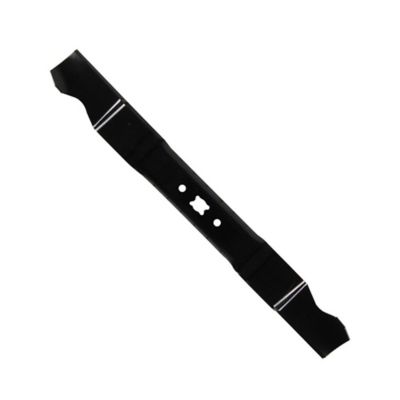
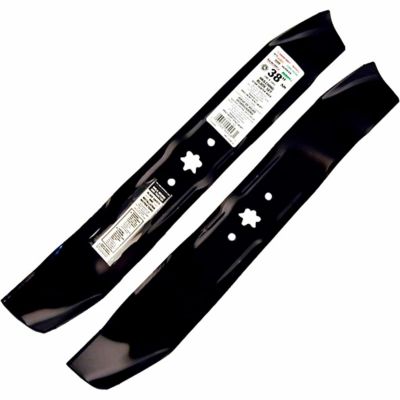
Long service life depends on more than the deck material or engine size. A mower that suits the property, receives routine attention, and has correctly matched replacement parts is easier to keep working well. Steel decks benefit from regular removal of packed grass, since buildup can interfere with clipping movement and hold moisture against the metal. A sharp, balanced blade cuts grass cleanly rather than leaving ragged tips, while a bent or damaged blade needs attention before further mowing. Even within the same cutting-width category, replacement blades aren’t interchangeable by width alone. Overall length, center-hole shape, mounting details, and the blade’s intended discharge or mulching function all matter. The mower’s model and engine information are the right starting points for matching blades, air filters, spark plugs, belts where applicable, and other maintenance parts. For gas-powered equipment, the specified oil type and level, clean intake filtration, and fuel that meets the engine manufacturer’s requirements all support proper operation. Hard starting or uneven running can have several causes, including deteriorated fuel, restricted fuel passages, or a dirty air filter; those symptoms don’t automatically mean the engine needs replacing. Storage practices matter, too, particularly when a mower will sit for an extended stretch. The owner’s manual should govern fuel preparation, cleaning methods, and any procedure that involves tipping the machine, since the wrong position can send oil or fuel where it doesn’t belong. Before cleaning beneath the deck or handling the blade, the engine must be off, moving parts stopped, and the spark plug lead disconnected as directed by the manufacturer. Everyday operating details deserve the same attention: guards and discharge components belong in place, and stones, wire, pet toys, and fallen branches need to be cleared from the mowing area. For someone buying a mower as a housewarming gift or helping a family member equip a first home, matching the machine to the recipient’s lawn and pushing comfort matters more than adding features they won’t need. A manageable size, suitable clipping options, and straightforward upkeep make a 21-inch push mower a practical tool for keeping the grass around home in good shape.