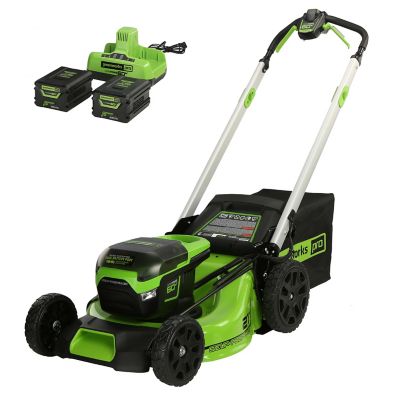
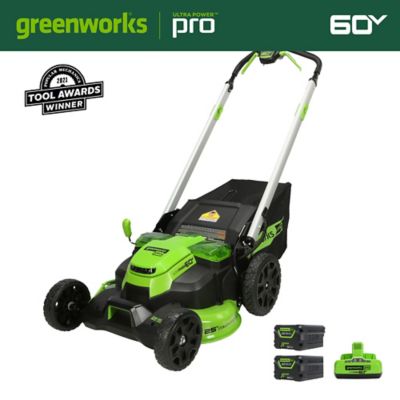
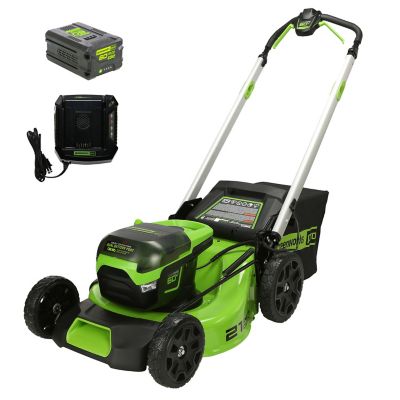
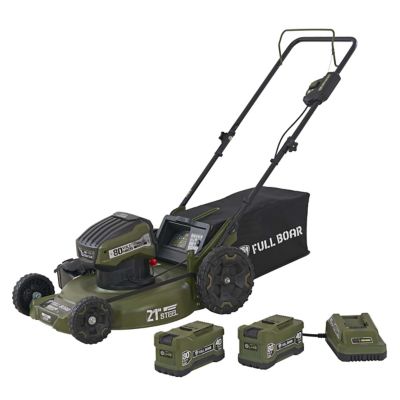
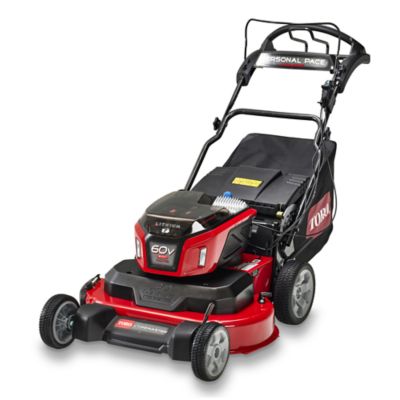
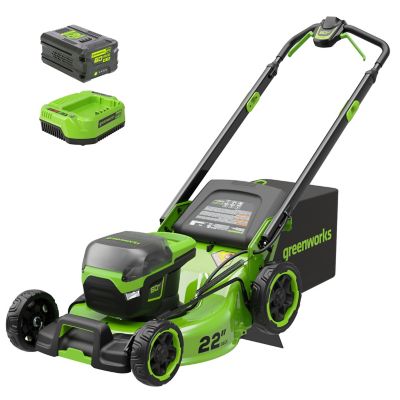
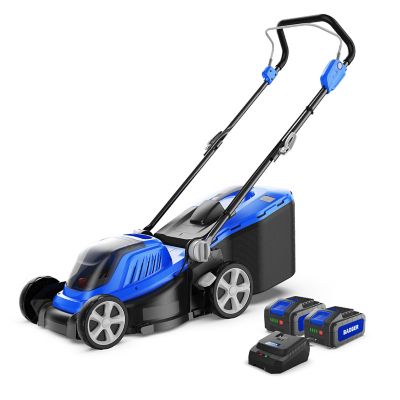
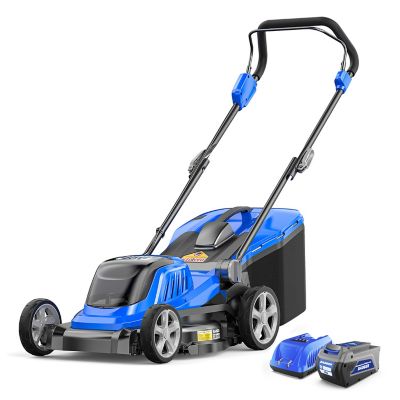
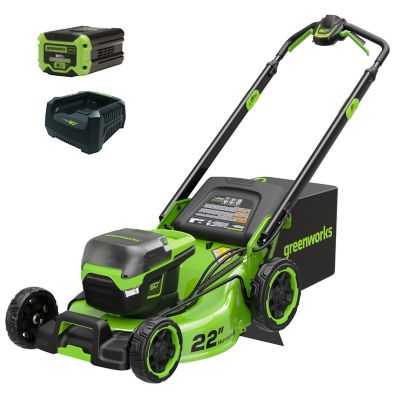
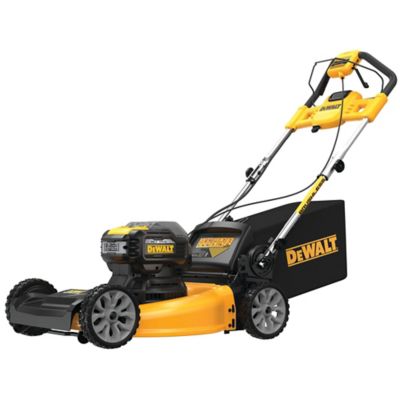
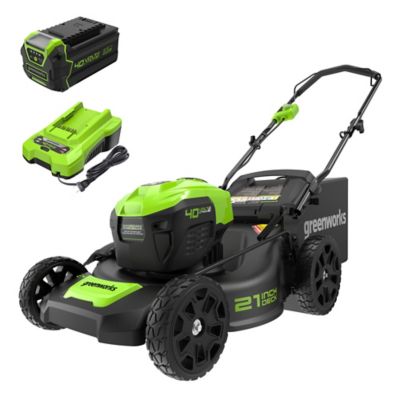
A rechargeable lawn mower runs on battery power rather than gasoline, giving homeowners a cordless way to keep grass trimmed around the house, along the driveway, and inside fenced yards. Most cordless walk-behind mowers draw power from lithium-ion batteries and start with a button or a simple control sequence, without a pull cord, fuel can, or engine oil changes. That means less engine upkeep, though blades, wheels, batteries, and cutting decks still need regular attention. Electric operation also means no exhaust at the mower while cutting and generally less noise than a comparable gas mower, although hearing protection may still be necessary. These mowers suit everyday lawn care, from a small patch beside a porch to a larger stretch between the house and an outbuilding. The right fit depends on the amount of grass, the layout of the property, and how much walking and maneuvering the job involves. A narrow cutting deck can fit through gates and work around trees, raised beds, and fence corners with less backtracking. A wider deck covers more ground with each pass but needs room to turn and a gate opening wide enough for the mower itself. Push models keep the setup straightforward for smaller, mostly level lawns, while self-propelled models help move the mower across longer runs or uneven ground. Drive speed matters, too; an adjustable pace lets the mower match the person behind it rather than setting an awkward walking speed. On sloped ground, traction and the manufacturer's operating limits matter more than convenience features. Adjustable cutting heights make it easier to match different lawn grasses and leave enough blade length for healthy growth. Mulching, bagging, and side-discharge options handle clippings differently: mulching returns finely cut grass to the lawn, bagging gathers clippings for removal, and side discharge spreads them as mowing continues. Not every mower offers all three, and bag capacity can affect how often the job pauses.
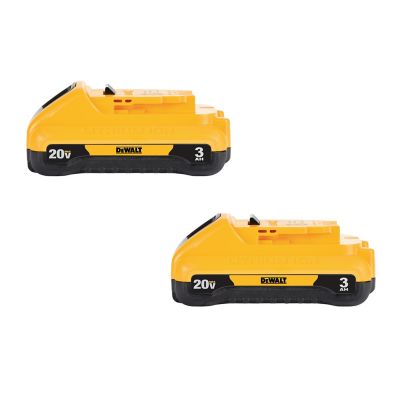
Battery capacity, charging time, and cutting conditions all shape how much ground a rechargeable lawn mower can cover between charges. Advertised runtime or acreage estimates are helpful starting points, not a promise for every property. Thick grass, tall growth, frequent stops, and running a self-propelled drive can draw more energy than steady mowing across a level, lightly grown lawn. Battery voltage alone does not tell the whole story about cutting performance or runtime. Amp-hour ratings describe battery capacity, while watt-hours provide a clearer comparison of stored energy across batteries with different voltages. The mower's motor, blade design, and power controls also affect how that energy translates into work. A second compatible battery can help keep a longer mowing job moving, provided the mower supports battery swaps and the spare is charged. Some battery systems also power other lawn tools, which can simplify charging and storage, but compatibility must match the manufacturer's stated requirements; similar-looking packs are not necessarily interchangeable. Charging time deserves a place alongside runtime, especially when several tools share the same battery. Deck construction and handling matter just as much once the mower reaches the yard. Steel decks provide a sturdy housing, with attention needed to protect exposed metal from rust. Composite decks resist rust and can help keep mower weight down, though the full machine's weight depends on more than deck material. Wheels that roll smoothly, handles that adjust to a comfortable height, and controls that are easy to reach make a difference on repeated passes beside a fence or around a clothesline pole. A full grass catcher adds weight, so its position and removal method affect handling as well. Fold-down handles can save shed space, while upright storage is appropriate only for models designed for it. Lift points and the mower's total weight are worth considering when the route from storage includes a step, a narrow doorway, or a loading ramp.
Keeping a battery-powered lawn mower ready for the next job comes down to straightforward care and sensible storage. Grass buildup beneath the deck can interfere with clipping flow and cutting performance, while a dull or damaged blade can leave ragged grass tips instead of a clean cut. Before cleaning, checking the blade, or clearing a blockage, the mower needs to be shut down and isolated from power according to its manual, including battery removal and removal of any safety key when specified. Cleaning methods vary, and a hose is not suitable for every mower or battery compartment. Batteries and chargers need a dry, protected storage spot within the temperature limits in their instructions, rather than an exposed corner beside the shed door. Charging with the designated charger and following the recommended storage charge level help support battery service life. Around the yard, a mower works best as part of a lawn-care setup that suits the ground. Its deck handles open stretches, while
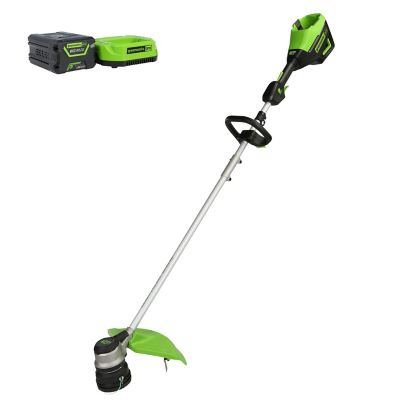
Rechargeable Weed Trimmers reach grass along fence posts, around mailbox bases, and beside other obstacles where mower wheels cannot travel. A walk-behind lawn mower is meant for maintained turf, not woody brush, hidden debris, or rough pasture growth beyond its rated capability. Stones, wire, fallen branches, and small toys need to be cleared from the mowing area, with children and pets kept safely away while the blade is running. Closed-toe footwear, eye protection, and any additional protection called for in the manual belong with the job, even when the motor sounds quieter than a gas engine. For homeowners tending a fenced backyard, folks maintaining lawn around a rural home, or anyone wanting fewer fuel-related chores, rechargeable mowing offers a practical balance of cordless movement and manageable upkeep. Matching deck size, battery capacity, handling, and clipping options to the property helps make the mower a good fit for the work, from the first pass along the driveway to the last strip beside the porch.