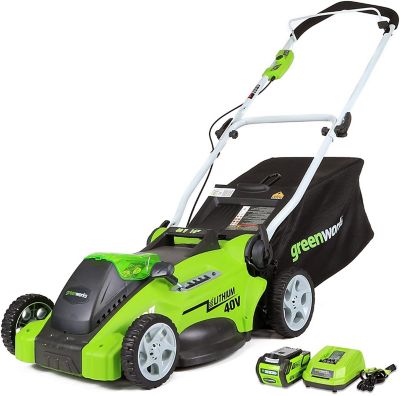
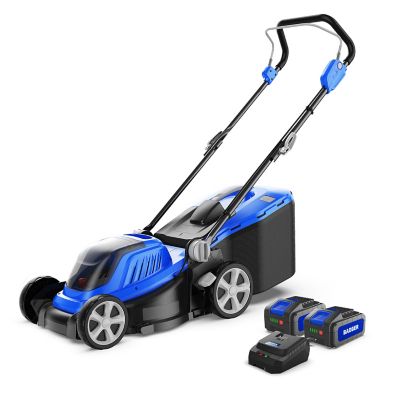
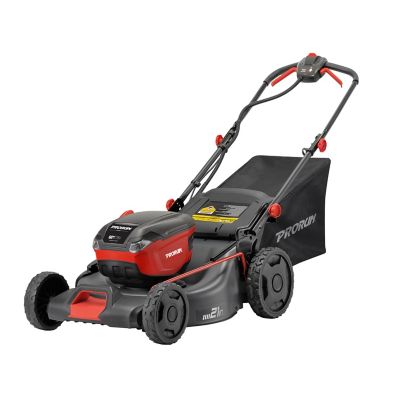
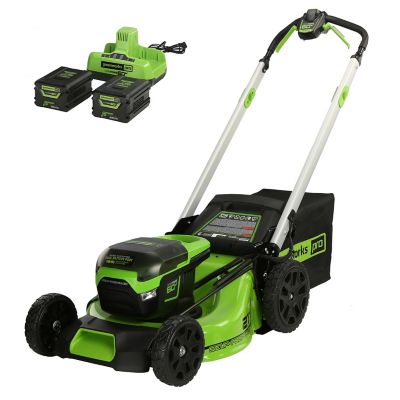
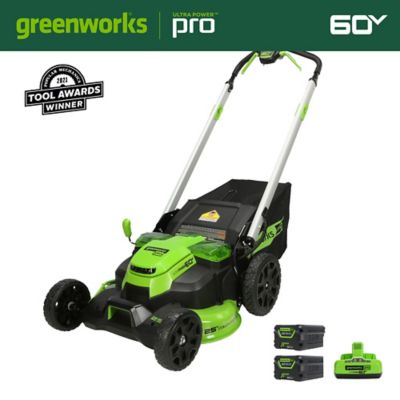
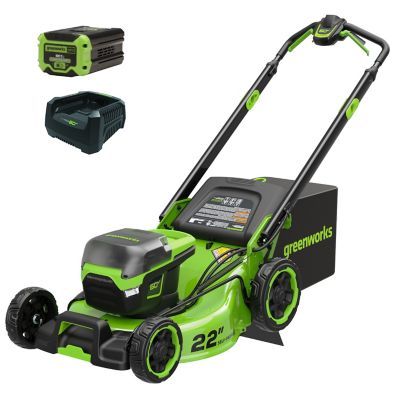
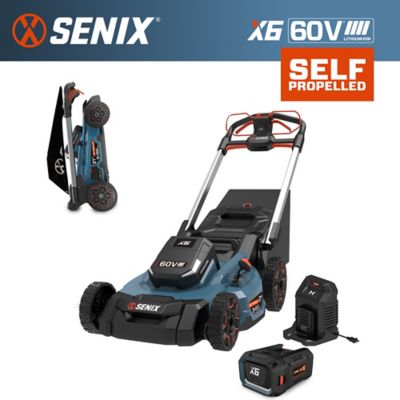
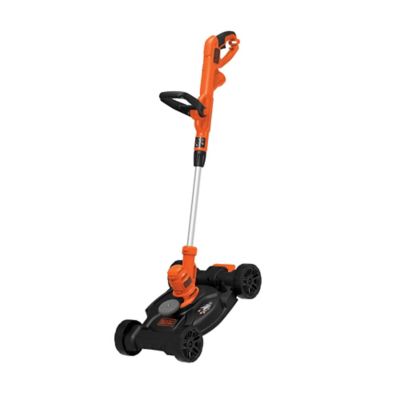
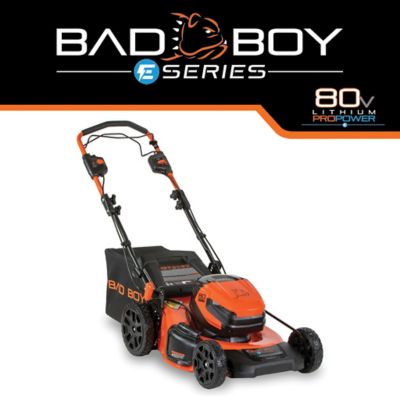
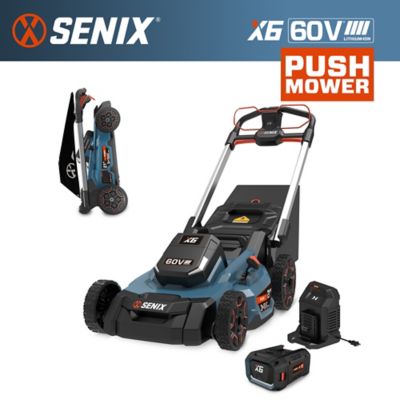
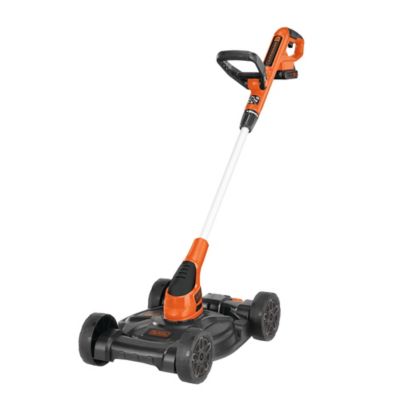
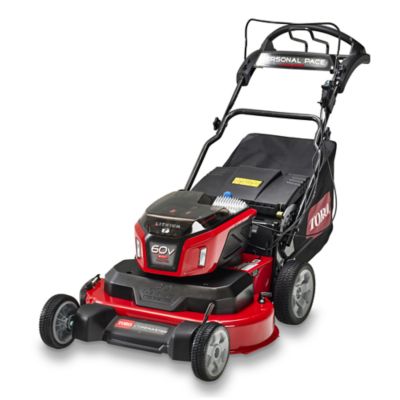
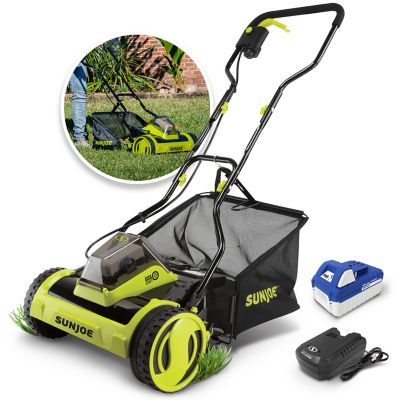
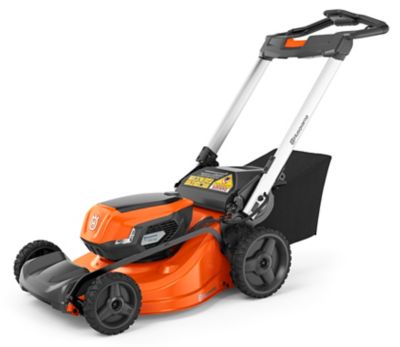
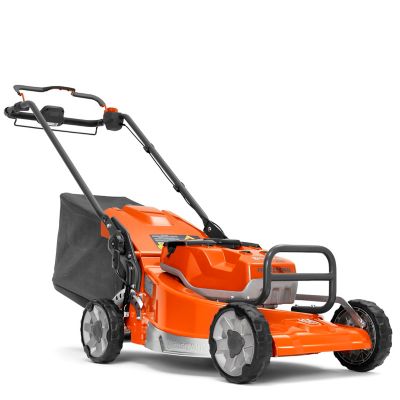
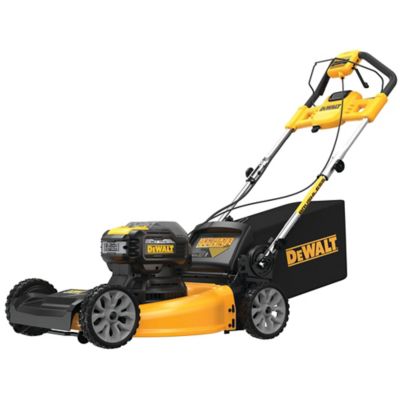
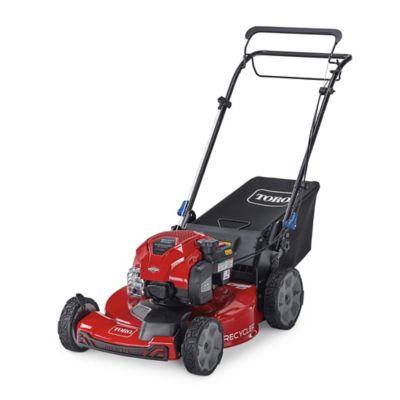
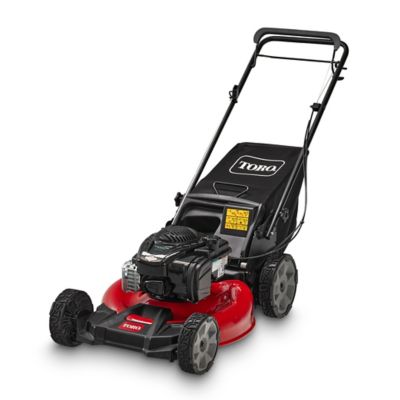
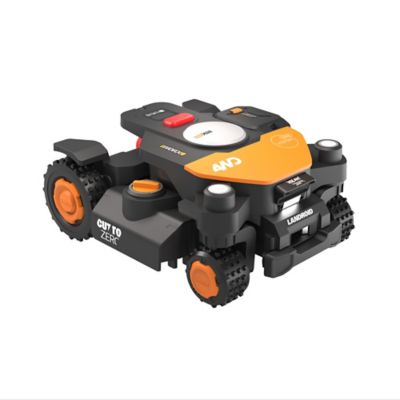
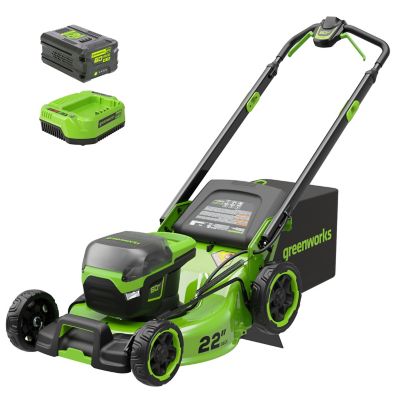
A cordless lawn mower runs on rechargeable batteries, giving you room to mow without an extension cord trailing through the grass or a gasoline engine to maintain. Battery-powered lawn mowers produce no exhaust at the mower during operation, and they generally run more quietly than comparable gas mowers, though blades and motors still make noise. There’s no fuel to mix or engine oil to change, and many designs feature push-button starting paired with a safety handle or other starting control. That makes this equipment a practical fit for keeping the grass tidy around a farmhouse, trimming a fenced backyard, or tending the stretch between a driveway and a garden. The right fit depends on more than the size of the property. A broad, open lawn calls for different handling than narrow grass strips around fence posts, shade trees, and flower beds. Cutting width, mower weight, wheel design, and battery capacity all affect how the work feels once you’re out there making passes. A wider deck covers more ground with each pass, while a narrower deck can be easier to steer through a gate or around tight corners. Push mowers suit many smaller, fairly level yards; self-propelled mowers provide powered forward movement that can reduce pushing effort on larger spaces or gentle inclines within the manufacturer’s slope limits. Variable drive speeds let the mower follow a comfortable walking pace rather than making the operator hurry along. Runtime varies with grass height, thickness, moisture, terrain, cutting height, and use of the drive system, so an advertised runtime or acreage rating is best treated as a reference under the maker’s stated conditions, not a promise for every yard. For a home with thick grass near the septic field and thinner turf under the trees, battery demand can change from one part of the lawn to another. Enough battery capacity for those heavier patches helps make mowing day feel less stop-and-start.
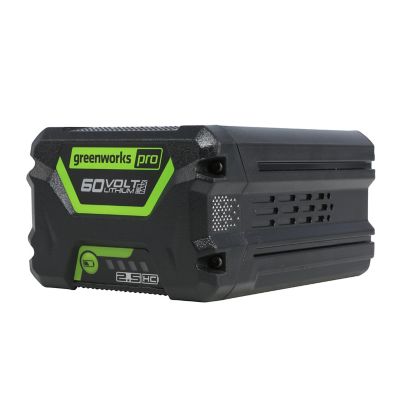
Battery systems are a big part of what separates one cordless lawn mower setup from another. Voltage identifies a battery platform, but voltage alone does not tell the whole story about cutting performance. Battery capacity, motor design, blade design, and overall efficiency matter, too. Amp-hour ratings can help compare battery capacity within the same voltage platform; watt-hours provide a clearer measure of stored energy when comparing batteries with different voltages. Brushless motors are common in this category and can offer efficient operation with less motor maintenance than brushed designs. Some mowers adjust motor output as cutting conditions change, adding power in thicker growth rather than running at the same output all the time. Battery and charger compatibility must match the manufacturer’s specifications, even when two packs look similar. For households with other cordless yard equipment, a compatible shared battery platform can simplify charging and storage, provided each tool supports the battery involved. Charging time and spare-battery requirements also matter when the mowing area stretches from the roadside to the back fence. Shoppers comparing equipment for that kind of space can explore
Cordless Battery Lawn Mowers for Large Lawns, with attention to cutting width, propulsion, and the battery capacity required for the property. Deck construction is another useful distinction. Steel decks offer rigidity but add weight and need attention where scratches expose metal to moisture. Polymer or composite decks resist rust and can help reduce overall weight, although impact resistance and care requirements depend on the material and design. Handle height, grip position, and control placement affect comfort during longer mowing sessions, especially for households where more than one person handles the yard work. Wheel size and tread influence maneuvering over uneven ground, but no wheel design makes a walk-behind mower suitable for every slope or rough patch. These machines belong on maintained lawn areas, not in brush, hidden rocks, or tall pasture growth beyond their stated cutting capability.
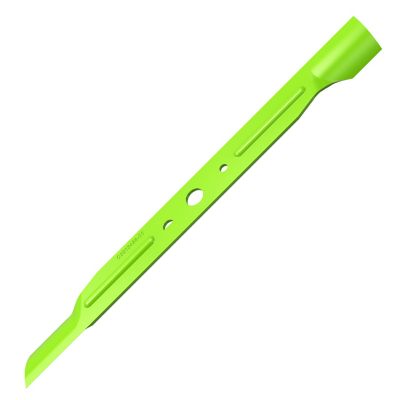
The way a cordless mower handles clippings can matter just as much as the way it moves across the yard. Mulching configurations recut grass into smaller pieces that settle into the lawn, while bagging collects clippings for removal and discharge configurations send them out through a designated opening. Supported mowing modes vary, and some require an attachment or insert. Mulching works best when growth is manageable and the grass is dry; thick, wet clumps can strain the mower and leave an uneven finish. Bagging can be handy near a walkway or patio where loose clippings would otherwise get tracked indoors, though a full bag adds weight and needs emptying. Adjustable cutting heights allow the mower to match the grass type and growing conditions, and a single-lever adjustment can make height changes simpler than adjusting each wheel separately. For an even cut, a sharp, properly fitted blade matters more than shaving the lawn as low as possible. Removing no more than about one-third of the grass blade at a time helps avoid stressing the turf, particularly when growth has gotten ahead of the mowing schedule. As growth slows during the cooler months, mowing frequency can ease back with it rather than following a fixed calendar. Routine care remains straightforward: follow the manual for clearing clippings, inspecting the blade, checking fasteners, and keeping ventilation openings clear. Remove the battery and any safety key before cleaning or working near the blade, and follow the maker’s directions instead of assuming the deck can be rinsed with a hose. A dry storage area helps protect electrical components, and batteries need storage temperatures and charge levels that stay within their specified limits. Folding handles can free up shed space, while upright storage is appropriate only for mowers designed for that position. For homeowners maintaining the lawn around everyday country life, a well-matched battery mower brings together manageable handling, straightforward starting, and the cutting features that suit the ground they actually mow.