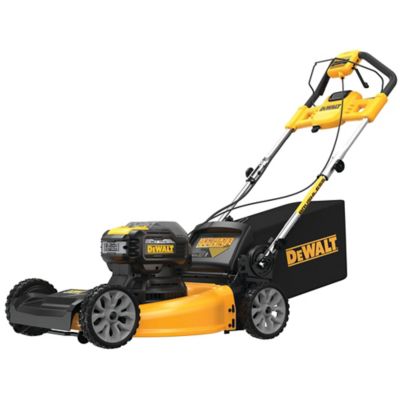
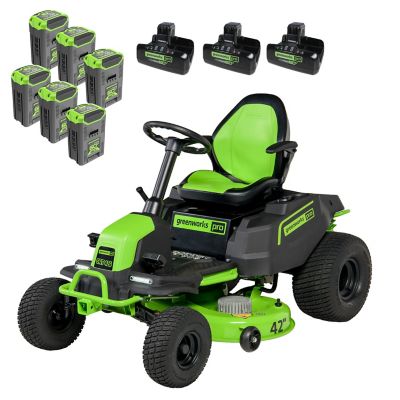
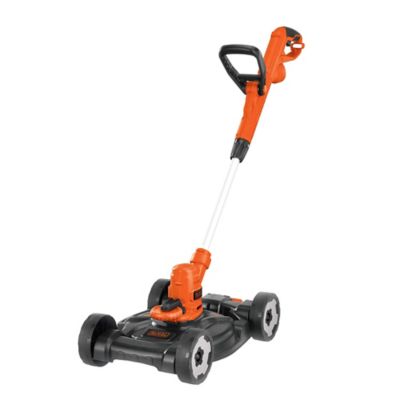
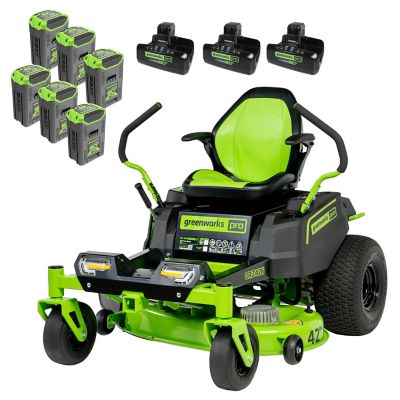
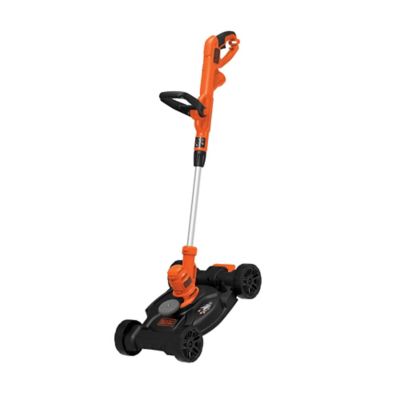
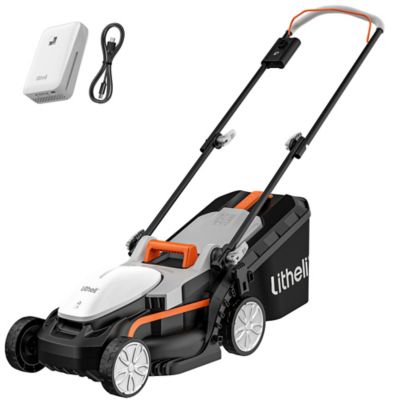
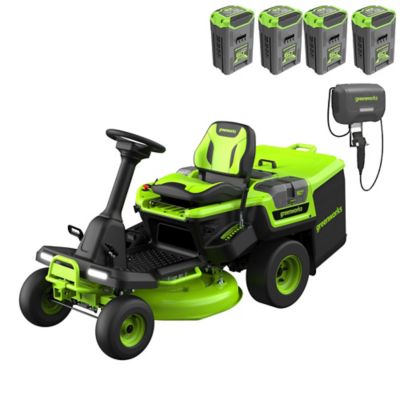
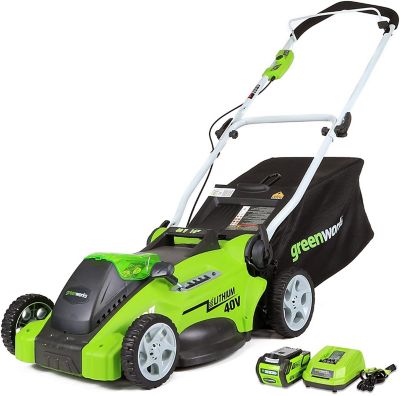
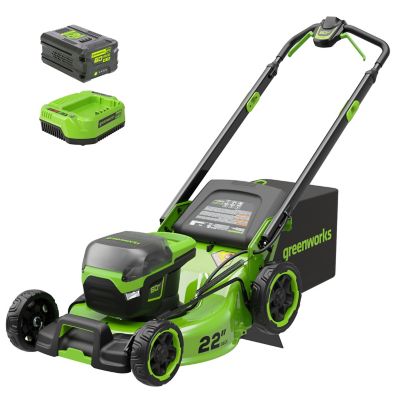
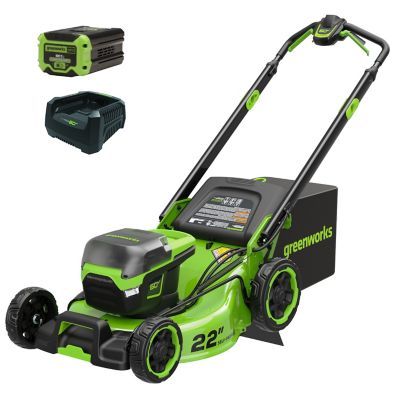
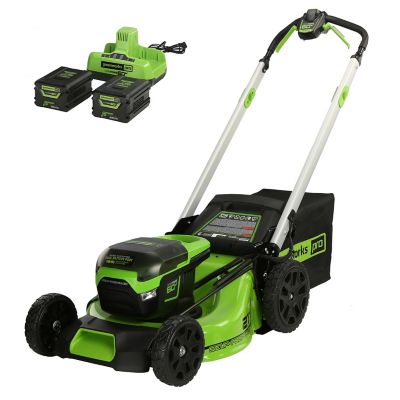
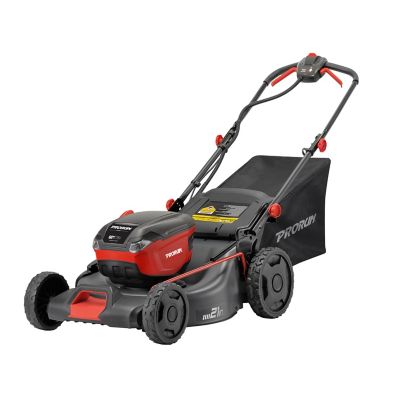
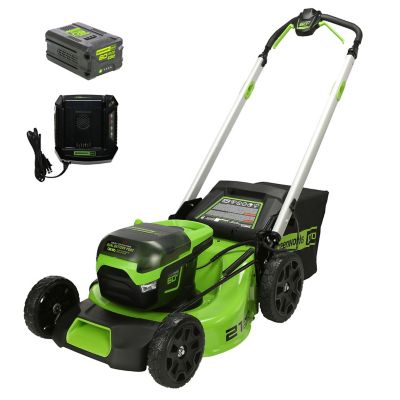
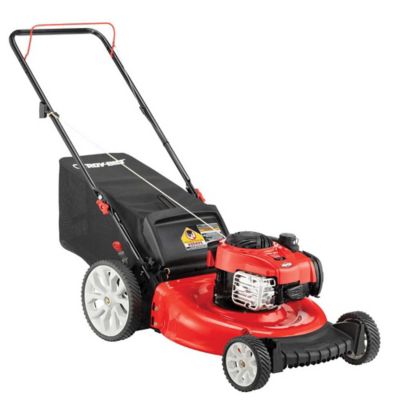
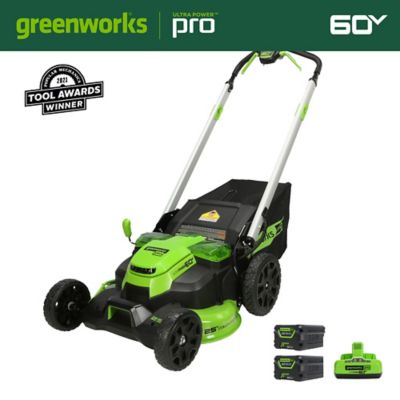
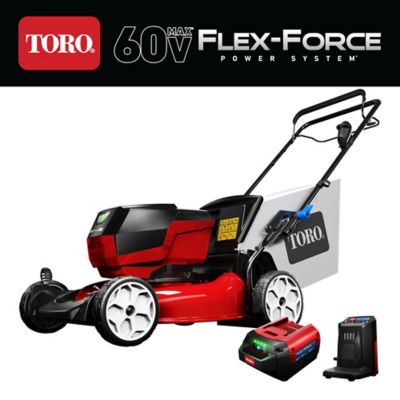
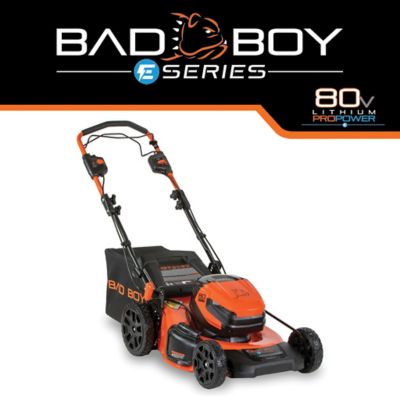
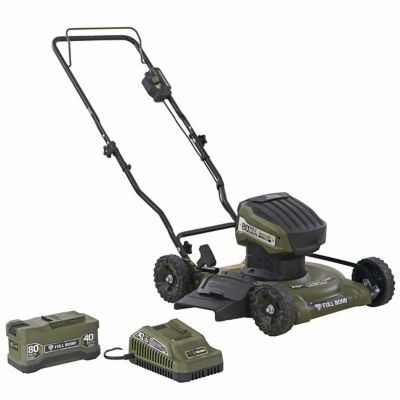
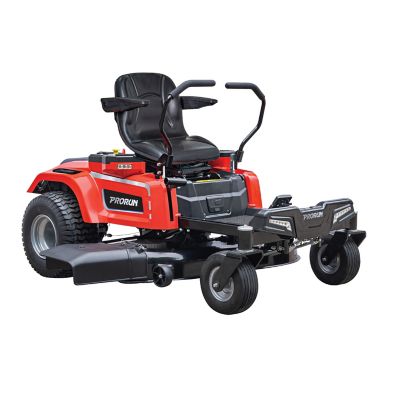
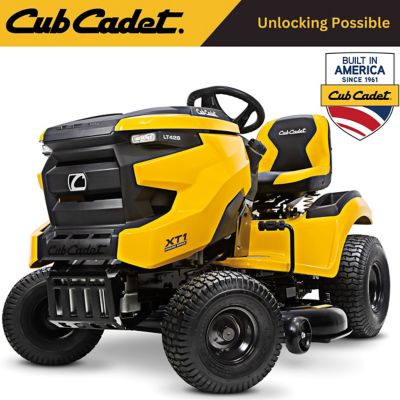
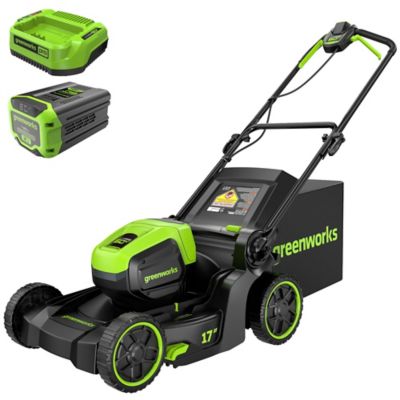
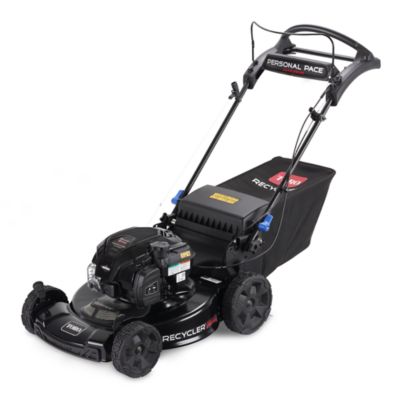
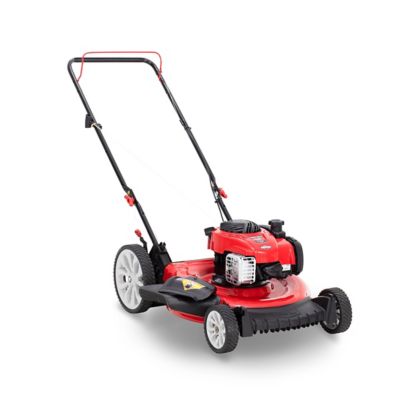
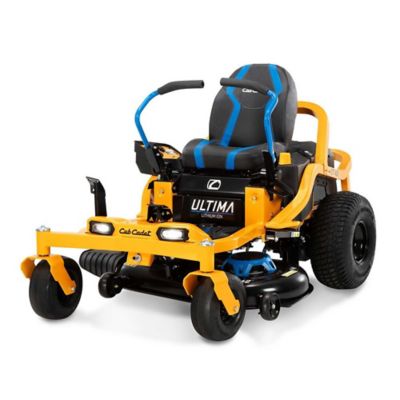
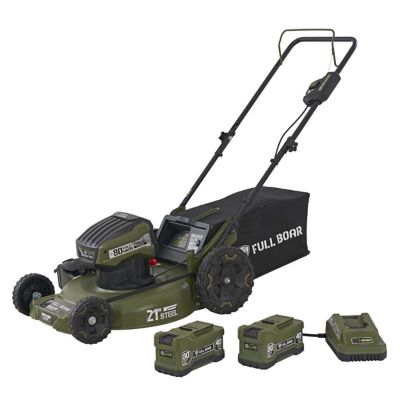
Battery operated lawn mowers handle regular grass cutting with rechargeable batteries instead of a gasoline engine, giving homeowners a cordless way to keep the yard neat without fuel cans, exhaust at the mower or a pull cord. Most modern models run on lithium-ion batteries and start with a button or another simple control sequence, along with a safety handle that must remain engaged during operation. They generally make less noise than gas-powered mowers, though the spinning blade still produces sound and hearing protection may be recommended by the manufacturer. There are no engine oil changes, spark plugs or gasoline engine air filters to tend to, making these mowers a practical fit for folks who want fewer engine chores between cuts. Their intended work ranges from a small patch beside the porch to a larger stretch of maintained lawn around the house, depending on cutting width, battery capacity and drive system. A push mower can suit a fairly level yard with room to turn, while a self-propelled mower helps reduce pushing effort across longer runs or gentle slopes within the manufacturer's operating limits. Battery-powered riding mowers serve larger maintained areas, with different space, charging and storage needs than walk-behind machines. The
Cordless Lawn Mower category brings the same freedom from an extension cord to mowing around trees, garden beds and fence corners. That freedom is handy when the nearest outlet is back at the house rather than beside the grass that needs cutting. These are lawn-care machines, however, not substitutes for brush cutters in woody growth or equipment meant for rough pasture. For a homeowner tending the grass between a gravel driveway and a vegetable garden, the appeal is straightforward: familiar mowing tasks with battery charging in place of gasoline refueling. As growth slows during cooler weather, the same mower can handle the remaining cuts whenever the lawn is actively growing and conditions are suitable.
Yard layout matters just as much as lawn size when comparing battery-powered lawn mowers. A wider cutting deck covers more ground with each pass, but a narrower deck can be easier to steer through a gate, between raised beds or around an old shade tree. Overall width matters for access, while cutting width describes the strip of grass the blade cuts. Steel decks bring strength and rigidity, although chipped finishes need attention to help limit rust. Polymer or composite decks resist rust and can help reduce machine weight; their resistance to impacts depends on the material and construction. Wheel size, tread and mower balance affect how a machine rolls across uneven ground, and adjustable handles help different operators find a comfortable working position. Self-propelled controls with adjustable speed can make it easier to match a natural walking pace rather than hurry behind the mower. Battery voltage identifies part of the electrical system, but voltage alone does not establish cutting power or mowing time. Amp-hour capacity describes how much electrical charge a battery can hold; when comparing batteries at the same voltage, a higher amp-hour rating generally means more stored energy. Watt-hours provide another way to compare stored energy across different voltages, though neither figure guarantees a particular runtime. Tall grass, thick growth, hills, self-propelled operation and frequent stops can all affect how much lawn gets cut on a charge. Advertised coverage and runtime therefore make the most sense alongside the test conditions and the demands of the actual yard. A broad, open lawn kept at a steady height is a different job from a fenced backyard with tight turns and heavy spring growth. Removable batteries can allow a swap when a charged, compatible spare is on hand, while charging time determines how long a depleted pack needs before the next stretch of mowing. Battery and charger compatibility are specific to the manufacturer's system, so matching voltage numbers alone is not enough. Package contents also matter: a mower, battery and charger are not always supplied together.
Cutting adjustments and clipping options shape how a battery mower fits everyday yard work. Multiple height settings accommodate different grass types and growing conditions, while a single-lever adjustment can simplify changing deck height. Taking off no more than about one-third of the grass blade at a time generally supports lawn health and is easier on the mower than tackling a heavy cut all at once. Mulching settings recut clippings so they can settle back into the lawn, bagging gathers material for removal, and side discharge spreads clippings away from the deck where that option is provided. Mulching works best with manageable amounts of dry grass; a thick layer of damp clippings can clump beneath the deck and leave an uneven finish. A thin scattering of dry leaves may also be suitable for mulching, but deep leaf cover calls for separate cleanup rather than repeated passes through a packed mat. Around the yard, fallen branches, stones and stray wire should be cleared before mowing, and children and animals need to remain away from the work area. Straightforward care helps keep the machine ready for the next cut. Before cleaning or blade work, disconnect the battery and follow the manual's shutdown procedure, including removing a safety key where fitted. Grass buildup holds moisture against mower surfaces and restricts airflow, so clearing the deck as directed helps protect its finish and cutting performance. A sharp, properly fitted blade cuts more cleanly than a dull or damaged one, and replacement blades must match the mower's specifications. Folding handles can save shed space, while upright storage is appropriate only for models designed for it. Batteries need a dry storage spot within the manufacturer's temperature limits, away from heat sources and loose metal objects. During longer breaks between mowing, the recommended storage charge and occasional checks help protect battery life. With sensible sizing, compatible charging equipment and routine care, a battery operated mower fits neatly into the rhythm of keeping the homeplace tidy.