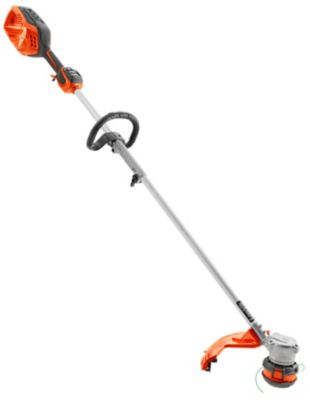
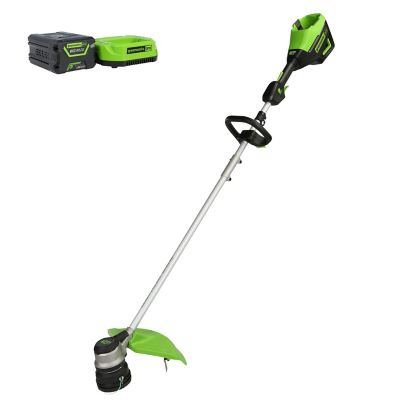
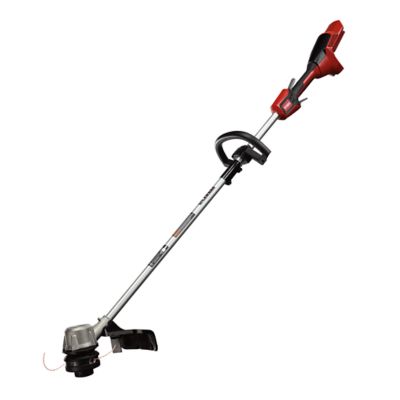
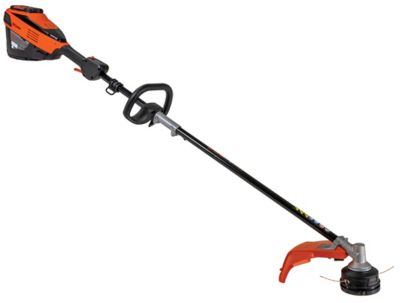
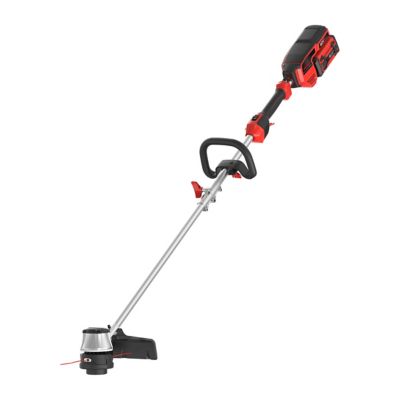
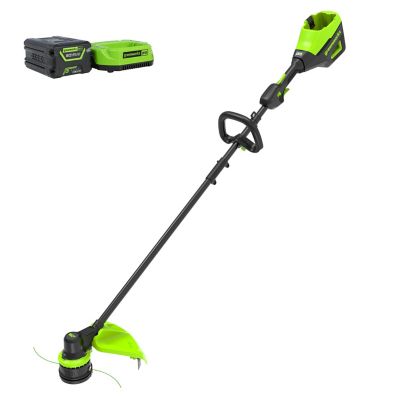
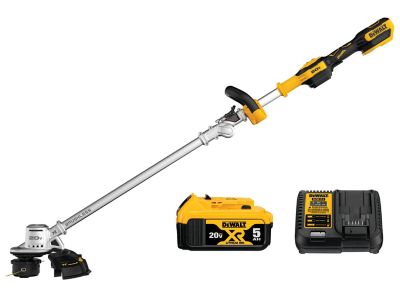
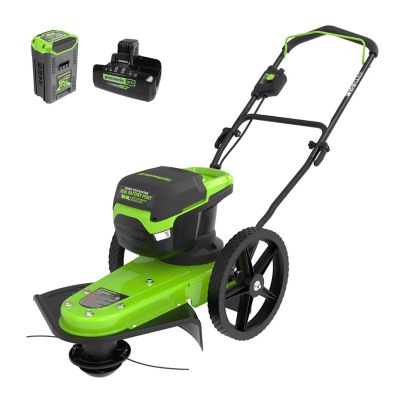
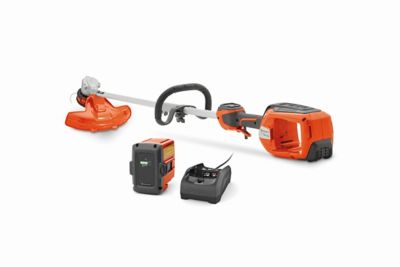
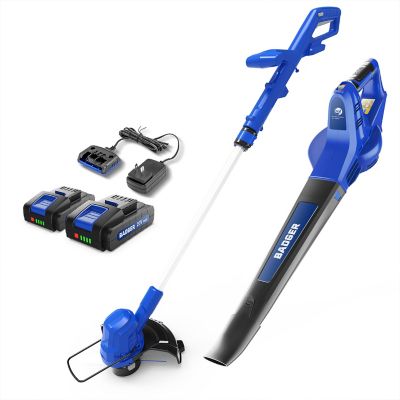
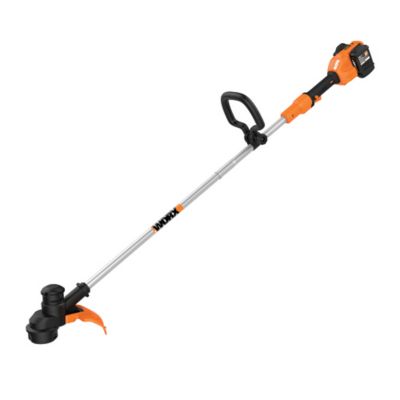
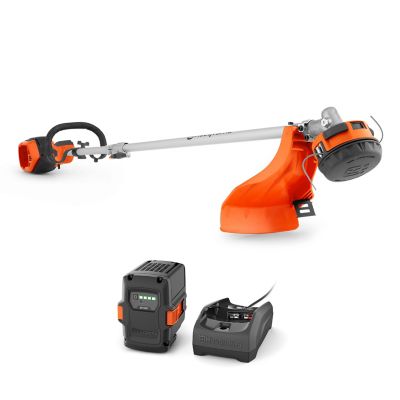
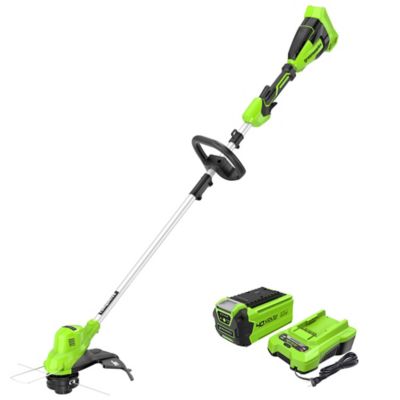
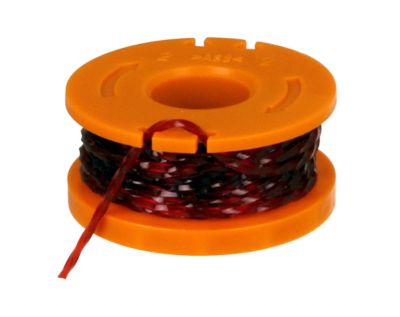
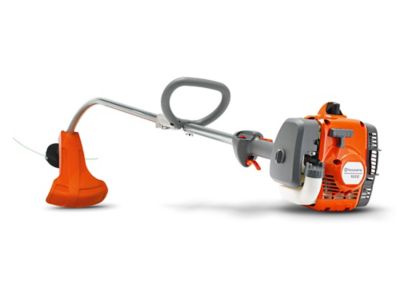
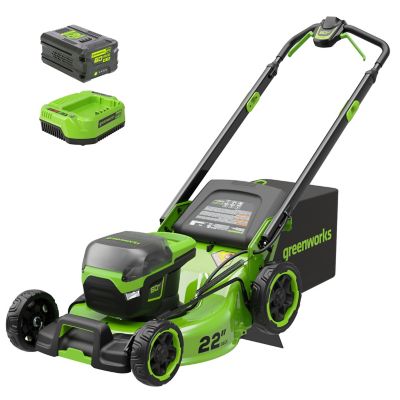
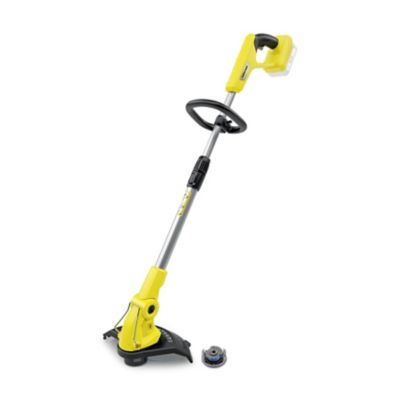
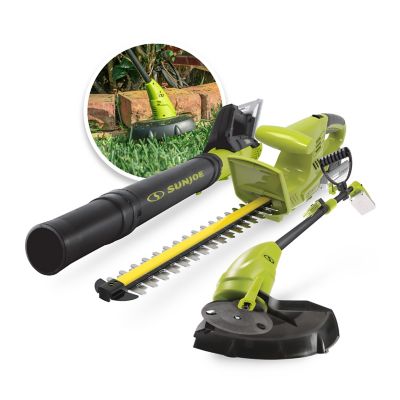
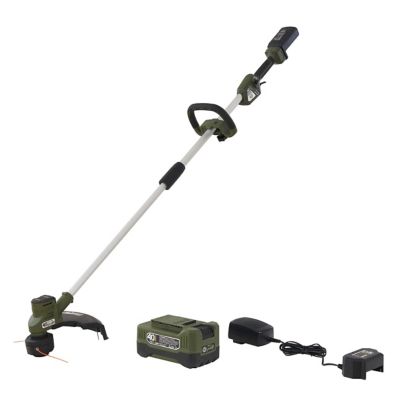
A rechargeable weed trimmer, also called a cordless weed eater or string trimmer, runs on a battery instead of a gas engine or a cord plugged into an outlet. Most run on a rechargeable lithium-ion battery that powers a spinning head fitted with nylon cutting line. There’s no fuel to mix or extension cord to drag around the chicken run. The line reaches places a mower deck can’t, like the strip behind the mailbox, the grass between raised beds and the tufts that crowd a gate hinge. A smaller trimmer can make sense for a yard with a short fence and a few trees, where the job is mostly cutting grass left behind by the mower. For a long stretch of woven wire or a ditch full of tall, tangled grass, it pays to look at cutting width, speed settings and battery capacity together. Many cordless trimmers fall in the 20- to 80-volt range, but voltage alone doesn’t tell how long a trimmer will run or how it’ll handle thick weeds. Some battery labels list maximum voltage while others show nominal voltage, so the numbers aren’t always a straight comparison. Within the same battery platform, a pack with a higher amp-hour rating generally gives more time between charges, though it can add weight. Running at full speed through thick growth will draw down a pack faster than tidying up around a few stepping stones.
Battery Powered Grass Trimmers cover jobs from cleaning up the narrow gap beside a shed to clearing a walking path between the house and the barn. For grass and soft-stemmed weeds, cutting line does the job without a metal blade. Woody brush and saplings call for a tool meant for that kind of growth.
How a trimmer fits matters as much after the sixth fence post as it does when you first lift it. Compare weight with the battery in place, since a bare tool can feel quite different from one with a pack snapped in. With the head held just above the ground, there shouldn’t be a need to hunch over or lift your elbows to keep the line level. An adjustable shaft and a front handle that slides or pivots can help two people of different heights share the same tool. Aluminum shafts and molded housings help keep weight down, but pay attention to where that weight sits. A head that feels heavy can tire out your arms during long passes, while a well-balanced trimmer is easier to steer around a patch of flowers or along the bottom of a fence. A slim head can fit into a tight spot by the porch steps, and a wider cutting swath can save passes along an open lane. Line thickness makes a difference, too. Thinner line works well for light grass, while heavier line can stand up better to coarse growth, as long as it matches the size specified for the head. Some heads feed more line when tapped against the ground, others feed it automatically, and fixed-line heads take short pieces that are replaced by hand. A trimmer that turns into an edger can leave a crisp line where grass meets a sidewalk. Around young trees and vinyl siding, a lower speed setting can give you more control, but keeping the line clear of bark and siding matters more than the speed setting. For a stretch of tall grass, taking a pass across the tops before cutting lower can keep long stems from winding around the head.
A little care can keep a rechargeable weed trimmer cutting cleanly and feeding line the way it should. Remove the battery before clearing wrapped grass, changing the spool or checking the guard. Brush clippings from the head and air vents after a job, especially if the trimmer has worked through thick growth along the edge of a pasture. A head that scrapes concrete or catches the same fence wire on every pass will go through line faster, and repeated strikes can wear down the spool cap. Replace a worn cap or cracked spool rather than trying to keep it going with a makeshift fix. Matching the replacement line to the head and winding it in the direction marked on the spool helps prevent tangles and uneven feeding. Keep the guard in place, wear eye protection and clear loose wire, stones and baling twine from the path before trimming. It’s worth walking that stretch first if the grass is high enough to hide what’s underneath. For storage, keep the tool, battery and charger in a clean, dry spot and follow the maker’s charging and storage directions. A rechargeable trimmer can be a practical gift for someone taking care of a first yard or a family member who’s tired of hauling a cord from one side of the house to the other. If they already have cordless tools, check the exact battery platform before counting on the packs they own. Matching voltage labels alone doesn’t guarantee that batteries and chargers can be shared. A lightweight setup may be the better fit for someone who trims a little at a time, while a compatible spare pack can help someone who tackles the whole fence line in one go. The best fit comes down to the work waiting on the other side of the shed door: how far there is to walk, how thick the growth gets and how much trimming needs to happen before the tool goes back on the hook.