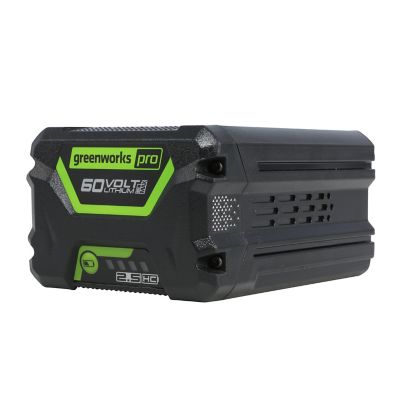
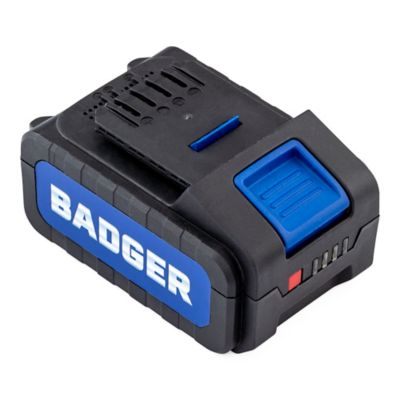
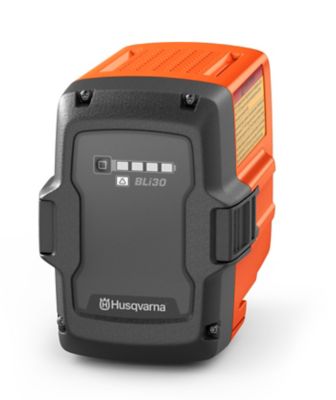
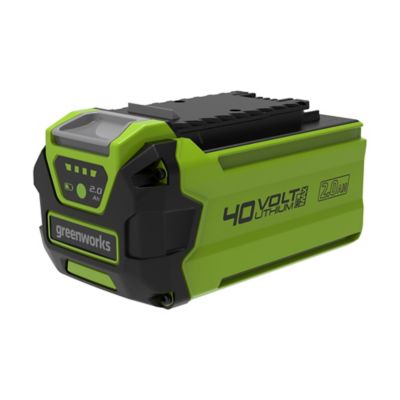
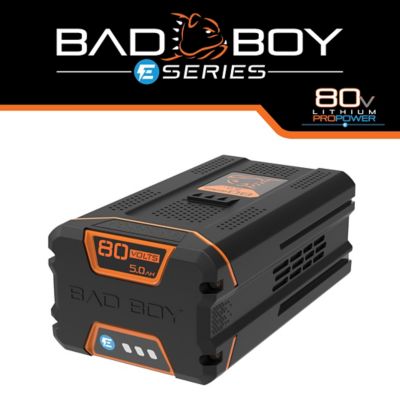
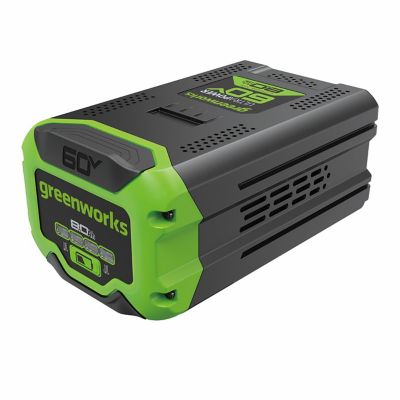
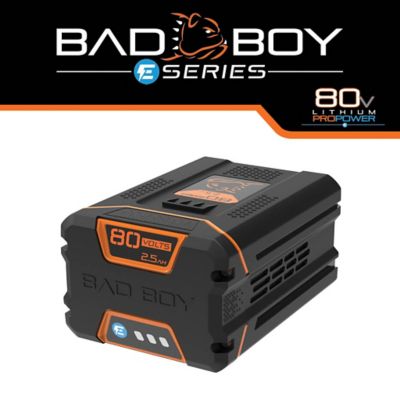
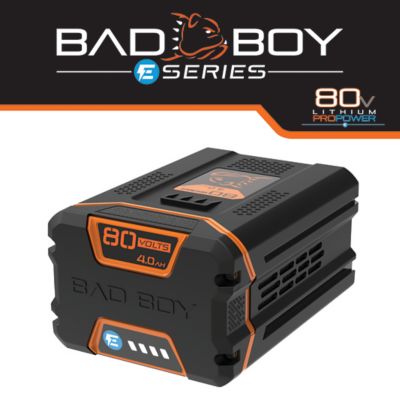
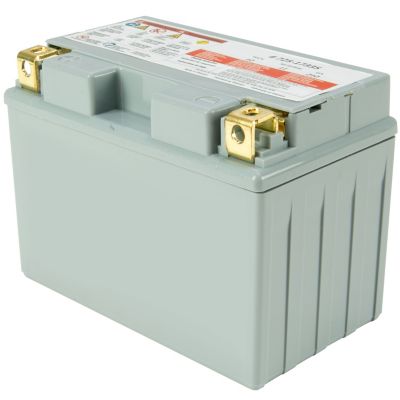
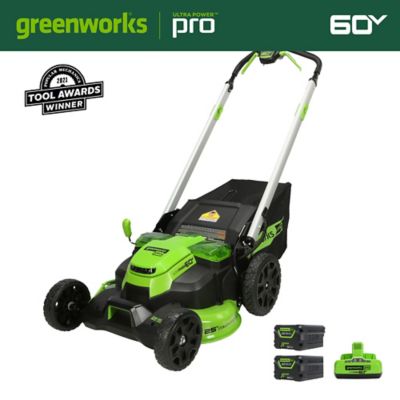
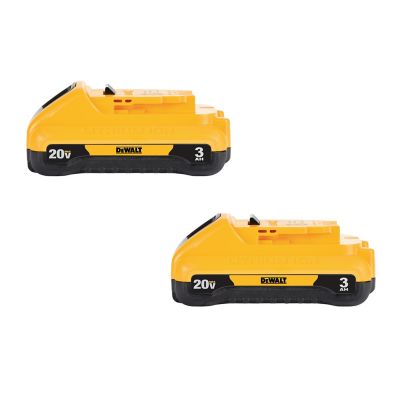
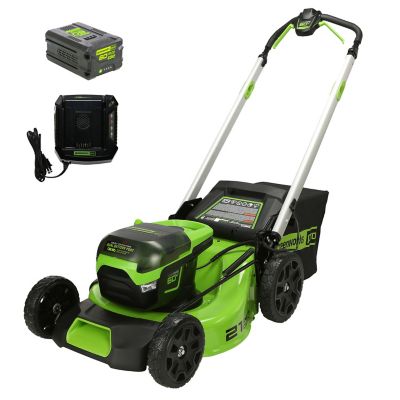
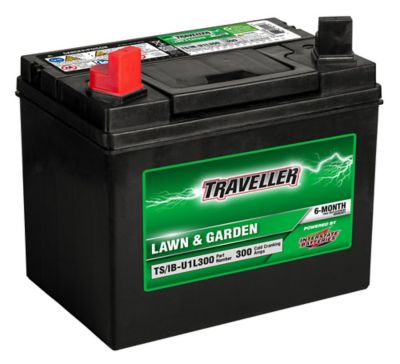
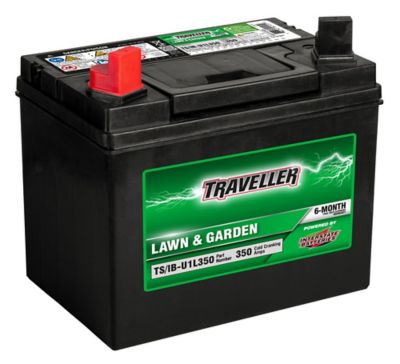
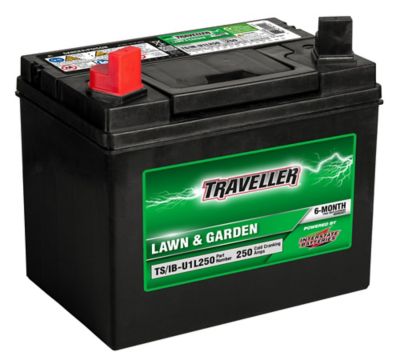
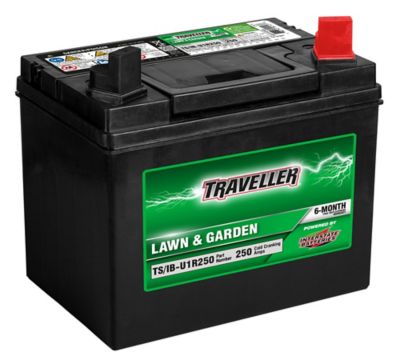
Cordless lawn mower batteries provide the power that turns the cutting blade and, on self-propelled or riding models, moves the mower. Lawn mower batteries generally serve one of two roles: starting batteries crank gasoline engines, while propulsion batteries supply energy to electric mowing systems. Those jobs call for different battery designs, so a gas mower’s starting battery is not a substitute for a cordless mower’s power source. Rechargeable lithium-ion packs are common in cordless push and self-propelled mowers, while electric riding mowers may have battery systems built around lithium-ion or lead-acid technology. Fit depends on more than the battery’s general shape. The mower’s required voltage, battery chemistry, electrical contacts, mounting arrangement and approved battery platform all matter. Two packs with the same voltage rating can have different connections and electronic controls, even when they look close enough to fit. A compatible pack seats securely, locks into its compartment and communicates with the mower as designed. For equipment that takes more than one battery, the required number of packs and their approved pairing also belong in the compatibility check. Some machines operate with one pack at a time; others need multiple packs installed together. Battery housings commonly combine molded plastic shells, metal terminals and internal cell supports, with electronics that help manage charging and power delivery. Those housings help shield the cells from everyday handling, but they do not make a pack waterproof or safe from hard impacts. Capacity can affect the pack’s size and weight, so a larger battery still needs to fit the mower’s battery bay and any clearance limits. For someone replacing a worn-out pack or setting up another mower in the equipment shed, the mower model and its approved battery specifications are a better starting point than appearance alone. The same goes for batteries intended to move between a mower and other cordless yard tools: shared fit only applies where the equipment maker specifically supports that combination.
Battery capacity helps shape how much mowing fits into a charge, but the yard has a say, too. A short pass around the porch puts different demands on a battery than a long stretch along the driveway, a slope behind the house or thick grass around the fence line. Grass height and density, cutting height, blade condition, travel speed and use of the self-propelled drive can all change runtime. Bagging and mulching settings may change the load as well, depending on the mower and cutting conditions. That is why a stated runtime or coverage figure works best as a comparison under the maker’s stated test conditions, not a promise for every property. Amp-hour ratings describe battery charge capacity, and a higher amp-hour rating generally means more stored energy when comparing compatible batteries at the same voltage. Watt-hours describe energy capacity and can help put battery ratings in context, though neither number makes an incompatible pack suitable for a mower. For a small lawn with narrow gates and plenty of turns, manageable battery weight and easy removal may matter as much as extended runtime. A larger mowing area may make an approved higher-capacity pack or a second compatible pack more practical, especially when the far end of the yard is a good walk from the shed. Charger fit deserves the same attention as mower fit. Charging speed depends on the battery, the approved charger and the battery management system, rather than the charger’s size alone. Multiport chargers also differ: some charge packs together, while others charge them one after another. A matching battery-and-charger setup makes the routine simpler for homeowners keeping the yard trimmed, caretakers tending several small lawns or anyone sharing compatible batteries across yard equipment. An extra pack can reduce interruptions, but only within the combinations and operating limits approved for the mower.
Everyday care helps cordless lawn mower batteries stay ready for the next round of mowing. Grass dust, clippings and moisture have no place around electrical contacts, and a clean battery compartment gives the pack a better place to seat. Cleaning methods should follow the equipment manual; a hose or pressure washer can force water into places that are not meant to get wet. Battery removal and inspection belong with the mower shut down and its safety procedures followed, including removal of a safety key where required. Carrying a pack by its intended grip, keeping it from tumbling off a workbench and protecting the terminals from loose nails, screws and other metal objects all help prevent damage. A battery that is swollen, cracked, leaking or behaving unusually needs to come out of service rather than go back on the charger. Storage matters between mowing jobs and during longer breaks, too. A dry, protected location away from direct sunlight, heat sources, children and animals is a better home than a damp floor or an open trailer. The recommended storage charge level varies by battery chemistry and equipment maker, so the manual’s directions take priority over a one-size-fits-all rule. Some batteries also call for periodic charge checks during extended storage. Over time, rechargeable batteries naturally lose capacity, and shorter runtime can become noticeable even when the mower is maintained and the grass conditions stay much the same. A pack that once finished the yard may eventually need another charging stop before the last strip along the fence. Replacement decisions still come back to approved fit, suitable capacity and the correct charger. For a broader look at starting and electric-mower power sources,
Batteries for Lawn Mowers brings those battery categories together. At the end of a battery’s service life, a battery collection or recycling program that accepts its chemistry is the proper destination, with handling and terminal protection following the receiving facility’s directions.