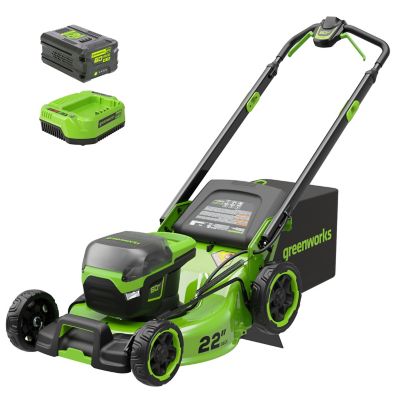
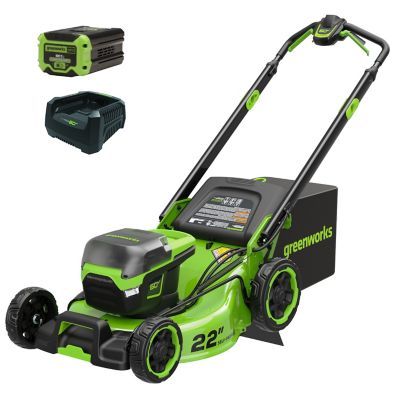
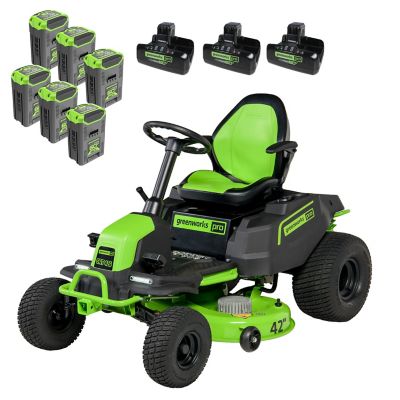
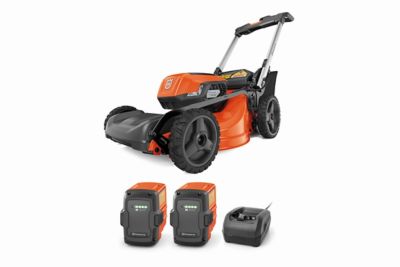
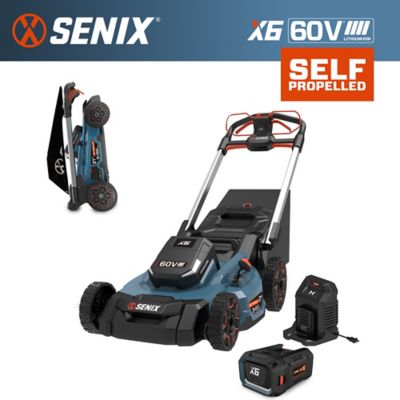
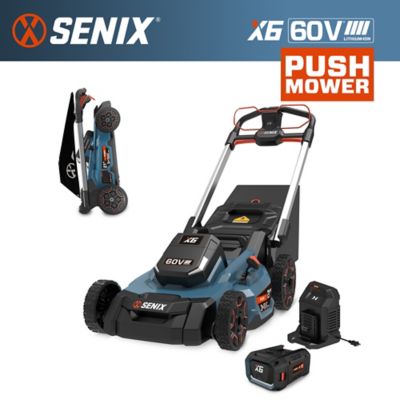
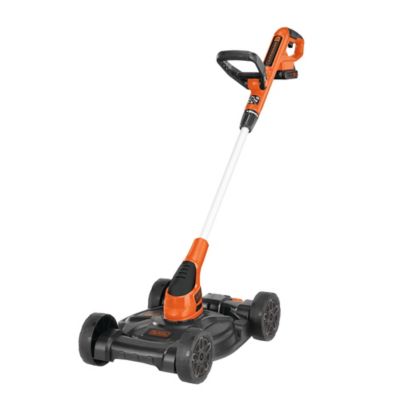
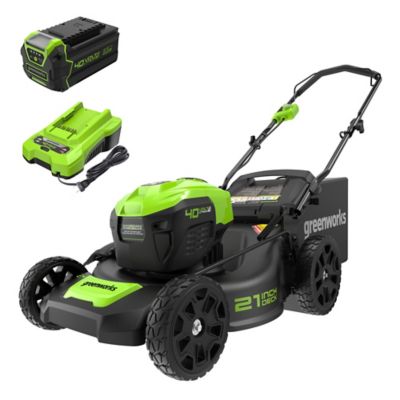
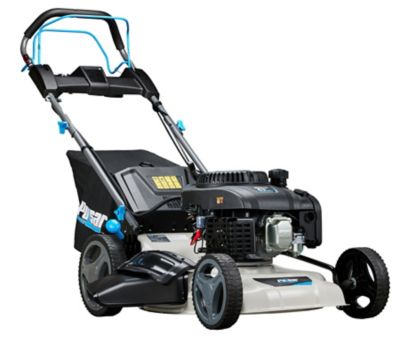
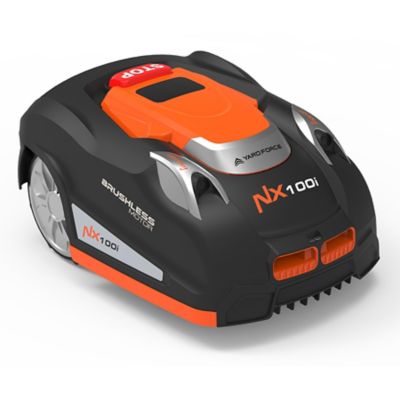
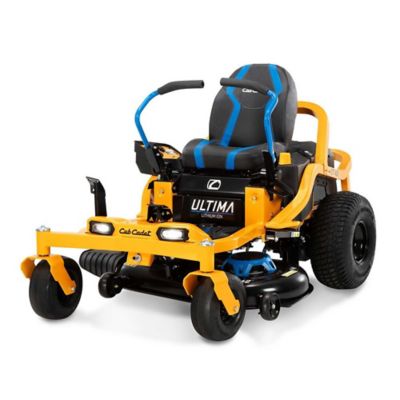
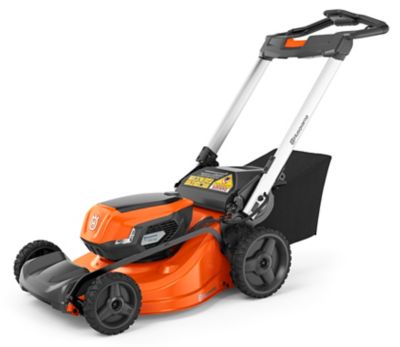
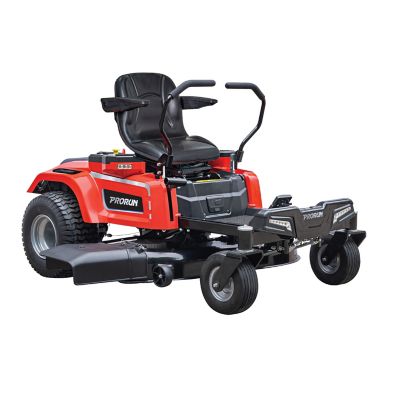
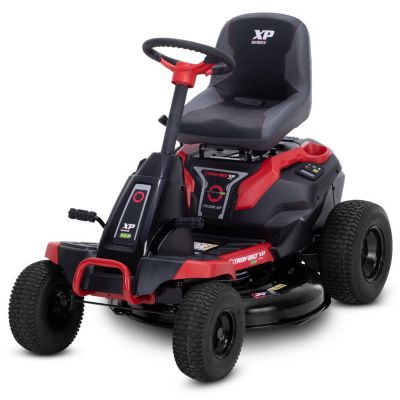
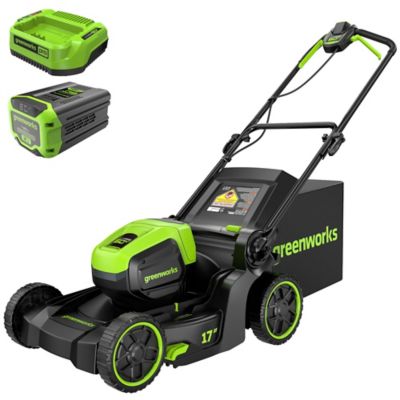
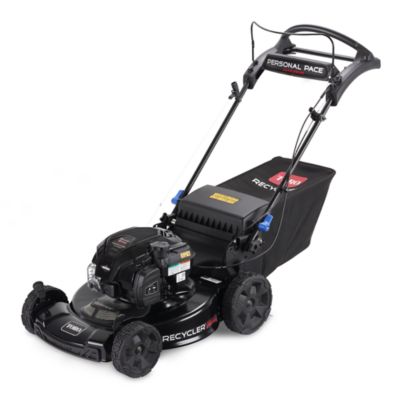
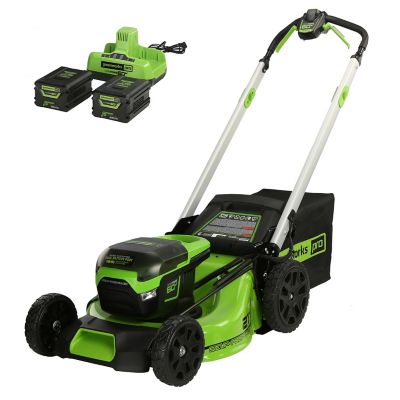
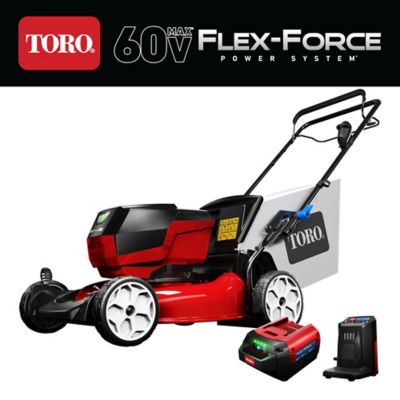
Lithium-ion lawn mowers bring cordless convenience to the regular work of keeping grass tidy around the house, along the driveway, and inside a fenced yard. Powered by rechargeable batteries, these electric lawn mowers cut without a gas engine or a cord trailing behind. Many have push-button starting paired with a safety control, making startup straightforward when it’s time to tackle the lawn. They produce no exhaust at the mower and generally run quieter than comparable gas-powered machines, though the blade and motor still make noise and hearing protection may be appropriate. There’s no engine oil to change, spark plug to replace, or gasoline to keep on hand. That simpler upkeep appeals to homeowners managing a modest lawn, folks trimming smaller stretches around a larger property, and anyone who would rather spend mowing time cutting grass than tending an engine. The right fit depends on more than acreage alone. A clear, open lawn is a different job from the same amount of grass divided by gates, trees, garden beds, and fence corners. Walk-behind battery mowers come in push and self-propelled designs, with different cutting widths and deck shapes to suit those spaces. A narrower deck can be easier to steer through tight spots and store in a crowded shed, while a wider deck covers more ground with each pass. Gate openings, storage space, and room to turn all matter alongside the size of the lawn. Lithium-ion power also extends to some riding mowers for larger areas, though their battery capacity, charging needs, and storage requirements differ from walk-behind equipment. Across these designs, the appeal is practical: cordless movement, less engine-related maintenance, and a familiar way to keep a yard looking cared for. For a lawn with grass around porch steps, shade trees, and a stretch beside the barn, maneuverability may matter just as much as outright cutting width. A mower that fits the property’s everyday obstacles can make the whole job feel less cumbersome.
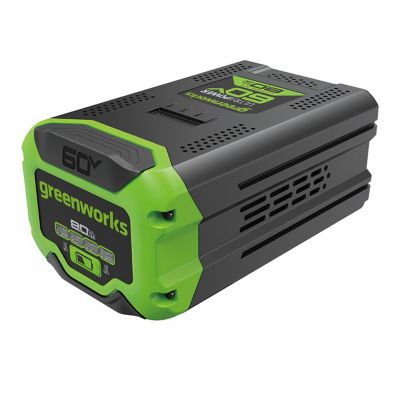
Battery capacity and cutting conditions shape how much ground a lithium-ion lawn mower can cover between charges. Voltage is one part of a mower’s electrical system, but it isn’t a stand-alone measure of cutting strength or acreage capability. Amp-hours describe battery charge capacity; watt-hours, calculated from nominal voltage and amp-hours, offer a more useful comparison of stored energy across different voltage platforms. Even then, runtime depends on the complete mower, the battery’s condition, and the work at hand. Tall grass, thick growth, slopes, frequent stops, and self-propelled drive can draw more energy than a steady pass across a level, regularly maintained lawn. Wet grass can clog the deck and affect traction, so dry mowing conditions generally make for a cleaner, easier cut. Stated runtime or coverage figures are best treated as estimates under the manufacturer’s test conditions, not promises for every property. A little capacity beyond the usual job leaves breathing room when grass grows faster or the mowing schedule slips. Some mowers operate with one battery, while others require multiple packs or switch between them; those arrangements affect both charging routines and replacement needs. Charging time matters, too, especially when one battery also powers other yard equipment. Interchangeable packs can simplify shed storage, but compatibility must be confirmed for the exact mower, battery platform, and charger rather than assumed from appearance or voltage. The
Cordless Lawn Mower Batteries page is a related place to consider power-pack options alongside a mower’s stated requirements. Brushless motors are another feature worth understanding: they eliminate motor brushes that wear over time and can support efficient operation, but they don’t remove the need for blade care or deck cleaning. For someone mowing a fenced backyard after chores, enough charge to finish without a long break may be the deciding factor. For a larger lawn, total battery capacity, charging turnaround, and the mower’s intended coverage deserve equal attention. Extra batteries only help when the mower supports them and they’re charged before the work begins.
Deck construction, handling, and grass management round out the differences among lithium-ion lawn mowers. Steel decks provide a sturdy cutting enclosure, but scratches and lingering damp clippings need attention to help limit rust. Composite decks resist rust and may reduce overall weight, with impact resistance and care requirements varying by design. Neither material tells the whole story; wheel construction, handle joints, blade mounting, and proper storage also influence how well a mower holds up over time. Larger rear wheels can help with maneuvering over uneven ground, while adjustable handles let operators find a comfortable grip height. Self-propelled drive can ease the effort on longer stretches or gentle grades, particularly when its pace adjusts to the person walking behind it. It doesn’t make every slope safe, so the manufacturer’s terrain limits and mowing directions still govern where a machine belongs. Cutting-height adjustment is useful for matching the lawn’s grass type and growing conditions. Removing no more than about one-third of the grass blade at a time generally helps avoid stressing the turf; an overgrown patch may need more than one pass at different heights. Mulching returns finely cut clippings to the lawn, bagging collects material for handling afterward, and side discharge spreads clippings as the mower moves, when those modes are supported. Bag size and ease of removal matter when the route includes repeated trips to a clipping pile. For upkeep, shut the mower down, wait for all movement to stop, and disconnect its power source as directed before cleaning or blade service. A sharp, properly fitted blade helps cut grass cleanly rather than tear it. Clear clippings from the deck using the manufacturer’s recommended method, and keep water away from electrical components unless the manual expressly allows that cleaning method. During cooler months or longer breaks between cuts, follow the battery maker’s temperature and charge-level directions for storage, and never charge a frozen pack. Folding handles or approved upright storage can free floor space, but storage positions vary by mower. Those everyday details help match a battery-powered lawn mower to both the yard work and the space waiting back in the shed.