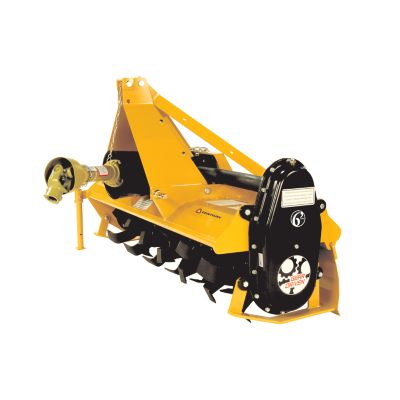
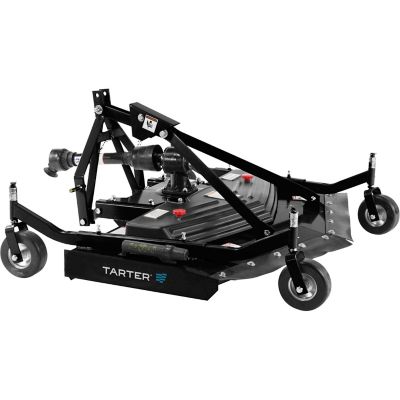
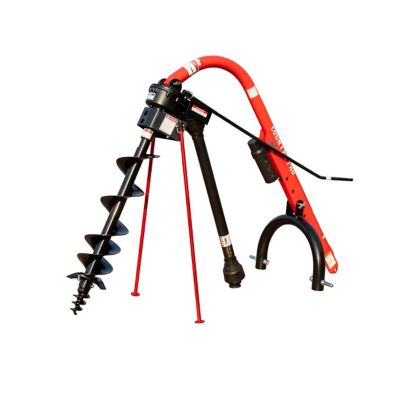
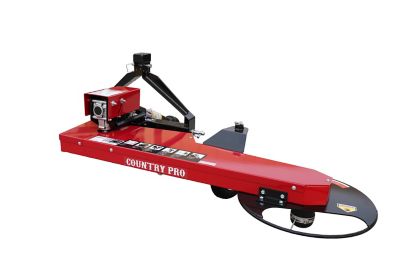
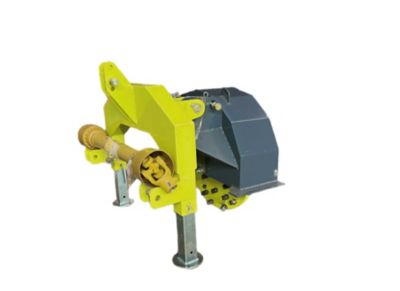
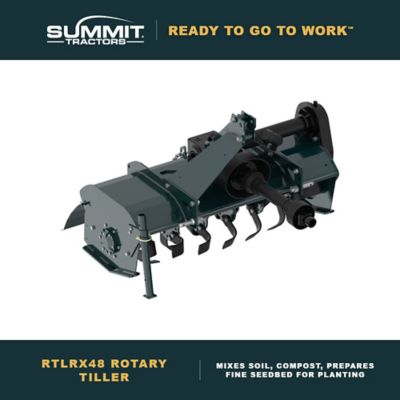
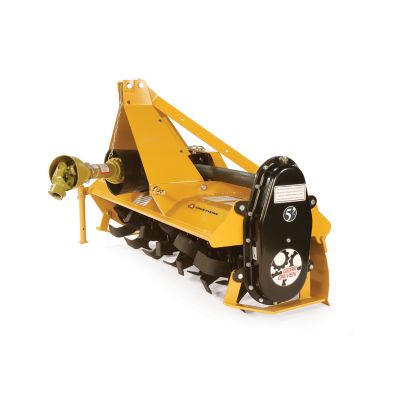
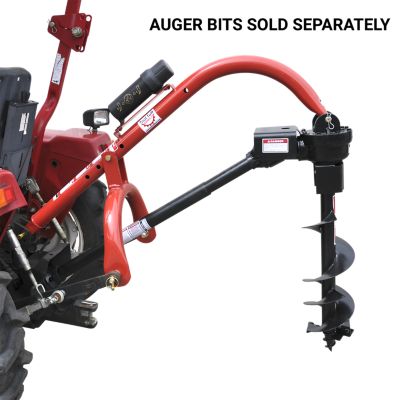
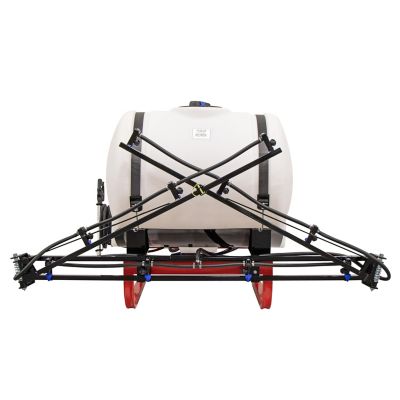
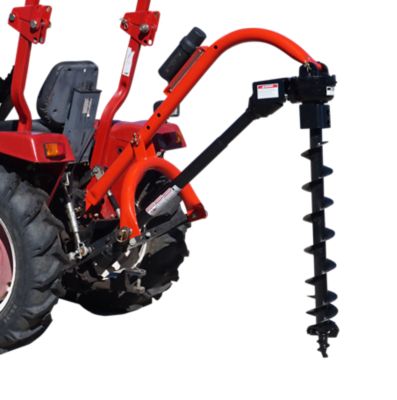
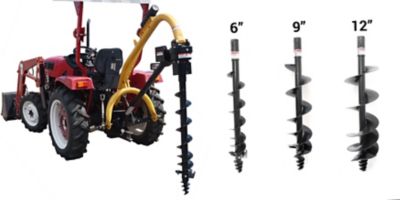
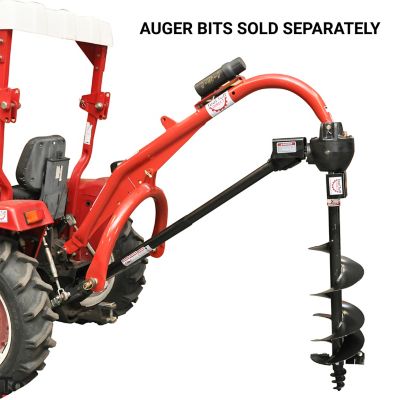
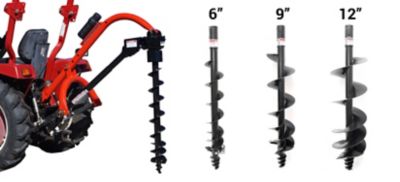
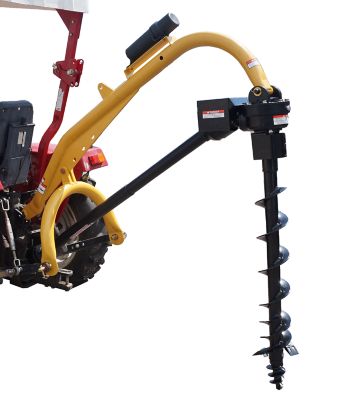
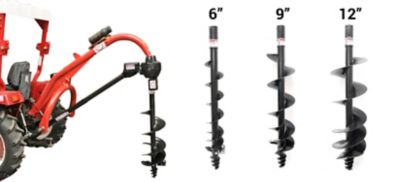
PTO-driven equipment turns a tractor’s engine power into working power for compatible attachments, helping one machine handle more of the jobs around a farm, acreage, or rural property. PTO stands for power take-off: a mechanical system that transfers power through a rotating output shaft and driveline to an implement. That rotation can run a mower’s blades, a tiller’s tines, or an auger’s digging action, depending on the attachment. A rear PTO speed of 540 RPM is common on compact and utility tractors, while some tractors and implements require 1,000 RPM or another specified speed. Matching those requirements matters; different PTO speeds are not interchangeable simply because an attachment can connect to the tractor. Many rear-mounted implements also connect to a three-point hitch, but the hitch and PTO do different jobs. The hitch supports and positions the attachment, while the PTO supplies rotational power. That combination puts a broad range of property work within reach, from keeping pasture growth in check to preparing a garden plot or digging holes along a fence line. Rotary cutting equipment suits taller field growth within its stated cutting limits, while finish mowing equipment is intended for a more even cut on maintained ground. Tilling attachments work soil for planting, and PTO-driven augers bring powered digging to compatible tractors. Each type has its own operating limits, ground requirements, and clearance needs. For someone managing several acres, tending livestock ground, or looking after a small farm, the appeal is straightforward: the tractor already provides the engine, traction, and operator station. A compatible implement gives that tractor another job without adding a separate engine to the attachment. The right match starts with the work itself, whether that means reaching an open stretch of pasture, working between established rows, or following a fence line with room to maneuver.
Fit involves more than lining up hitch pins. Tractor PTO horsepower, hitch category, lift capacity, attachment weight, and driveline specifications all help determine whether an implement belongs behind a particular machine. Engine horsepower and PTO horsepower are different ratings, so an attachment’s power requirement needs to match the tractor’s available PTO output rather than its engine rating alone. A wider working width may cover more ground in a pass, but it also needs enough power, clearance, and room to turn. On a property with narrow gates or closely spaced trees, a narrower attachment may make more sense than one that stretches beyond the practical working area. Weight deserves the same attention. An implement must fall within the tractor manufacturer’s lift and operating limits, with any required ballast or weight distribution addressed according to the manuals. Three-point hitch categories establish connection dimensions, and PTO shafts have their own spline, length, and connection requirements. A driveline that is too long can bottom out as the hitch moves, while one that is too short may not maintain enough overlap. Proper sizing and the full range of hitch movement are matters for the manufacturer’s instructions or a qualified equipment technician. Construction also tells part of the story. Steel frames, mounting points, gearbox housings, bearings, and working components take the loads created by cutting, digging, or turning soil. Heavier construction may suit demanding work, but extra weight is only helpful when the tractor can handle it safely. Access to grease fittings, gearbox service points, and replaceable wear components can make routine upkeep less of a chore. Depending on the implement, driveline protection may include a specified shear bolt, slip clutch, or overrunning clutch. Those parts serve different purposes and are not substitutes for one another. Taken together, these details help separate an attachment that merely connects from one that fits the tractor, the task, and the space where the work happens.
PTO equipment earns its place through repeated work, so care and safe operation are part of its long-term usefulness. Cutting edges, tines, auger teeth, bearings, and driveline joints all face wear, and their condition affects how smoothly an attachment runs. A mower working through dense growth puts different demands on its components than a tiller breaking compacted garden ground, which is why service schedules and inspection points vary by implement. Gearbox oil levels, lubrication intervals, fastener checks, and specified replacement parts belong to the equipment’s own maintenance requirements rather than a one-size-fits-all routine. Keeping soil and plant buildup from collecting around working parts also makes damage and leaks easier to spot once the machine is safely shut down. Protective storage, supported parking, and attention to exposed metal can help preserve an attachment between jobs. Before inspection, adjustment, or service, the PTO must be disengaged, the engine shut off, the key removed, and all moving parts allowed to stop, with the implement lowered or supported as directed by the manufacturer. Rotating PTO shafts present a serious entanglement hazard, so intact shields and guards are essential, and nobody should approach or step over a turning driveline. Loose clothing, drawstrings, and unsecured hair have no place near rotating equipment. Bystanders and animals also need to stay outside the implement’s specified operating area, especially around cutting equipment that can throw objects. For landowners and farm operators, these attachments make the most sense when their working capacity lines up with real chores rather than acreage alone. A small livestock property may need cutting equipment for paddock maintenance, while a market garden may put more emphasis on soil preparation. A property may also call for other
Outdoor Power Equipment where tight spaces limit tractor access. With the right fit and regular attention, PTO-driven equipment helps a tractor carry more of the workload across the property.