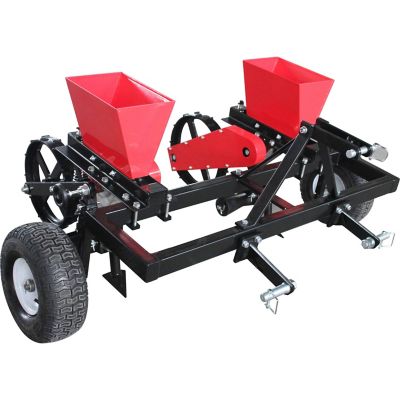
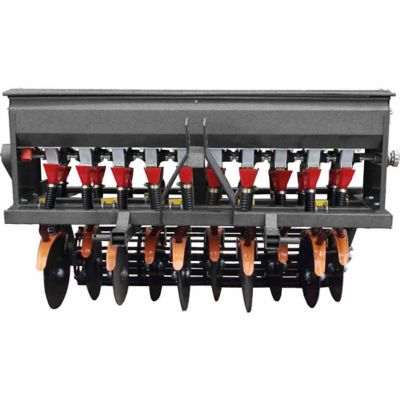
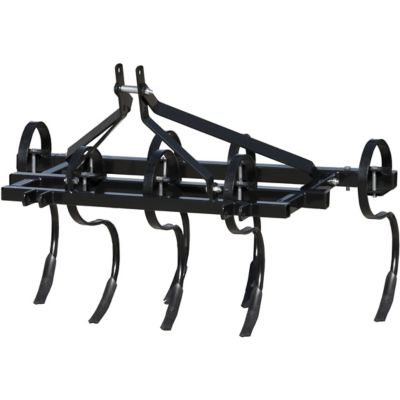
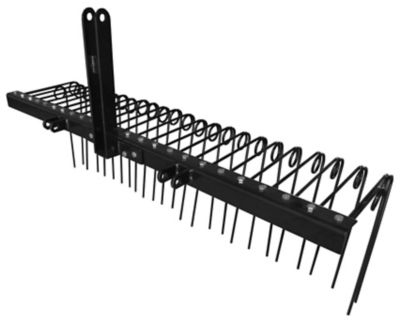
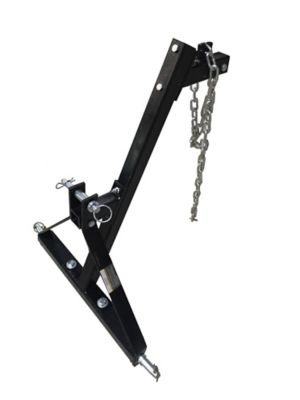
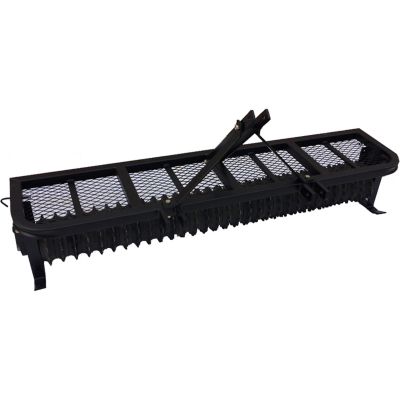
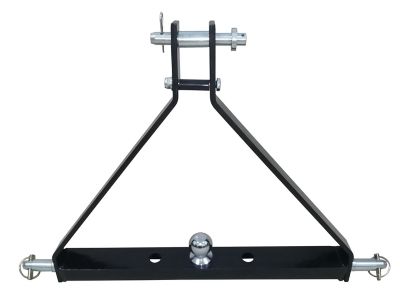
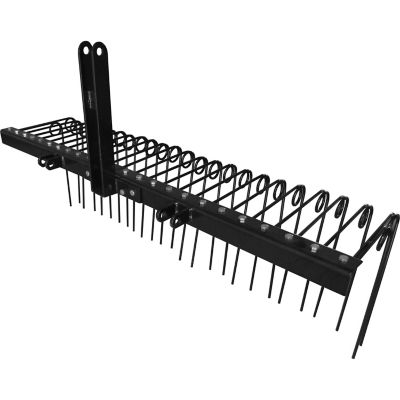
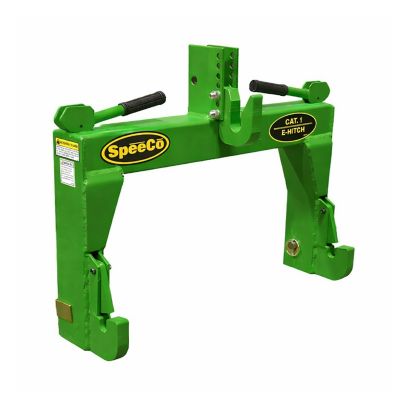
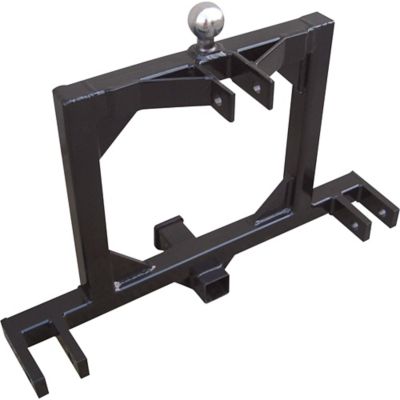
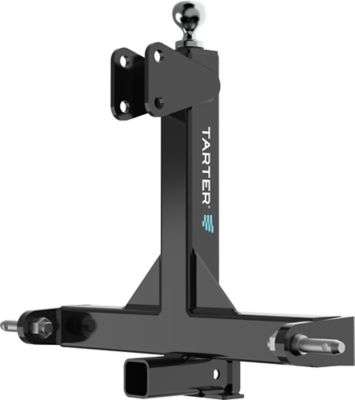
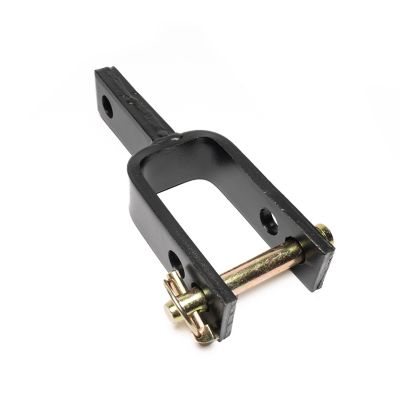
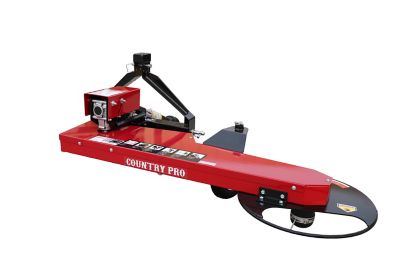
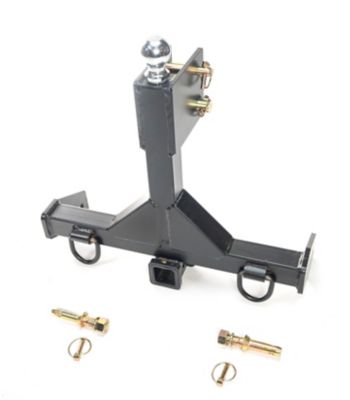
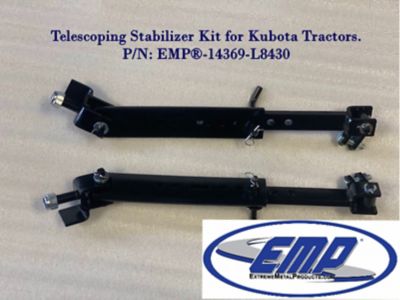
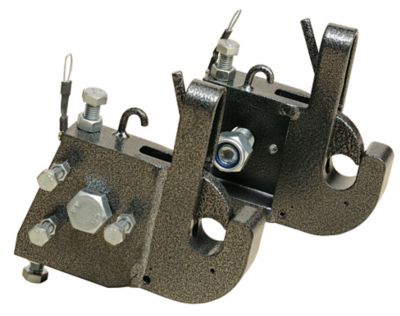
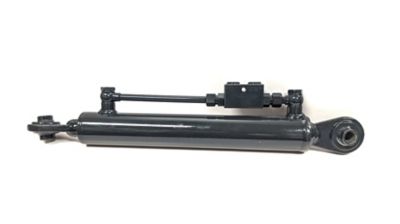
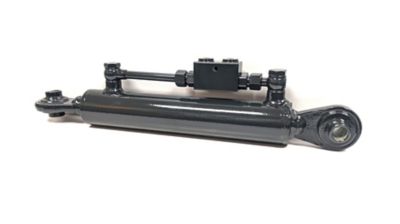
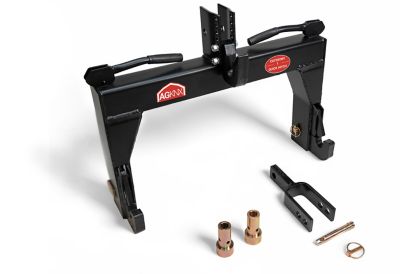
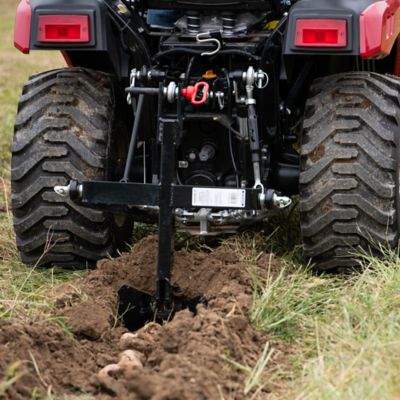
Three-point hitch equipment gives a tractor a practical way to handle all sorts of work around a farm, homestead, acreage or hunting property. These attachments connect at three points on the rear of the tractor: the two lower lift arms and the upper link. Once secured and adjusted, the tractor can raise, carry, pull or power the implement while the operator works from the seat. That setup makes one tractor useful for far more than pulling a wagon. Depending on the attachment, a three-point hitch can help smooth a rough driveway, clear tall grass and brush, prepare a garden bed, drill fence-post holes, move material or maintain a food plot. Box blades and land planes are handy for spreading gravel and knocking down washboards in a lane, while rotary cutters and mowers help keep fields, pond edges and overgrown corners under control. Tillers and cultivators work the soil for gardens and planting areas, and post-hole equipment can save a pile of backbreaking digging when it is time to repair a fence or add a new one. Pallet forks, drawbars and similar hauling tools can also make it easier to move firewood, feed, logs and other heavy loads around the property. Browse the selection of
Hitch Attachments to find equipment suited to the jobs waiting on your place.
Before choosing three-point hitch equipment, start with the tractor rather than the attachment. Check the operator’s manual or the hitch label for the tractor’s category, horsepower range and lift capacity. Category 0 equipment is generally made for garden tractors under about 20 horsepower and commonly uses 5/8-inch hitch pins. Category 1 is the most common size for compact tractors in the roughly 20- to 45-horsepower range and typically uses 7/8-inch pins. Category 2 equipment is intended for larger tractors, often around 40 to 100 horsepower, and commonly uses 1-1/8-inch pins. The ranges can overlap, so the numbers on a product listing should always be compared with the tractor manufacturer’s recommendations. A tractor needs enough horsepower to run an attachment without lugging the engine, but horsepower is only part of the picture. Measure the distance between the lower lift arms, confirm the pin sizes, and make sure the tractor can safely lift the attachment’s weight. For powered equipment, inspect the PTO speed and shaft requirements, including whether the driveline needs to be trimmed for a proper fit. Hydraulic connections, rear tire clearance, implement width and available ballast matter, too. A wide attachment may cover ground quickly, but it can be difficult to maneuver between trees or along a narrow lane. A heavier implement may leave a smoother finish, yet it also places more demand on the hitch and rear tires. Matching the attachment to the tractor helps prevent poor performance, unnecessary wear and the kind of roadside repair that tends to happen when the nearest tools are back in the barn.
Think about the work in front of you and the conditions of the property before settling on a style of three-point hitch equipment. Someone caring for a gravel drive may put a land-leveling attachment to work after heavy rain and again during the cooler months when ruts and potholes become more noticeable. A landowner with open acreage may rely on a rotary cutter to keep weeds, saplings and shoulder growth from taking over as the weather warms, while a gardener may use a tiller or cultivator to prepare a firm, clean seedbed. Fence builders and livestock owners often appreciate post-hole equipment, especially where dozens of straight, evenly spaced holes are needed. For a small farm, a general-purpose attachment can be a valuable gift for a new tractor owner, a first-time acreage buyer or anyone taking on more chores without adding another machine to the equipment shed. Before operating, walk the area and remove wire, rocks, branches and other hidden hazards. Keep people and animals well away from the attachment, disengage the PTO before getting off the tractor, and never work beneath raised equipment unless it is fully supported. Grease pivot points, check fasteners and driveline shields, and store attachments where moisture will not leave them rusted and ready to fail. With the right hitch category, a suitable horsepower match and a clear plan for the job, three-point hitch equipment can turn routine property maintenance into steady, manageable work from one season to the next.