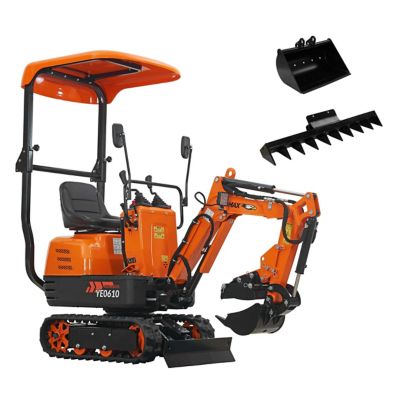
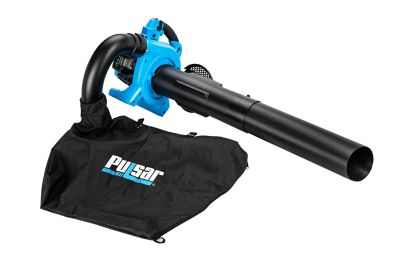
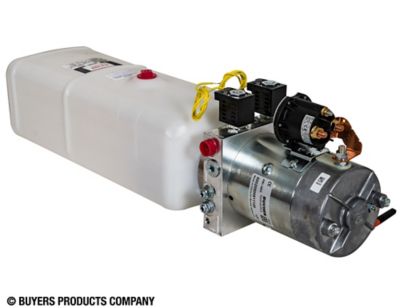
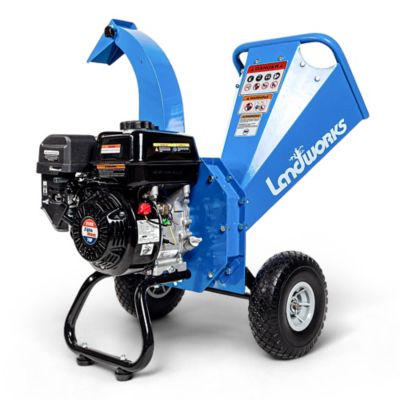
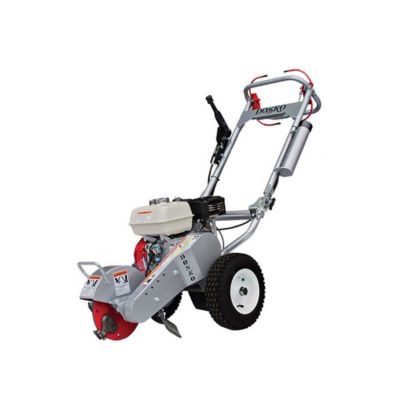
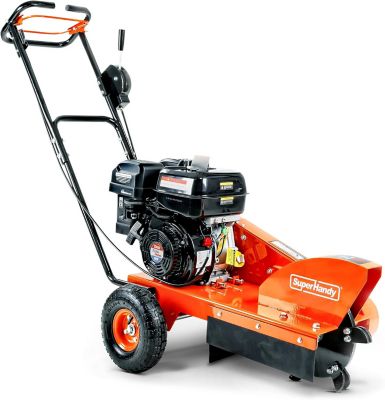
Compact power equipment brings digging, lifting, grading, hauling, and land-clearing capability to properties where a full-size machine may be more than the job calls for. The category includes compact tractors, mini excavators, skid steer loaders, compact track loaders, and compact utility loaders, along with machines built for tasks such as trenching, stump grinding, and branch chipping. For acreage owners, livestock keepers, landscapers, and small construction crews, that smaller footprint can make work around barns, fence lines, driveways, and outbuildings easier to manage. A pile of gravel beside the lane, a stretch of fence needing new post holes, or a planting area full of stubborn roots all call for different equipment capabilities. Compact tractors can handle a range of property chores through compatible implements, while loader-equipped configurations add material-moving capability. Mini excavators concentrate on digging and trenching, with a boom and bucket that can reach into areas where positioning a larger machine would be difficult. Skid steer and compact track loaders pair material handling with attachment versatility, making them useful for moving soil, loading debris, and preparing work areas. Compact utility loaders often suit projects with tighter access, though operating arrangements and dimensions vary by model. Dedicated trenchers, stump grinders, and chippers focus their power on a particular kind of work rather than covering every chore around the place. The right match depends on the task, the ground, and the room available to work—not simply the smallest machine or the highest horsepower figure. A narrow gate is only one part of access; turning space, overhead clearance, slopes, and the route between the equipment shed and the work area matter, too. That makes compact power equipment a practical category for folks who need capable machinery without the working footprint of larger agricultural or construction equipment.
Machine fit goes beyond whether the tires or tracks clear a doorway. Overall width, height, operating weight, ground clearance, and attachment reach all affect how equipment fits a property and the work expected of it. A loader traveling between a barn and a fence needs enough clearance for the machine and its attachment, plus room to maneuver safely. Equipment working near lawns, septic systems, buried utilities, or paved surfaces brings additional concerns about ground loading and site protection. Tracks and tires behave differently across surfaces, and ground pressure depends on the machine, its footprint, and the load it carries. Horsepower helps describe available power, but it does not tell the whole story. Hydraulic flow and pressure influence attachment performance, while lift ratings, digging depth, breakout force, and power take-off requirements describe other parts of a machine’s capability. For material handling, the manufacturer’s ratings and load charts matter more than the size of the bucket or the appearance of the load. Attachment compatibility is just as important: mounting systems, hydraulic connections, electrical requirements, and machine limits all need to match. A bucket, grapple, auger, or mower attachment can broaden the work a machine handles, but only when the combination is approved for that equipment. Construction details also deserve attention. Steel frames, reinforced loader arms, protected hydraulic lines, replaceable cutting edges, and serviceable wear points can help equipment stand up to repeated contact with soil, gravel, roots, and brush. Materials alone do not determine how a machine holds up; design, operating habits, and maintenance all play a part. Operator space rounds out the fit. Clear sightlines, reachable controls, suitable seating or standing platforms, and manageable entry and exit can make a meaningful difference during repeated trips between a material pile and a work area. Those details matter whether the operator is tending a few acres or handling property work day after day.
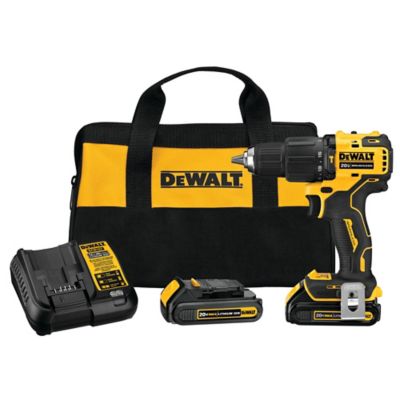
Care and storage are part of owning compact power equipment, not chores separate from it. Dirt packed around cooling components, material caught near moving parts, and neglected grease points can turn ordinary work into unnecessary downtime. Accessible filters, clearly marked service points, readable fluid checks, and straightforward access to belts or other service components help keep routine attention manageable. Maintenance schedules differ by machine, so fluid types, lubrication intervals, filter changes, and inspection procedures belong with the manufacturer’s instructions rather than guesswork. Buckets, teeth, cutting edges, tracks, tires, hoses, and attachment pins also need regular inspection for wear or damage. A machine that spends its days pushing gravel has different wear patterns from one that mainly carries feed or handles brush. Cleaning off packed material after work and storing equipment in a suitable, secure space help protect components and make problems easier to spot before the next job. Transport deserves the same attention as operation: the machine’s weight, attachments, trailer capacity, towing limits, and approved tie-down points all factor into moving equipment between properties. Safe operation also depends on training, the protective features supplied with the machine, and keeping people and animals clear of the work area. Excavation calls for utility locating and any required permissions before digging, even when the trench seems small. For repairs and finishing jobs that do not call for a machine,
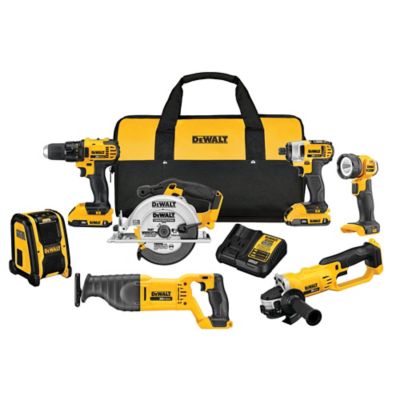
Compact Tools can complement the larger equipment setup without taking up much space in the shop. The aim is a workable combination of machinery, attachments, and everyday tools that suits the property. When equipment matches the access, workload, and operator, compact power can take on demanding chores while leaving room to get around the barnyard, along the fence, and through the rest of the day’s work.