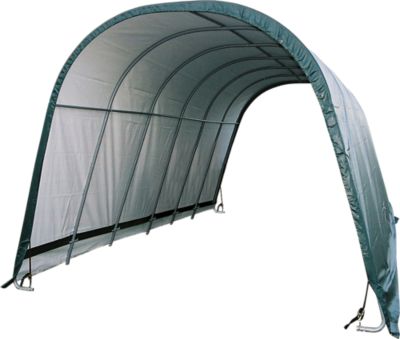
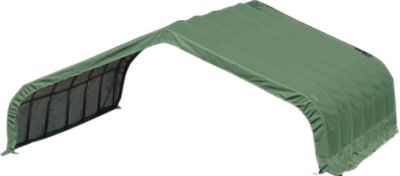
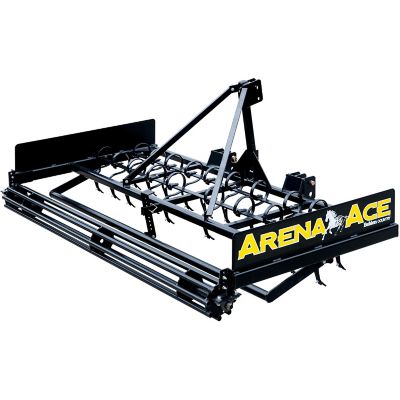
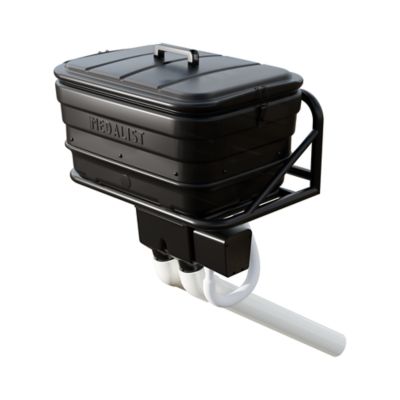
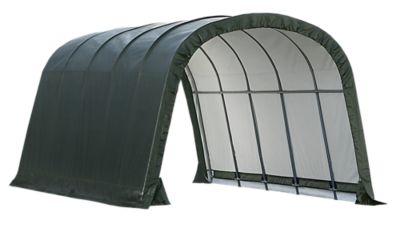
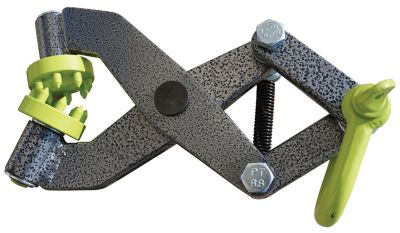
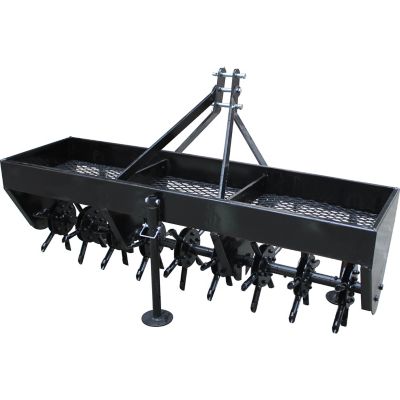
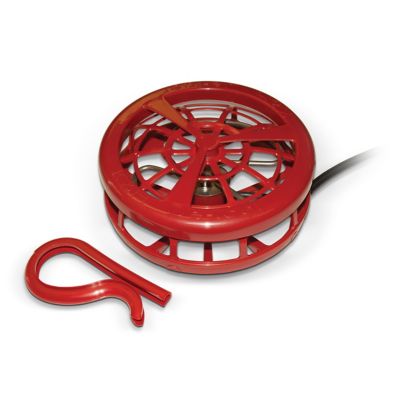
Horse farm equipment includes the machinery, barn hardware, feeding and watering supplies, fencing, and handling equipment that support horse care and property upkeep. It serves everyone from families keeping a few horses on acreage to boarding barns, training facilities, and working farms with several pastures to manage. The right setup depends on the number of horses, the layout of the property, and the work that happens every day. On a smaller place, equipment that moves easily through narrow gates and stores along a barn wall may make more sense than a larger machine. On a bigger operation, lifting capacity, working width, and compatibility with existing machinery become more important. Tractors and attachments can help with material handling, pasture maintenance, and moving bedding or manure, but size alone does not tell the whole story. Tractor horsepower, hitch configuration, hydraulic requirements, and attachment weight all need to match the work and the manufacturer’s specifications. A machine also needs room to turn, travel between work areas, and reach its destination without squeezing past fence posts or barn corners. A wide implement might cover open ground efficiently yet be awkward in a small paddock with several gates. Equipment weight matters, too, especially where repeated traffic can leave ruts or compact the ground. For horse properties, practical handling features often matter as much as raw capacity: clear visibility, manageable controls, and attachment connections that suit the operator’s routine. Keeping horses separated from active machinery helps protect both animals and people, whether the job is moving material near the barn or maintaining an empty pasture. Fence and gate hardware should suit the enclosure, the pressure it may encounter, and the way horses and handlers move through it. Smooth transitions between lanes, gates, and work areas can reduce unnecessary backing, lifting, and walking. Horse farm equipment earns its place by fitting the property’s everyday rhythm, not simply by being the biggest piece of machinery in the shed.
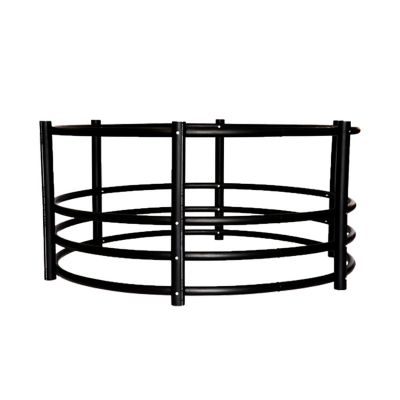
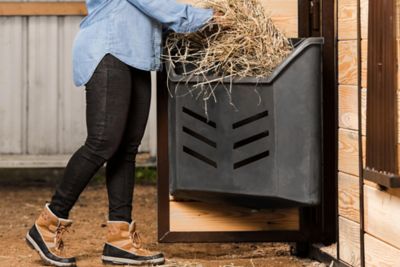
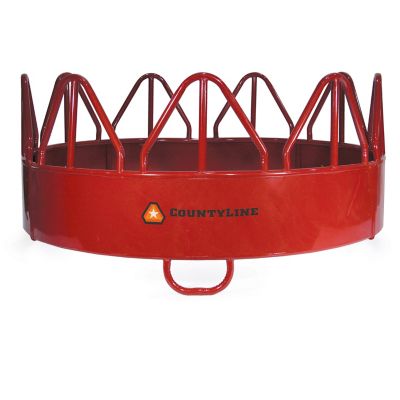
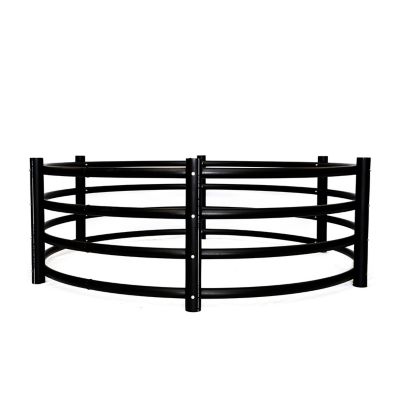
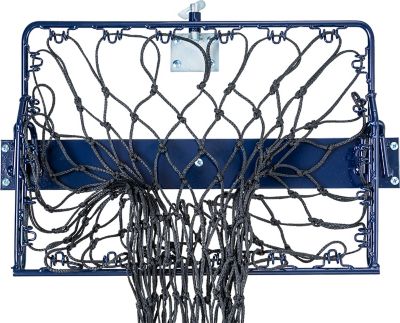
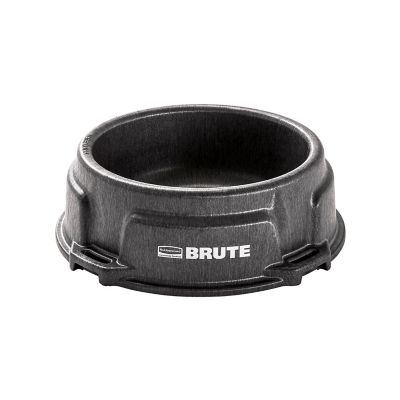
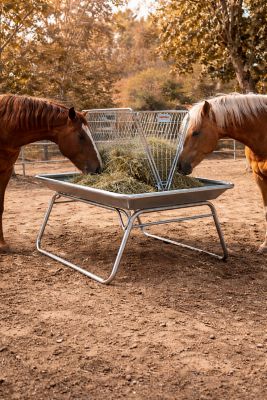
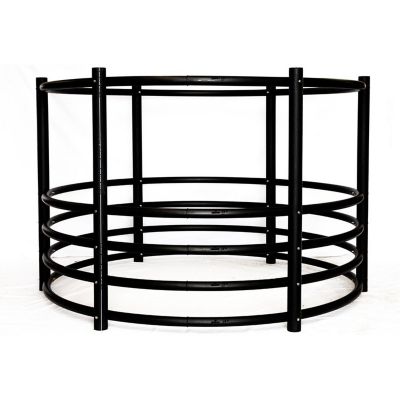
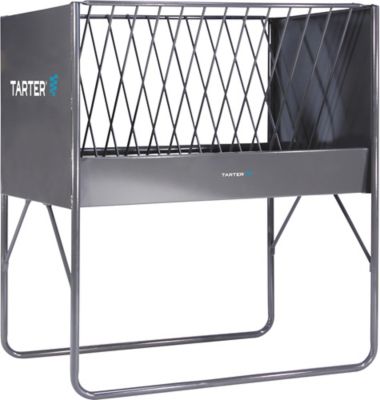
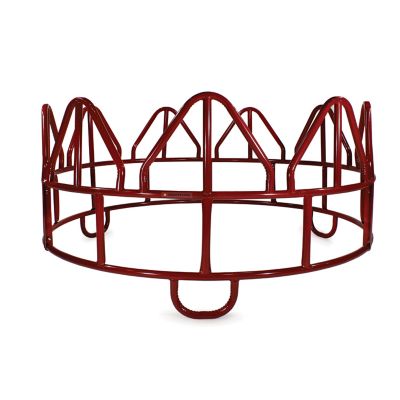
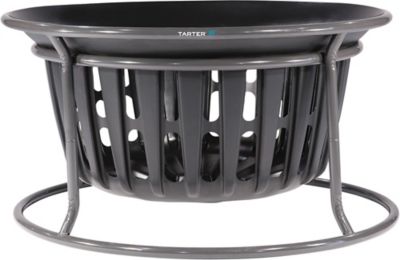
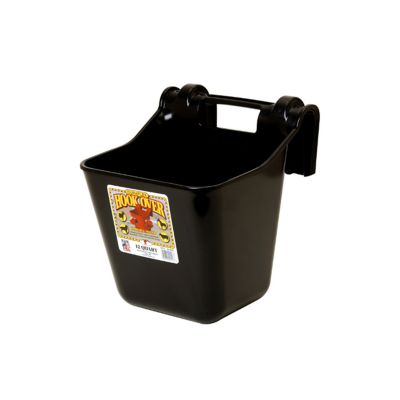
Around the barn, horse farm supplies need to balance convenient access with careful placement and straightforward cleaning. Feeding and watering equipment should suit the horse’s size, feeding arrangement, and location, whether care takes place in individual stalls or shared turnout areas. Openings, mounting points, and nearby hardware deserve close attention so they do not create places where a hoof, head, or halter could catch. Horses sharing a space also need an arrangement that accounts for crowding and competition; one horse guarding a feeding area can change how well the whole setup works. Equipment positioned along a busy aisle should leave enough clearance for a handler leading a horse, rather than turning a routine trip into a tight squeeze. Materials make a difference in how these supplies feel, clean up, and hold their shape. Steel offers strength for many frames and support structures, while protective finishes help limit corrosion when surfaces contact moisture from washing or barn chores. Aluminum can reduce weight where frequent carrying or repositioning is part of the job. Molded plastic and rubber components can be easier to handle in some applications, though their suitability depends on the load, attachment method, and intended contact with animals. Smooth, accessible surfaces make residue easier to remove, and removable components can simplify cleaning when their design allows it. Equipment intended for feed or drinking water should be made for that purpose and maintained according to its care directions. Cracked surfaces, sharp edges, loose fasteners, and damaged coatings are signs that something needs attention before it goes back into service. Fit matters beyond the horse itself: mounting surfaces must support the load, connections must match, and equipment needs to sit securely rather than rock or shift. For a barn manager caring for several horses, these details affect every chore. For a family tending a single horse, they can mean less wrestling with awkward equipment and more time spent checking that the animal is eating, drinking, and moving comfortably.
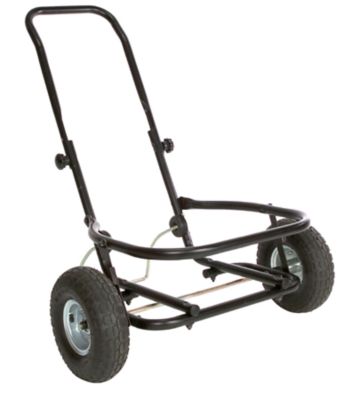
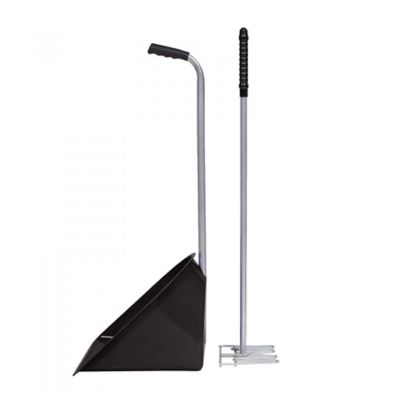
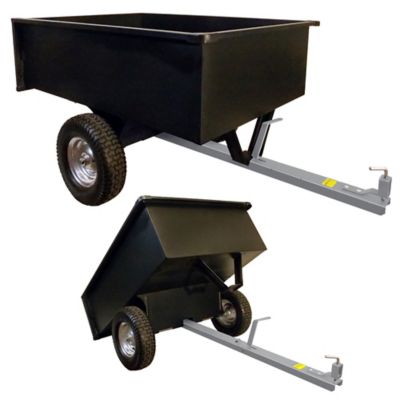
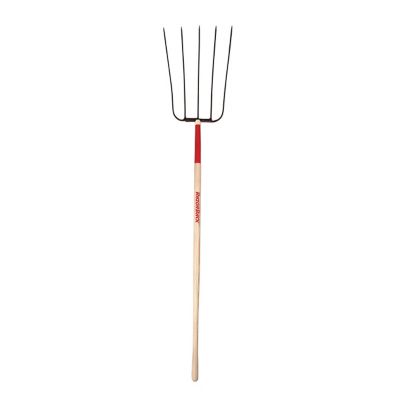
Manure handling, stall care, and general maintenance bring another side of horse farm equipment into the daily routine. Capacity is useful only when the load stays manageable from the stall to the designated disposal or composting area. A setup that holds more material may still slow the job if it is difficult to steer through a doorway or unload at the other end. Wheel size, balance, handle position, and grip all affect how equipment moves across aisle surfaces and established paths. Someone cleaning several stalls will notice those details long before the last load leaves the barn. For jobs that need a closer touch,
Hand Tools For Farm Use complement larger equipment by helping with everyday cleanup, minor repairs, and upkeep around gates and work areas. Handle length and tool weight should suit the person doing the work, with enough control for the task rather than extra heft that adds strain. Shared equipment benefits from a designated storage spot away from horse traffic, where working edges and handles will not become obstacles. Cleaning off manure, bedding, and feed residue before storage makes inspection easier and helps keep moving parts from becoming packed with debris. Lubrication points, tires, bearings, hoses, and fasteners need attention at the intervals listed by the manufacturer, while worn components should be replaced with parts specified for the equipment. Keeping care instructions and compatibility details together is handy when several people share chores or operate the same machinery. Owners expanding a horse property may need more carrying capacity or equipment that works across several enclosures, while those setting up a first barn often benefit from equipment that keeps daily care simple and organized. In either case, intended use should lead the decision. Equipment that fits the horse, the handler, and the space helps make feeding rounds, stall cleanup, pasture work, and small repairs more manageable, from the first chore of the day to the final barn check.