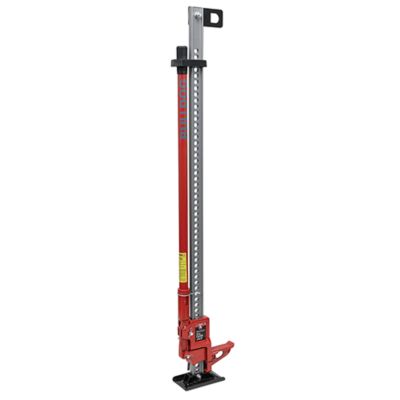
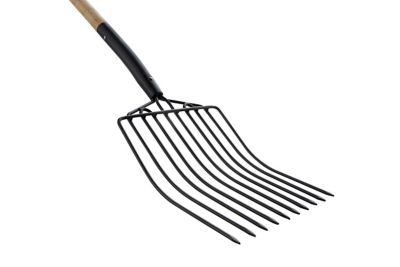
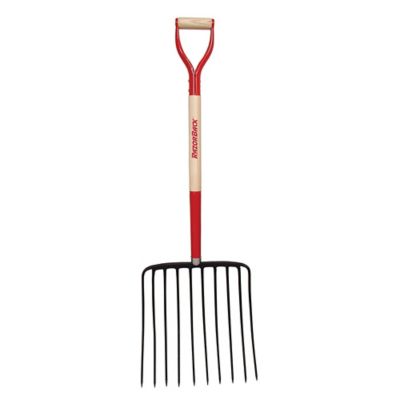
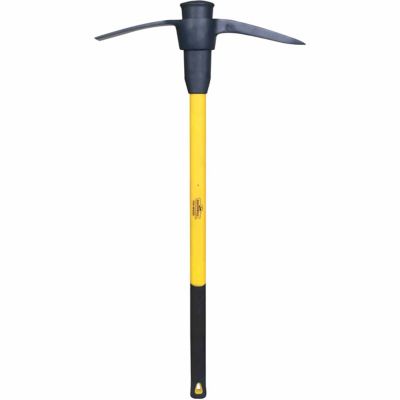
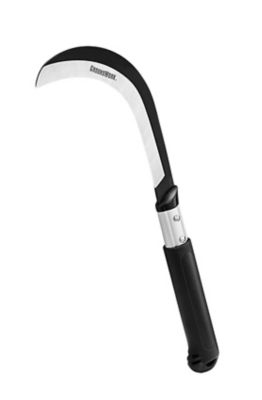
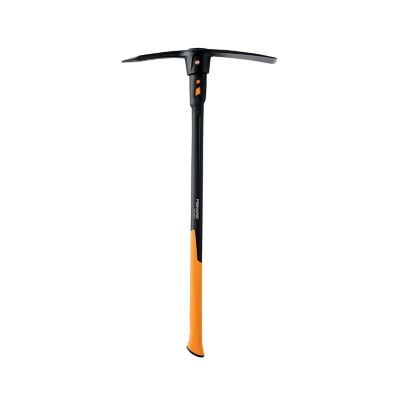
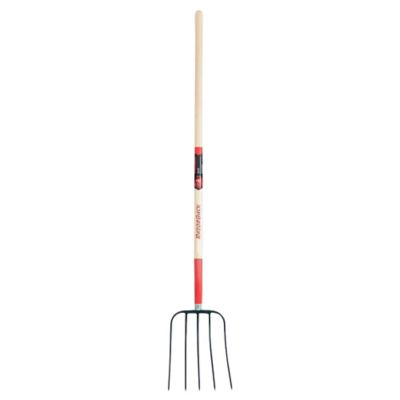
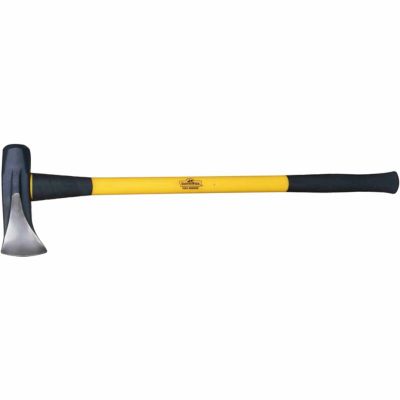
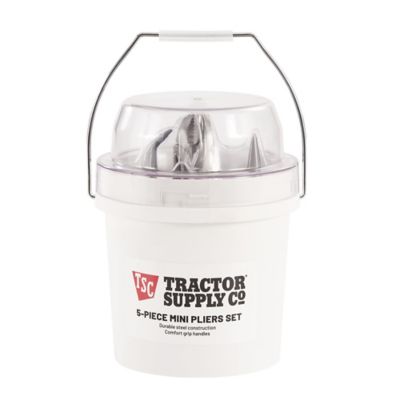
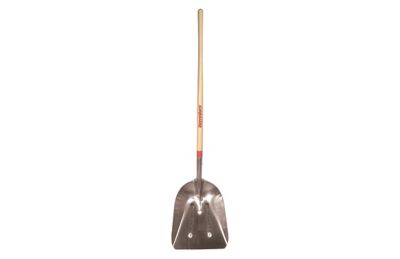
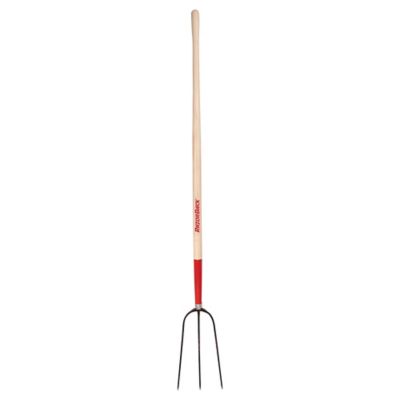
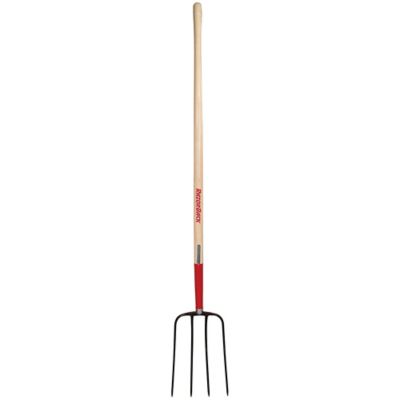
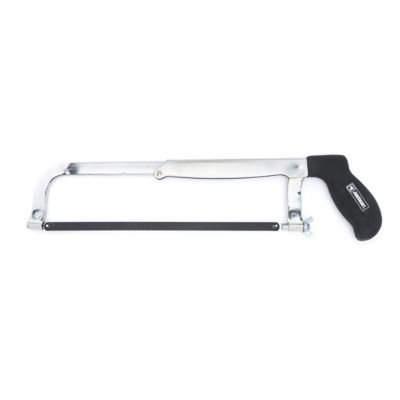
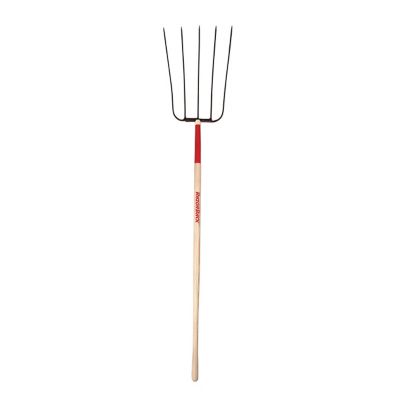
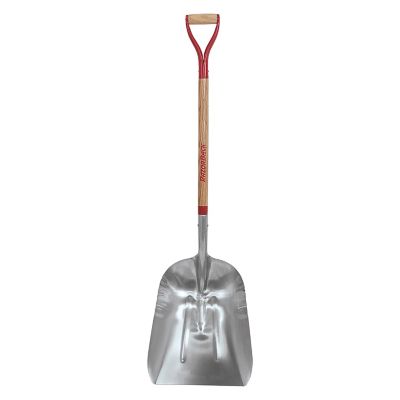
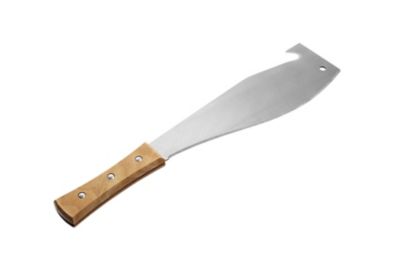
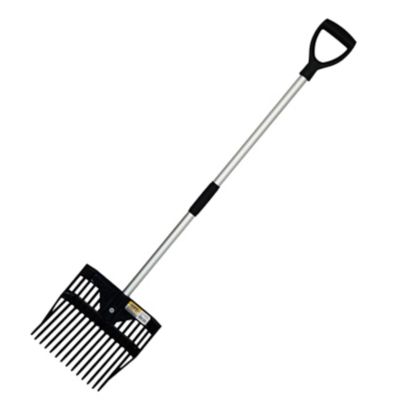
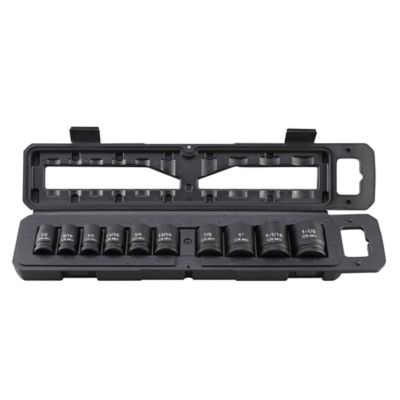
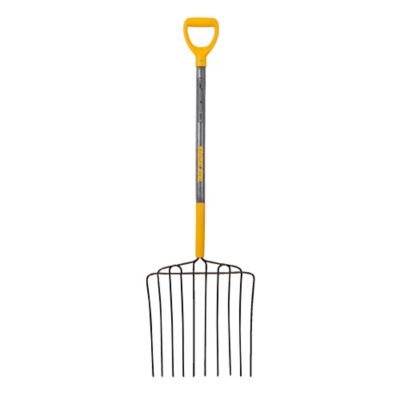
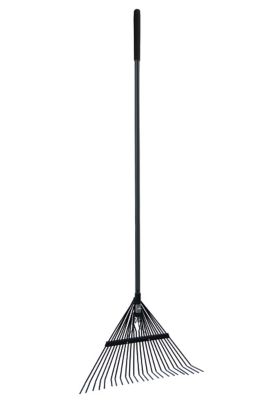
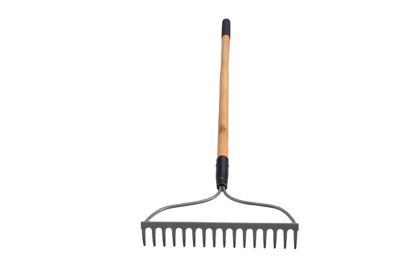
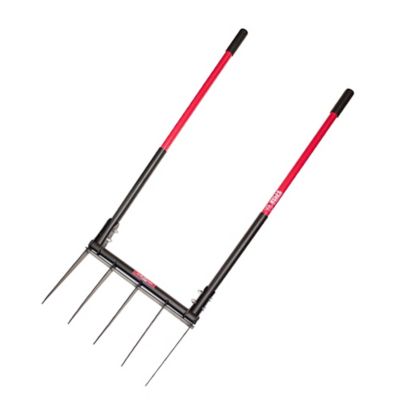
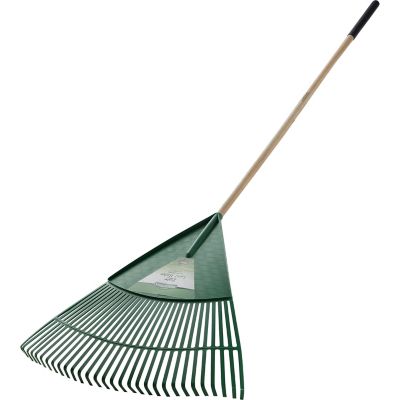
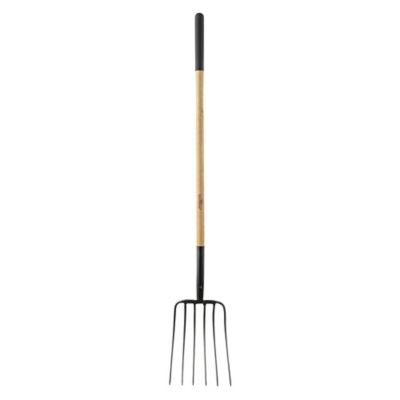
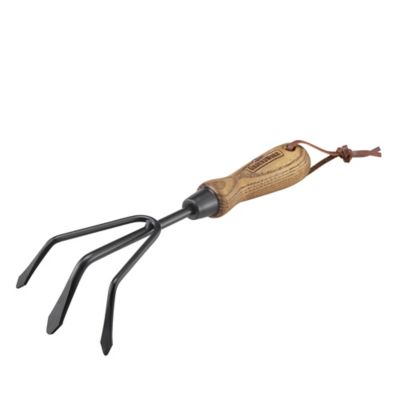
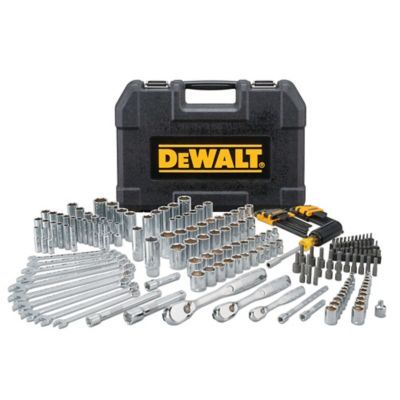
Hand tools for farm use generally fall into four groups: digging and soil preparation, cutting and pruning, fence work, and everyday repairs. Together, these tools support the small jobs that keep a farm, ranch, or homestead running, from opening a planting hole beside the garden to tightening hardware on a barn door. Digging tools move soil, break ground, and clear narrow spaces, while rakes and forks help gather loose material or spread bedding. Cutting tools handle tasks such as trimming branches and cutting cord, with different blade shapes suited to different materials. Fence tools help grip wire, pull staples, and make adjustments around posts and gates. Striking, gripping, and fastening tools round out the workbench for repairs around pens, sheds, and equipment storage areas. The right mix depends more on the property and its chores than on having the biggest collection. A vegetable grower may reach for soil-working tools every day, while a livestock keeper may spend more time on gate hardware, fencing, and stall upkeep. On a mixed property, a few well-matched tool types can cover plenty of ground without crowding the shop. Intended use matters down to the working end: a narrow blade fits a different job than a broad scoop, and a short handle offers different control than a long shaft. Carrying loose material, slicing through roots, and loosening packed ground place different demands on a tool, even when the jobs happen within a few feet of each other. Head shape, reach, balance, and leverage all affect how comfortably a tool handles the task. That distinction matters when there is a row of planting holes to finish or several gates needing attention. Farm hand tools earn their place through practical fit, whether the work takes place in a small backyard plot, along a pasture fence, or across several busy outbuildings. They also offer close control where a larger piece of equipment cannot fit, such as beside established plants or around a crowded gate opening.
Materials and construction help determine how a farm hand tool feels in the hand and holds up over time. Steel working ends are common for digging, striking, and gripping jobs, but thickness, shaping, heat treatment, and the connection between the head and handle all matter. Forged construction can provide strength at heavily stressed points, while protective finishes help limit surface corrosion when properly maintained. Stainless steel can be helpful where frequent contact with soil and moisture makes cleanup a regular chore, though no metal benefits from being put away dirty. Handle materials bring their own trade-offs. Wood has a familiar feel and can offer a replaceable handle on some tool designs; it also needs attention to splinters, cracks, and loosening around the head. Fiberglass handles resist moisture absorption, but damaged shafts still call for inspection and replacement when needed. Steel handles may suit demanding applications, with overall weight and grip design playing a big role in comfort. A cushioned grip can soften contact with the hand, but its shape should still allow a secure hold without forcing the wrist into an awkward position. Fit becomes especially noticeable during repeated motions. A handle that is too short can leave a taller person bent over, while an oversized grip may tire smaller hands. Gloves add another layer to that fit, especially around narrow handles, moving joints, and release mechanisms. Balance matters as much as total weight: a heavier working end may help with a particular striking task, but extra weight is not automatically an advantage for precision work or long stretches of carrying. Care requirements are worth considering alongside construction. Soil caught around a socket, residue on a blade, or grit in a pivot can make ordinary work harder. Clean working surfaces, dry storage, appropriate lubrication, and sound cutting edges help preserve performance. Loose heads, cracked handles, chipped striking faces, and worn gripping surfaces deserve attention before the next chore, not after a tool slips in the middle of one.
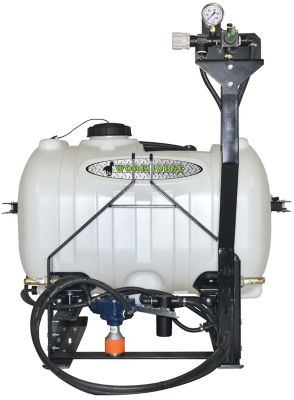
Around a working property, the best tool for the job is also the one designed for the material and movement involved. Wire-cutting capacity, jaw opening, blade length, and fastener size are useful details when matching hand tools to fencing and repair work. A gripping tool that fits neatly around gate hardware offers better control than one barely catching the edges, and a digging blade with a comfortable foot step can make repeated planting work less awkward. Tools intended for pulling, prying, striking, or cutting are not interchangeable simply because they fit into the same toolbox. Their intended applications help keep force where it belongs and reduce unnecessary strain on both the tool and the person holding it. That matters for experienced farmhands and for acreage owners building a practical collection one task at a time. Portability matters, too. A compact group of task-matched tools is easier to carry out to a fence corner than a box packed with equipment meant for unrelated repairs. Back at the shed, visible storage and enough room to protect cutting edges make it easier to spot missing tools and notice damage. Shared tools benefit from simple organization, especially when several people handle chores across different areas of the property. For work involving targeted watering or the application of labeled lawn and garden treatments,
Sprayers Farm Tools is another category worth considering alongside soil-working and maintenance equipment. Hand tools can also make practical gifts for an adult gardener, livestock keeper, or new property owner when the selection reflects a real task and the recipient’s preferred handle length, grip, and working style. A familiar pattern with a comfortable fit often matters more than extra features that never leave the shed. From tending a garden bed to keeping a latch working smoothly, thoughtfully matched farm hand tools support the steady, hands-on work that gives every property its own rhythm.