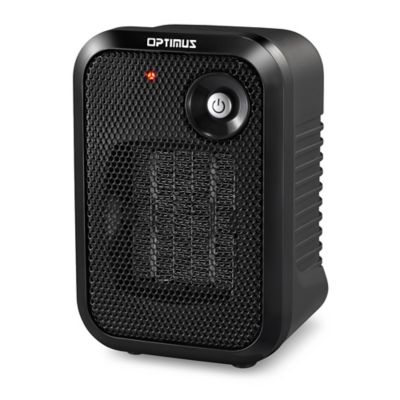
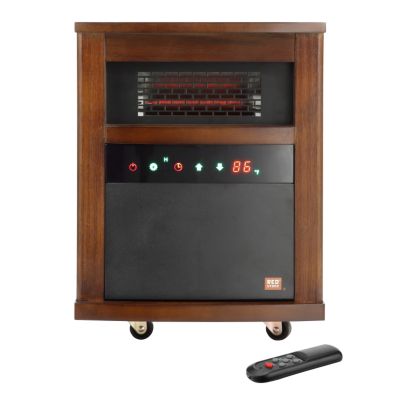
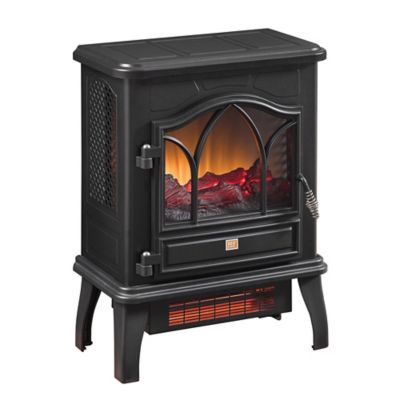
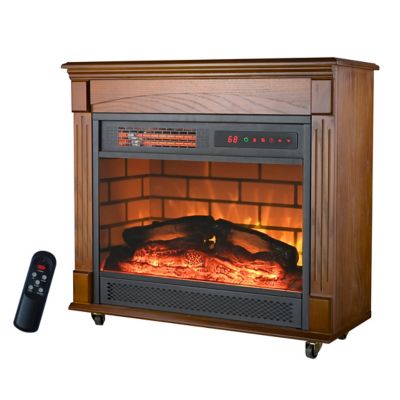
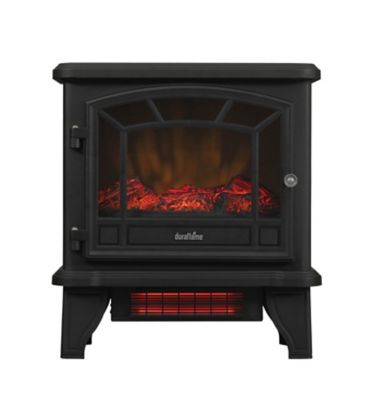
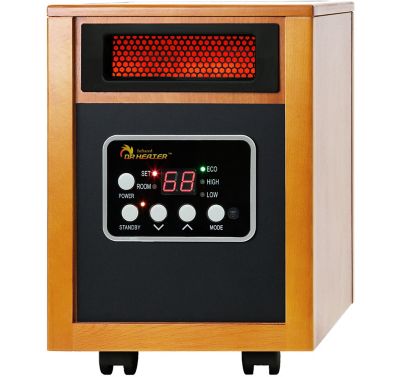
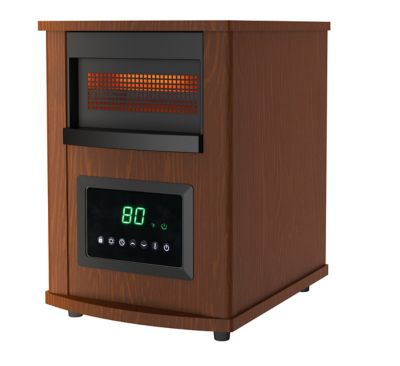
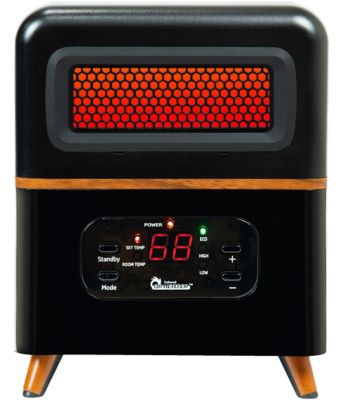
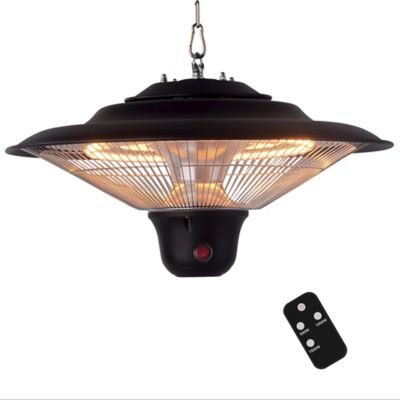
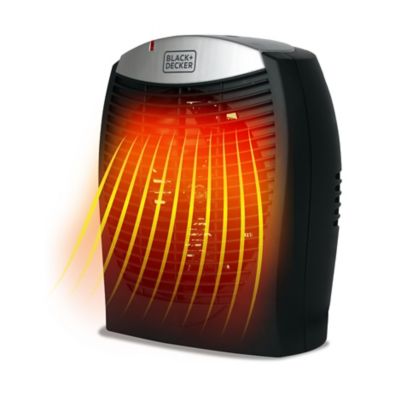
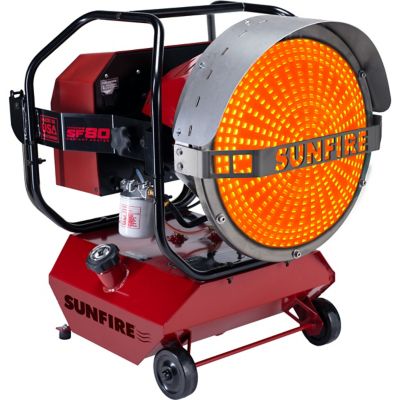
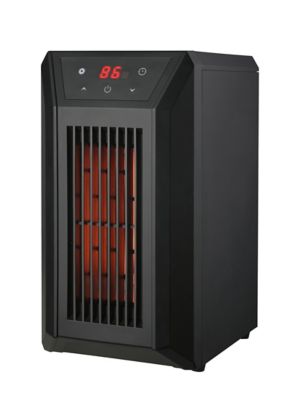
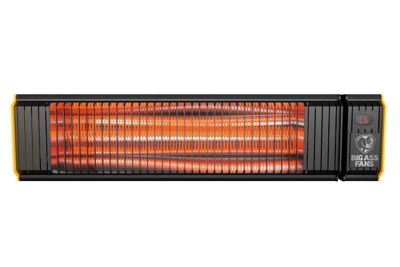
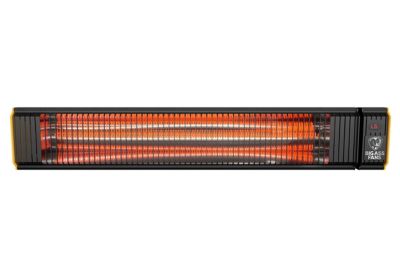
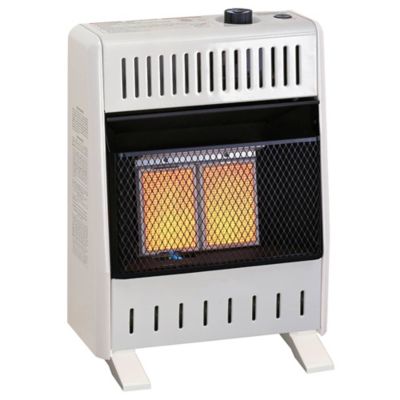
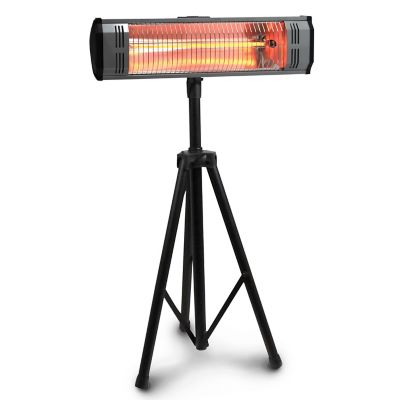
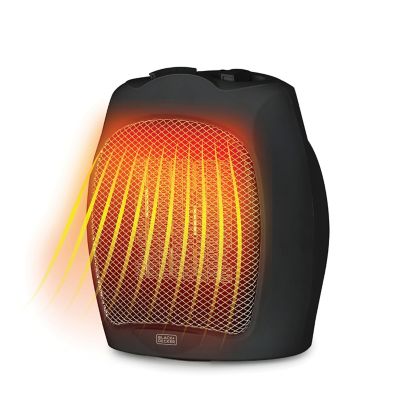
Portable infrared heaters provide supplemental warmth by sending radiant energy toward people and surfaces in their path. That makes them a practical fit for a reading chair near a drafty window, a home office that never quite catches up with the furnace, or a seating area where a little extra heat makes the evening more comfortable. Rather than depending entirely on warming the surrounding air, infrared heating delivers warmth that can feel a bit like sunshine through a window. The experience varies with the heater’s design: an exposed radiant element generally provides more noticeable directional warmth, while an enclosed infrared cabinet may combine heating elements with a fan to circulate warmed air. Portable electric infrared heaters are zone-heating appliances, not substitutes for a home’s central heating system or protection against frozen plumbing. Their performance depends on insulation, ceiling height, drafts, room layout, and the distance between the heater and the person enjoying its warmth. A closed spare bedroom presents a different job than an open living room connected to a hallway and kitchen. Advertised coverage figures are worth weighing against those real conditions rather than treating a square-foot rating as a promise for every space. Many household electric models operate on 120-volt power and offer a maximum setting around 1,500 watts, though the appliance label determines the actual requirements. At the same wattage, electric resistance heaters produce roughly the same total heat; the element arrangement, fan, and housing influence how that warmth reaches the room. Infrared technology alone does not mean a heater can warm an entire farmhouse on less electricity than another electric heater delivering the same amount of heat. Its appeal is putting supplemental warmth where it serves a purpose, whether that is beside a desk while handling farm paperwork or across from a chair after outdoor chores. For direct radiant warmth, a clear path matters: a sofa, desk panel, or other large object between the heater and the seating area can block much of the benefit.
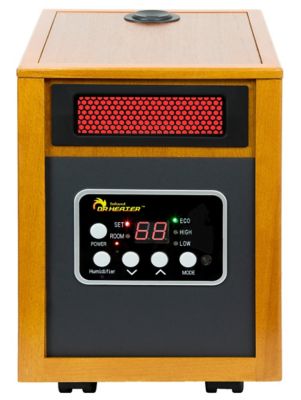
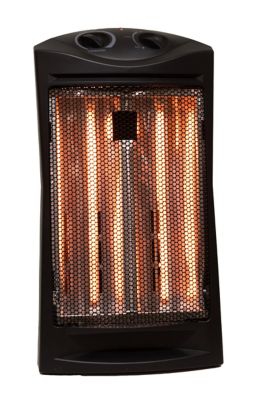
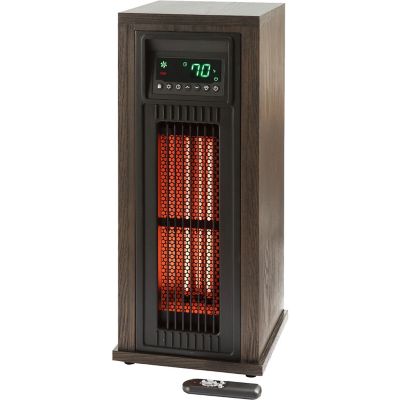
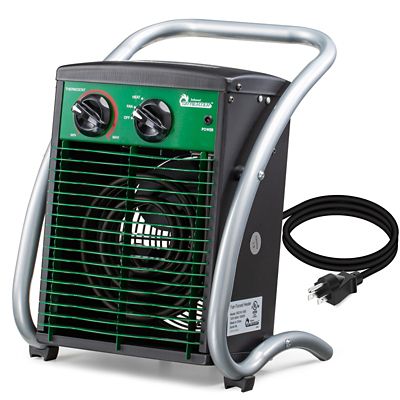
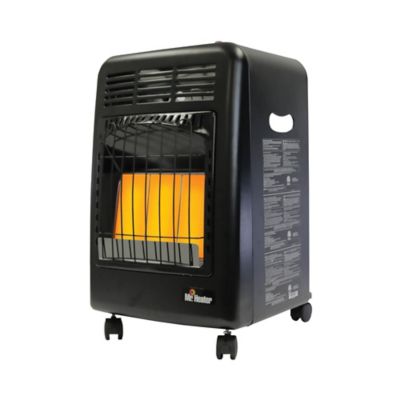
Size, shape, and controls make a difference when a portable infrared space heater becomes part of an everyday room. A low cabinet with casters can be easier to reposition between suitable locations on the same floor, while a carry handle may suit a smaller unit that needs to move between rooms. Check the weight along with the dimensions, especially when stairs or raised thresholds are part of the route. A tall, narrow housing takes up less floor space, but it still needs a stable base and the clearances stated in its manual. Neither wheels nor a compact footprint makes a heater suitable for a crowded walkway. Metal housings, molded outer shells, and furniture-style cabinets each bring a different look and feel; construction around the base, handle, grille, and controls matters more than appearance alone. Quartz tubes are common in infrared heaters, although element designs vary, and the presence of quartz does not by itself establish heating reach or room coverage. A thermostat helps regulate operation around a selected temperature, while multiple heat settings provide flexibility when full output is not needed. Thermostat readings reflect conditions near the sensor, so the temperature beside a drafty door may differ from the temperature at a chair across the room. Timers, remote controls, and easy-to-read displays can make operation more convenient, but they do not replace supervision. Fan-assisted models may produce an audible hum, and some radiant elements give off a visible glow, both worth considering for a quiet sitting room or television area. Oscillation, where included, spreads the direction of radiant warmth rather than increasing the heater’s total output. An indoor electric heater also needs a suitable electrical outlet; it is not automatically a match for an open equipment shed or a porch. For spaces without convenient electrical service,
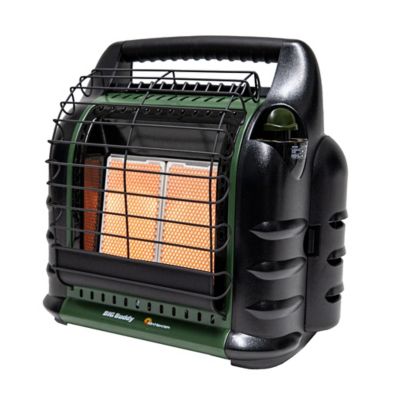
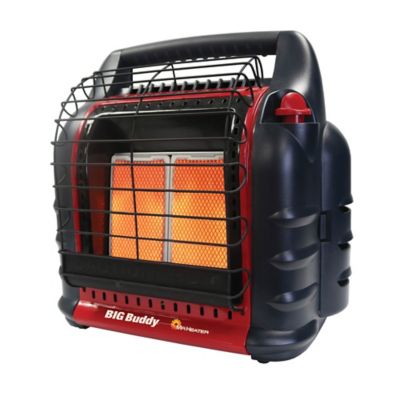
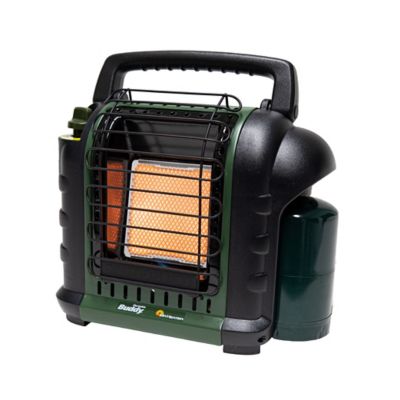
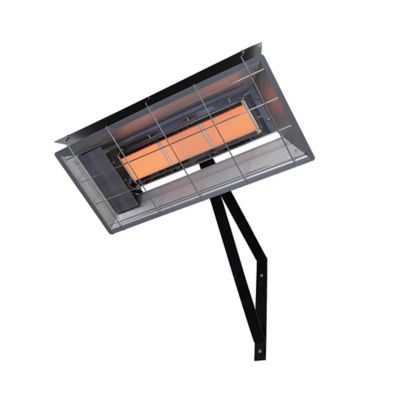
Portable Propane Radiant Heaters represent a separate fuel-powered option with different placement, ventilation, and operating requirements. Fuel-burning heaters require explicit approval for the intended setting, and outdoor-only equipment must stay outdoors.
Safe placement and straightforward care are central to getting dependable service from a portable infrared heater. Set the appliance on a firm, level surface in the operating position its manufacturer specifies, with at least three feet between it and anything that can burn, or more if the manual requires it. Curtains, bedding, upholstered furniture, papers, and baskets of laundry all need to stay clear. A heater should never become a drying rack for damp gloves, chore coats, or towels. Keep children and pets away from hot grilles and heating elements, even when an outer cabinet is described as cool to the touch. Tip-over protection and automatic overheat shutoff are helpful safeguards, but neither makes unsafe placement acceptable. Look for a recognized testing laboratory’s certification mark and follow the instructions for that particular appliance. Plug a portable electric heater directly into a properly fitting wall outlet, not an extension cord, power strip, or plug adapter. A 1,500-watt heater draws about 12.5 amps at 120 volts, leaving limited capacity on a shared household circuit. Running another high-draw appliance on that circuit can overload it. Stop operation if the plug, outlet, or cord becomes hot, shows damage, or has a loose connection, and have electrical concerns checked before operating the heater again. Route the cord away from foot traffic without covering it with rugs or pinching it beneath furniture. Switch the heater off before leaving the room or going to sleep, and turn it off, unplug it, and let it cool before moving or cleaning it. Routine care generally involves removing dust from accessible vents and grilles according to the manual; filter cleaning applies only to models that have a serviceable filter. Keep water and cleaning sprays away from electrical components. Ordinary household heaters do not belong near hay, bedding, airborne sawdust, gasoline, or other flammable materials, and damp locations require equipment specifically rated for them. When heating is no longer needed, let the unit cool completely and store it somewhere dry, with its cord protected from sharp bends and damage.