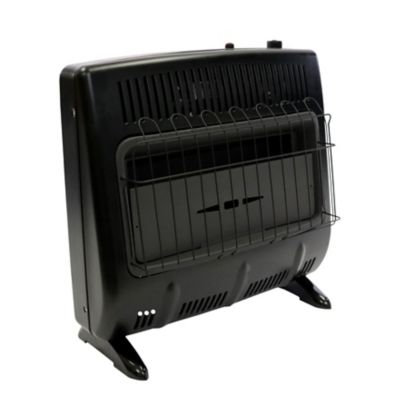
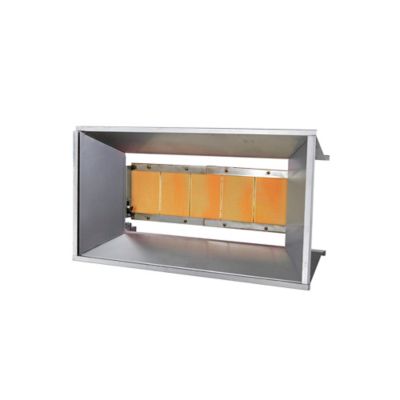
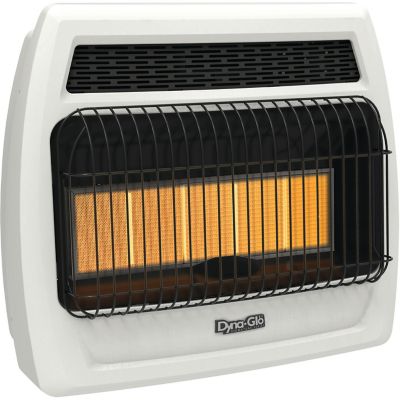
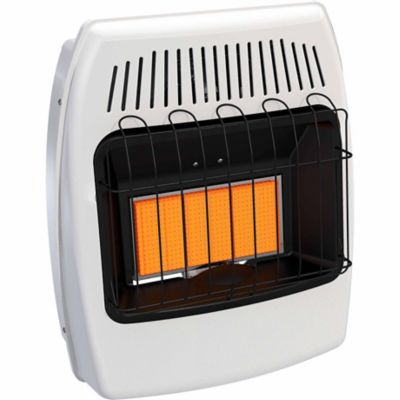
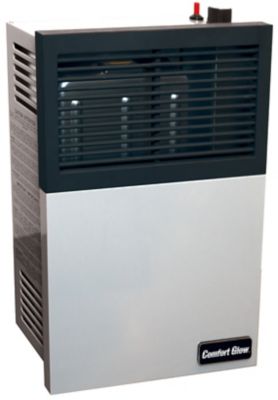
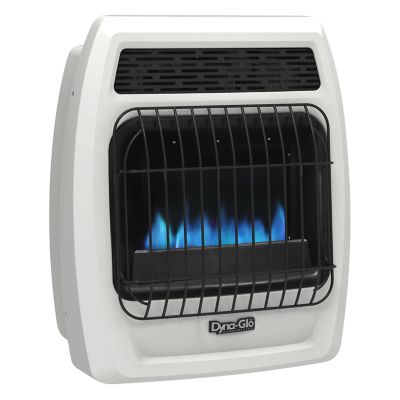
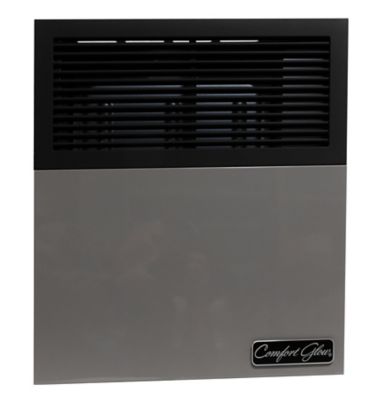
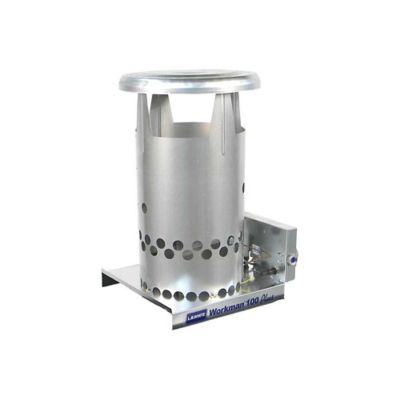
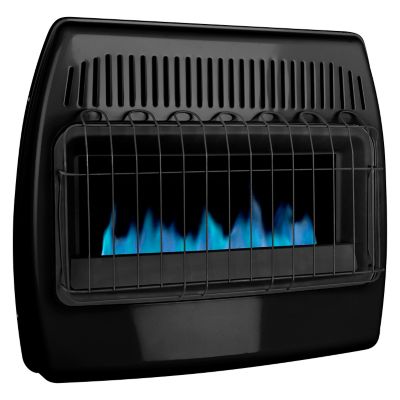
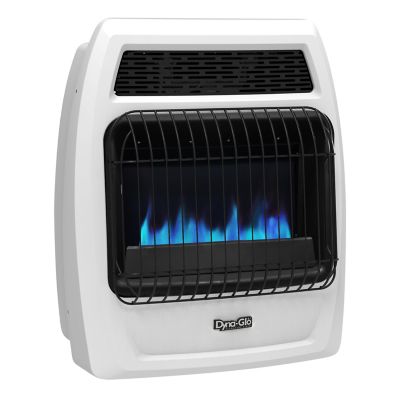
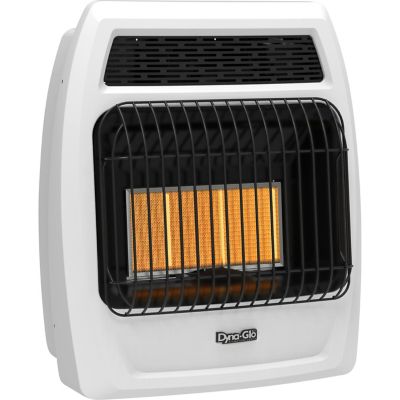
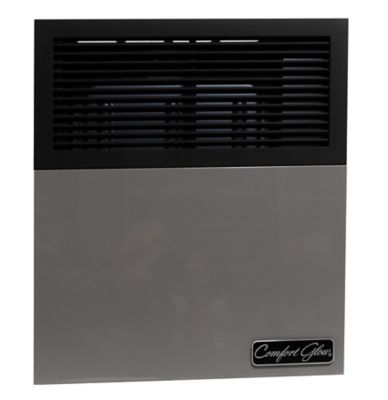
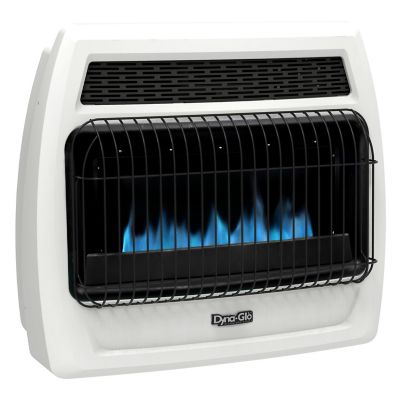
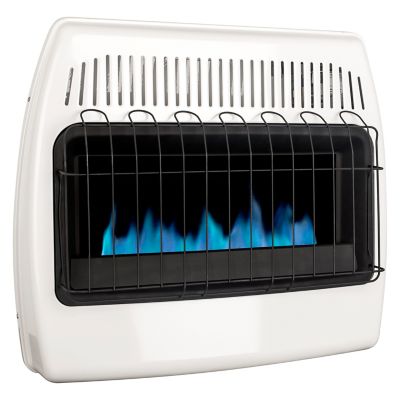
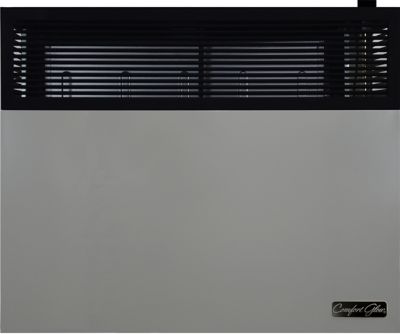
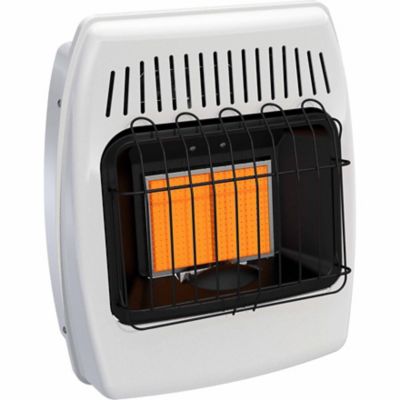
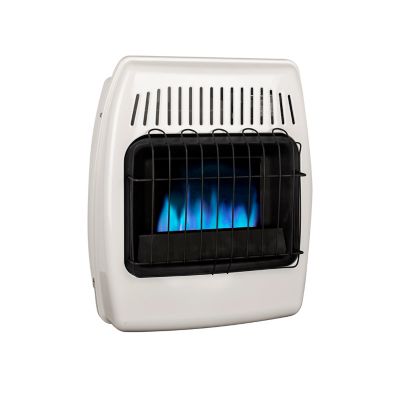
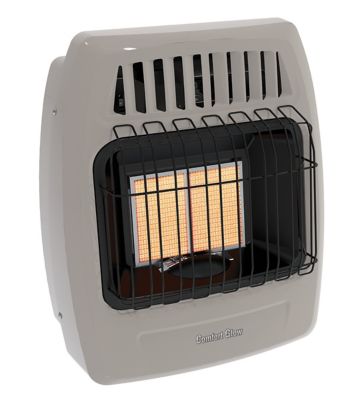
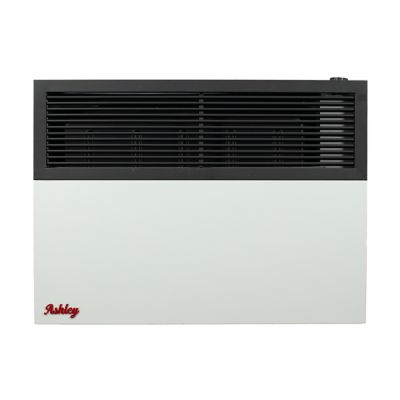
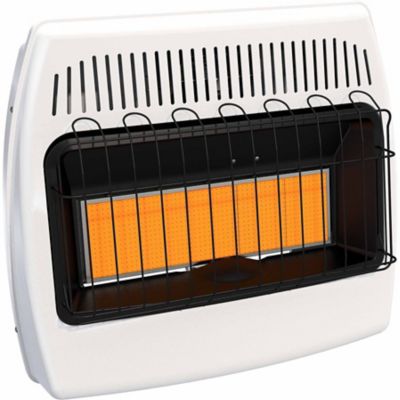
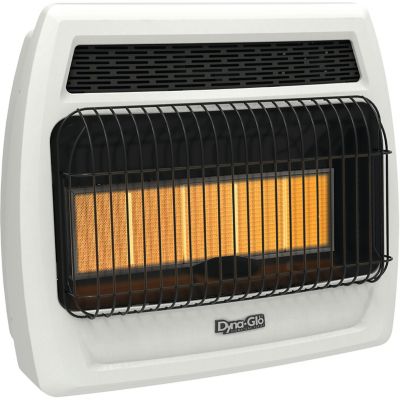
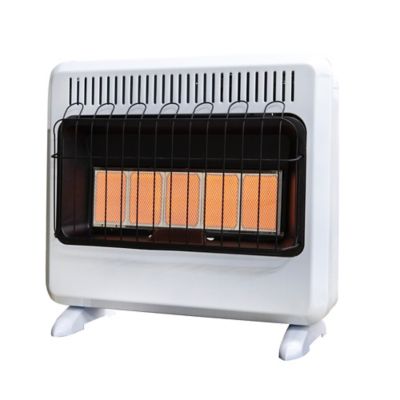
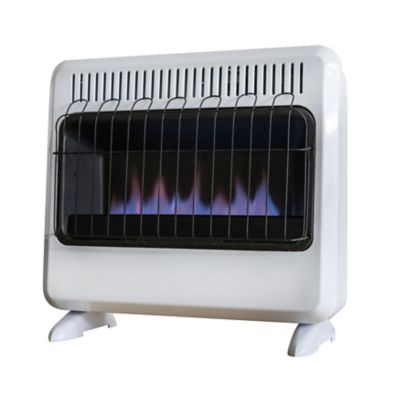
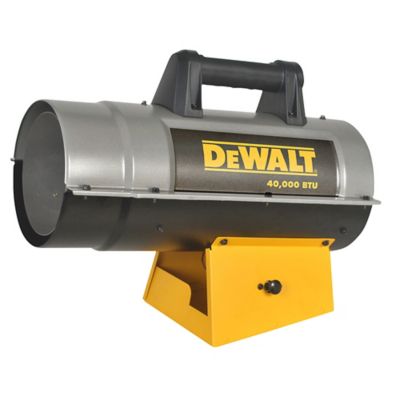
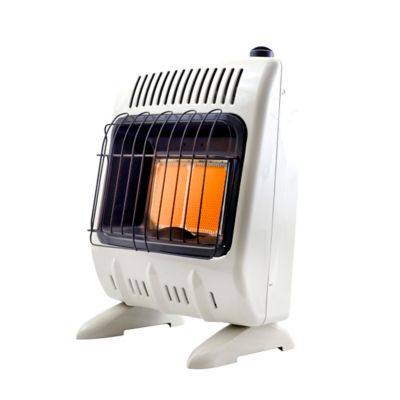
Natural gas heaters for garages help take the bite out of cold concrete floors and chilly workspaces, making it more comfortable to change truck brakes, organize fencing hardware or spend an afternoon at the workbench. For garages with natural gas service, these heaters provide warmth without the routine of swapping fuel cylinders. The main styles serve different needs. Fan-forced unit heaters move heated air through the space and often mount overhead, leaving room below for vehicles, tool chests and equipment. Their adjustable louvers help direct airflow toward the working area, although shelving, parked trucks and tall cabinets can affect how that air circulates. Radiant heaters transfer heat toward people and surfaces within their heating pattern, making placement especially important around a bench or an open work bay. That direct warmth feels different from a fan moving warm air throughout the room, and objects between the heater and the work area can block its reach. Neither style is automatically the better fit for every garage. An open two-bay workspace, a narrow repair area and a garage divided by storage racks each present different heating needs. Thermostat compatibility, fan sound and control placement also matter when the space doubles as a place for careful repairs or conversation. Many fan-forced natural gas heaters require an electrical connection for the blower and controls, so a gas connection alone does not mean the heater will operate during a power outage. Other designs have different electrical requirements, which belong alongside heat output and mounting style in any comparison. For property owners, mechanics and folks who keep their equipment working between trips to the field, the right setup comes down to comfortable working conditions without giving up needed floor space. A heater intended and listed for garage installation is the starting point, whether the space holds a pickup, a mower or a season’s worth of projects.
Sizing natural gas garage heaters takes more than matching a heater to the number of parking bays. Floor area matters, but so do ceiling height, insulation, air leaks, window area and how often the overhead door opens. A detached garage with bare walls and a tall ceiling loses heat differently from an insulated garage attached to a house. Opening a wide door to pull in a truck also creates a different recovery demand than keeping a small workshop closed for several hours. Heater capacity is commonly expressed in BTUs per hour, with BTU standing for British thermal unit. Input ratings describe the fuel energy going into the appliance, while output ratings describe the heat delivered; those figures are not interchangeable. A higher rating does not automatically make a heater a better match. Too little capacity can leave the work area uncomfortable, while excessive capacity can cause frequent cycling and uneven temperatures. Published square-foot coverage figures provide context, but a professional heat-loss calculation gives a firmer basis for sizing. Physical fit deserves the same attention as heating capacity. Ceiling-mounted equipment needs suitable structural support, the required mounting height and clear space around the cabinet, exhaust and air inlet. Wall-mounted designs need room away from doors, shelves and stored supplies. Garage door tracks and the full travel of an open overhead door can limit placement more than expected. Steel cabinets are common, while finishes and internal materials vary by design. A protective finish can help shield the cabinet from everyday exposure, but damp conditions and corrosive chemicals still affect service life. Heat exchanger construction, accessible service panels and space to reach the burner or blower are worthwhile comparison points. A compact cabinet may fit neatly above a work area, but the appliance still needs every clearance listed in its manual. Keeping the heater out of the path of ladders, lumber and raised vehicle hoods helps preserve both usable workspace and access for service.
Venting and fuel connections are central to choosing a natural gas heater for a garage. Vented heaters discharge combustion gases outdoors through an approved system, and the required vent route can influence where the heater belongs. Some appliances draw combustion air from the room, while sealed-combustion designs bring that air from outdoors. Those arrangements have different installation requirements, so vent materials, pipe size, fittings and termination locations must match the appliance instructions and local code. A generic duct or an unapproved pipe is not a substitute. Vent-free heaters release combustion byproducts and water vapor into the room; they are not suitable for every garage, and local rules or the appliance listing may prohibit the installation. An oxygen-depletion shutoff, when present, does not replace required ventilation or a carbon monoxide alarm. A licensed professional can evaluate garage suitability, gas line capacity, supply pressure, venting and any electrical connections before installation. Natural gas and propane appliances are not interchangeable unless the manufacturer permits conversion with the specified parts and professional service. Gasoline vapors, solvents, airborne dust and stored combustibles also affect whether a heater belongs in a particular space. Paint spraying, fuel handling and similar work may require a different heating arrangement altogether. Clearances need to remain open after installation, not gradually become storage spots for feed sacks, cardboard or shop rags. Routine care generally includes keeping air openings clear and arranging inspection and service according to the manufacturer’s schedule, with the heater shut down and cool before permitted cleaning. Soot, unusual odors, repeated shutdowns or changes in burner operation call for professional attention rather than continued operation. Working carbon monoxide alarms add an important safeguard, but no garage heater makes it safe to idle an engine indoors. For a broader comparison of heating approaches and fuel types,
Garage Space Heaters brings the wider category into view. The best fit leaves room for the work at hand while matching the building, fuel supply and installation requirements.