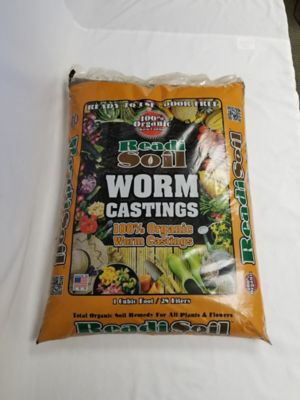
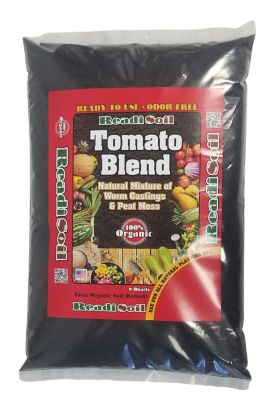
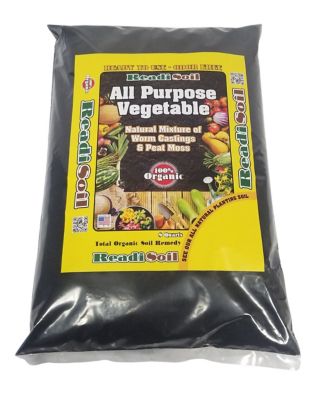
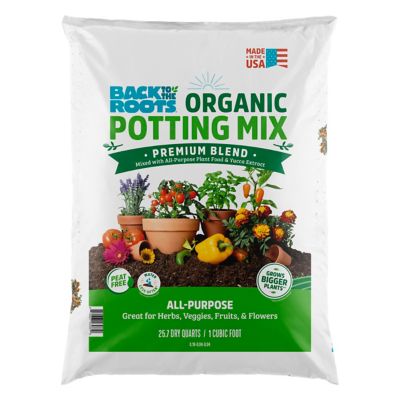
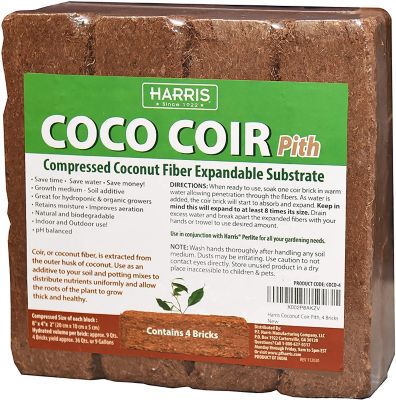
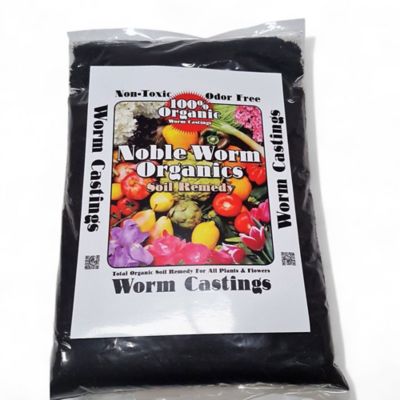
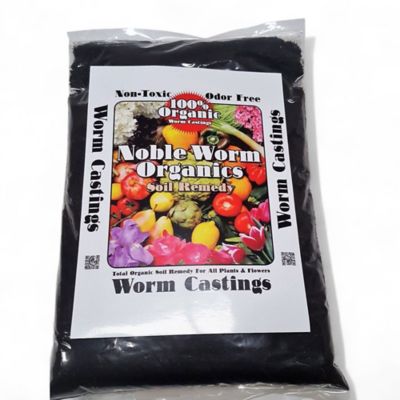
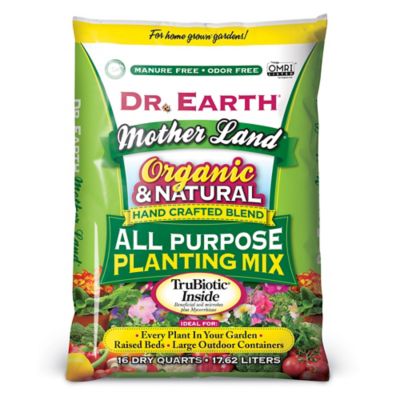
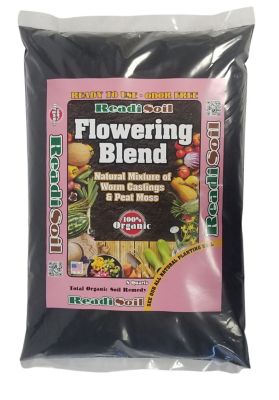
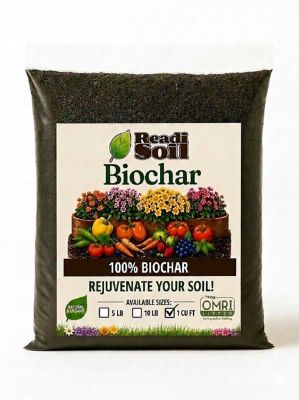
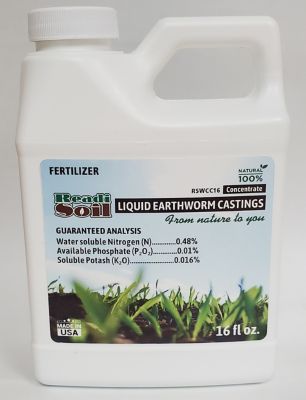
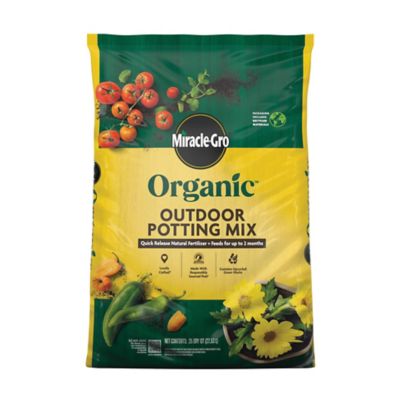
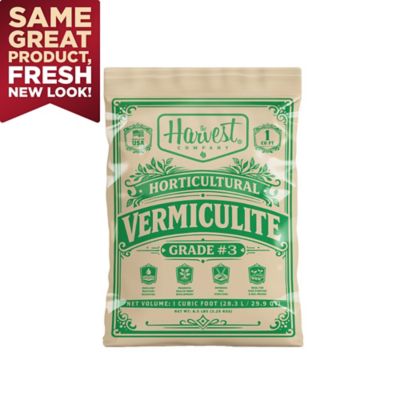
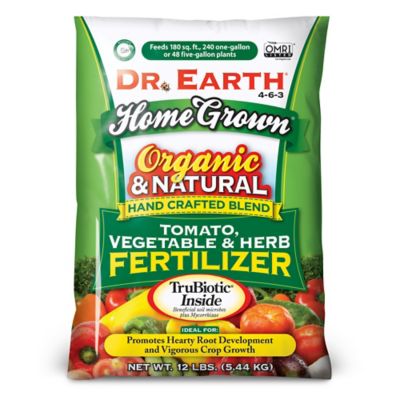
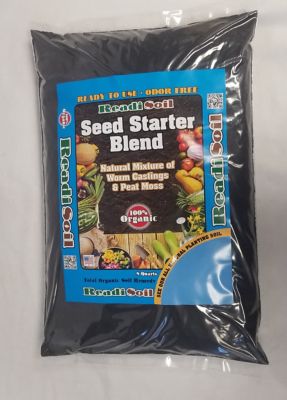
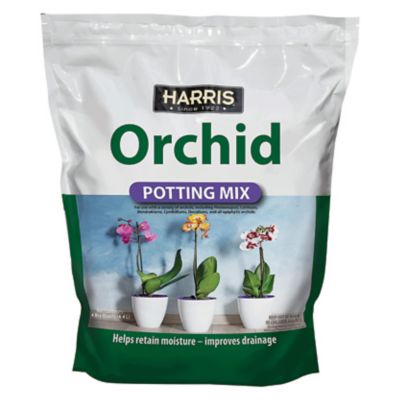
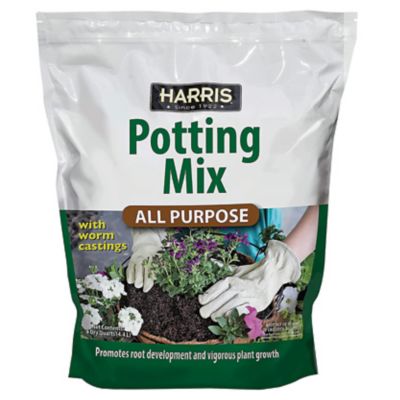
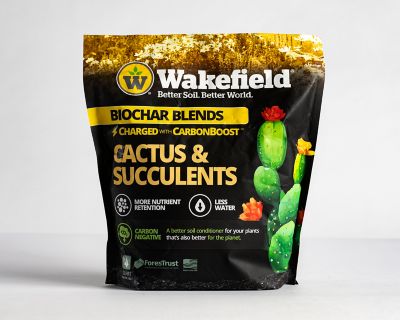
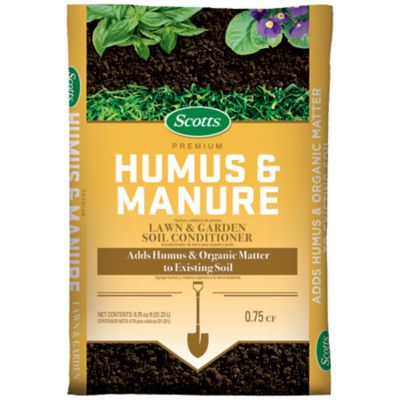
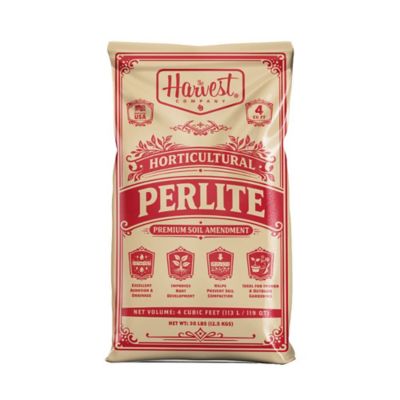
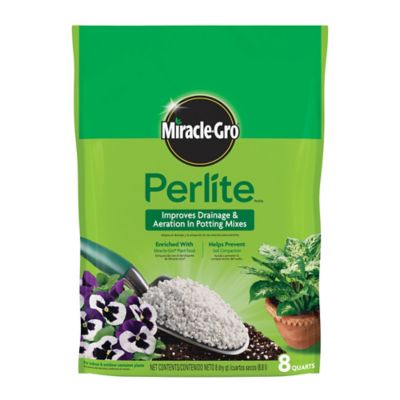
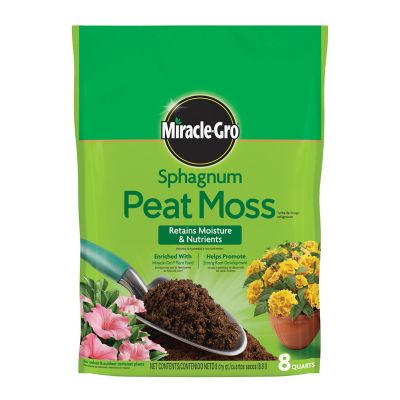
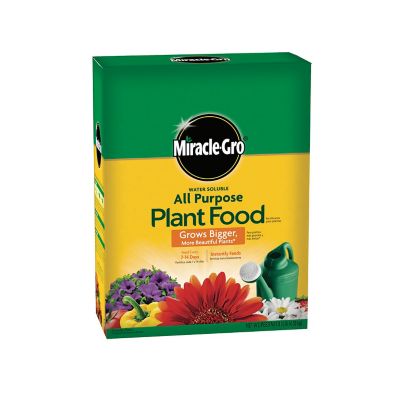
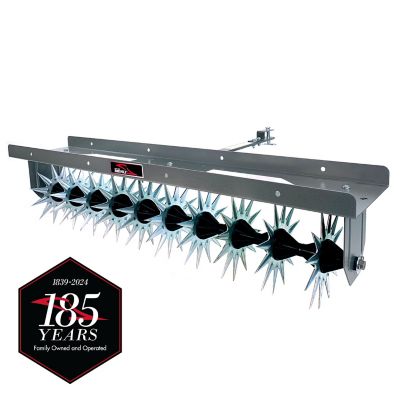
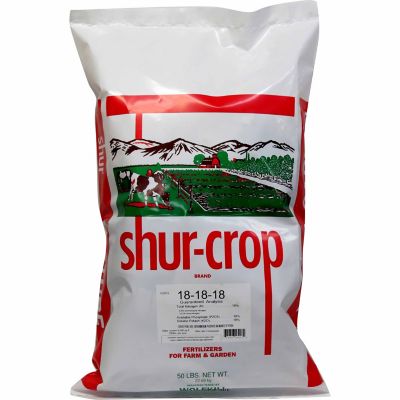
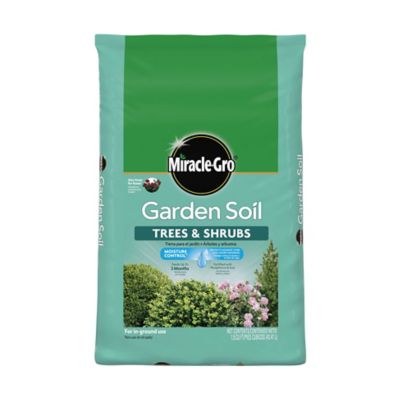
When it comes to getting your land ready for planting, nothing quite matches the boost you get from a quality organic soil conditioner. Folks who’ve been working the earth for generations know that good soil is the backbone of any healthy garden, pasture, or crop field. Whether you’re prepping raised beds for spring veggies, looking to perk up tired pastures, or just want your yard to look a little less patchy, the right amendments make all the difference. Organic soil conditioners are a favorite around here because they do more than just feed plants—they build up the soil itself. These products break up heavy clay, add structure to sandy spots, and help lock in moisture right where roots need it most. If you’re starting seeds inside this February, or dreaming of that first till once the frost breaks, now’s a smart time to think about what you’ll need to give your soil a head start.
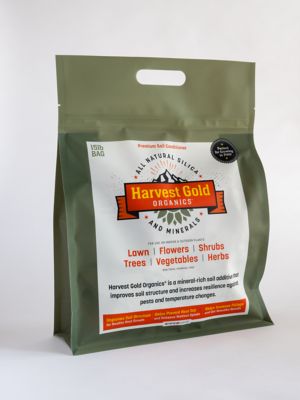
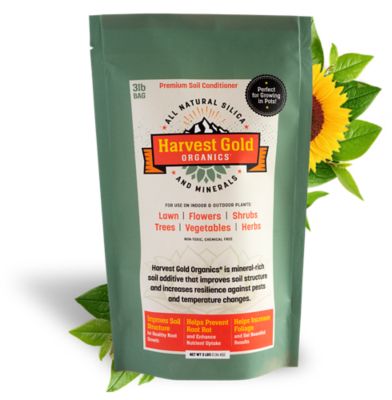
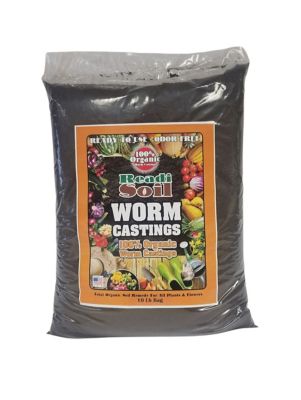
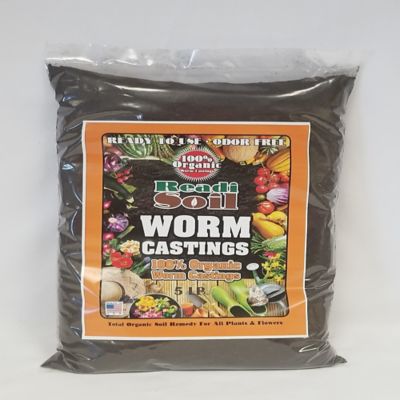
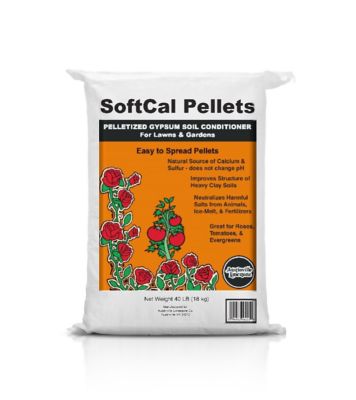
You’ll see all sorts of options on this page, each with their own strengths. Mushroom compost, for example, is a go-to for folks who want to add nutrients and improve drainage at the same time—if you’ve ever searched for “mushroom compost near me,” you know it’s prized for making soil loose and crumbly, perfect for root crops or flower beds. Gypsum tractor supply products are especially handy if your land has hard, compacted clay or if you’re dealing with salty spots after a long, dry summer. Gypsum helps break things up and balances the soil without changing its pH, which is a big help for folks growing sensitive crops. There’s no one-size-fits-all, so it’s worth thinking about what your land needs. If you’re working with heavy clay, a soil conditioner with gypsum might be the ticket. If you’re trying to build up organic matter in tired, sandy ground, compost-based amendments are the way to go.
Organic soil conditioners aren’t just for big operations; they make a thoughtful gift for anyone who loves to get their hands dirty. Maybe you’ve got a neighbor who’s always swapping seeds over the fence, or a family member who’s just started their first garden patch. These products are practical and appreciated—after all, healthy soil means healthier harvests, prettier flowers, and less work fighting weeds and drought. And if you’re not sure where to start, it helps to take a look at what you’re planting and what your soil’s like right now. For more in-depth info on how to feed your soil and get the most out of your amendments, take a look at our
Soil Fertilizers resource page. No matter if you’re prepping a few pots on the porch or acres of pasture, a little extra care now will pay off all season long.