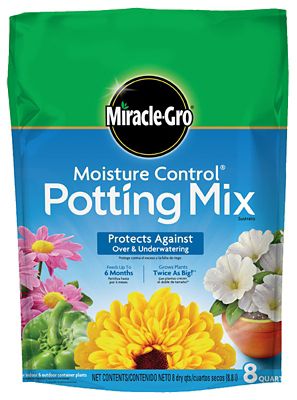
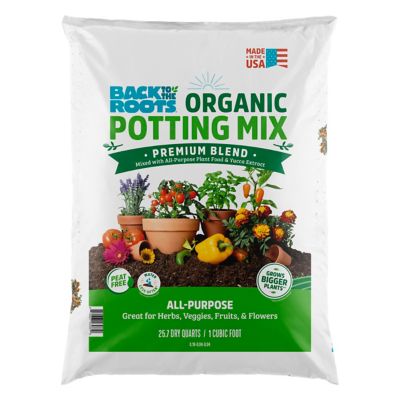
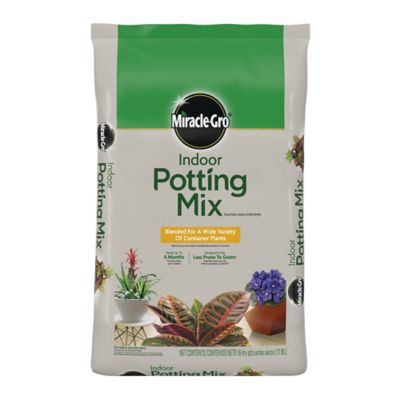
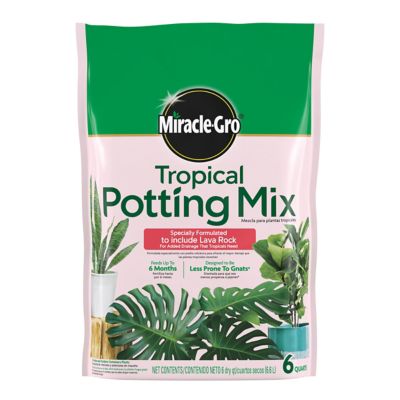
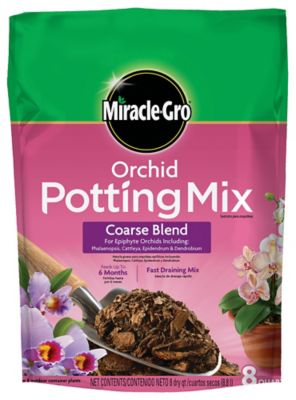
Choosing the right soil is one of the simplest ways to give plants a strong start, whether you are filling a porch planter, refreshing a houseplant, building a raised bed or working a few rows into the backyard. Potting mix is made for containers and is usually lighter and more open than native ground soil, helping roots get the air, moisture and drainage they need in a pot. That lighter texture also makes containers easier to move and less likely to become packed down after repeated watering. Garden soil, on the other hand, is intended to be mixed with the existing soil in outdoor beds rather than poured into small pots, where its heavier texture may limit drainage and root growth. Before choosing a bag, think about where the material will go, how much space you need to fill and what you plan to grow. A small indoor planter may need only a few quarts, while a raised bed or flower border can take several bags. Check the bag size and coverage information, and remember that soil settles after it is watered, so having a little extra on hand is often useful. During the cooler months, a quality potting mix can help keep indoor herbs, leafy plants and overwintered favorites comfortable near a sunny window, while outdoor soil can be worked into beds when conditions are suitable and the ground is not soggy or frozen. For container plants, look for a mix that feels loose and crumbly rather than dense or muddy, and match the blend to the plant whenever possible. A moisture-loving fern, a flowering annual and a drought-tolerant succulent do not all have the same needs, and a specialized mix can make routine care easier.
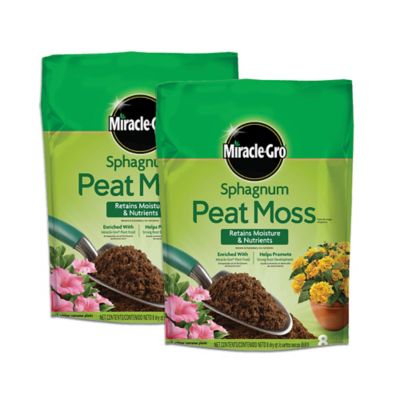
Planting mixes may include ingredients such as peat, composted materials, bark, perlite or other components that affect water retention, drainage and texture. Peat moss is often used to help lighten soil and hold moisture, and you can learn more through
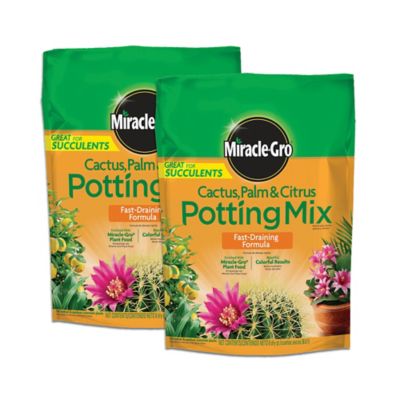
Peat Moss for Potting Soil when you are putting together a custom blend. Some mixes are designed for general-purpose use and work well for flowers, vegetables, herbs and many common indoor or outdoor plants. Others are made with a particular growing situation in mind, such as raised beds, vegetables, cacti, palms, citrus or plants that prefer sharper drainage. Read the label for the intended use, included nutrients and any directions about mixing with native soil. Many ready-to-use mixes contain starter nutrients or plant food that can support early growth, but the length of that feeding period varies by formula, plant type, weather and watering habits. Soil is not a substitute for proper light, watering or drainage, so use containers with drainage holes and avoid letting pots sit in full saucers of standing water. When filling a raised bed, garden soil is generally best combined with the soil already in the bed rather than used as a deep, standalone layer. For indoor containers, clean pots and fresh mix can reduce the chance of carrying old plant problems into new growth. Gardeners often notice the difference in small details: a seedling standing upright instead of leaning, a tomato transplant settling in without drying out by afternoon, or a houseplant sending out fresh leaves after its roots have room to breathe. Those everyday improvements are why dependable soil is worth keeping in the shed or garage before planting work begins.
These soil options can serve new gardeners, longtime growers, families planting their first vegetable container and anyone who enjoys tending a few bright pots near the back door. They also make practical gifts for a neighbor with a porch full of planters, a friend moving into a new home or a relative who likes to start herbs and flowers from seed. A bag of general-purpose mix paired with a container, hand trowel or packet of seeds can turn into a thoughtful gardening gift, while a specialty blend is a better choice when you know the recipient grows succulents, citrus, vegetables or other plants with particular preferences. If you are shopping for your own garden, consider the growing season ahead as well as the project in front of you. Fresh mix can be used to repot plants indoors when outdoor chores slow down, refresh tired containers, or prepare seedlings for a later move into the garden as the weather warms. In outdoor beds, adding the right soil at an appropriate time can improve texture and make planting easier, but avoid walking across wet beds or working saturated ground, since that can compact the soil you are trying to improve. Store unopened bags off the ground and protected from persistent moisture, and seal opened bags when possible so they stay clean and ready for the next planting job. Whether you are growing a few basil plants on the steps, filling a raised bed with greens or caring for a collection of houseplants through the cooler months, choosing soil for the location and the plant gives roots a healthier place to grow and makes the rest of the job feel a whole lot easier.