An office air conditioner can make a long workday more comfortable when heat collects around a desk, equipment, or a small work area. Whether your office is tucked into a barn, set up in a spare room, or located in a shop, warehouse, or farm building, the right cooling setup depends on the space and how it is arranged. Start by estimating the room’s square footage, then check the manufacturer’s recommended coverage range before choosing a unit. A small office may only need focused cooling near one desk, while a larger room with several people, computers, lights, or sun-facing windows may call for a room air conditioner with more cooling capacity. Ceiling height, insulation, open doors, and afternoon sunlight can also affect how hard a unit needs to work. For a broader selection and related room-cooling options, browse
Room Cooling Air Conditioners. Keeping the door closed while cooling, drawing blinds during the brightest part of the day, and clearing dust from filters can help maintain steady airflow. It also helps to think about where the cooled air needs to go. A unit placed near the center of a small office may spread air evenly, while one aimed across a desk can make a noticeable difference for someone working in one spot. Offices near a gravel drive, livestock area, or open shop entrance may collect more dust, so easy filter access is worth considering before purchase.
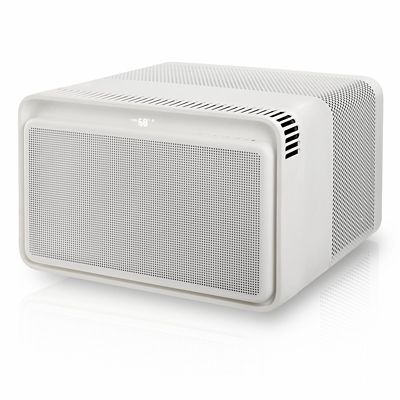
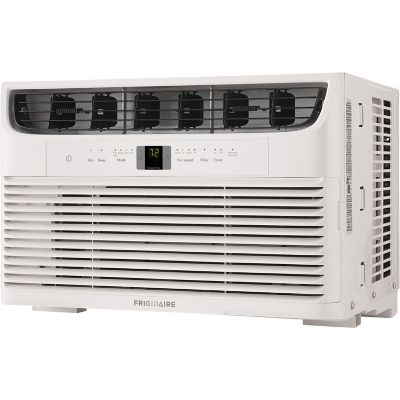
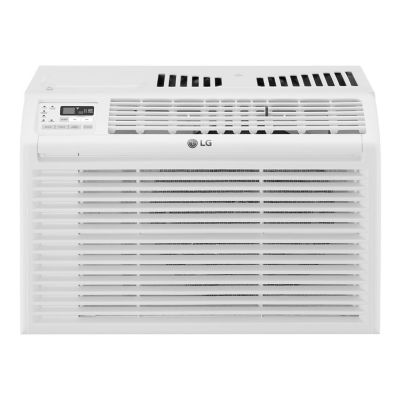
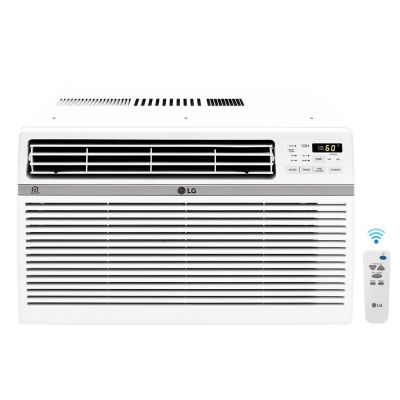
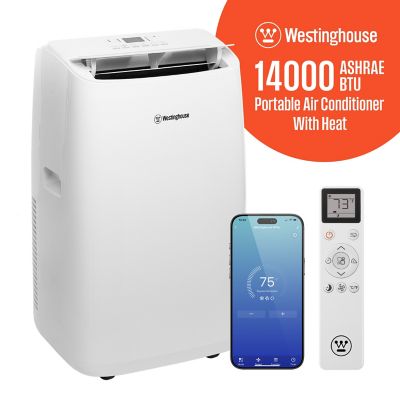
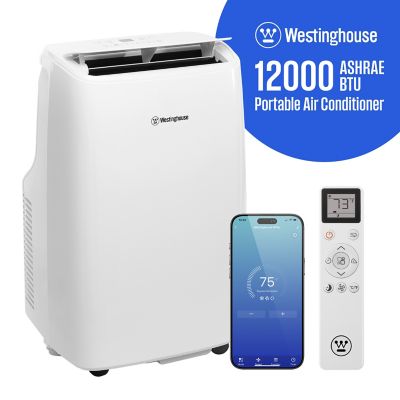
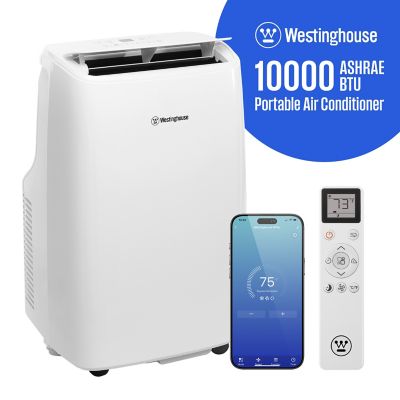
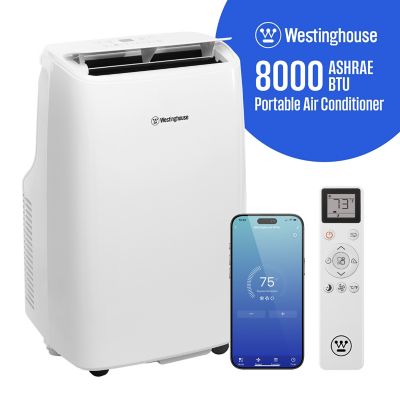
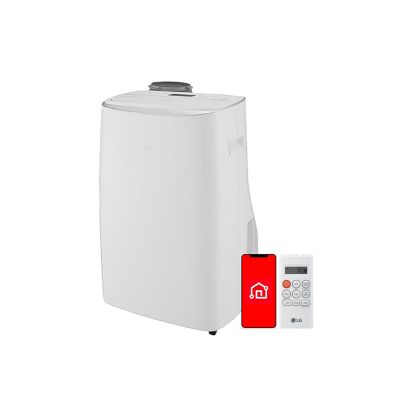
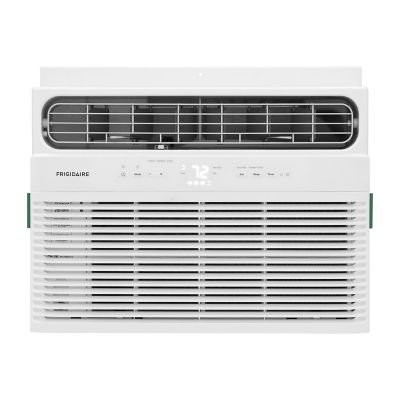
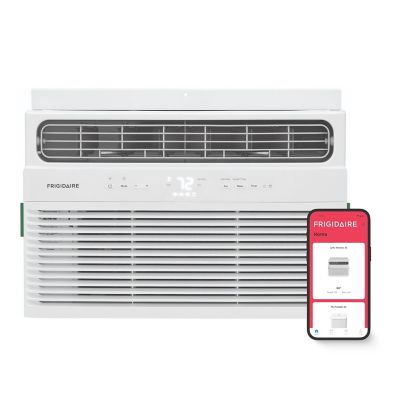
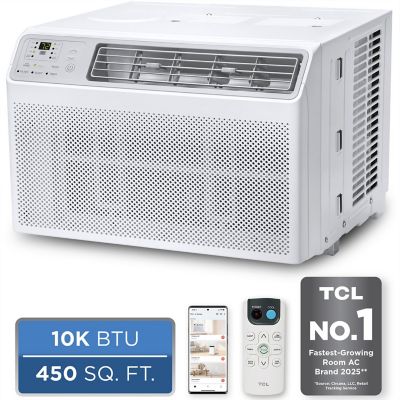
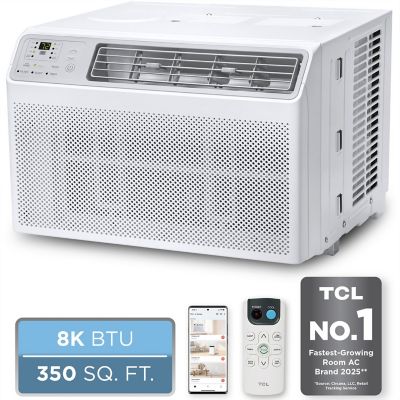
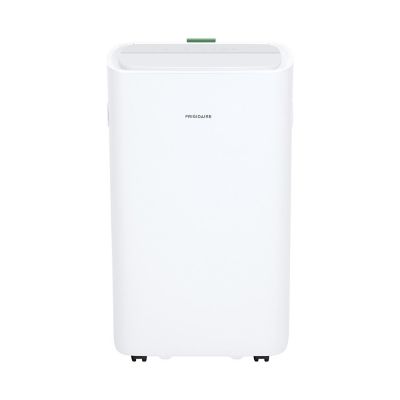
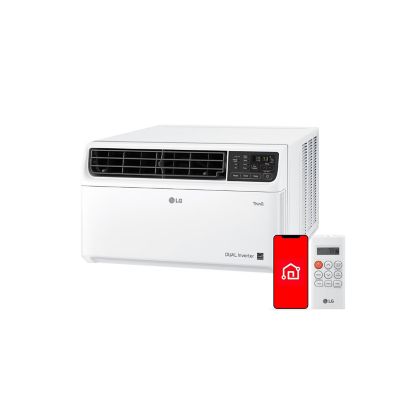
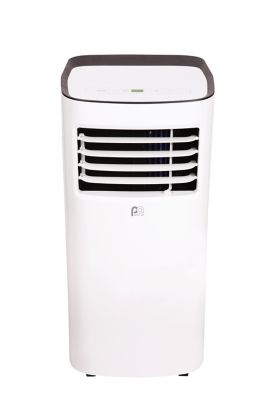
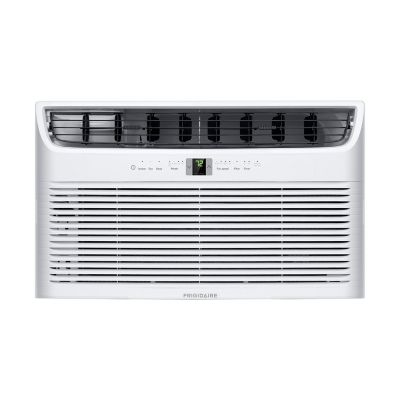
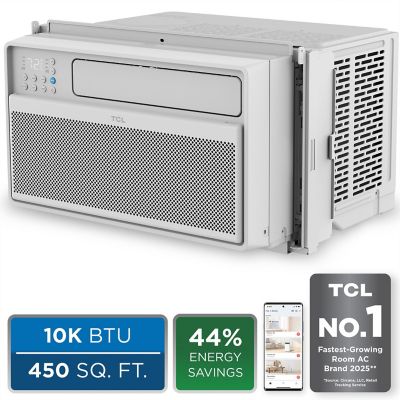
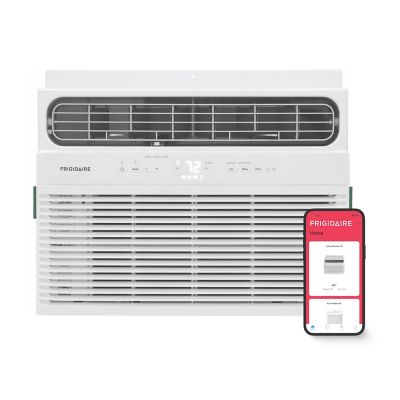
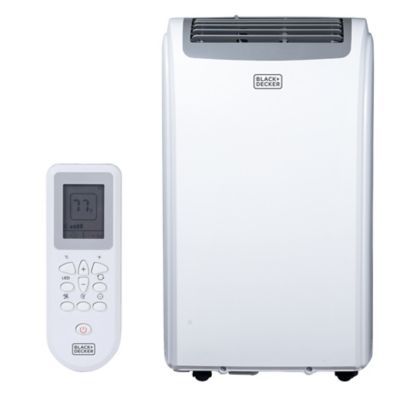
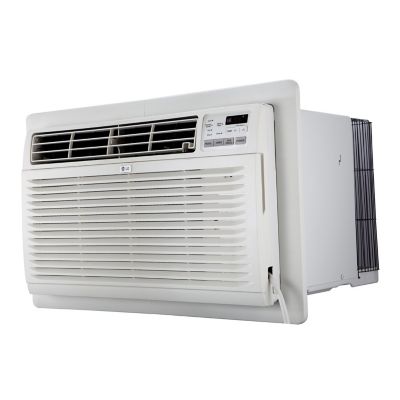
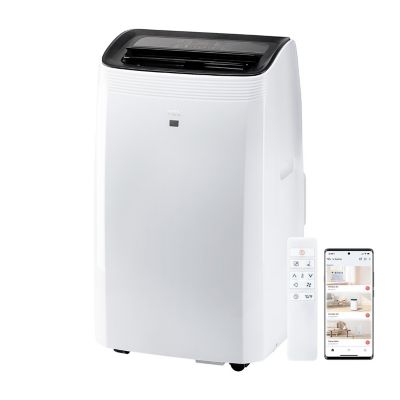
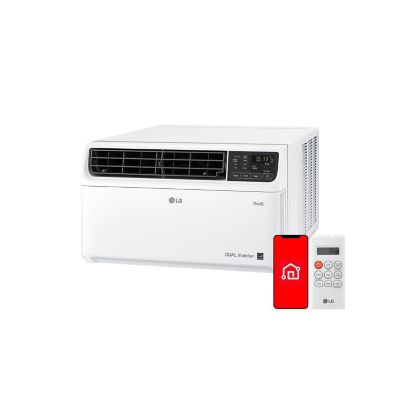
Window air conditioners are a practical choice when the office has a suitable window and a secure way to support the unit. They sit in the window opening, send warm air outdoors, and leave most of the floor clear for a desk, filing cabinet, printer, or workbench. Measure the window opening carefully, including its width and height, and check whether the window style is compatible with the unit. The window should close firmly around the installation panels, and the surrounding frame must be able to support the equipment. Portable air conditioners offer another option for offices without a convenient place for a window-mounted unit. These freestanding machines roll from one area to another and typically vent warm air through a hose connected to a window kit or another approved opening. Plan the hose route before bringing the unit into the room; a short, straight path generally makes placement easier and keeps the office from feeling crowded. Portable units may also collect moisture, so look for information about drainage, tank capacity, and whether the machine can drain continuously. For a desk in a small office, a USB-powered personal cooler or fan can provide a light stream of air close to the user. These compact units are intended for a nearby work area rather than cooling an entire room, and evaporative models work best when the surrounding air is fairly dry. They can be useful beside a computer, in a tractor cab office, or at a counter where a full-size air conditioner would take up too much space. Read the electrical requirements for any unit, especially when the office shares a circuit with printers, shop tools, heaters, or other equipment.
Sound level matters in an office just as much as cooling power. A loud fan or compressor can make phone calls harder to hear, interrupt concentration, or become tiring during a full shift, so review the listed noise information and control settings when available. Sleep, quiet, fan-only, timer, and thermostat modes may help the unit fit different parts of the day, while a remote control can be convenient when the air conditioner sits across the room. Look for washable or replaceable filters that are simple to reach, since regular cleaning helps airflow and can reduce the strain on the machine. Keep the air intake and exhaust clear of boxes, curtains, paper stacks, and other supplies. Water should drain away from cords, outlets, flooring, and stored records. If the office is in a rural building with uneven floors, check that a portable unit sits level and that its casters move safely. Window units need proper support and should not block an emergency exit. During cooler months, store removable window panels, hoses, or small desk coolers in a dry place where they will not gather dust or moisture. Office air conditioners can also make a practical gift for someone setting up a home workspace, managing a small business from a spare room, or spending long hours at a desk in a workshop. A compact personal cooler may suit a student or remote worker, while a window or portable unit may be better for a dedicated office with several hours of daily use. Match the choice to the room, the available venting, the electrical setup, and the person’s daily routine so the office stays more comfortable as outdoor temperatures shift.