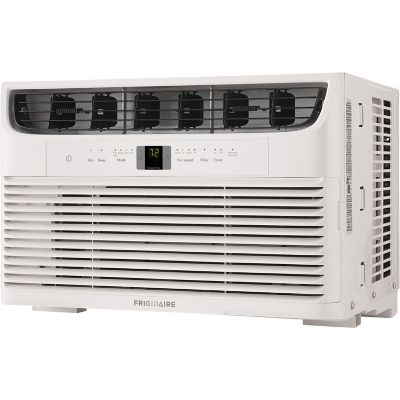
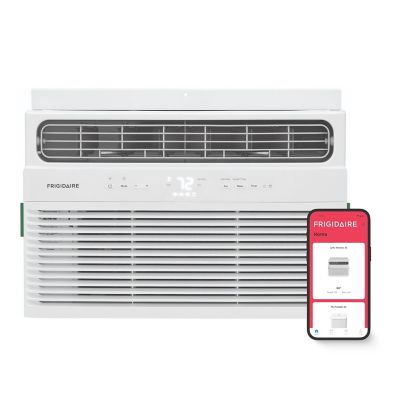
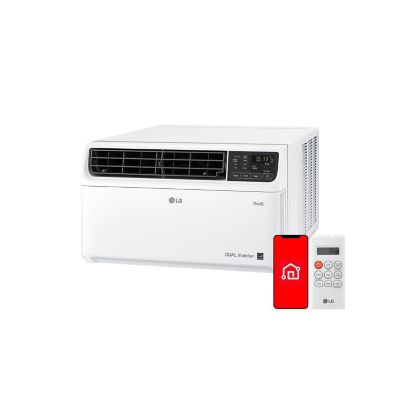
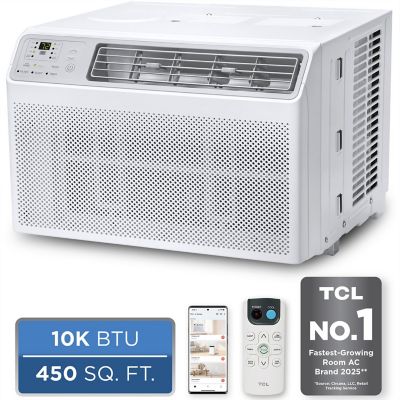
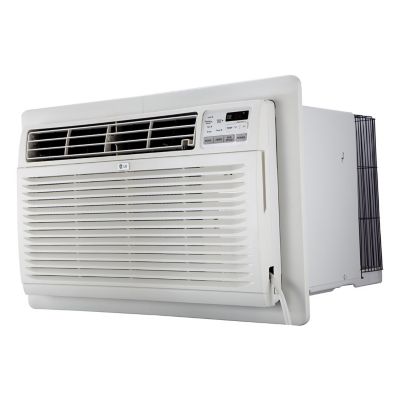
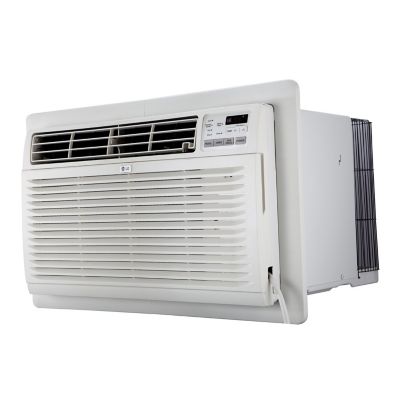
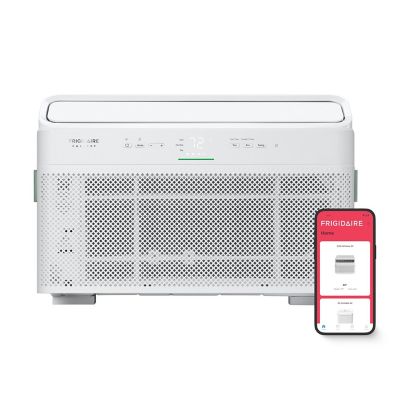
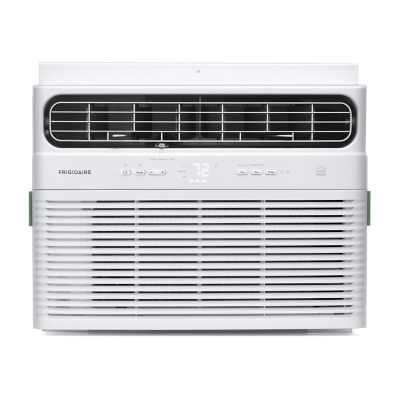
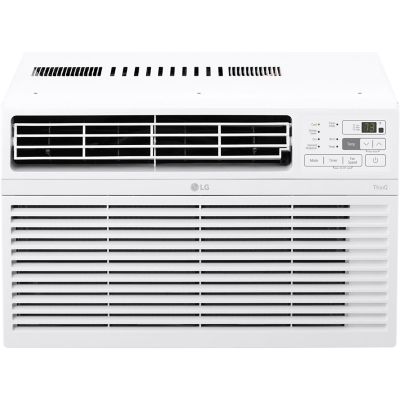
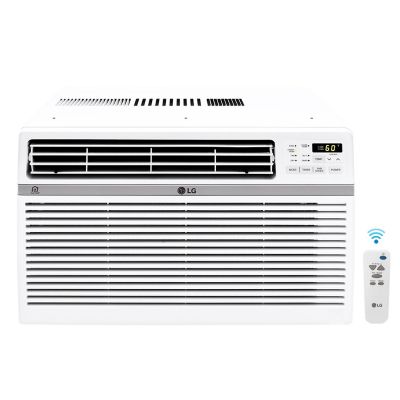
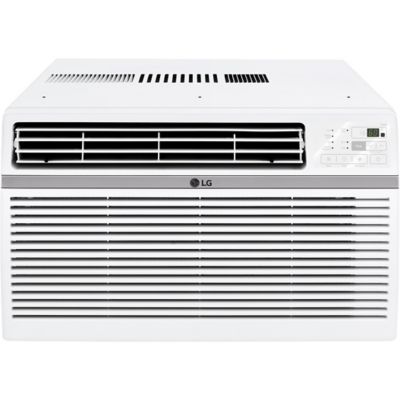
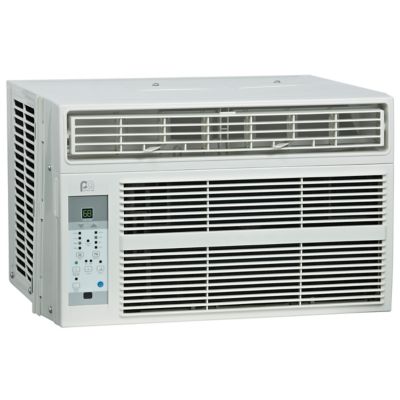
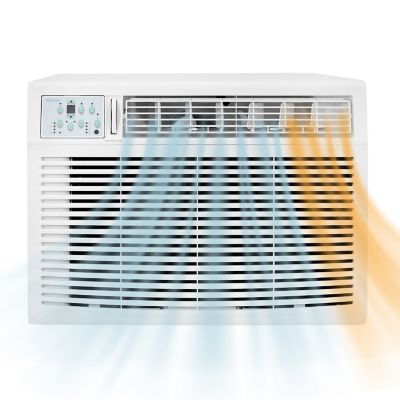
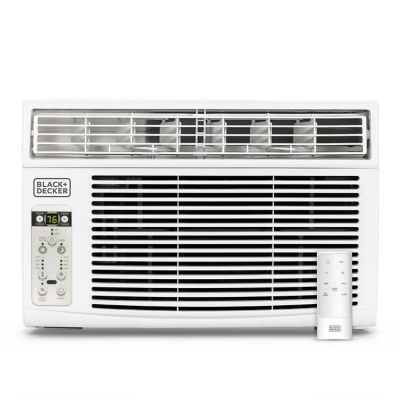
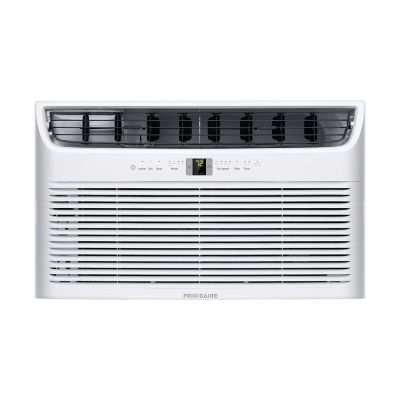
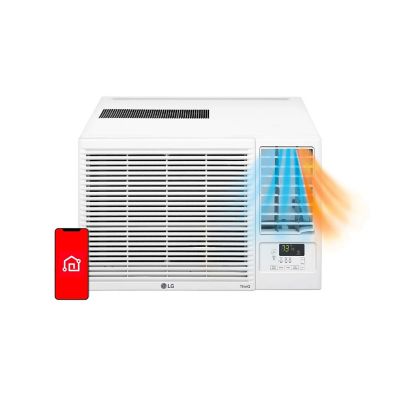
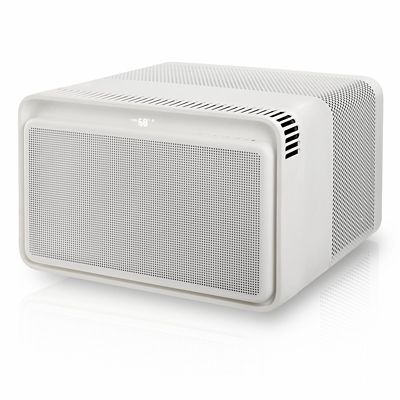
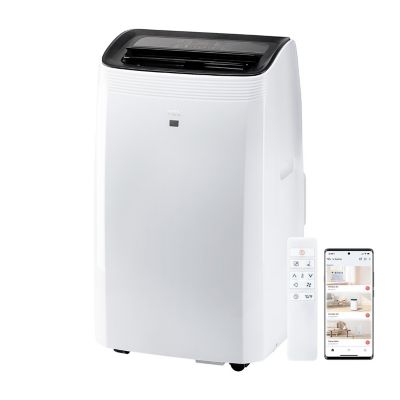
Vented air conditioners help bring dependable cooling to rooms where a central system does not reach well or where a full installation is not practical. These portable room air conditioners pull warm air from inside, pass it over refrigerated coils, and send cooled air back into the room. The heat and moisture collected during that process need a way out, which is why a vented air conditioner uses an exhaust hose connected to a window kit, sliding-door panel or another suitable opening. Without the hose in place, the unit sends the heat right back into the room and cannot cool effectively. This makes proper venting one of the most important parts of setup. Vented air conditioners can be useful in upstairs bedrooms, enclosed porches, workshops, cabins, home offices, finished garages and other spaces that get warmer than the rest of the house. They can also be handy on a farm or rural property where an outbuilding needs occasional cooling but does not have ductwork. A portable unit is easy to move from one room to another when the seasons change, and it can provide a comfortable spot for sleeping, working, visiting or tending to indoor pets during warmer stretches. When outdoor temperatures ease and cooling is needed less often, a portable unit can be cleaned, stored and brought back out whenever a warm spell rolls through.
When comparing vented air conditioners, start with the size and layout of the room rather than choosing by appearance alone. Cooling capacity is commonly listed in BTUs, and the right capacity depends on square footage, ceiling height, insulation, sun exposure and the number of people who regularly use the space. A small, shaded bedroom may cool well with less capacity than a large, sunny family room, while a workshop with heat-producing equipment may need more cooling power. An oversized unit may cool the air quickly without running long enough to remove as much humidity, leaving the room feeling damp. An undersized unit may run constantly and struggle to reach a comfortable temperature. Check the manufacturer’s recommended room size and pay attention to the unit’s electrical requirements before bringing it home. Single-hose models draw room air in and send warm exhaust outside through one hose, while dual-hose models use a second hose to bring in air for the cooling process. Either style needs clear airflow around the unit and a tight connection at the window or door. Most window kits are designed for standard double-hung windows or sliding windows, with an adjustable panel that fills the open portion and provides a port for the exhaust hose. Sliding glass or patio doors can often use a taller panel kit. Casement windows that open outward usually need a custom insert made from a rigid panel or a purpose-built fabric seal, since a standard sliding kit may not fit. Measure the window or door opening, check the hose diameter and confirm that the included kit matches your setup before purchase. For more ways to compare cooling options throughout the home, browse
Room Cooling Air Conditioners.
A little preparation makes vented air conditioner setup much smoother. Place the unit on a level floor close enough to the window or door for the hose to reach without sharp bends, pinches or long unsupported runs. Keep the air intake and outlet clear of furniture, curtains, boxes and bedding, and leave the clearance recommended in the instructions so the machine can release heat properly. Seal gaps around the window panel as well as possible to keep cooled air inside and warm outdoor air out. Some units collect moisture in an internal tank, especially in humid areas, while others use continuous drainage through a hose. Check the drain location, empty the tank when needed and make sure a drainage hose slopes safely toward an approved drain or container. A washable filter should be checked and cleaned according to the care instructions; dusty filters restrict airflow and can make the unit work harder. In farmhouses, garages and workshops, pay close attention to dust, sawdust, pet hair and bedding that may build up faster than they would in a clean indoor room. Never use an extension cord unless the manufacturer specifically allows it, and keep the plug, controls and electrical connections away from water. Vented air conditioners can make thoughtful gifts for someone setting up a home office, college room, guest space, hunting cabin or hobby area, especially when a permanent cooling system is out of reach. They are also practical for older family members, visitors or anyone who spends time in a room that heats up faster than the rest of the house. During the cooler months, store the unit upright in a dry, protected place after draining and cleaning it, and keep the exhaust hose and window kit together so everything is ready when warm weather returns.