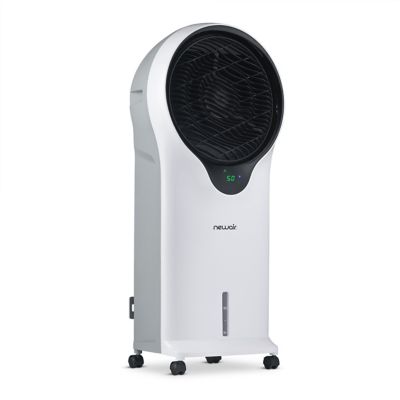
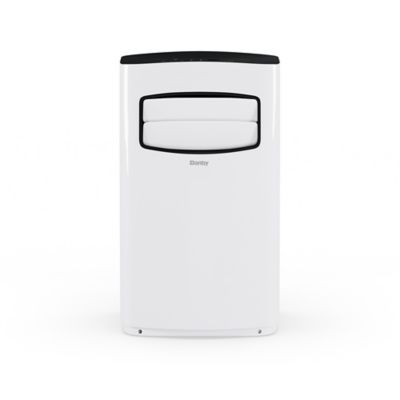
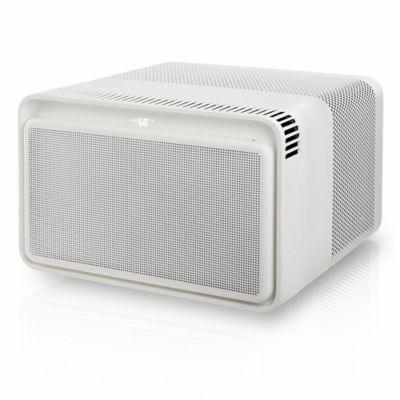
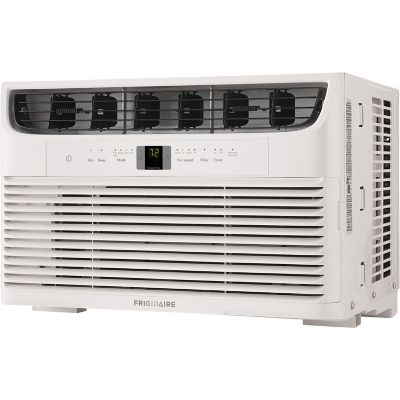
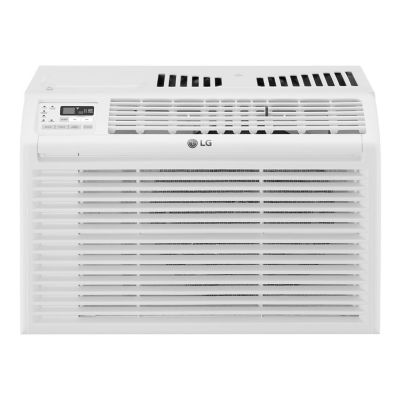
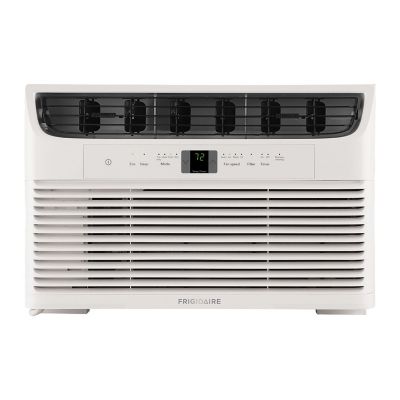
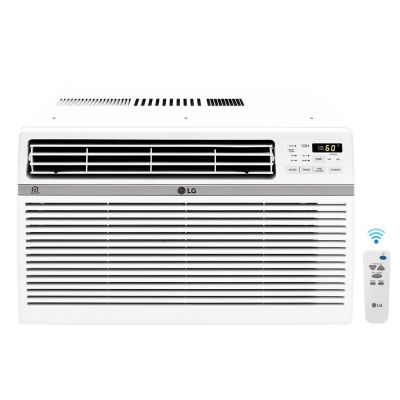
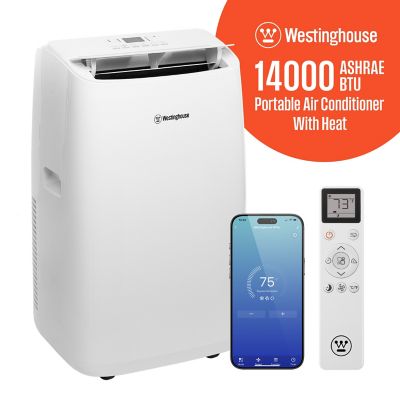
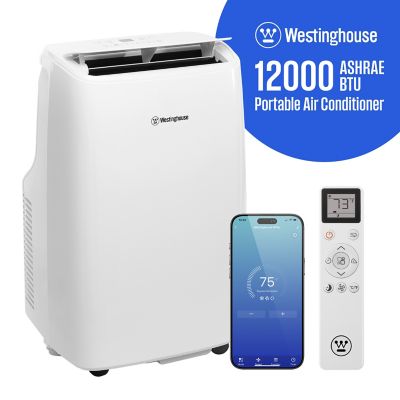
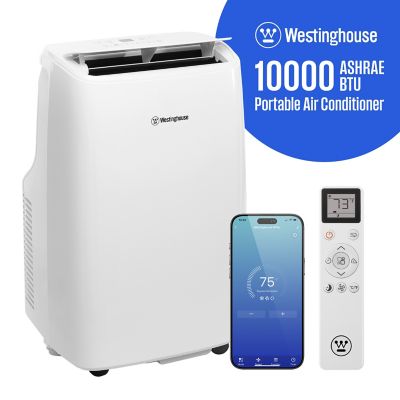
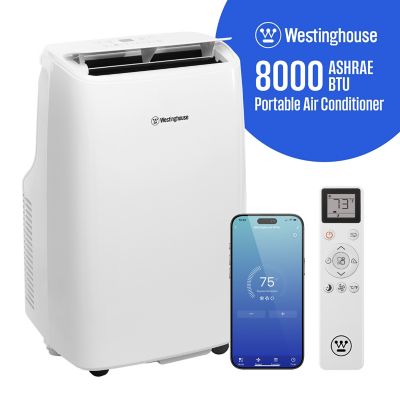
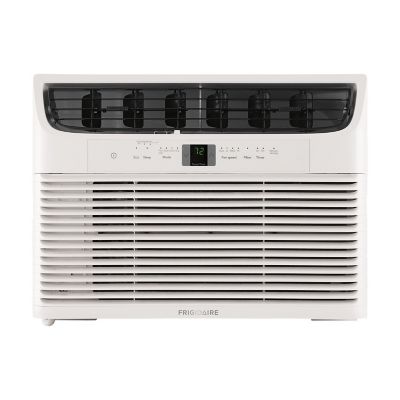
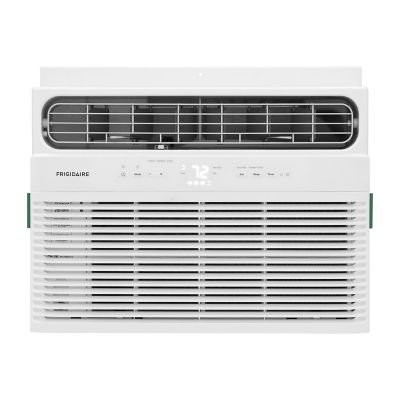
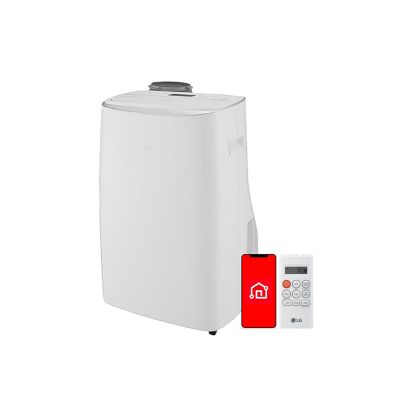
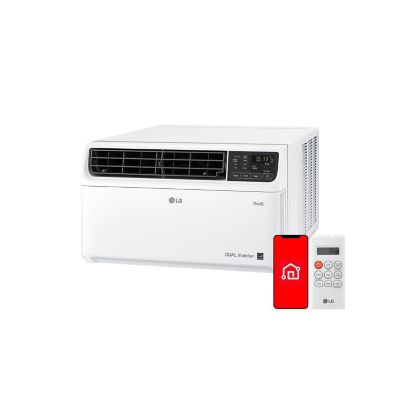
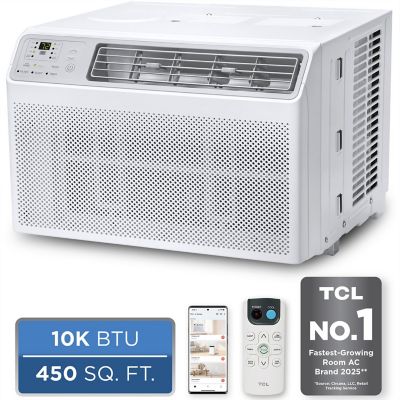
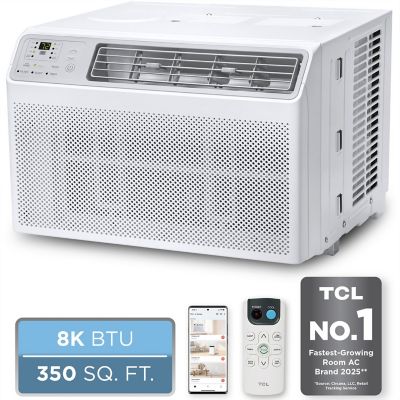
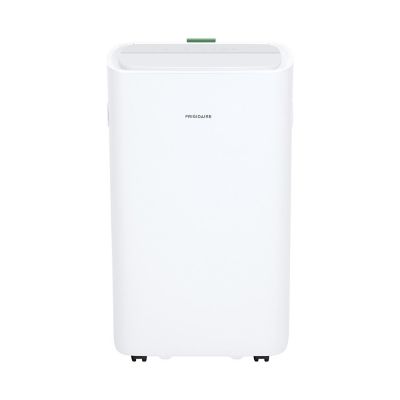
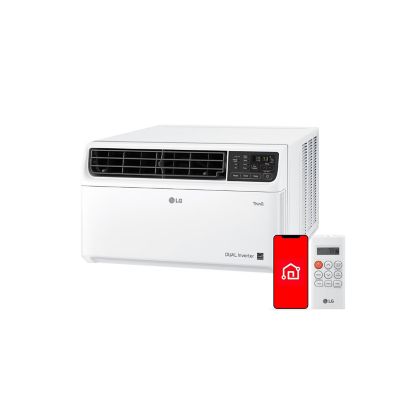
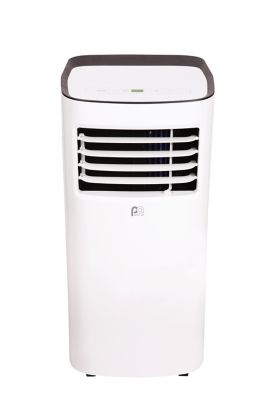
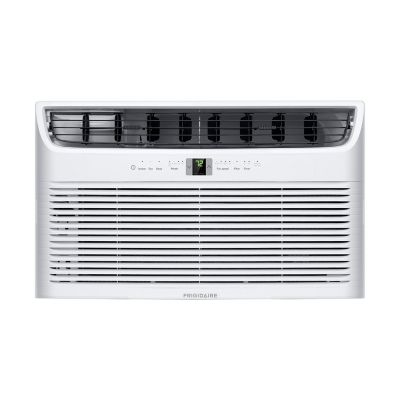
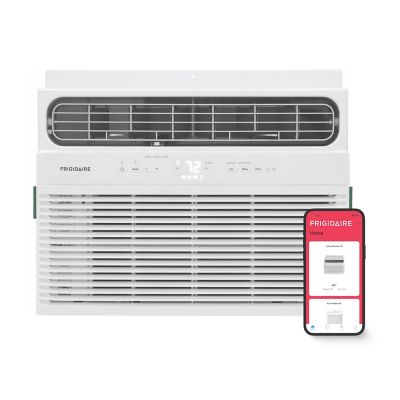
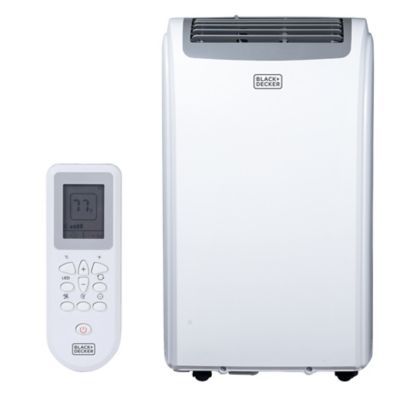
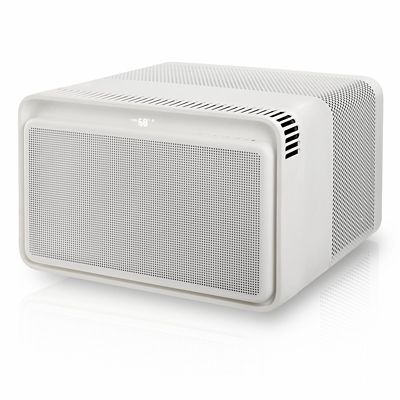
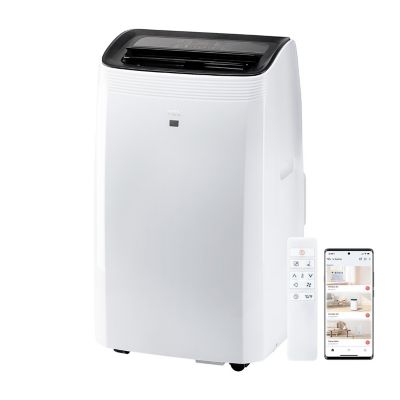
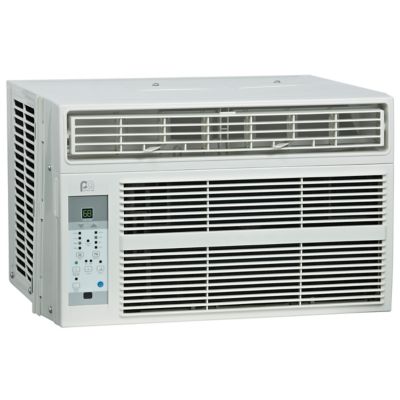
Room cooling air conditioners bring focused comfort to the spaces where folks spend their time, from a farmhouse bedroom to a den over the garage. Rather than cooling an entire house to make one room comfortable, these appliances serve a defined area, with designs that suit different windows, floor plans, and installation needs. Window air conditioners sit in a compatible window opening and discharge heat outdoors, leaving the floor clear for furniture and foot traffic. They make sense for rooms with a suitable window, proper support, and an electrical outlet that meets the appliance’s requirements. Portable air conditioners stand on the floor and send heat outside through an exhaust hose and vent kit. Casters can make repositioning easier, but each location still needs a compatible outdoor vent connection, enough clearance, and a suitable outlet. A portable unit is not a vent-free appliance, and its hose needs to stay within the length and arrangement specified by the manufacturer. Through-the-wall air conditioners fit into a properly sized wall sleeve, providing a more permanent setup without occupying a window. The sleeve and appliance must be compatible; a standard window unit generally cannot take the place of a through-the-wall model. Ductless systems offer another fixed cooling option, with an indoor air handler connected to an outdoor unit, though installation typically calls for professional work. For any style, fit means more than finding an empty spot. Window width, opening height, sill construction, wall thickness, and access for maintenance all matter. A double-hung window and a side-sliding window may require different equipment or installation accessories. Curtains should hang clear of the airflow, and a dresser or couch should not crowd the intake. In a small bedroom, keeping the floor open may favor a window installation; in a room where window mounting is impractical, a compatible portable setup may be a better match. The right arrangement keeps cooling equipment out of the way while giving it room to operate as intended.
Cooling capacity is another important distinction among room air conditioners. Capacity is expressed in British thermal units per hour, commonly shortened to BTU, and it should match the room rather than simply be as large as possible. As a general starting point for window air conditioners, a room measuring 100 to 150 square feet often calls for about 5,000 BTU, while 150 to 250 square feet commonly falls around 6,000 BTU. A space of 300 to 350 square feet often needs about 8,000 BTU, and 400 to 450 square feet about 10,000 BTU. These estimates assume typical conditions; the manufacturer’s room-size recommendations and the actual cooling load take priority. Tall ceilings, strong afternoon sun, limited insulation, cooking appliances, and several people sharing a room can increase that load. A shaded guest bedroom and a sunlit sitting room may need different capacities even when their floor measurements match. Open doorways also let cooled air travel beyond the intended area, making a closed bedroom a different job from a living room connected to a hallway and kitchen. Too little capacity can leave an appliance running for long stretches without reaching the desired temperature. Too much can cause short cooling cycles that leave less time to remove moisture, so the room may feel clammy even when the air is cool. Portable air conditioners require particular attention to ratings because their labels may show both an ASHRAE capacity and a lower Department of Energy seasonally adjusted cooling capacity, or SACC. The DOE figure accounts for factors such as exhaust-related losses and helps compare portable models on the same basis. Comfort also comes from how the appliance runs: adjustable louvers direct air away from a pillow or chair, multiple fan speeds offer flexibility, and published sound ratings help set expectations for bedrooms and workspaces. For a desk tucked into a spare room or a separate farm office,
Office Air Conditioners focus on cooling spaces where conversation, paperwork, and concentration share the day.
Everyday features and care help determine how well a room cooling air conditioner fits into the household routine. An adjustable thermostat maintains a selected setting, while a timer can schedule operation around bedtime or time spent in a particular room. Remote controls are handy when the appliance sits across the room, and connected controls may allow adjustments through a compatible app when the necessary network connection is present. Features vary, so cooling, fan-only, dehumidifying, and heating functions should never be assumed to come together. Fan-only operation circulates air without running the cooling cycle, while a dehumidifying mode manages moisture within the appliance’s stated limits. In humid conditions, condensate handling deserves attention, especially with portable equipment that may require a drain hose or tank emptying. Even a self-evaporating design can need drainage under certain conditions. Materials and construction matter at the points that see regular handling: a sturdy cabinet, secure louvers, sound window panels, and a well-supported mounting arrangement all help the installation hold up to everyday life. Metal coil fins transfer heat but bend easily, so gentle cleaning and careful handling are important. Accessible filters make routine upkeep less of a chore, particularly in a home where gravel-road dust follows boots through the door. Washable filters should be cleaned and dried as directed, while replaceable filters need the specified replacements. Clear intake and discharge openings help maintain airflow, and outdoor-facing sections need the clearances listed in the manual. Room air conditioners belong only in the environments for which they are rated; ordinary household equipment is not suited to every dusty shop, damp outbuilding, or livestock area. Electrical requirements also vary by capacity and design. The correct voltage, grounding, circuit capacity, and outlet are essential, and extension cords or power strips are no substitute for the required connection. Proper sealing around a window kit or wall sleeve limits unwanted air leakage, while secure mounting supports the appliance safely. With a sensible capacity match, a sound installation, and straightforward upkeep, room cooling can make a bedroom more restful, a family room more comfortable, or a home workspace easier to settle into.