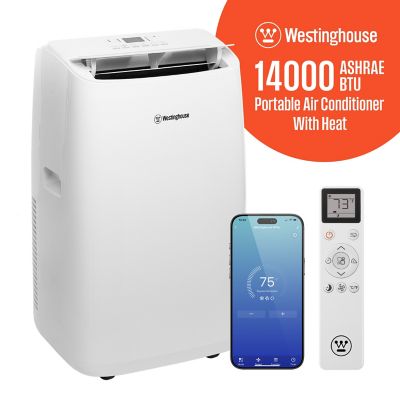
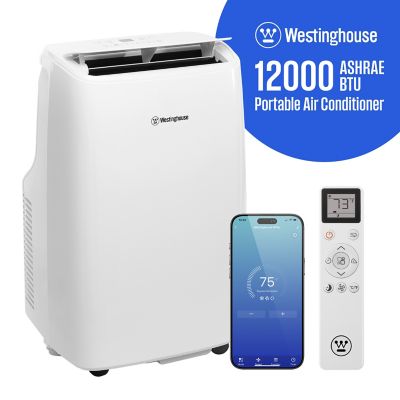
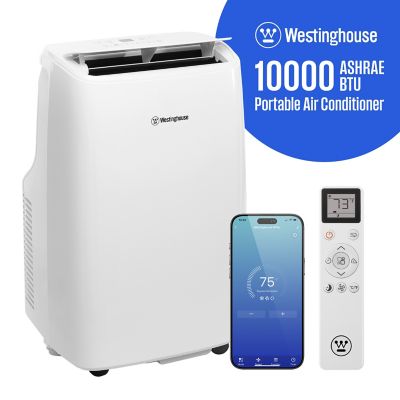
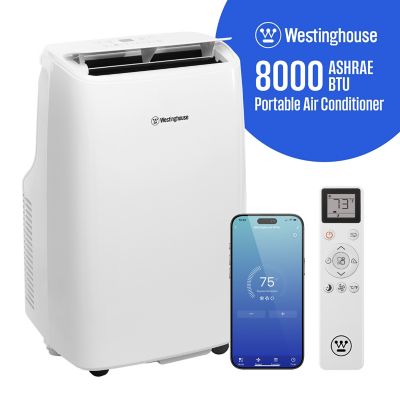
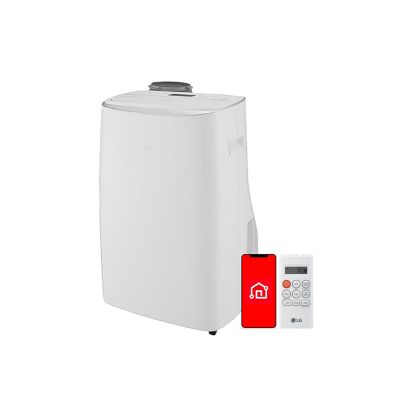
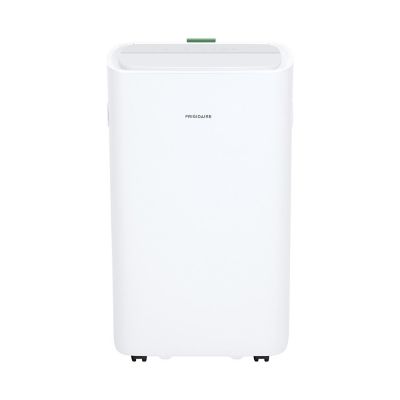
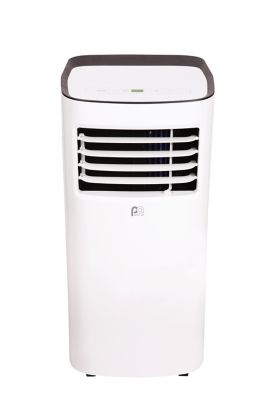
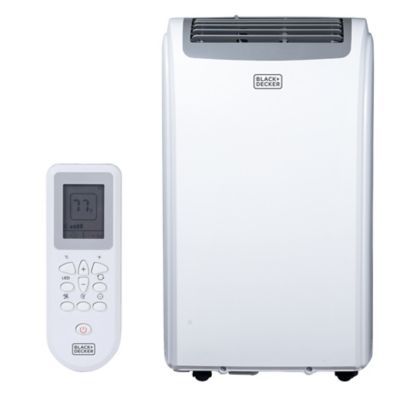
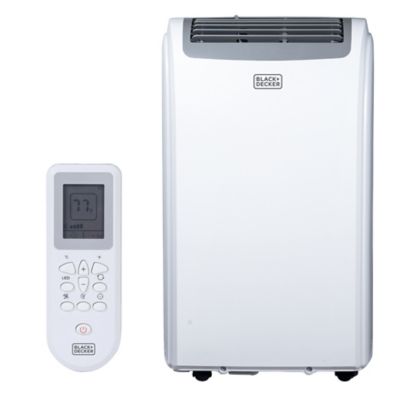
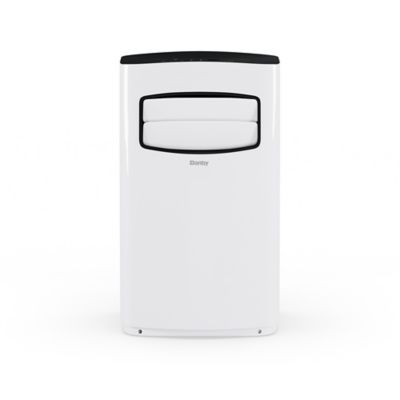
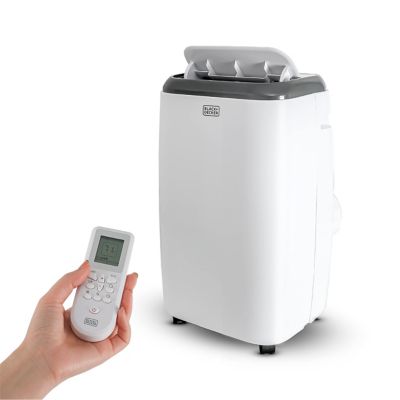
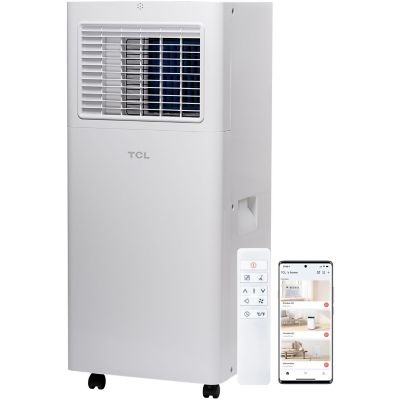
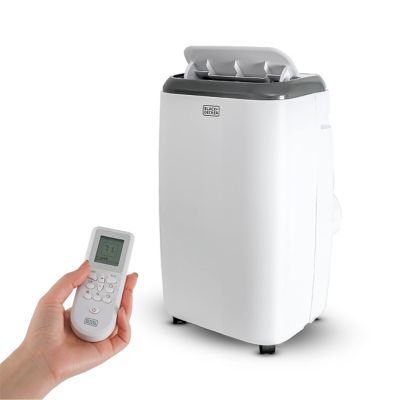
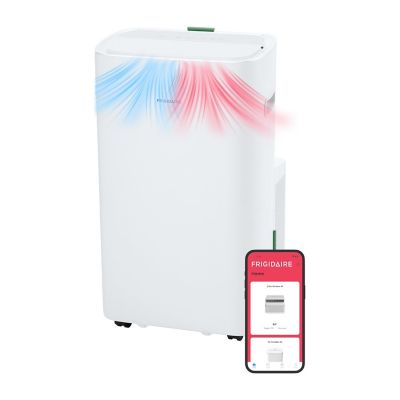
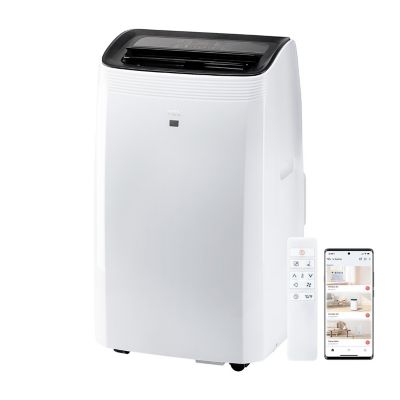
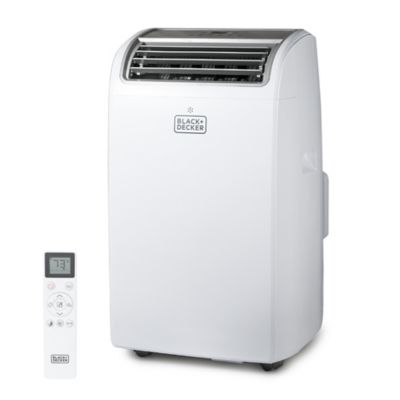
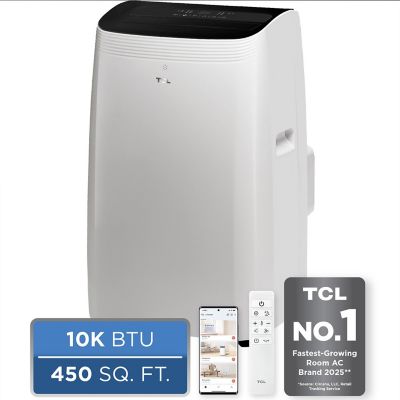
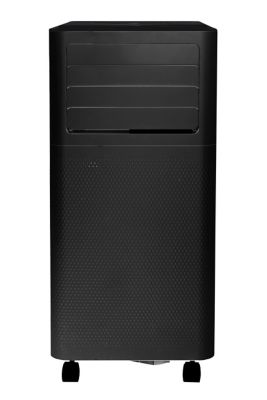
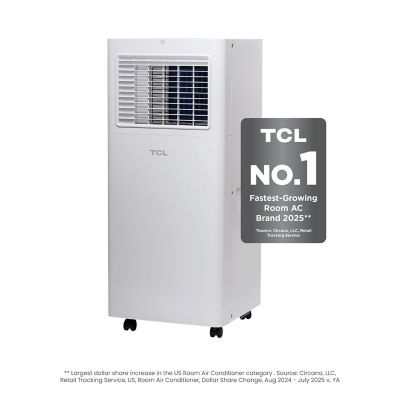
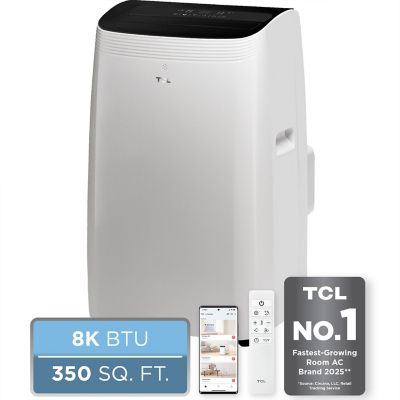
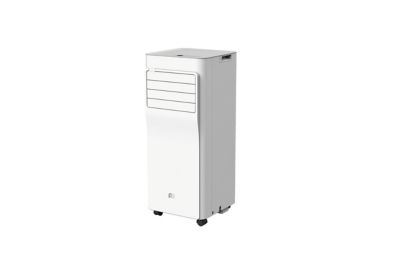
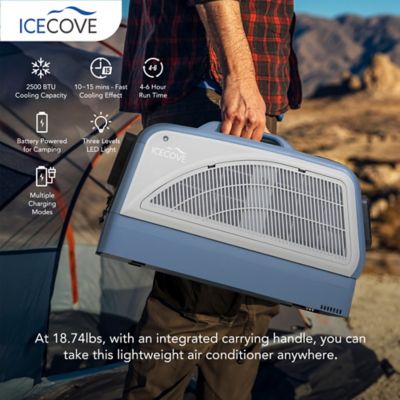
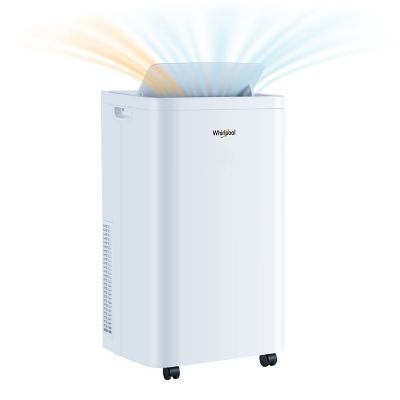
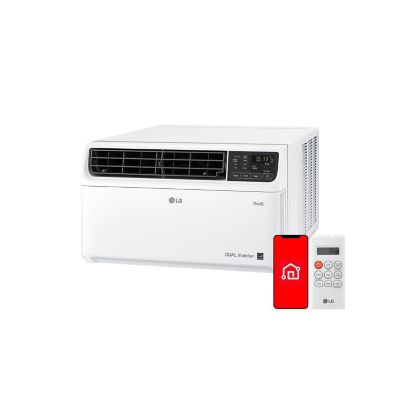
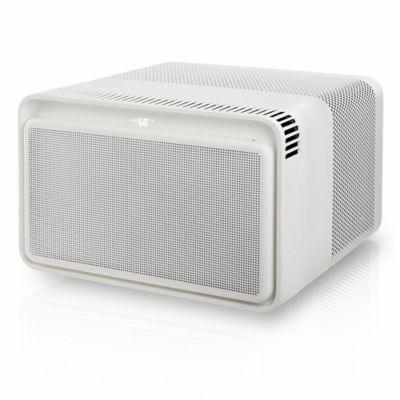
Floor air conditioners, also called portable air conditioners, offer a handy way to cool a room without installing a permanent system. These freestanding units sit on the floor and typically roll from one space to another, making them useful in homes, workshops, garages, bedrooms, home offices, guest rooms, cabins and other areas that need spot cooling. Unlike a window unit, a portable AC can often be moved when the seasons change or when one room gets warmer than the rest of the house. It does need to sit near a compatible window, though, because the exhaust hose carries hot air and moisture outside. Most units include a window installation kit for a hung or sliding window, but it is worth checking the window dimensions, hose length and kit design before bringing one home. A good fit helps prevent gaps around the panel, keeps cooled air indoors and makes setup less of a chore. Floor air conditioners are especially useful in older homes, rental properties, outbuildings and rooms where a permanent installation is not practical. They can also lend a hand during those warm stretches that show up between cooler seasons, when running the central system for the whole house feels like overkill. For another way to move air around a room, browse
Fan Air Conditioners, which can be useful when cooling is not needed or when a little extra circulation will do the job.
Choosing the right floor air conditioner starts with the size and layout of the room. Cooling capacity is measured in BTUs, or British Thermal Units. In general, lower-BTU models are suited to smaller spaces, while larger rooms, open floor plans and areas with high ceilings may call for more cooling power. Square footage is a helpful starting point, but it is not the only thing to consider. A sunny room with large windows, a poorly insulated workshop or a space with several people and heat-producing equipment may need more capacity than a shaded, well-sealed bedroom of the same size. An oversized unit is not always the best choice, either. If it cools the air too quickly without removing enough humidity, the room can feel damp and clammy. Check the manufacturer’s recommended coverage area and consider the room’s insulation, sun exposure and ceiling height before settling on a size. Floor air conditioners commonly include more than one operating mode, such as cooling, fan-only and dehumidifying. Cooling mode lowers the temperature, fan mode circulates air without active cooling and dehumidifying mode helps pull moisture from muggy indoor air. Some models also include a heat function for taking the chill off during cooler months. A built-in heater may be convenient for a bedroom, office or enclosed porch, but it should be viewed as supplemental heat rather than a replacement for a primary heating system. Reading the operating instructions will help you understand whether a mode requires a drain hose, how often the water tank needs attention and whether the unit is intended for continuous use.
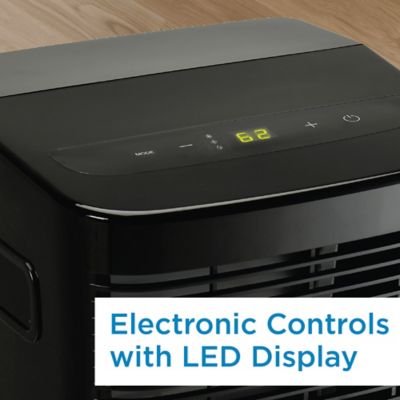
Everyday details can make a real difference once the unit is in place. Look for sturdy casters and handles if you plan to move the air conditioner between rooms, and measure doorways, hallways and storage areas before choosing a larger model. Noise ratings matter in bedrooms, nurseries, offices and light sleepers’ spaces, so compare the listed decibel level and consider whether the unit will run while people are working or resting. Programmable timers, remote controls and simple digital displays make it easier to cool a room on a schedule, while Wi-Fi controls can be useful when you want to adjust settings without crossing the room. Washable filters help protect the unit from dust, pet hair and bits of hay or shop debris, but they still need regular cleaning so airflow does not suffer. Keep the intake and exhaust areas clear, leave the recommended space around the cabinet and avoid placing the unit where curtains, furniture or stored supplies can block ventilation. In a dusty farmhouse, tack room office or garage workspace, checking the filter more often may help keep performance steady. A portable AC may collect water during dehumidifying or cooling, depending on the design and indoor humidity. Some units use self-evaporation to send moisture out through the exhaust hose, while others require a drain pan or hose, especially in very damp conditions. Floor air conditioners can make practical gifts for someone moving into a first apartment, setting up a backyard office, finishing a workshop or preparing a guest room, particularly when permanent cooling is not on the project list. They are also helpful for households that need to cool one occupied room instead of lowering the temperature throughout the entire home. Set the unit on a level floor, secure the window panel, seal the vent connection and give the system a little room to breathe. With the right size and a sensible setup, a floor air conditioner can keep a hardworking space more comfortable through warm afternoons, changing weather and those unexpected days when the air indoors feels heavier than it ought to.