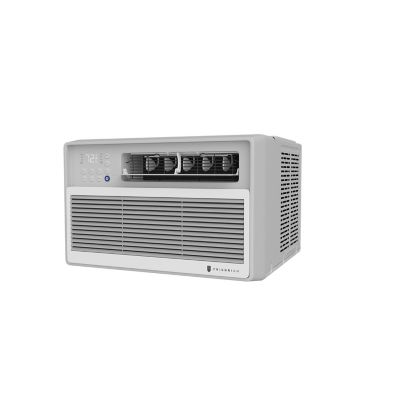
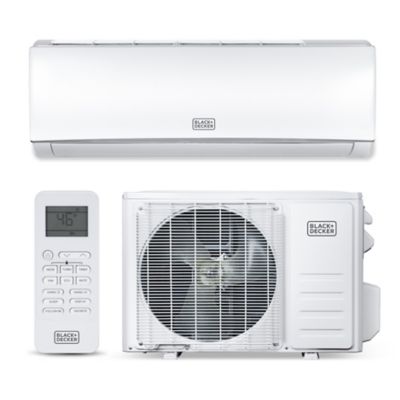
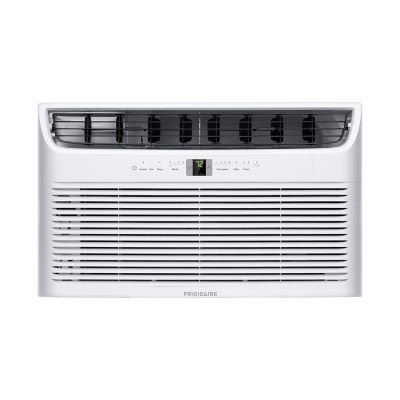
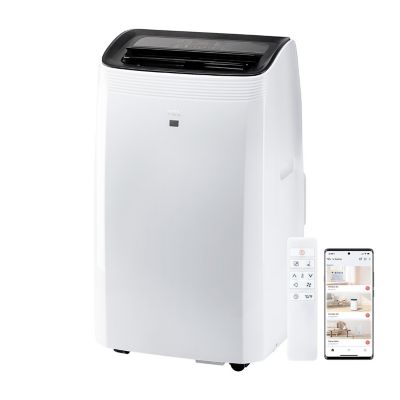
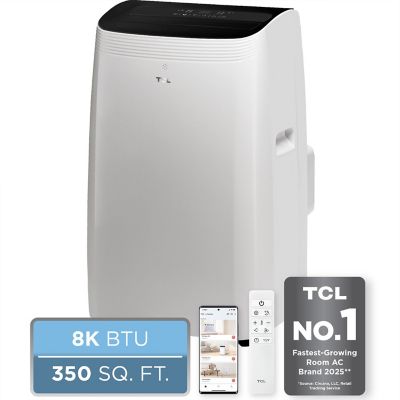
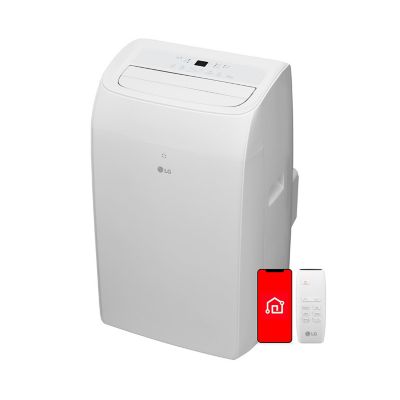
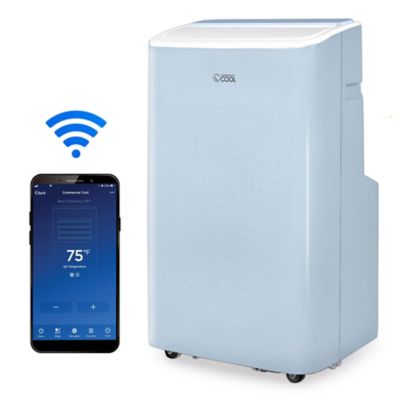
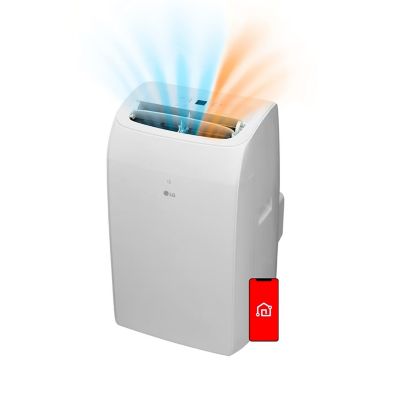
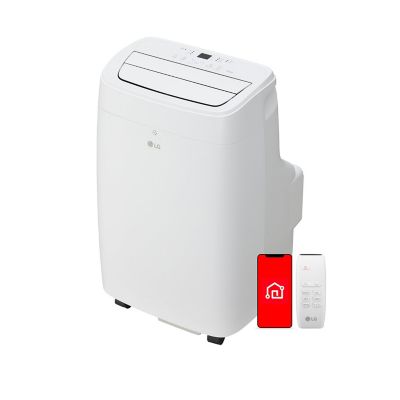
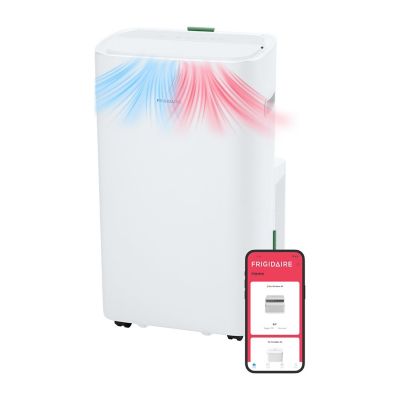
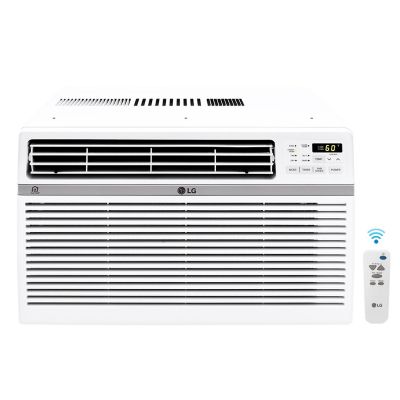
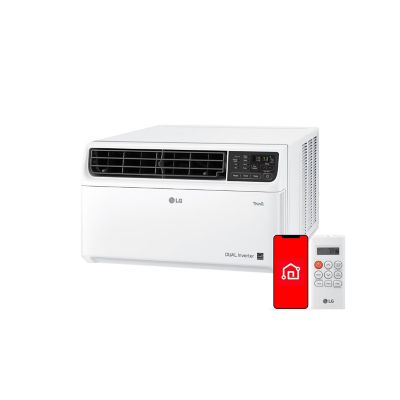
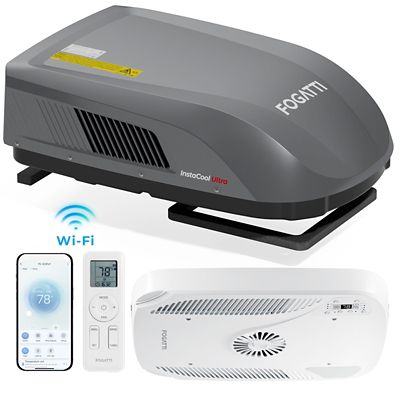
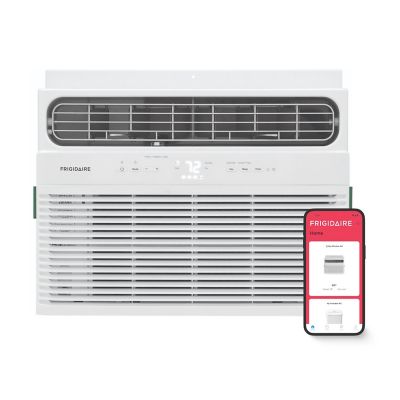
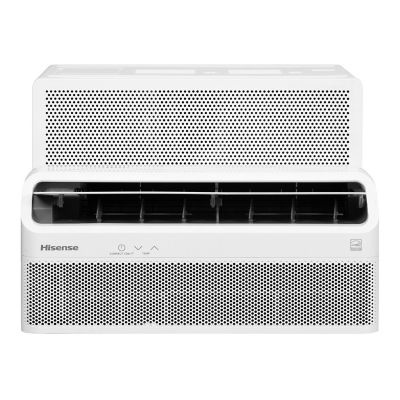
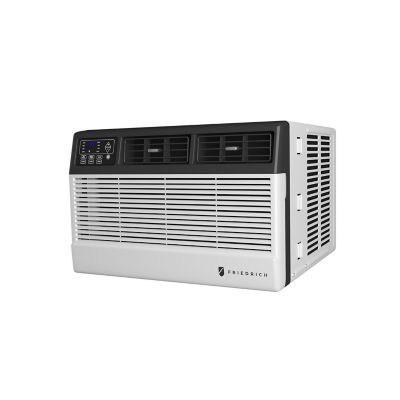
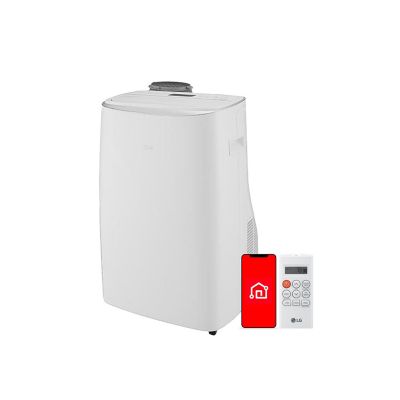
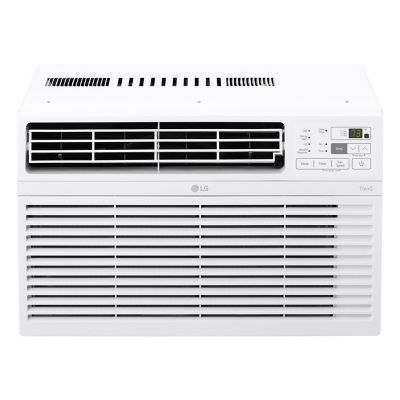
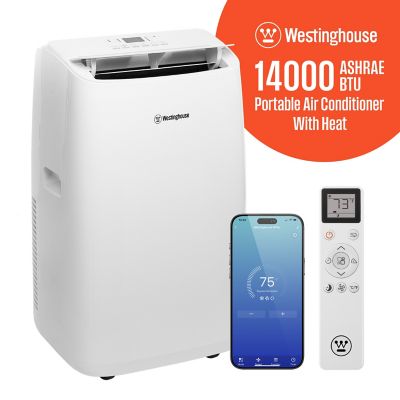
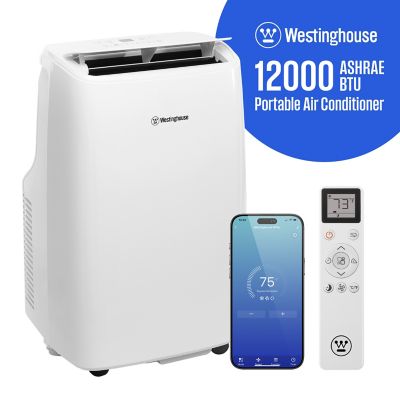
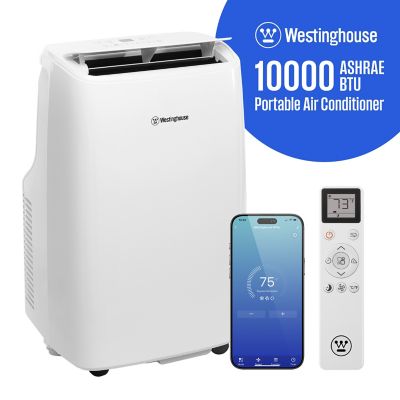
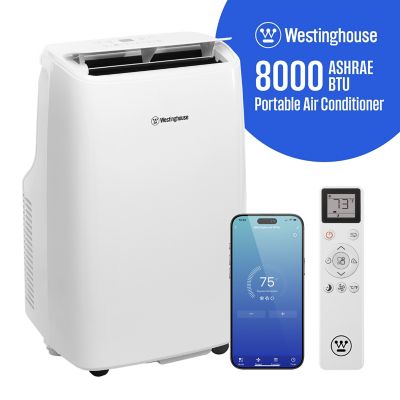
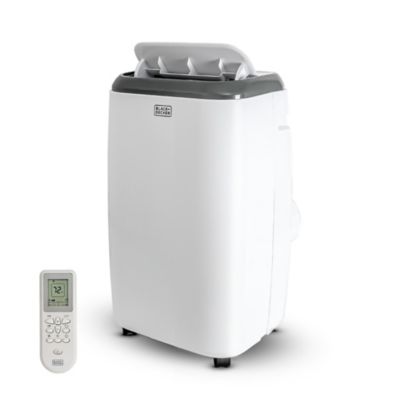
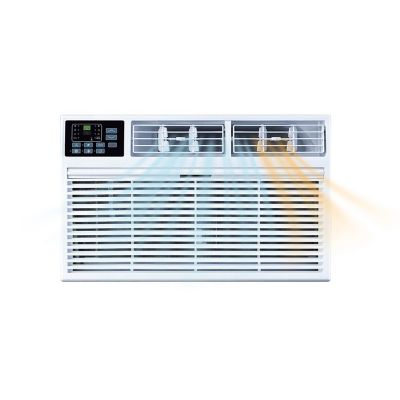
A Wi-Fi air conditioner is a cooling unit that connects to a wireless network, letting you adjust compatible settings through a smartphone app instead of relying only on buttons or a handheld remote. Depending on the model, those settings may include the target temperature, fan speed, operating mode, timers, and recurring schedules. Some units also support voice control, filter reminders, or energy-use monitoring, though those features vary by model and app. Many Wi-Fi air conditioners connect to a 2.4 GHz network, so wireless requirements matter just as much as phone compatibility. Remote control generally needs an internet connection at the air conditioner and internet access on the phone; being away from home does not mean the phone has to stay within range of the house’s Wi-Fi. That setup can come in handy when the day takes you from the kitchen table to chores outside or keeps you away longer than planned. A compatible app can let you change a setting without walking back to the room, while a schedule can match cooling to regular routines. Wi-Fi window air conditioners and Wi-Fi portable air conditioners bring these connected controls to different room layouts, but the wireless connection does not increase cooling capacity or replace proper installation. The unit still needs the right electrical supply, clear airflow, and a suitable place to release heat outdoors. For a back bedroom, home office, or enclosed living space, smart controls are most useful when they work alongside cooling performance that suits the room. App sharing may also let more than one household member manage settings, with account permissions depending on the system. Traditional controls remain worth checking, too, especially for anyone who would rather press a button at bedtime than reach for a phone. A straightforward display, readable settings, and an easy-to-reach filter can matter every bit as much as connected features. Before settling on a type, consider how the room functions throughout an ordinary day, not just where the air conditioner will sit.
Room size is a starting point for cooling capacity, but ceiling height, direct sunlight, insulation, and open doorways also affect the load. A sunny upstairs bedroom can need a different setup than a shaded room with the same floor area. Cooling capacity is expressed in BTUs per hour, and the manufacturer’s room-size recommendations help put that number in context. Too little capacity can leave a unit running for long stretches without reaching the set temperature. Too much can cool the space quickly without removing as much moisture as needed for comfortable conditions. Portable air conditioners may show more than one capacity rating; the Department of Energy’s seasonally adjusted cooling capacity, often labeled SACC, provides a standardized measure for comparing portable units. Window units need a compatible window opening, adequate support, and installation hardware suited to the opening. Window style, sash clearance, side-panel fit, and the space outside the window all deserve attention before installation. Renters may also need permission before adding brackets or making changes to a window frame. For rooms where a window-mounted cabinet is not the preferred fit,
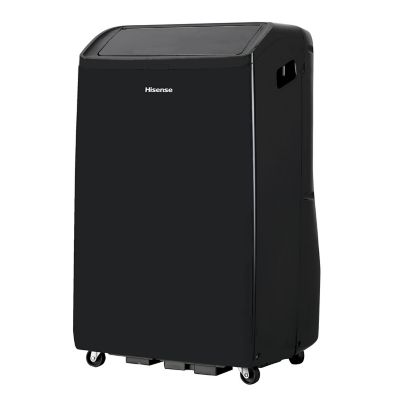
Floor Air Conditioners offer another format to consider, with portable designs that typically vent through a hose and window kit. A floor-standing unit still needs room around its air intake and a practical route for the exhaust hose. Wheels can help with repositioning on a level surface, but moving between rooms also means arranging the vent and any drainage requirements again. Metal cabinets, molded housings, louvers, handles, and casters serve different purposes across these designs, so their construction should suit the intended placement. A unit beside a desk needs a different footprint than one tucked near a bedroom window. Power requirements matter as well: voltage, amperage, plug configuration, and the manufacturer’s outlet instructions need to match the home’s electrical setup. Extension cords and power strips are generally unsuitable for room air conditioners; follow the unit’s electrical instructions rather than stretching a cord across the floor.
Everyday comfort comes down to more than the number on the display. Fan settings, airflow direction, sound levels, and moisture removal all shape how a Wi-Fi air conditioner feels in a room. Adjustable louvers can direct air across a living area rather than straight at a favorite chair, while sleep settings may change operation for nighttime comfort. Check what each mode actually does, since an energy-saving mode, dry mode, and fan-only mode serve different purposes. Fan-only operation circulates air without active cooling, and moisture removal during cooling does not make every air conditioner a substitute for a dedicated dehumidifier. Sound ratings can help with comparisons, although the room, fan setting, and installation also influence what reaches the bedside or worktable. A steady, well-supported installation can help limit rattles, and curtains or furniture should not block the intake or discharge. Routine care supports airflow and helps keep the equipment working as intended. Filters need inspection and cleaning or replacement at the intervals in the manual; only washable filters should be washed, and they should be fully dry before going back in. Disconnect power before cleaning, keep water away from electrical components, and follow the manufacturer’s directions for cabinet care, drainage, and storage. A portable unit’s condensate handling can vary with operating mode and indoor humidity, so drain access deserves a spot in the placement plan. Connected features need attention of their own, including app updates, account security, and a Wi-Fi signal that reaches the installation location. Thick walls or a room far from the router can interrupt app control even when cooling works normally. Local controls and behavior after a power interruption are useful features to understand before leaving a schedule unattended. Wi-Fi controls add convenience, but they are not a substitute for checking on people or animals who depend on safe indoor conditions. With suitable capacity, a sound installation, and manageable upkeep, connected cooling can fit into household routines without making a simple temperature adjustment feel like another chore.