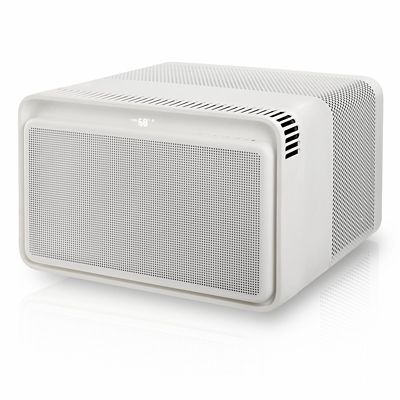
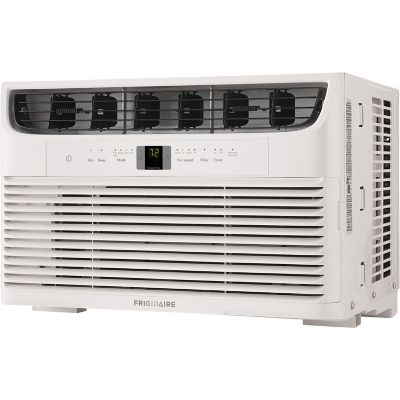
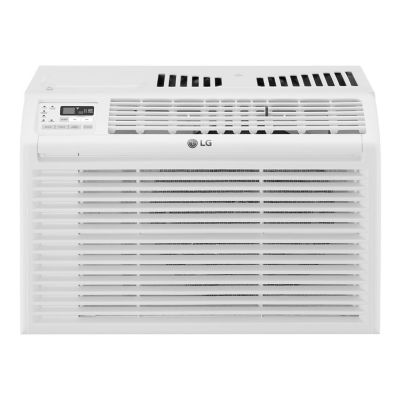
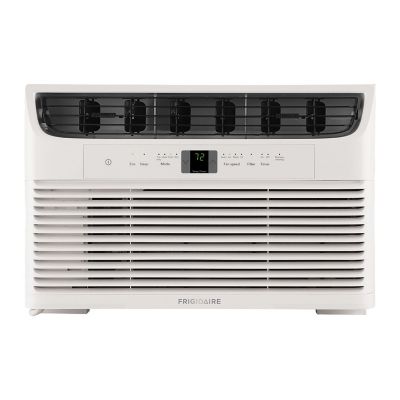
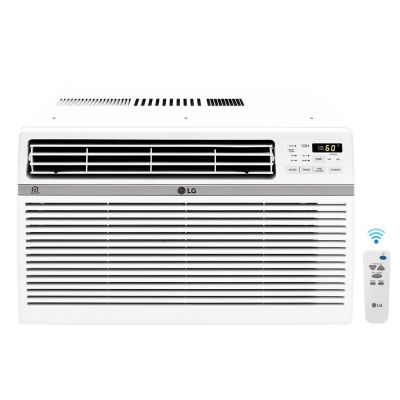
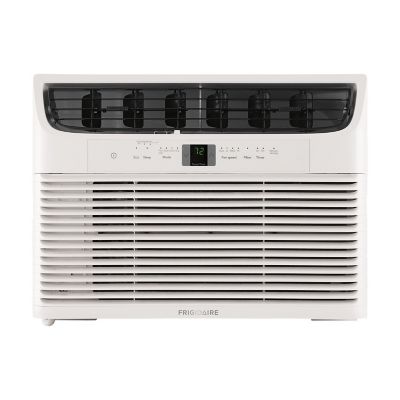
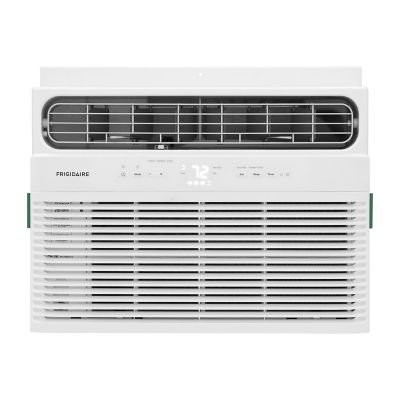
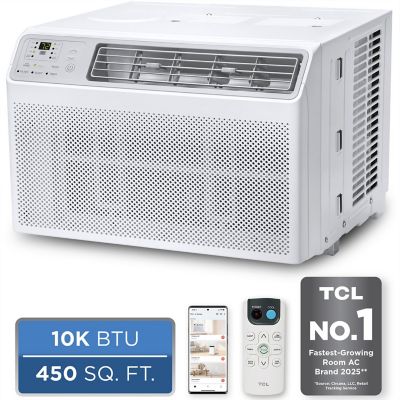
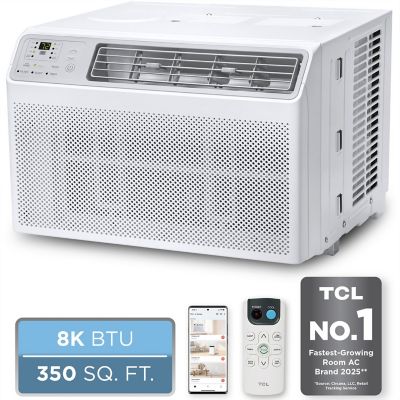
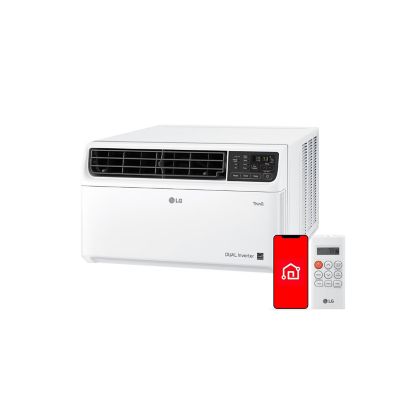
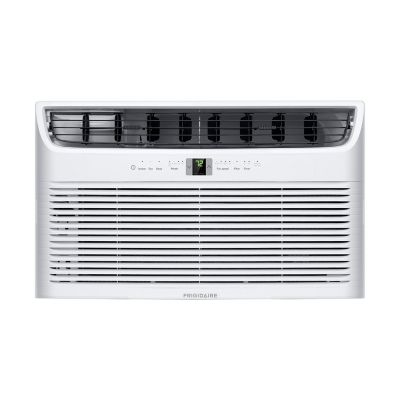
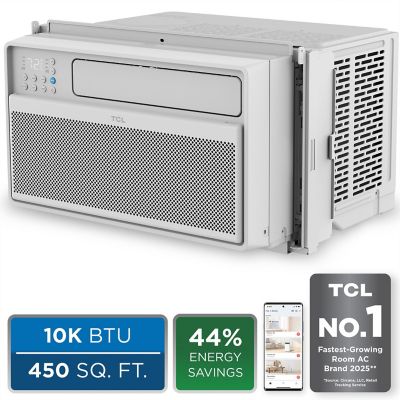
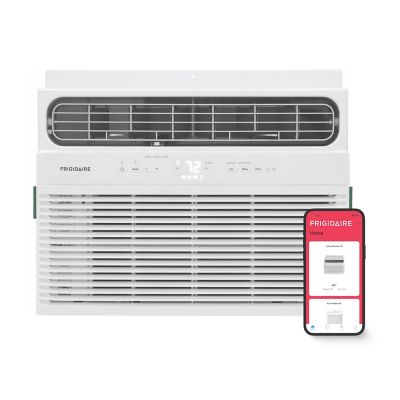
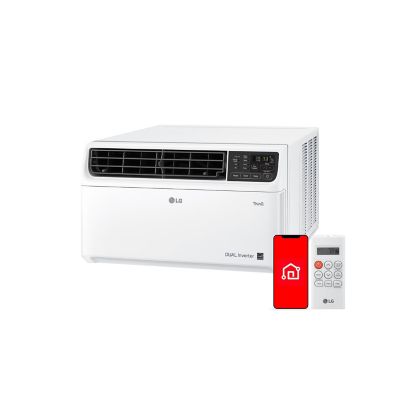
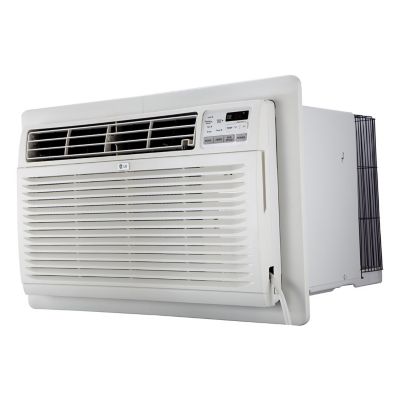
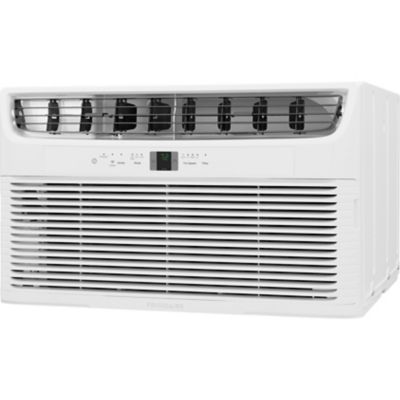
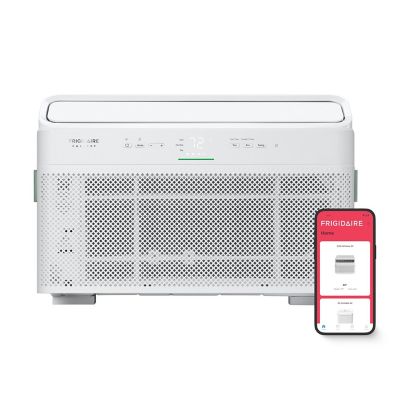
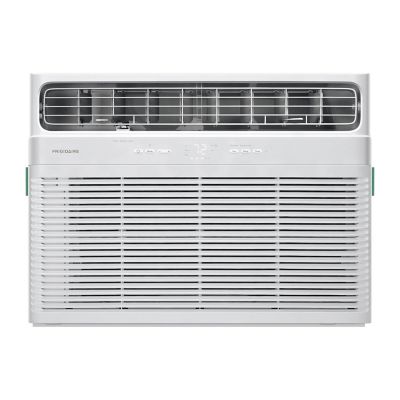
Window air conditioners for apartments bring cooling to the rooms where daily life happens, from a bedroom tucked beneath the roof to a living room that doubles as a home office. They fit into a compatible window opening, with the cooling side facing indoors and the heat-releasing section extending outside. That setup leaves more floor space for a kitchen table, a reading chair or a place to kick off work boots. For renters and apartment owners, the right match depends on room size, layout and window fit rather than cooling power alone. Cooling capacity is measured in British thermal units, or BTUs, and the listed square-foot coverage provides a starting point for comparing units. As a general reference, a 5,000 BTU window air conditioner often serves a room of about 100 to 150 square feet, while a 6,000 BTU unit commonly covers about 150 to 250 square feet. An 8,000 BTU unit often suits roughly 300 to 350 square feet, and a 10,000 BTU unit may cover about 400 to 450 square feet. These ranges are estimates; the manufacturer's sizing recommendations, ceiling height, sunlight, insulation and number of occupants all matter. A kitchen or a top-floor room with strong afternoon sun may need more cooling capacity than a shaded bedroom of the same size. Bigger is not automatically better, either. An oversized unit can cool a room quickly and shut off before removing enough moisture, leaving the space feeling clammy. A smaller unit stretched beyond its intended coverage may run for long periods without reaching the selected temperature. Apartment layouts also make a difference: an open studio allows air to circulate more freely than several rooms connected by a narrow hallway. A window unit is generally best matched to a room or connected area, not expected to cool an entire apartment through closed doors. Getting that match right makes the difference between a comfortable place to settle in and one cold corner beside the window.
Window fit deserves just as much attention as room coverage. Many window air conditioners are built for single-hung or double-hung windows with a sash that moves vertically, while sliding and casement windows require equipment specifically designed for those openings. Minimum and maximum opening width, clear opening height and sill depth all affect compatibility. The dimensions of the cabinet alone do not tell the whole story, since mounting hardware and side panels also need room. In an older apartment above a storefront or a rental with narrow bedroom windows, those measurements can rule out a poor fit before installation becomes a headache. A sound window frame and sill are essential, and the mounting arrangement must follow the manufacturer's directions along with building rules and local requirements. Support brackets may be required by the equipment instructions, landlord or local code; a window sash should never be assumed to provide sufficient support by itself. Installation also needs to preserve required emergency escape routes and keep the unit secure above sidewalks, porches and shared outdoor spaces. Lease terms and building approval matter before any mounting holes or exterior changes are made. Inside the apartment, curtains, furniture and shelves should stay clear of the air intake and outlet. Outside, the cabinet needs the specified clearance to release heat. Many units have a metal cabinet, a molded front grille, adjustable louvers and a removable filter, with mounting panels and seals helping close gaps around the opening. Those seals help limit drafts and keep cooled air from escaping, but they cannot make up for an unsupported cabinet or a damaged frame. Electrical fit is another deciding factor. Many smaller window units connect to a properly grounded 115- or 120-volt receptacle, while some larger units require a different voltage or circuit. The appliance label, plug configuration and installation instructions determine the requirement, not BTU capacity alone. A suitable outlet within reach of the factory cord is important, since extension cords and power strips can create hazards and are generally prohibited by manufacturers. When the existing wiring or receptacle is uncertain, a qualified electrician can assess it.
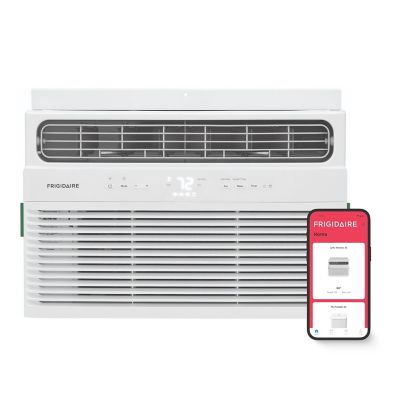
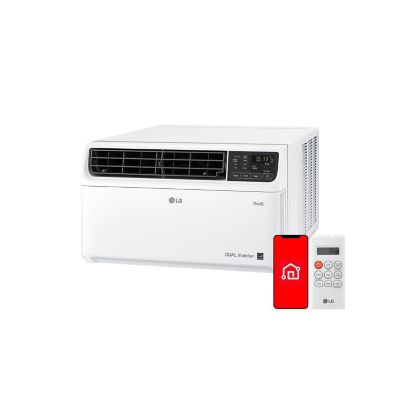
Everyday comfort comes down to more than the number on the thermostat. In a small apartment, the air conditioner may sit a few feet from a bed, television or work desk, making sound levels and airflow settings worth comparing. Published decibel ratings are most useful when they reflect comparable operating modes, since a low-fan setting will not sound the same as maximum cooling. Variable-speed inverter compressors can adjust their output to the cooling demand rather than repeatedly switching fully on and off, which may reduce noise and electricity consumption under suitable conditions. Actual results depend on the unit, room and settings. Adjustable louvers help direct air across a seating area instead of straight at someone's pillow, while multiple fan speeds offer more control over the breeze. Depending on the model, a remote control, timer, sleep setting or connected controls can make adjustments easier without getting up from the couch. EnergyGuide information and the combined energy efficiency ratio, or CEER, help compare energy performance among units with similar cooling capacity; a higher CEER indicates greater efficiency under standardized testing. Routine care helps keep airflow steady. Filters need cleaning or replacement at the intervals specified by the manufacturer, especially in homes with pets or plenty of tracked-in dust. Washable filters should dry fully before reinstallation, and power should be disconnected before cleaning as directed. Outdoor vents need to stay clear, and drainage must follow the unit's design; drilling extra drain holes or changing the mounting angle without manufacturer approval can cause damage. Secure hardware, intact seals and a clean cabinet also support a longer service life. For apartments where window equipment is not permitted or will not fit,
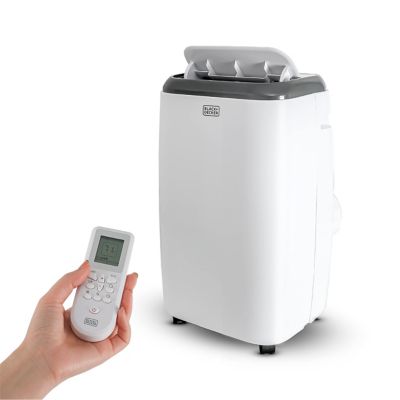
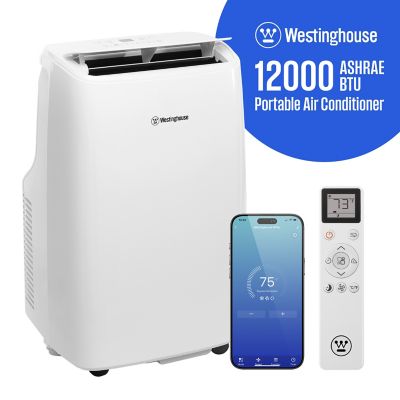
floor air conditioners offer another cooling format, though portable refrigerant-based units still need a suitable exhaust arrangement. Matching the cooling system to the space, building rules and everyday routine helps keep apartment living comfortable without giving up more room than necessary.