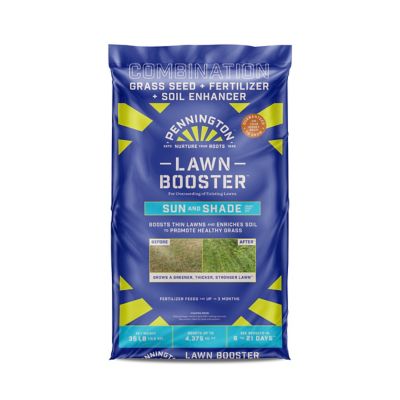
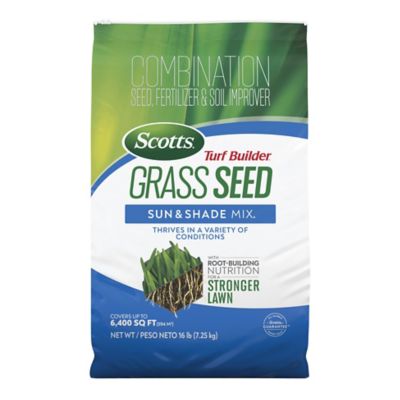
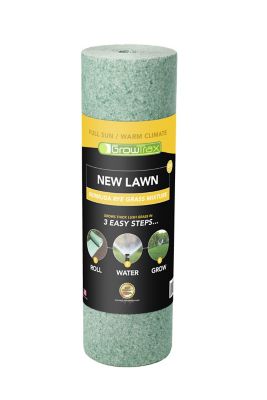
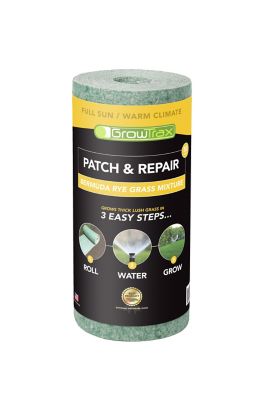
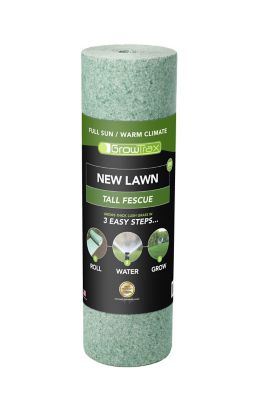
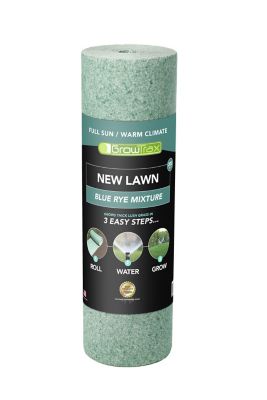
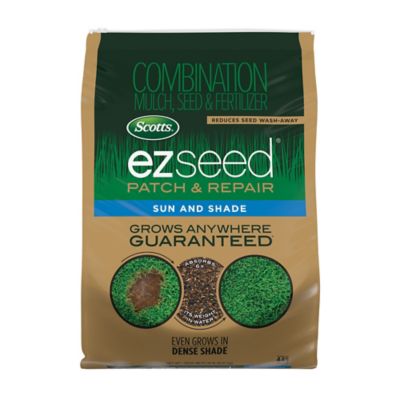
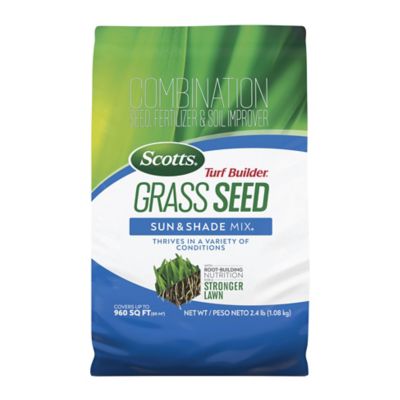
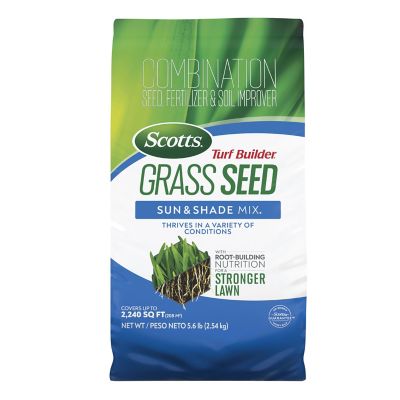
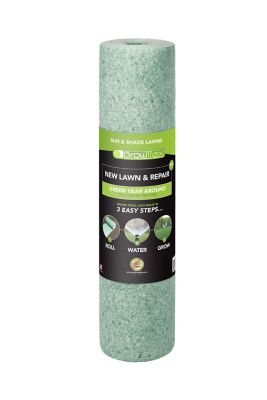
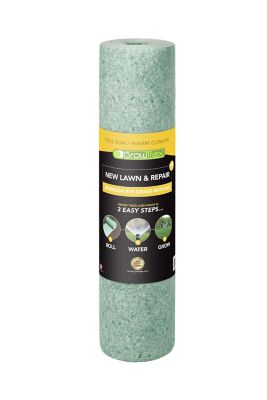
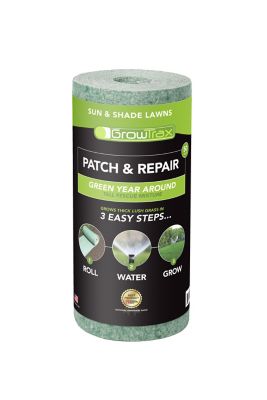
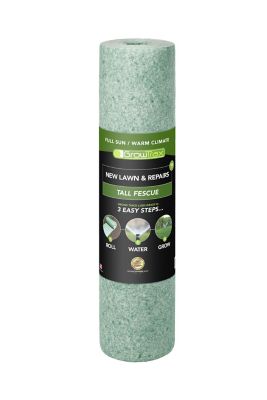
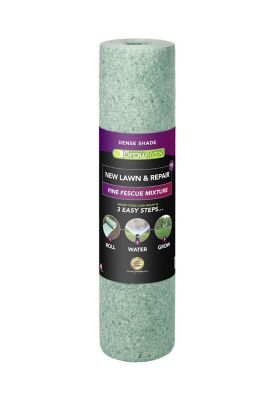
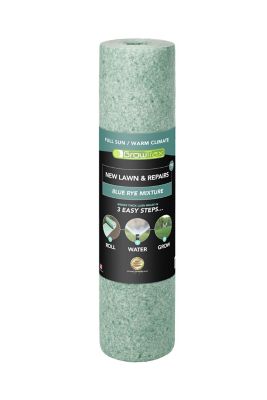
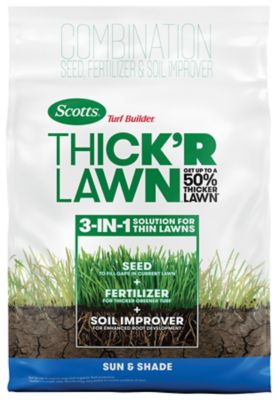
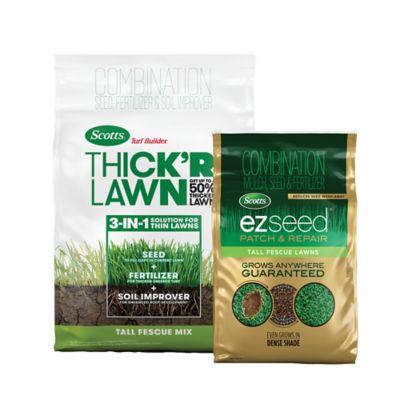
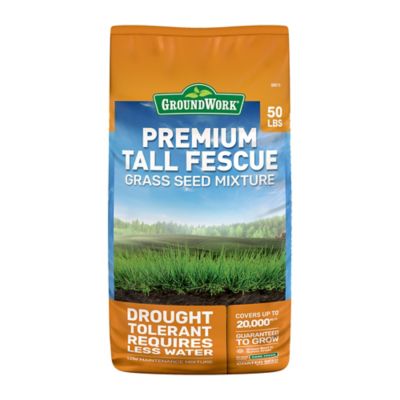
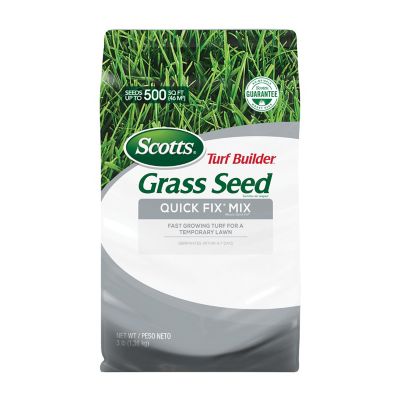
New lawn seeds give bare ground a fresh start, whether the job is a yard around a newly built house, a stretch beside the driveway or an area opened up after grading work. The best grass seed for a new lawn depends on the site’s sunlight, regional growing conditions, soil and expected foot traffic. A lawn where kids play catch and dogs run between the porch and the gate has different demands than a quiet strip along a fence. Grass types also differ in leaf texture, rooting habits and the amount of mowing, watering and feeding they need after establishment. Tall fescue is a common choice for northern and transition regions, with deep-rooting potential and grass that stands up to everyday yard activity once established. Fine fescues have narrower blades and can suit lightly shaded areas with lighter foot traffic, making them worth considering around open tree canopies or less-traveled parts of a property. Perennial ryegrass generally sprouts quickly, while Kentucky bluegrass takes longer to establish and spreads through underground stems that can help fill small gaps over time. Seeded bermudagrass fits many southern locations with plenty of direct sunlight and room for its spreading growth. No grass seed handles every setting equally well, and even shade-tolerant grasses need enough light to grow. The ground beneath a dense tree canopy may also have competing roots, so seed choice alone cannot solve every thin spot. For a yard with both open ground and scattered shade, a grass seed mix may offer a better fit than a single grass type. Matching those traits to the property helps keep the finished lawn closer to the look and maintenance level you want. A broad lawn around a farmhouse might call for steady growth and manageable upkeep, while the smaller space beside a patio may put more emphasis on a fine-textured appearance. Lawn seed is intended for turf areas; livestock turnout, hay production and grazing call for seed selected for those purposes rather than a general yard planting.
The details on a grass seed bag matter as much as the name on the front. A blend generally combines varieties of the same grass species, while a mix brings together different species. Both approaches can serve a purpose, but the listed ingredients tell you what will actually grow. Seed labels show the grass varieties or species, their proportions, germination percentages and information about other seed and inert material. Those details make it easier to compare seed for a full lawn rather than choosing by bag weight alone. Some seed has a coating, and some lawn-establishment combinations include fertilizer or other components intended to support the planting. Coating and added materials contribute to package weight, so coverage directions are a better planning tool than assuming two equally sized bags will plant the same area. For bare ground, look at the new-lawn seeding rate rather than the overseeding rate. Starting a lawn requires more seed coverage than adding grass to existing turf, and the amount varies considerably by grass type. Measuring the planting area also helps keep coverage even across a wide yard, a narrow roadside strip or an irregular space around outbuildings. More seed is not automatically better; crowded seedlings compete for room, moisture and nutrients. The condition of the ground plays a big part in the result, too. Seed needs contact with soil, not a bed of leftover construction gravel, thick thatch or packed-down dirt. A reasonably smooth surface makes mowing easier later, while appropriate grading helps keep irrigation water from collecting against the house or washing through low spots. Soil testing can identify pH and nutrient needs before fertilizer or soil amendments enter the picture. For clay-heavy ground, sandy soil or an area with little topsoil left after construction, the seed choice and soil preparation need to work together. A light protective covering may help hold moisture and limit movement, but grass seed should not disappear beneath a deep layer that prevents seedlings from reaching the surface.
A new lawn also needs care that fits the grass from its first sprouts through regular mowing. During germination, the seedbed needs steady moisture without standing water; a dry surface can interrupt establishment, while puddles may move seed into uneven clumps. Different grasses emerge at different speeds, so a mix may show an early flush of green before every component has sprouted. That first green haze is encouraging, but it is not yet a lawn ready for a family cookout, a running dog or repeated trips with a loaded wheelbarrow. Young roots need time to anchor, and keeping traffic off newly seeded ground helps protect tender growth. On a larger property, that may mean keeping a clear walking route to the shed or separating the new planting from the dogs’ regular path. Once the grass is established, watering can become less frequent and reach farther into the root zone, with the schedule shaped by the soil and the grass itself. Mowing height should follow the needs of the selected grass, and sharp mower blades help cut young leaves cleanly rather than tear them. Taking off no more than about one-third of the blade length at a mowing is a useful rule for avoiding an overly short cut. Feeding needs vary as well, so label directions and soil-test results are better starting points than treating every yard alike. For a closer look at options suited to getting a lawn started,
Easy To Grow Grass Seeds provides another place to compare choices with your property’s needs in mind. Any leftover seed benefits from storage in a dry, protected spot, with the original label kept handy for later planting information. The right match is grass that belongs in your region, fits the light across the yard and can support the way the space will be enjoyed. From a tidy patch by the front steps to an open lawn with room for backyard games, thoughtful seed selection sets the foundation for turf that earns its place around the home.