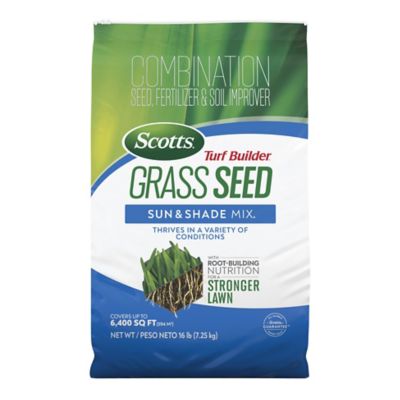
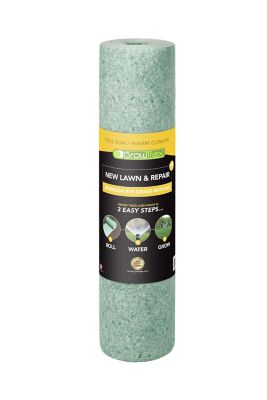
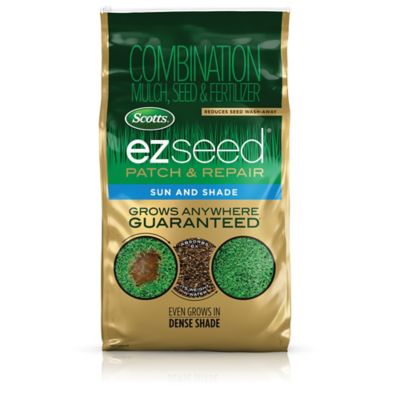
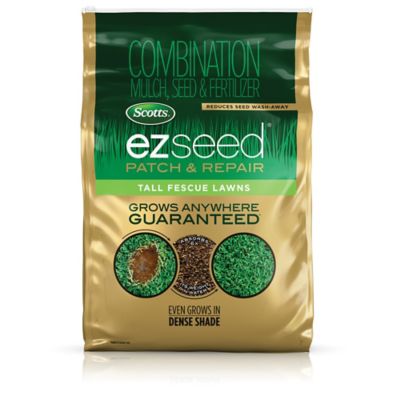
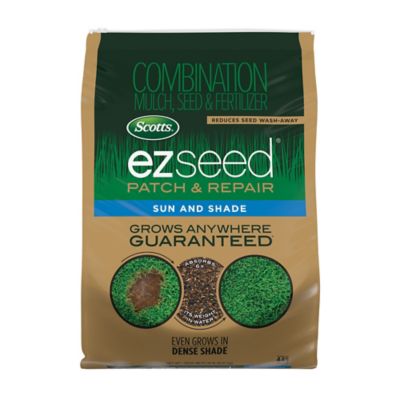
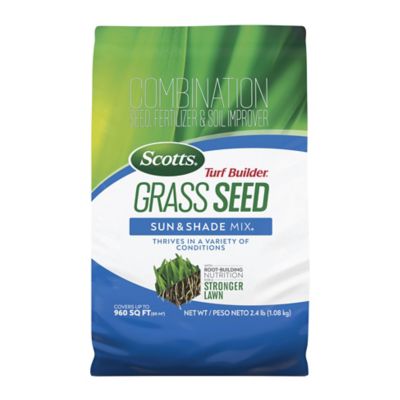
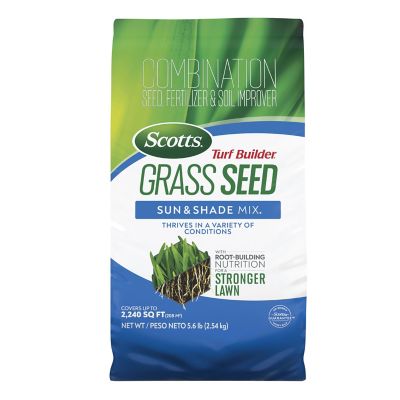
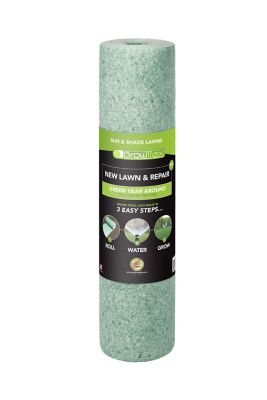
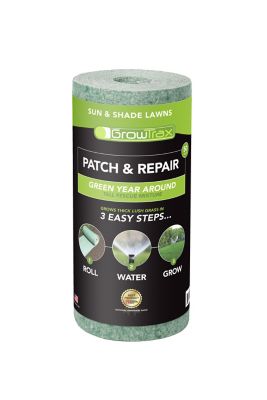
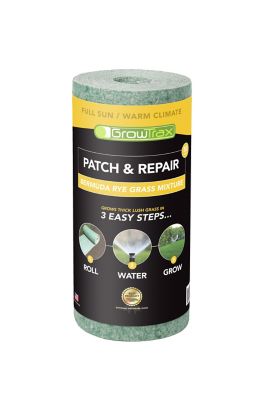
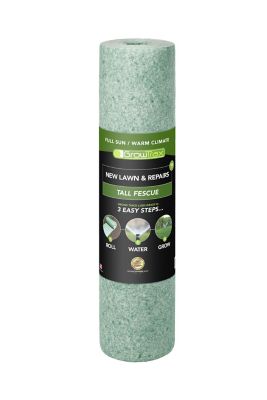
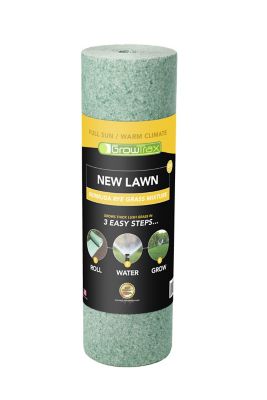
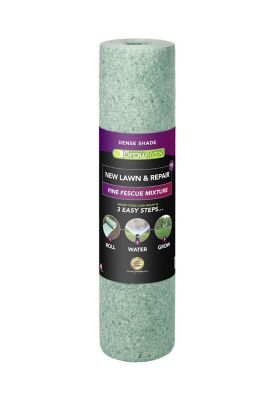
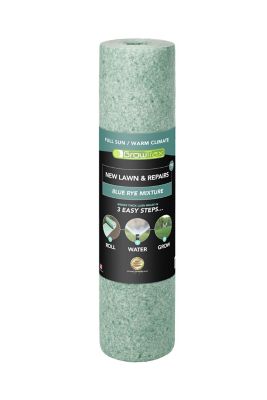
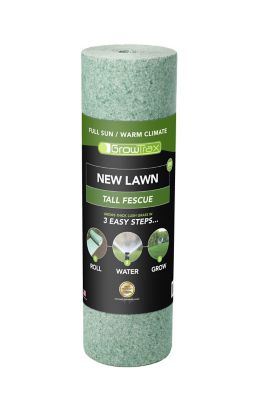
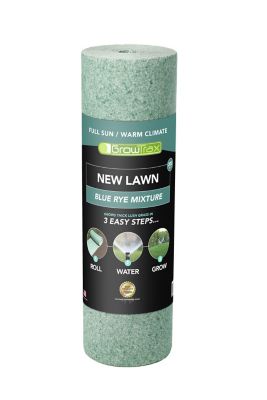
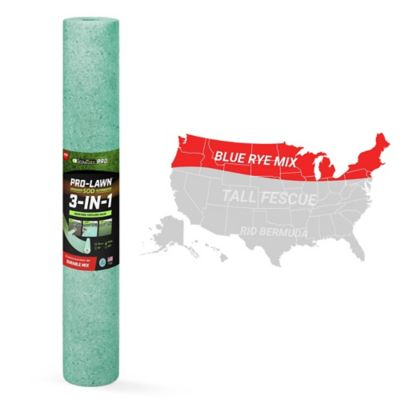
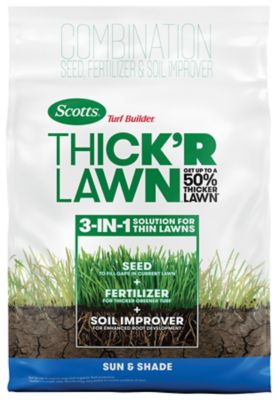
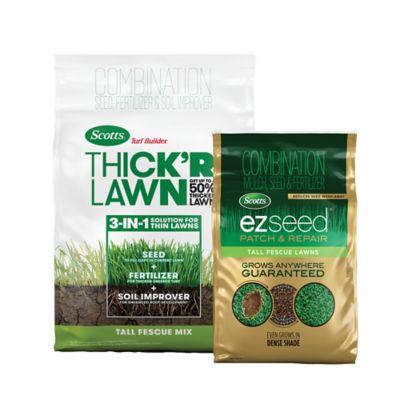
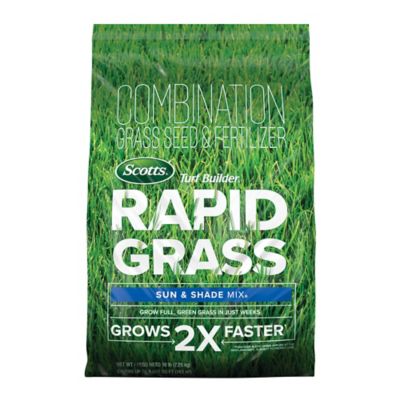
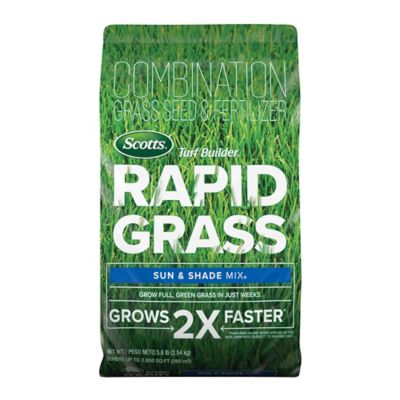
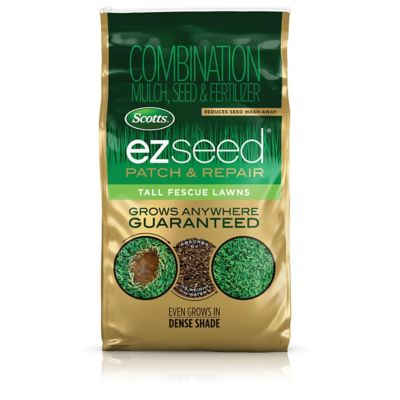
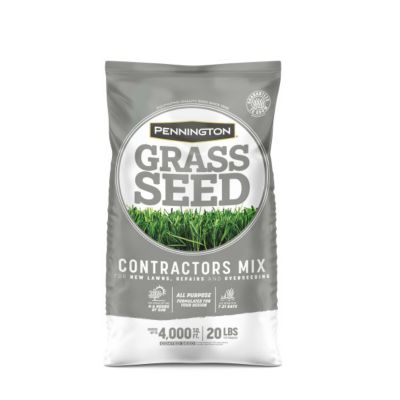
Lawn repair seeds are a handy way to freshen up thin, worn, or bare areas without reworking the entire yard. They can help restore spots left behind by family foot traffic, a parked trailer, summer heat, moving furniture, snow removal, or a favorite four-legged friend that keeps using the same patch as a shortcut. Some repair products contain grass seed on its own, while others combine seed with starter fertilizer and a mulch material that helps hold moisture around the young seedlings. All-in-one patch mixes are especially useful for small bare spots and quick touch-ups because they simplify the job and make it easier to spread an even layer over exposed soil. Standalone grass seed is often a better fit for larger repairs, overseeding thin turf, or matching an existing lawn more closely. When choosing lawn repair seeds, start with the conditions in the area you plan to fix. Take note of how much sunlight reaches the ground, whether the soil stays damp or dries quickly, and what kind of grass already grows nearby. Cool-season grasses, including fescue, ryegrass, and bluegrass types, are commonly selected for lawns that experience cooler growing conditions, while warm-season varieties such as Bermuda grass are suited to regions where hot weather lasts longer. A local grass type usually has the best chance of blending in, so check the seed label for regional recommendations, germination details, coverage rates, and whether the blend is intended for sun, shade, or both. For larger properties, pasture edges, construction areas, and high-traffic spaces that need dependable coverage, explore
Contractor Grass Seeds alongside smaller lawn repair options.
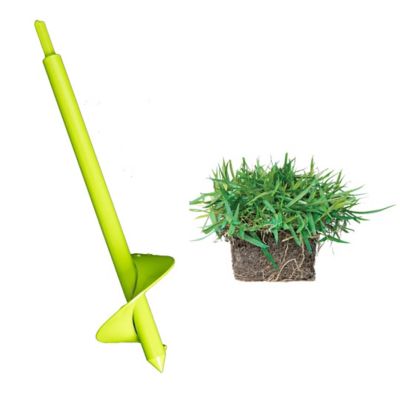
A little ground preparation makes a big difference in how well new grass gets established. Before spreading seed, rake away dead blades, leaves, loose thatch, and other debris so the seed can reach the soil instead of resting on top of a tangled mat. Break up hard-packed ground with a garden rake or hand cultivator, working just deep enough to loosen the surface and create small pockets where seed can settle. If the area is washed out, uneven, or missing topsoil, add a thin layer of quality soil or compost and smooth it level. Follow the application rate on the package rather than piling seed on thick; crowded seedlings compete for water and nutrients, while an even, light covering gives each plant room to develop. After applying a seed-and-mulch mix, gently press it into place if needed, then water thoroughly so the soil is damp without being puddled or washed away. New seed generally needs consistent moisture during germination. Depending on the weather, soil, and seed type, that may mean light watering once or twice a day until sprouts appear, followed by less frequent, deeper watering as the grass becomes established. Mulch that darkens as it absorbs water can make it easier to tell when a small patch needs attention. A simple hose nozzle with a gentle shower setting works well for small repairs; strong spray can move seed downhill or gather it in clumps. During the warmer part of the season, check bare areas more often because wind and heat can dry the surface quickly. As cooler weather arrives, natural moisture may help, but newly seeded patches still should not be allowed to dry out completely. Keep foot traffic, pets, bicycles, and mower wheels off the repair area until the new grass has rooted firmly and reached a mowable height. The first mowing should be light, with sharp blades and no more than the recommended amount of the grass removed at one time.
Lawn repair seeds can be useful for homeowners caring for a small front yard, landlords preparing a rental property, caretakers maintaining a country driveway, or anyone hoping to make a well-used outdoor space look cared for again. They also make a practical gift for a new homeowner, a neighbor who takes pride in the yard, or a friend getting ready to improve the space around a barn, workshop, or play area. For a gift or general household supply, an easy-to-use patch mix may be the most approachable choice, while an experienced gardener or property manager may prefer a larger bag of seed selected for a particular grass type and growing region. Pay attention to package coverage so you have enough for the whole repair instead of stopping halfway across a bare strip. It is also smart to consider the cause of the damage before planting: redirect downspouts that wash soil away, loosen compacted areas near gates and walkways, improve drainage where water stands, and use a temporary barrier if pets or children repeatedly cross the spot. Seed cannot overcome ongoing traffic or unsuitable growing conditions by itself. In late summer and through the cooler months, many lawns benefit from repair work when soil moisture is easier to maintain, though the right timing depends on the grass variety and local weather. Avoid spreading seed immediately before heavy rain, during frozen conditions, or when the ground is too hot and dry for regular watering. With the right match of seed, soil contact, moisture, and protection, a rough brown patch can gradually fill with fresh green growth and blend back into the surrounding lawn. Inspect each option for its intended use, coverage, grass blend, and care directions so you can choose lawn repair seeds that fit the size of the job and the way your yard is used.