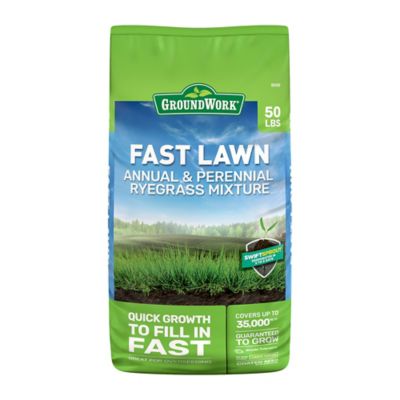
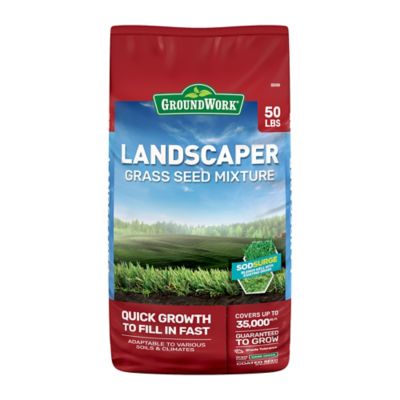
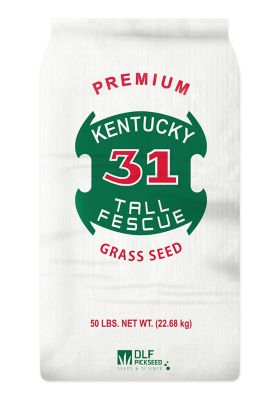
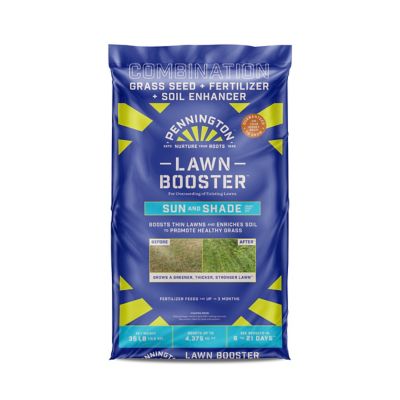
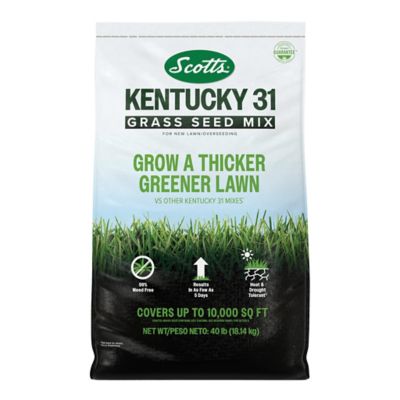
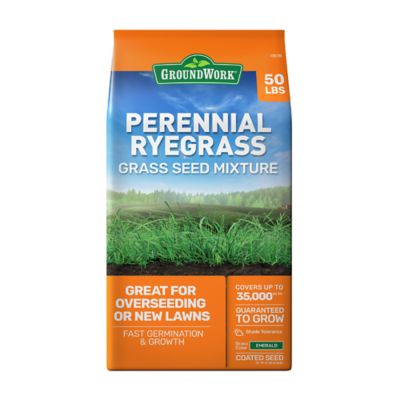
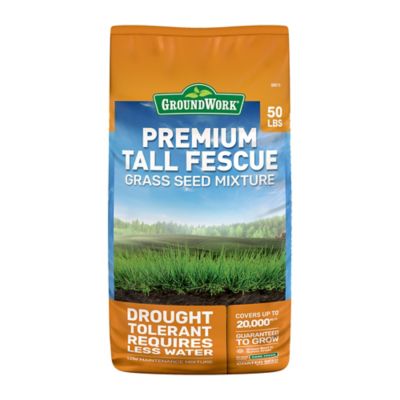
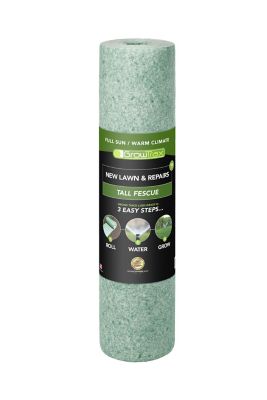
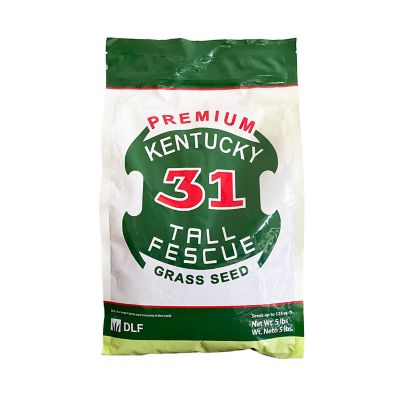
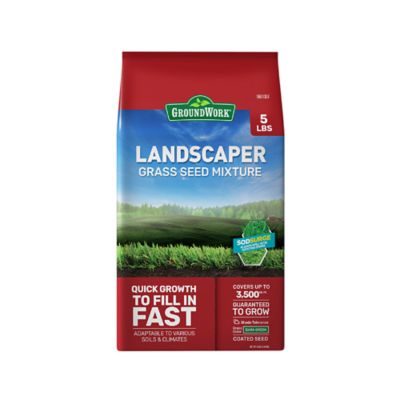
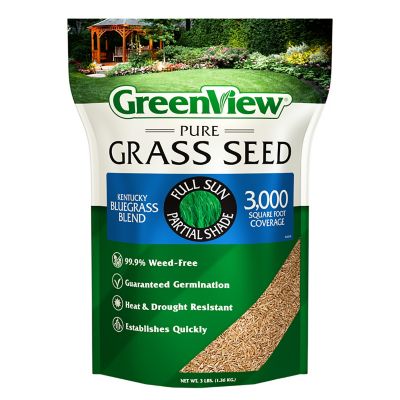
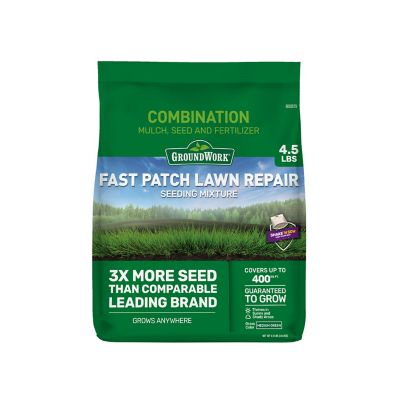
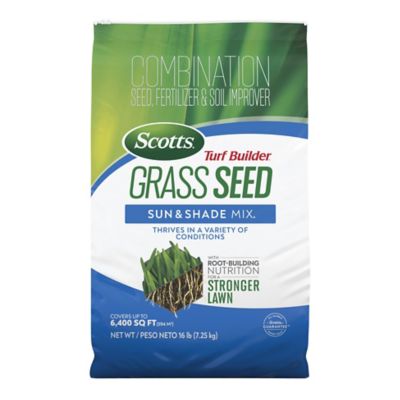
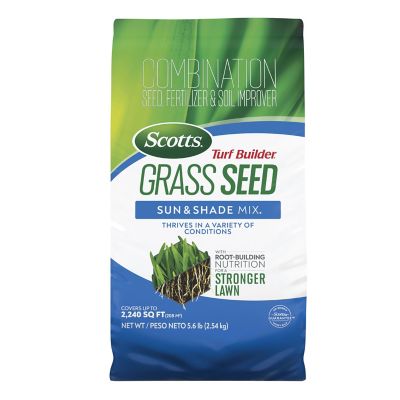
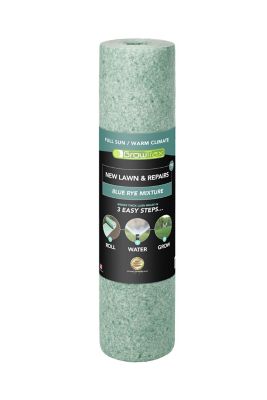
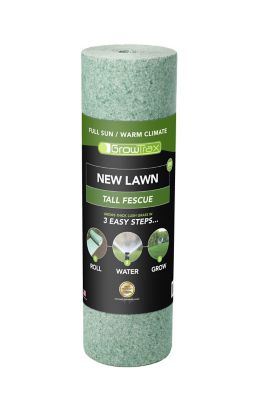
Contractor grass seeds are blends intended to establish grass cover across bare or disturbed ground, often following construction, grading, utility work or other projects that leave soil exposed. Fast establishment is a common goal, but the name “contractor mix” does not describe one fixed seed formula. Depending on the blend, contractor grass seed may contain annual ryegrass, perennial ryegrass, tall fescue, fine fescue or a combination of grasses chosen for different growing conditions and purposes. Ryegrass often provides the first green growth, while suitable perennial grasses can contribute longer-lasting turf. Some blends serve mainly as temporary cover; others support a lawn that will remain in place with proper care. That distinction matters whether the job involves a newly graded front yard, a strip beside a driveway or the ground around a finished workshop. Builders, landscape crews, property managers and homeowners may all look to contractor mixes when a project calls for covering a sizable stretch of dirt rather than matching a small patch of established turf. Early grass growth can help reduce soil movement as roots develop, though seed alone does not immediately stabilize bare ground or replace erosion-control materials where those are needed. Germination also varies by species, seed condition, soil contact and moisture. Ryegrass may begin sprouting in roughly five to ten days under suitable conditions, while other components can take two to three weeks or longer. A blended planting may therefore fill in gradually rather than emerge all at once. For a property owner looking across wheel tracks and freshly spread topsoil, the main consideration is what the finished area needs to become: short-term ground cover, a practical lawn or a base that will receive additional seeding. Contractor grass seed is best understood by its ingredients and intended purpose, not by an assumption that every bag produces the same appearance or lifespan. Quick green growth and a lasting lawn are related goals, but they are not interchangeable.
The seed label provides the clearest picture of how a contractor grass seed blend fits the job. Species and variety names, percentages by weight, germination information, test dates and the amounts of inert material and weed seed help explain what is inside. Annual ryegrass can establish quickly but does not provide a lasting perennial lawn on its own. Perennial ryegrass can remain part of an established lawn where conditions suit it, while turf-type tall fescue generally forms bunches and contributes deeper rooting once established. Fine fescues can fit some lower-input or partially shaded settings, depending on the species and site. These differences affect leaf texture, mowing needs, traffic tolerance and how well a seeded area blends with nearby grass. A broad stretch behind a storage building may not need the same uniform appearance as the lawn beside a front porch. Likewise, a narrow repair along a trench can stand out if its grass has a different blade width or growth habit from the surrounding turf. Sun exposure, soil drainage, local growing conditions and expected foot traffic all influence the fit. Grass suited to an open yard may struggle beneath dense tree cover, and no seed blend makes up for standing water or severely compacted soil. For projects centered on establishing a lasting yard from bare ground,
New Lawn Seeds offers a related starting point when considering the intended end result. Seed coatings are another distinction worth checking. Some seed has a coating intended to support moisture management or carry other planting ingredients, so total package weight is not necessarily the weight of grass seed alone. Coverage statements and application rates need to be read alongside that information. Rates for a new planting commonly differ from rates for filling in an existing lawn. Measuring the actual planting area helps match the amount of seed to the project, whether it is a long roadside strip, several scattered repair spots or an entire house lot.
How a contractor mix performs after planting depends as much on the ground beneath it as on the blend itself. Construction sites often have compacted subsoil, scattered rubble or only a thin layer of topsoil, leaving young roots with a tougher start than the finished surface suggests. A soil test can identify pH and nutrient needs, while a firm, prepared seedbed allows close contact between seed and soil without burying small grass seeds too deeply. That contact supports even emergence; seed sitting on a hard crust or caught in a thick layer of debris may not establish well. Spreaders help distribute seed across open areas, but the equipment setting depends on seed size, coating and the stated application rate rather than one universal number. More seed is not automatically better, since crowded seedlings compete for light, water and nutrients. Gentle, consistent watering during establishment helps keep the seedbed moist without sending seed into low spots. On sloped ground or areas exposed to runoff, an appropriate erosion-control blanket or other stabilization method may be necessary while roots take hold. Those materials serve a different role from the seed itself and should suit the site. Newly sprouted grass also needs protection from repeated foot traffic, mower tires and parked equipment. The path from the driveway to the shop can stay thin if everyone keeps cutting across it before the turf establishes. Once growth reaches the mowing height recommended for the grasses in the blend, careful mowing with a sharp blade supports a more even stand. Ongoing mowing, watering and feeding needs follow the grass species, not simply the contractor label. Temporary cover containing annual grass may require replacement or additional seeding to meet a long-term lawn goal. Leftover seed benefits from storage in a dry, protected place with the label intact so its composition and test information remain easy to check. A well-matched contractor blend gives bare ground a practical starting point, with the finished result shaped by site preparation, realistic expectations and the care that follows planting.