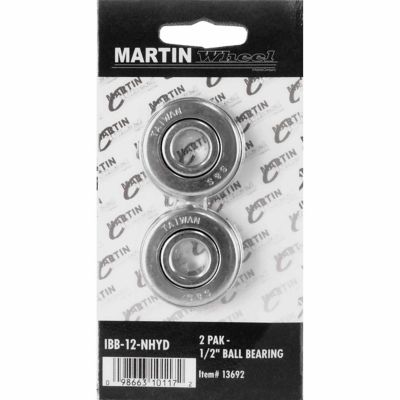
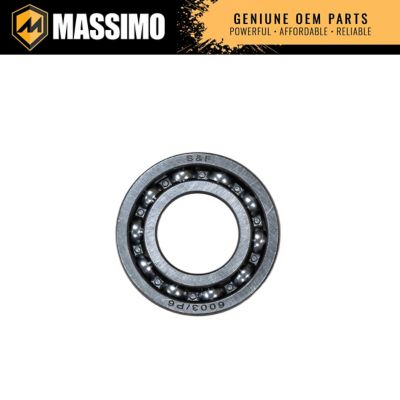
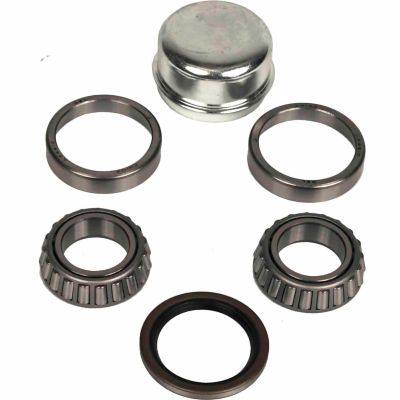
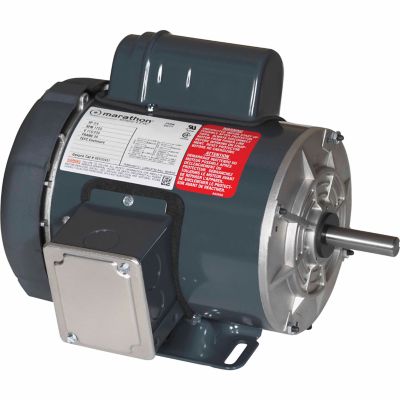
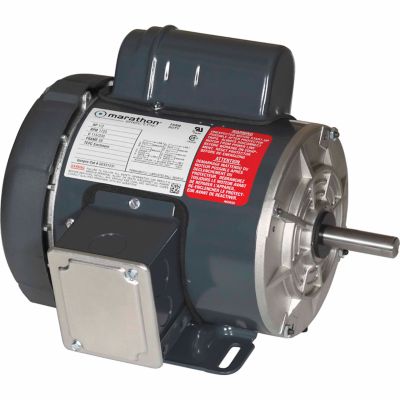
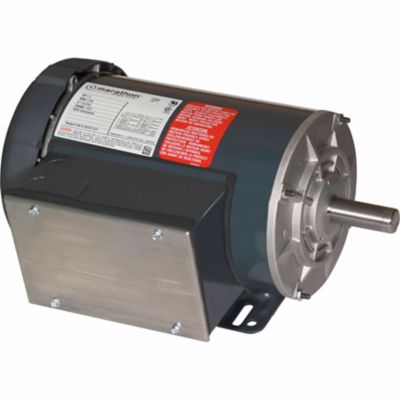
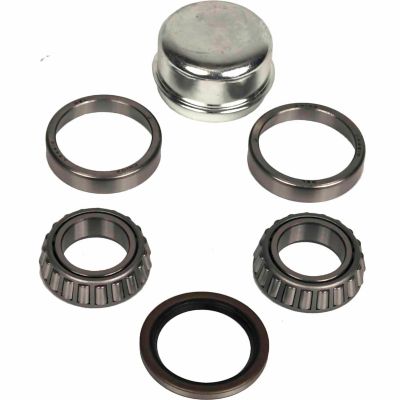
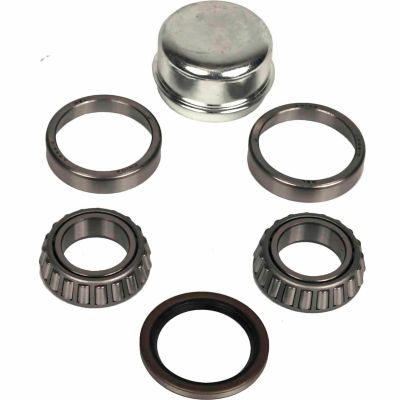
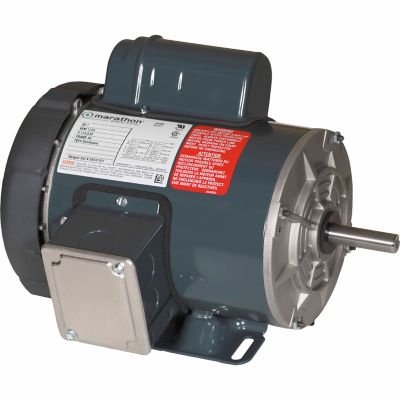
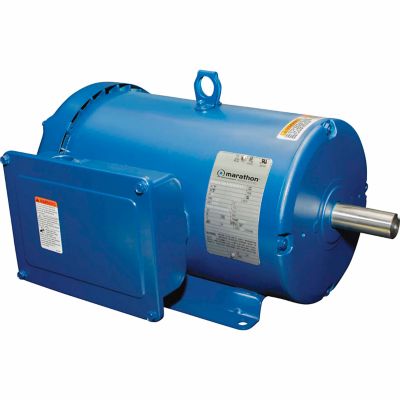
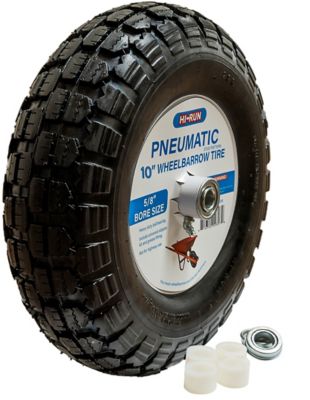
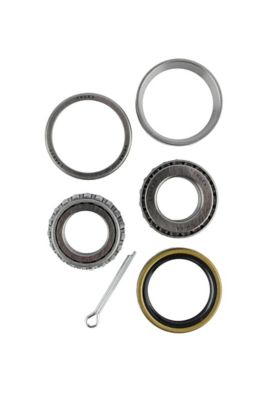
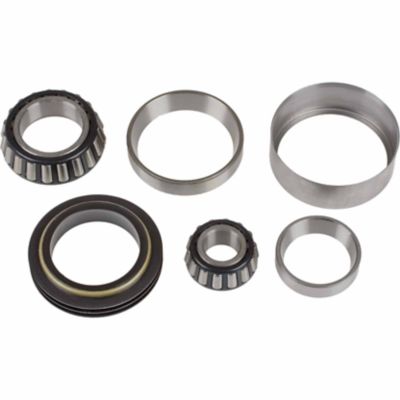
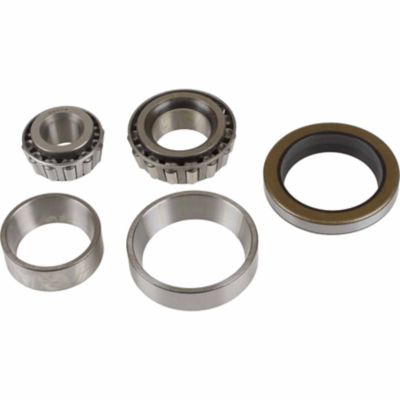
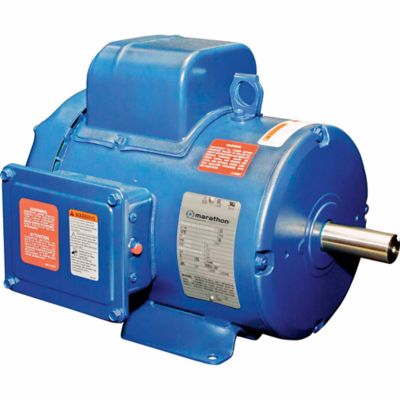
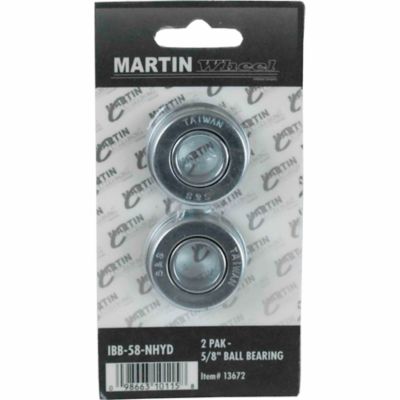
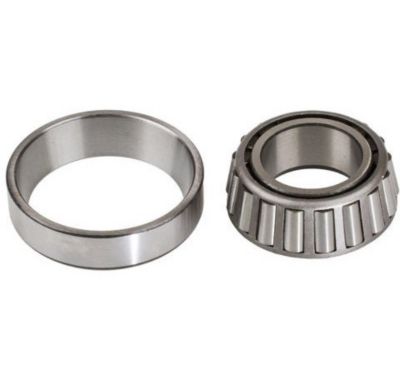
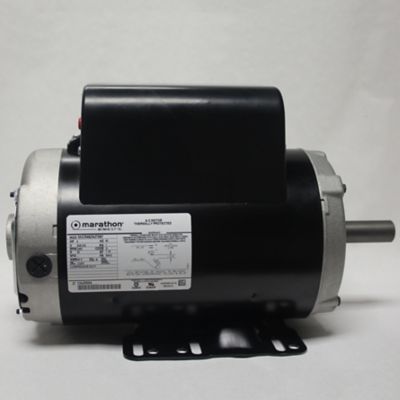
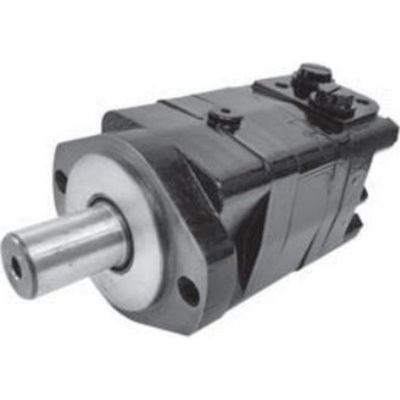
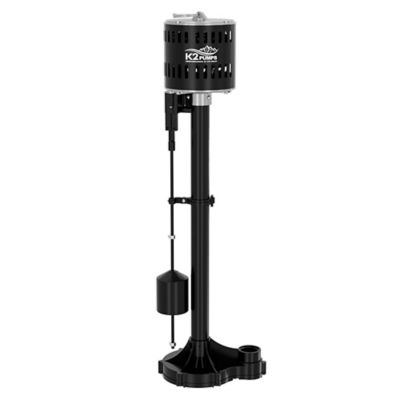
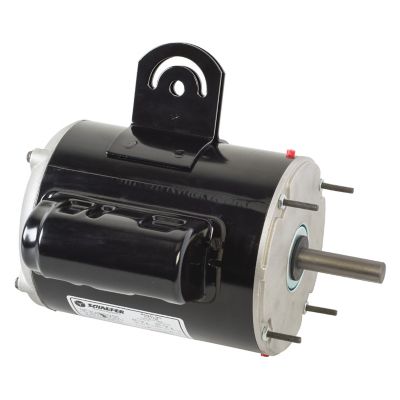
Motor bearings are precision mechanical parts that support a spinning shaft inside an electric motor, helping it turn smoothly with less friction and wear. They keep the rotor centered within the stator, reduce metal-to-metal contact, and help the motor handle the forces created as a shaft spins under load. A properly matched bearing can make a noticeable difference in noise, vibration, heat, and service life, whether it is used in a shop fan, feed system, water pump, air handler, conveyor, auger, or other powered equipment around the farm and home. Ball bearings use small metal balls to handle radial loads, along with light axial loads in some applications. Roller bearings use cylindrical rollers and are built to carry heavier radial loads, while thrust bearings are designed for forces that push or pull along the shaft. Sleeve bearings use a smooth sliding surface and are often found in quiet, light-duty fans and smaller motors. Each type has a job to do, and choosing the right one starts with matching the bearing to the motor’s design, shaft size, load, speed, and operating conditions. For equipment that starts under a heavy load or works hard through long days, it may also help to compare the motor itself with options such as
High Torque Motors.
Before ordering motor bearings, take time to confirm the details from the old part, the motor nameplate, or the equipment service information. The inside diameter must fit the shaft snugly, the outside diameter must seat correctly in the housing, and the bearing width needs to match the available space. Even a small mismatch can lead to shaft movement, misalignment, overheating, or a bearing that works loose during operation. Pay attention to the bearing’s rated speed and load capacity, especially when the motor runs continuously or drives a belt, pulley, pump, fan blade, or other equipment that places extra force on the shaft. Seals and shields matter, too. Sealed bearings help keep grease in and dust, moisture, and grit out, while shielded styles can be suited to cleaner environments where reduced drag is useful. In a barn, workshop, greenhouse, or outdoor enclosure, dirt and humidity can work their way into moving parts, so an appropriate seal and material can add welcome protection. Temperature ratings and lubrication requirements are worth checking when a motor runs near a furnace, dryer, compressor, or other warm equipment. Some bearings arrive pre-lubricated and are intended to be replaced rather than regreased, while other setups call for a particular grease and maintenance interval. Using the wrong lubricant, packing in too much grease, or mixing incompatible grease types can create excess heat. When the original bearing is still available, record its markings and measure it carefully; when it is damaged, compare the shaft and housing dimensions instead of relying on appearance alone.
Worn motor bearings often give plenty of warning before they fail completely. A growling, rumbling, squealing, or grinding sound may become more noticeable as the motor speeds up. Excess vibration, a hot housing, a wandering belt, uneven shaft movement, or a motor that struggles to start can also point to bearing trouble, although electrical and alignment problems may cause similar symptoms. Shut off power and follow proper lockout and disconnect procedures before inspecting or servicing any motor. A bearing puller, press, soft-faced mallet, and the correct driver can help prevent damage, but never force a bearing across the wrong ring or strike the seal. Keep the work area clean, protect the replacement part from dirt, and check that the shaft and housing are smooth and free of burrs before installation. After assembly, make sure the shaft turns freely by hand and that couplings, pulleys, and belts are aligned before returning the equipment to service. These parts are useful for farm operators, maintenance crews, small engine and equipment repair shops, do-it-yourself builders, and anyone keeping household or agricultural machinery running through the cooler months. A spare bearing can also be a practical addition to a well-stocked workshop, especially when a failed motor can bring a fan, pump, grinder, or feed-handling setup to a stop. With the right fit, suitable protection, and careful installation, motor bearings help keep everyday equipment turning steadily when dependable performance matters most.