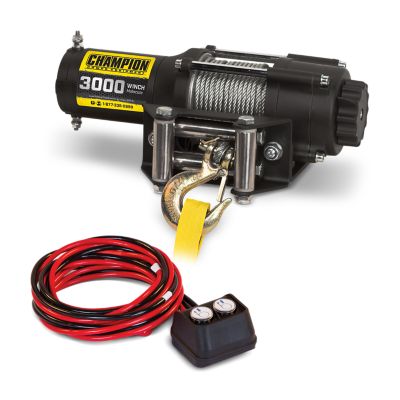
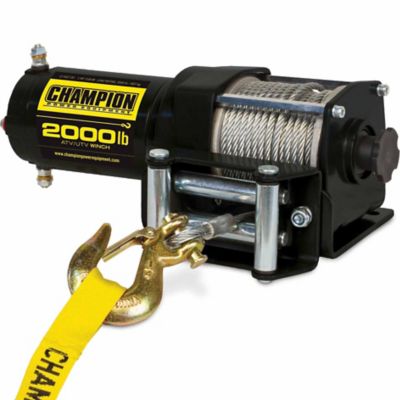
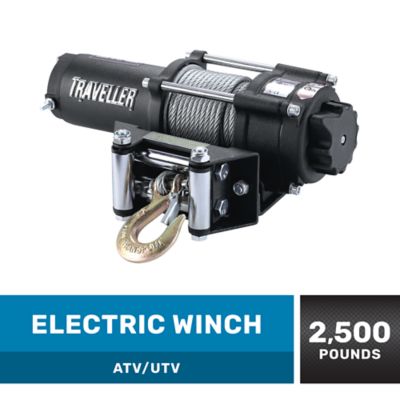
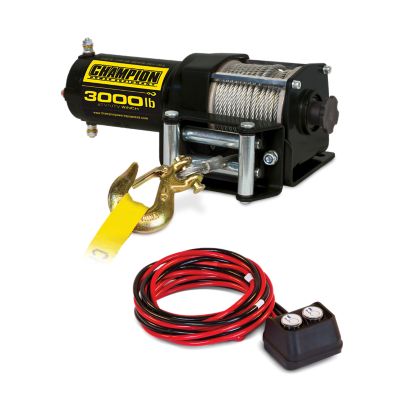
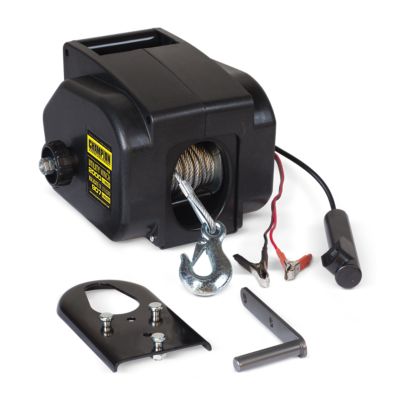
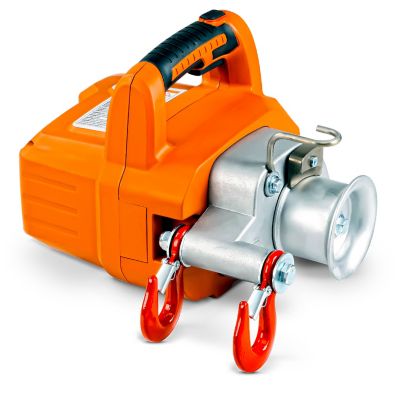
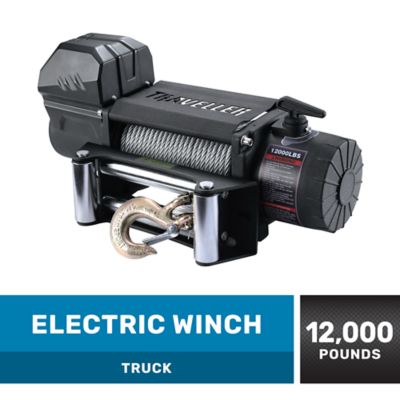
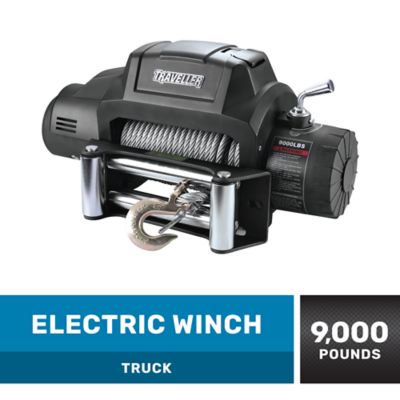
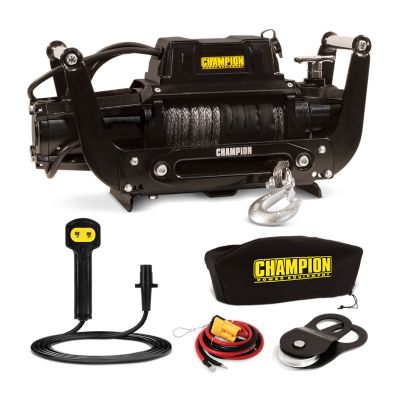
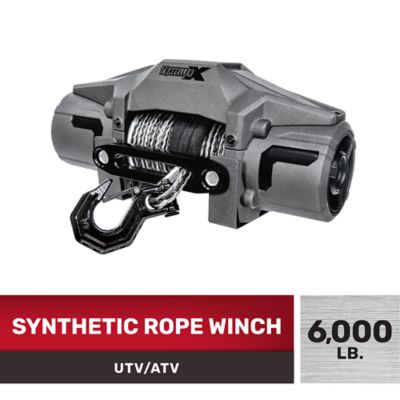
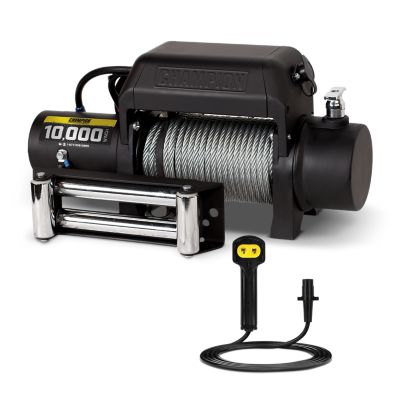
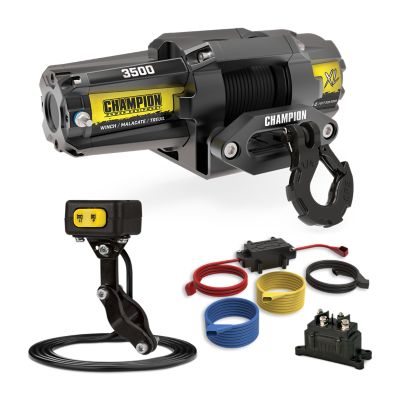
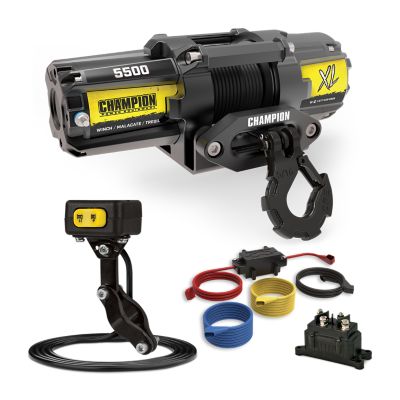
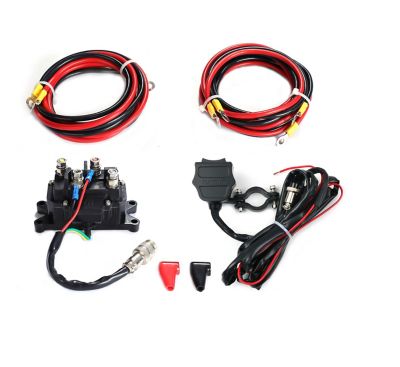
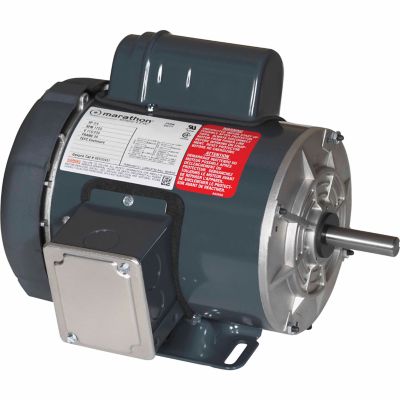
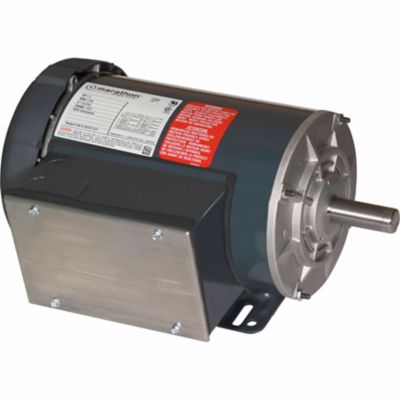
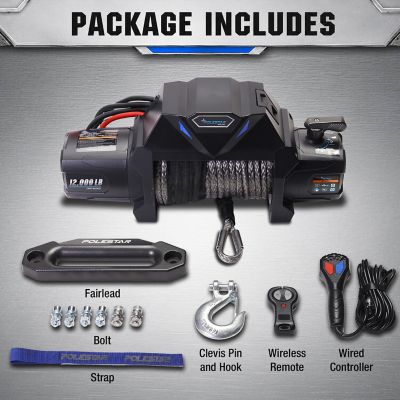
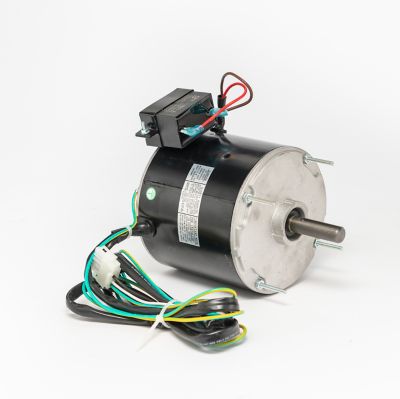
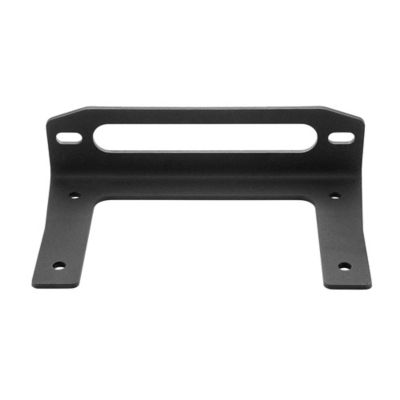
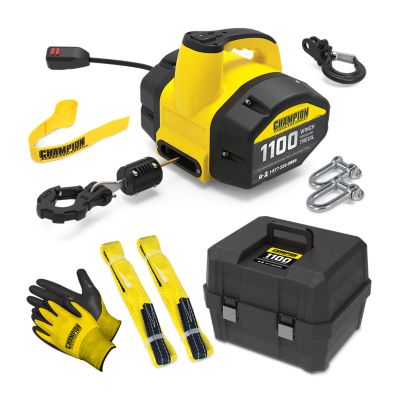
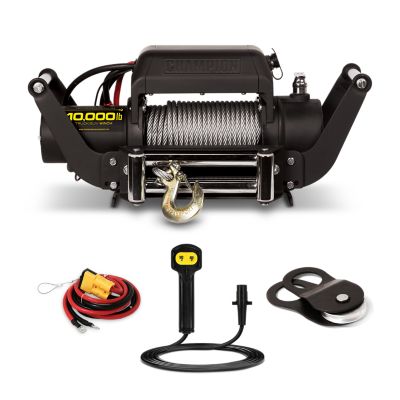
Winch motors are the working heart of an electric or hydraulic winch, turning electrical or hydraulic power into the steady rotation that winds cable or synthetic rope onto a drum. They’re used on recovery winches, utility equipment, trailers, lifts, plows, and other setups where a dependable pull can make a hard job safer and more manageable. A vehicle winch commonly uses a 12-volt DC motor, while larger equipment may rely on hydraulic power from a steering system or separate pump. When you’re shopping, start by matching the motor to the winch it will serve. Check the winch model, rated pulling capacity, voltage, mounting pattern, shaft and drum connection, terminal layout, rotation direction, and overall dimensions. A motor that looks close enough may still have the wrong bolt spacing, gear fit, or electrical arrangement, so the original motor’s part number and measurements are worth having on hand before ordering. It also helps to consider how the winch is used. A side-by-side that sees occasional trail duty has different needs from a farm trailer that pulls equipment through mud, or a service truck that works around heavy loads all day. Think about the load, the pulling distance, the terrain, and how often the motor will be asked to work. Pulling a stuck truck through wet clay takes plenty of starting torque, while light, occasional work may place less demand on the motor. A properly matched replacement can help restore smooth operation, reduce strain on the winch system, and keep a useful piece of equipment from sitting idle beside the barn or shop.
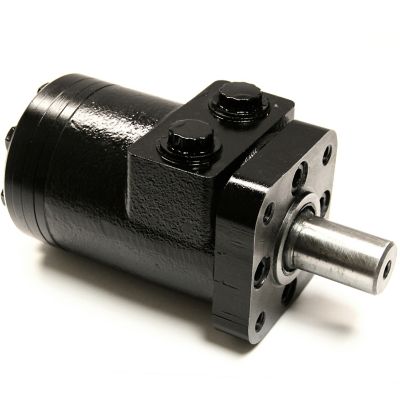
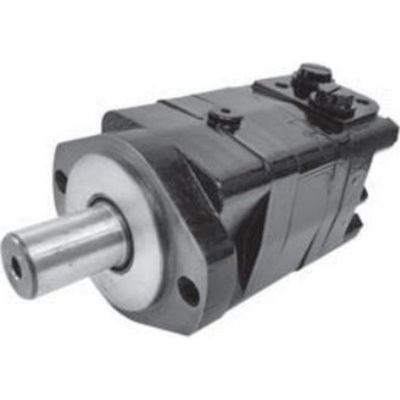
The main motor styles have different strengths. Permanent-magnet motors are generally simpler in design and often use two main terminal connections. They can draw less current during lighter pulling jobs, making them a practical choice for some recreational and utility winches, but they typically produce less starting torque than a series-wound motor. Series-wound motors are built for stronger performance under heavy loads and are common in off-road recovery and demanding work applications. They may use three or four posts, depending on the design, and deliver strong torque when the drum first begins to turn or when a load starts to bind. Hydraulic winch motors receive power from hydraulic fluid rather than directly from a battery, which makes them a good fit for equipment already set up with a hydraulic system and for jobs that call for extended or repeated pulling. Because the motor itself is not dependent on the same electrical components used by many vehicle winches, hydraulic systems can be useful in wet, dirty, or industrial work environments, although they require the right pump, hoses, fittings, pressure, and flow rate. For related equipment needs, browse
Hydraulic Pump Motors. Before replacing any style of motor, inspect the rest of the winch for worn gears, damaged wiring, loose grounds, a weak battery, or a sticking solenoid. A clicking sound with no drum movement may point to a battery, connection, solenoid, or motor problem, while slow operation can come from low voltage, corroded terminals, excessive load, or internal wear. A motor that stays silent may have an open connection, failed switch, damaged control circuit, or seized internal parts. Basic testing should be done only with the power disconnected from the winch, the drum unloaded when possible, and the vehicle or equipment secured. Direct battery testing and jumper-cable checks can be useful for someone familiar with winch wiring, but reversing polarity or bridging terminals incorrectly can damage components, create sparks, or cause the motor to turn unexpectedly. When in doubt, a qualified technician can test the motor and electrical system safely.
Winch motors are a practical choice for people who spend time maintaining land, hauling equipment, exploring back roads, or keeping working vehicles ready for rough conditions. A landowner may use one to move a fallen limb, reposition a gate, load a disabled mower, or ease a small trailer into place. Hunters, campers, and trail riders often carry winch-equipped vehicles for recovery when rain turns a gravel road slick or a tire drops into a muddy rut. Around a farm or ranch, a reliable winch can help with fence work, equipment handling, and recovery jobs that would otherwise call for extra hands or a tractor. These motors can also make a thoughtful gift for someone who enjoys maintaining a truck, building off-road equipment, or fixing things in a home shop, especially when the recipient already knows the winch model and needs a dependable replacement. Keep the motor protected from unnecessary water and debris, maintain clean and tight electrical connections, and avoid exceeding the winch’s rated capacity. Letting the motor cool between demanding pulls can help limit heat buildup, while using a snatch block and proper rigging may reduce strain when the situation calls for extra pulling power. During warmer weather and through the cooler months, changing ground conditions can put different demands on a winch, from dusty trails and dry fields to wet leaves, soft soil, and frozen ruts. Choosing a motor based on the complete setup—not just price or appearance—helps ensure the winch has the torque, fit, and power source needed for the job. With the right match and careful installation, a replacement winch motor can bring an older recovery or utility system back to useful working order and provide a little more confidence when the road, field, or worksite does not go exactly as planned.