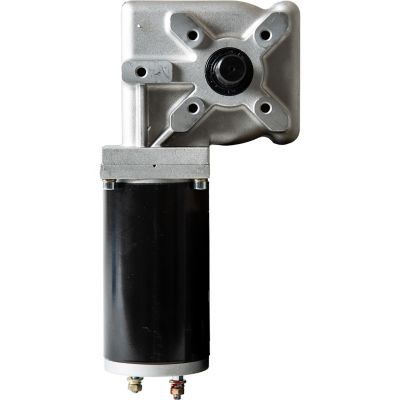
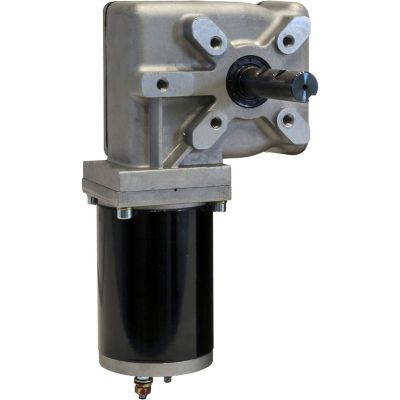
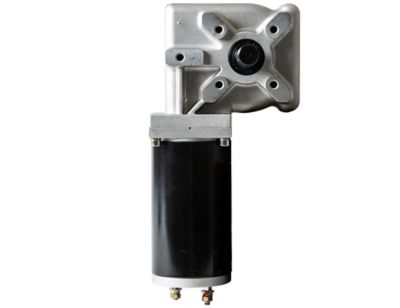
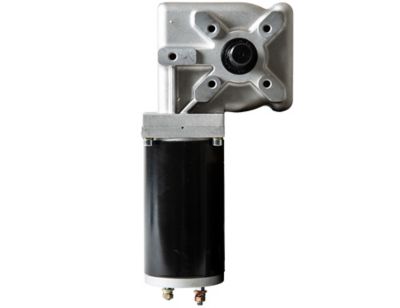
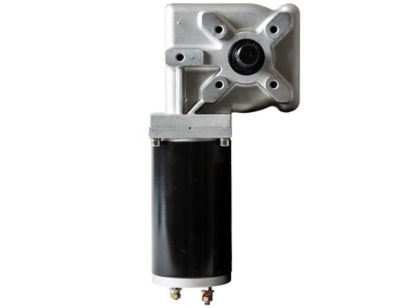
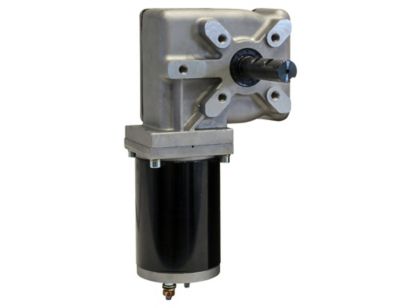
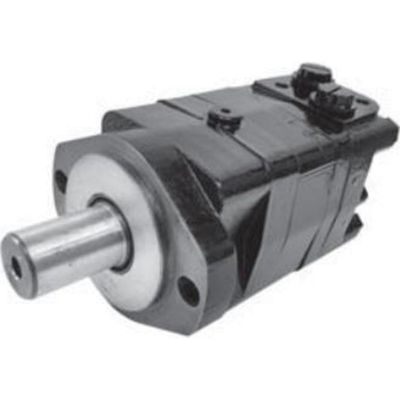
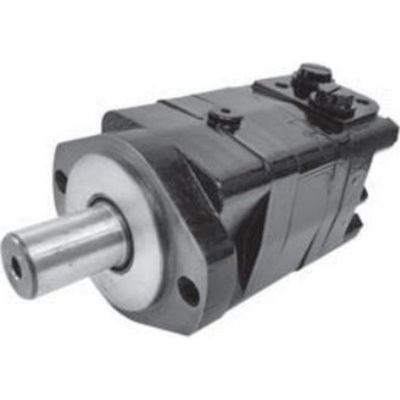
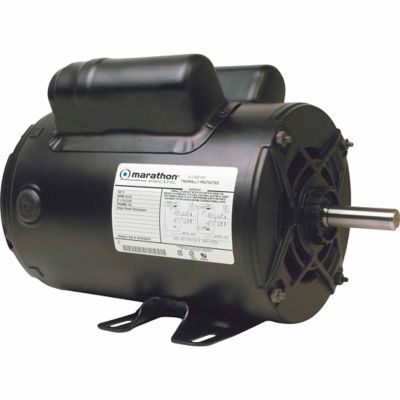
Gear motors combine an electric motor and a gear reducer in one assembly, delivering controlled rotation with more turning force than the motor alone provides at that output speed. The motor supplies motion, while the gears trade speed for torque—the twisting force that turns a shaft and moves a load. That combination suits equipment that needs steady movement rather than a fast-spinning drive. Around a farm, workshop, or small production operation, gear motors can power properly matched conveyors, feed-handling equipment, rotating fixtures, and other machines that keep everyday work moving. A belt carrying filled containers across a packing bench, for example, needs enough starting torque to get the load rolling and an output speed that keeps the pace manageable. Gear reduction helps deliver both. The reduction ratio describes the relationship between motor speed and output speed: a 30:1 reducer paired with a motor turning at 1,800 revolutions per minute produces a nominal output speed of 60 RPM. Output torque increases through that reduction, although friction and other losses mean the gain is not perfectly proportional. Gearing does not create extra power; it changes how the motor’s power reaches the job. Rated output torque, output RPM, and duty cycle therefore tell more about an application match than horsepower alone. Duty cycle describes the operating pattern a motor can support, including whether it can run continuously or needs rest periods between runs. A drive that turns a fixture briefly has different demands from one moving material throughout a workday. AC gear motors often suit equipment connected to a fixed electrical supply, while DC gear motors can suit battery-powered equipment or applications requiring compatible speed controls. Neither power type automatically guarantees adjustable speed, reversible operation, or suitability for a particular machine. Those capabilities depend on the motor design, wiring, controller, and manufacturer’s ratings, making the complete assembly—not just the motor’s size—the important point of comparison.
The shape of a gear motor matters just as much as its electrical and mechanical ratings when space is tight beneath a conveyor or beside a machine frame. Inline designs place the motor and output shaft along the same axis, parallel-shaft designs offset those shafts while keeping them parallel, and right-angle designs turn the drive through 90 degrees. Each arrangement changes where the assembly fits and how its output connects to the equipment. A right-angle housing may tuck beside a frame where a longer inline assembly would stick into a walkway, while a parallel-shaft layout may suit a drive with an offset connection. Gear type also affects performance. Spur, helical, worm, and other gear arrangements differ in efficiency, operating sound, load capacity, and resistance to being driven backward by the load. A worm reducer should not be treated as a holding brake unless the manufacturer specifically rates the assembly for that purpose; suspended or moving loads may require a separate braking system and other safeguards. Construction varies with the application, too. Aluminum housings can keep assembly weight down, while cast-iron housings provide a heavier structure for demanding service. Steel gearing is common where load capacity and wear resistance matter, and some lighter-duty designs incorporate engineered polymer gears. Housing material alone does not establish service life. Gear design, bearings, seals, lubrication, and operation within the stated limits all play a part. Dust from a feed room, airborne debris in a shop, or routine equipment cleaning can influence the enclosure and sealing requirements. An enclosed housing is not automatically suitable for washdown service or a location with combustible dust. The stated enclosure rating and any required location approvals need to match the work area. For equipment owners, maintenance crews, and folks keeping a small operation running, these details help separate a motor that simply fits the space from an assembly suited to the work it will actually perform.
Replacing a gear motor involves more than matching the outline of the old housing. Shaft diameter, shaft length, keyway dimensions, mounting-hole spacing, and mounting orientation determine whether the replacement connects correctly to the existing machine. Solid and hollow output shafts call for different connections, and a coupling, sprocket, or pulley must match the shaft and the intended load. A chain drive can place side load on the output bearings, while other arrangements may introduce thrust along the shaft. Those forces need to stay within the reducer’s radial and axial load ratings, even when the required turning torque appears comfortably within its limits. Voltage, AC frequency and phase, DC supply requirements, electrical connections, and controller compatibility are equally important. A motor that bolts into place can still be the wrong match electrically. Rotation direction also deserves attention, especially on equipment that must move material one way or reverse under control. Starting a loaded conveyor, restarting after a jam, and handling repeated stops can demand more from the drive than steady running does. Suitable overload protection and properly selected controls help protect the assembly, but a stalled motor should not be expected to clear a mechanical blockage by force. Long service life also depends on care that follows the manufacturer’s requirements. Some reducers have sealed lubrication arrangements, while others require lubricant checks or scheduled changes; mounting position can affect the specified fill level and vent placement. Clean exterior surfaces, sound seals, secure mounting hardware, and aligned drive connections help keep everyday wear in check. Changes in noise, vibration, shaft movement, or leakage can signal a need for inspection before a small problem interrupts a full day’s work. For serviceable assemblies,
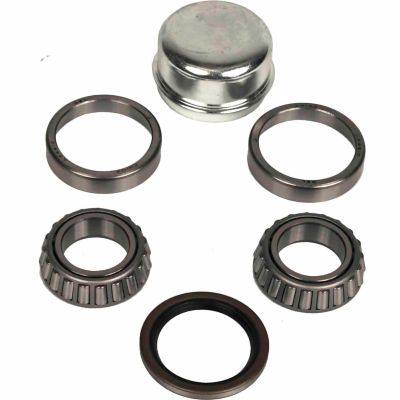
Motor Bearings are another part of the repair picture, with dimensions, load ratings, clearances, and sealing matched to the equipment specifications. Electrical power must be disconnected and secured against unexpected startup before service, and connected loads must be supported. With the right fit, operating ratings, and maintenance provisions, a gear motor provides controlled motion for the repetitive jobs that keep a farm, shop, or worksite moving.