


Men's Insulated Chore Coats
Cold mornings don't put feeding, fence checks or hauling firewood on hold. Find men's insulated chore coats at Tractor Supply with twill, cotton duck and nylon shells for the work ahead. Compare insulation, pocket layouts and features like pleated elbows and action backs, then pick a coat with room for your layers and the reach your chores require.
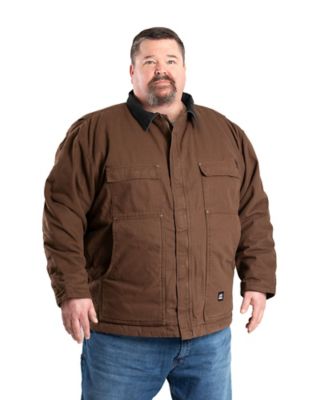
Berne
Berne Men's Washed Duck Quilt-Lined Insulated Chore Coat
A bark brown quilt-lined chore coat with pleated elbows and action back for maximum movement.
What customers like:
Sturdy and well-made
Good fit and flexibility
Effective in cold weather
Warm and durable
Comfortable and high quality
$104.99
$76.99
SALE

Berne
Berne Men's Duck Quilt-Lined Insulated Chore Coat
A warm and durable black men's chore coat with heavyweight insulation and water repellent finish.
What customers like:
Great deal
Quality construction
Warmth
Good fit
Fast shipping
$94.99
$94.99
SALE

Berne
Berne Men's Icecap Arctic Insulated Nylon Chore Coat
A black, water and wind-resistant nylon chore coat with arctic-weight insulation and multiple pockets for storage.
$144.99
$144.99
SALE

Lucky Brand Workwear
Lucky Brand Workwear Full Zip Canvas Chore Jacket with Quilted Lining
A rugged rusty bronze chore jacket with quilted lining, thermal insulation, and multiple storage pockets.
$139.99
$139.99
SALE

Berne
Berne Men's Vintage Washed Duck Quilt-Lined Chore Coat
A rugged driftwood chore coat with quilted polyester lining, medium-weight insulation, and multiple pockets for storage.
$109.99
$109.99
SALE
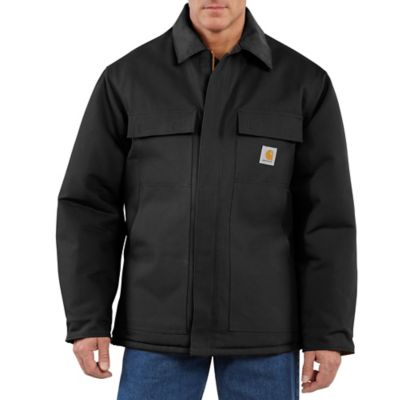
Carhartt
Carhartt Men's C003 Loose Fit Firm Duck Insulated Traditional Coat
A black, water-repellent cotton duck coat with quilted arctic insulation and multiple convenient pockets.
What customers like:
Well-made construction
Attractive appearance
Roomy sleeves for muscular arms
Good fit
$139.99
$139.99
SALE

Carhartt
Carhartt Men's Rain Defender Yukon Extremes Full Swing Insulated Coat
A black insulated coat with 500-denier Cordura nylon and 150g Thinsulate for warmth and durability.
What customers like:
Durable materials
Exceptional warmth
Ample pocket space
Wind and water resistant
Comfortable fit
$229.99
$229.99
SALE
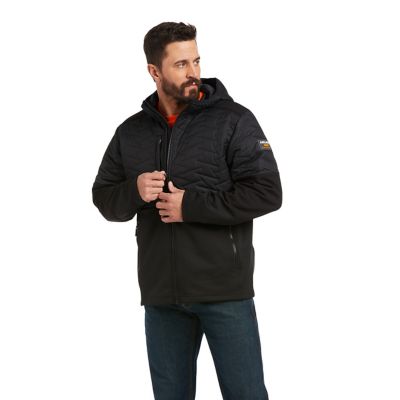
Ariat
Ariat Men's Rebar Cloud 9 Insulated Work Jacket
A lightweight, water-repellent work jacket with insulation, abrasion-resistant panels, and stretch fleece panels for added durability and warmth.
What customers like:
Roomy cut and perfect fit
Lightweight and packable
Good quality and value for money
Mobility and versatility
Warmth and durability
$129.99
$129.99
SALE
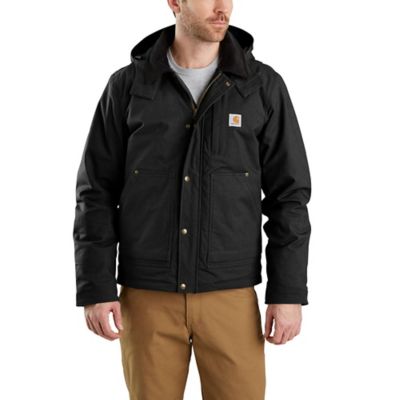
Carhartt
Carhartt Men's Rain Defender Full Swing Steel Insulated Jacket
A durable black work jacket with a detachable hood, made with stretch cotton Cordura ripstop fabric and Rain Defender water repellent finish.
What customers like:
Roomy and versatile fit
Full swing technology allows for freedom of movement
Excellent wind and water resistance
Warm and comfortable
Rugged and durable construction
$169.99
$118.99
SALE
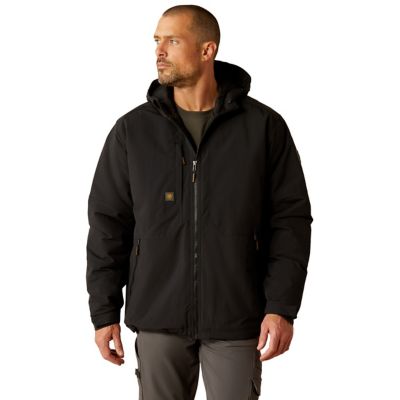
Ariat
Ariat Men's Rebar Cordura Ripstop Insulated Work Jacket, 10052119
A durable, insulated work jacket with water-repellent finish, zippered pockets, and adjustable cuffs.
What customers like:
Warmth in cold weather
True to size fit
Water and wind resistant
Comfortable and lightweight
Convenient thumb holes and pockets
$139.99
$139.99
SALE

Rocky
Rocky Men's ProHunter Chore Coat Realtree Edge Camo
A warm and comfortable men's camouflage jacket with a cotton duck shell, Sherpa lining, and rib knit cuffs.
$89.99
$89.99
SALE
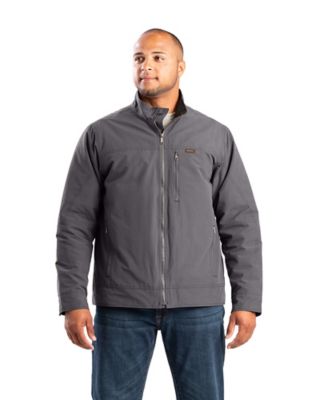
Berne
Berne Men's Highland Quilt-Lined Micro-Duck Jacket
A grey jacket made from water- and wind-resistant micro-duck fabric with a quilted, insulated lining.
$89.99
$89.99
SALE

Carhartt
Carhartt Men's Montana Rugged Flex Duck Ranch Coat
A rugged brown cotton duck coat with insulation, windproof technology, and flexible construction for outdoor work.
$169.99
$169.99
SALE

Ridgecut
Ridgecut Men's Hooded Insulated Canvas Work Jacket
A toasted coconut-colored insulated work coat made from sanded duck cotton canvas with multiple secure pockets.
$89.99
$89.99
SALE
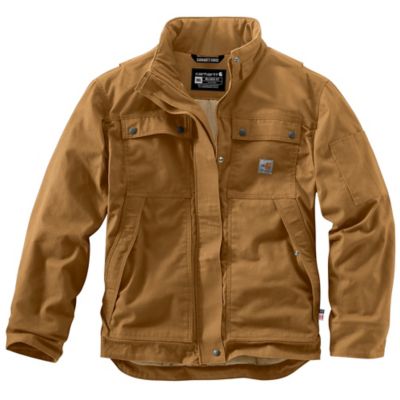
Carhartt
Carhartt Men's Flame-Resistant Quick Duck Coat
A brown flame-resistant cotton duck coat with water-repellent finish, insulated warmth, stretch mobility, and NFPA protection.
$309.99
$309.99
SALE

Carhartt
Carhartt Men's Washed Duck Bartlett Hooded Jacket
A rugged, moss-colored men's jacket made with durable cotton duck, lined with sherpa fleece and quilted nylon.
What customers like:
Functional with useful pockets
Durable and long-lasting
Warm and comfortable
Good fit and versatile
Professional appearance
$149.99
$149.99
SALE

Carhartt
Carhartt Men's Loose Fit Washed Duck Insulated Active Jacket
A Carhartt Men's Quilt Flannel-Lined Sandstone Active Insulated Jacket in Carhartt brown, made with heavyweight cotton duck and 3M Thinsulate insulation for exceptional warmth.
What customers like:
Comfort
Warmth
Durability
Protection from dirt and scratching
Good fit
$139.99
$139.99
SALE

Carhartt
Carhartt Men's J140 Loose Fit Firm Duck Flannel-Lined Insulated Active Jacket
A rugged gravel-colored jacket for men made of cotton duck with quilted flannel lining and hood.
What customers like:
Perfect fit
Exceptional warmth
Durable fabric
Excellent quality
True to size
$129.99
$129.99
SALE
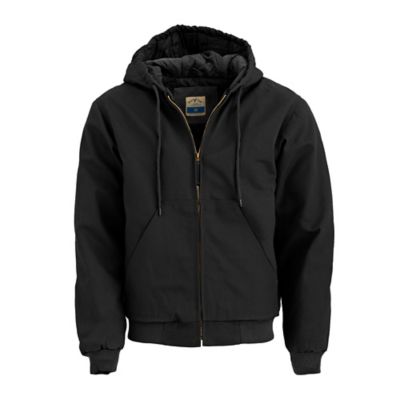
Blue Mountain
Blue Mountain Men's Duck Quilt-Lined Hooded Insulated Jacket
A heavy-duty, water-repellent jacket with quilted insulation, bi-swing back, and articulated elbows for movement.
What customers like:
Warmth
Durability
Water resistance
Good value
Comfortable fit
$59.99
$59.99
SALE

Carhartt
Carhartt Men's Washed Duck Sherpa-Lined Jacket
A warm and durable Carhartt jacket with a sherpa-lined body, hood, and pockets for added comfort.
What customers like:
Durable and well-made
Good fit and appearance
Versatile and stylish
Useful pockets and organization
Warm and comfortable
$139.99
$139.99
SALE
Carhartt
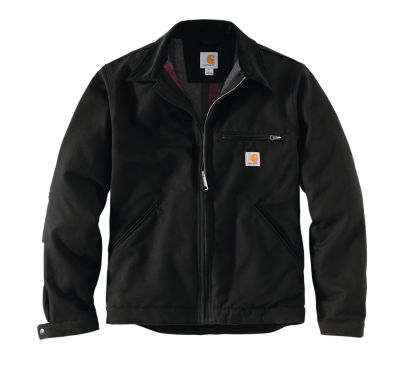
Carhartt Men's Detroit Ringspun Cotton Duck Jacket
A rugged black cotton duck jacket with blanket lining in the body and quilted nylon lining in the sleeves, perfect for tough work.
What customers like:
Great fit
Rugged build quality
Versatile and roomy
Convenient pockets
Warm and durable
$129.99
$129.99
SALE
Carhartt
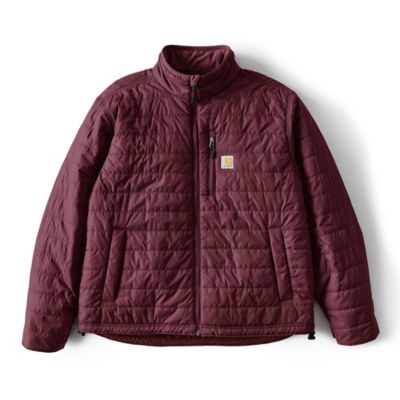
Carhartt Men's Rain Defender Relaxed Fit Lightweight Insulated Jacket
A lightweight deep cherrywood jacket with water-repellent Cordura shell, quilted insulation, and windproof technology.
What customers like:
Lightweight and comfortable
Water and wind resistant
Great fit and sizing options
Easy to layer and pack
$119.99
$119.99
SALE

Berne
Berne Men's Heritage Duck Hooded Active Work Jacket
A navy insulated jacket for men with pleated action back and elbows, triple-needle stitching, and heavy-duty brass zipper.
What customers like:
Durable and well-made
Versatile for job site and barn use
Good fit and easy to wear
Warm and comfortable
Timely delivery and hassle-free return process
$84.99
$84.99
SALE

Carhartt
Carhartt Men's Rain Defender Yukon Extremes Active Insulated Jacket
A black 500-denier Cordura nylon jacket with 150g 3M Thinsulate insulation and multiple reflective features.
What customers like:
Quality build
Stylish design
Warmth
Durability
Good fit
$209.99
$209.99
SALE
FAQ
Start with insulation, freedom of movement and closures that help keep cold air out. Berne's Twill Insulated Chore Coat has heavyweight quilted insulation, pleated elbows and an action back. Its Washed Duck Quilt-Lined Insulated Chore Coat pairs a 12-ounce cotton duck shell with arctic-weight insulation in the body and heavyweight insulation in the sleeves. Check each style for storm cuffs, pocket placement and hood details.
Measure according to the brand's size chart and check the fit over the layers you plan to wear. You should be able to reach forward, bend your elbows and squat without the shoulders pulling or the front binding. Don't automatically size up; compare the coat's fit description and measurements first, especially when choosing a tall size.
Insulation doesn't make a coat waterproof. Look for a stated waterproof rating or construction details rather than judging by the shell fabric alone. For example, Berne's Icecap Arctic Insulated Nylon Chore Coat is described as water- and wind-resistant, not as waterproof. For steady rain or wet snow, check whether the coat's stated protection suits the conditions.
A chore coat adds insulated coverage for your torso and arms. For core warmth with your arms free, compare men's insulated vests. For coverage that extends to your legs, look at men's one-piece insulated work coveralls. If you want battery-powered heat, explore men's heated jackets and check each model's battery requirements, heat settings and care instructions.
Along with suitable gloves, hand warmers for outdoor work can provide supplemental warmth; follow the package directions for placement and skin contact. For coverage around your head, ears and neck, compare cold-weather balaclavas and choose a fit that doesn't interfere with your vision or required protective equipment.