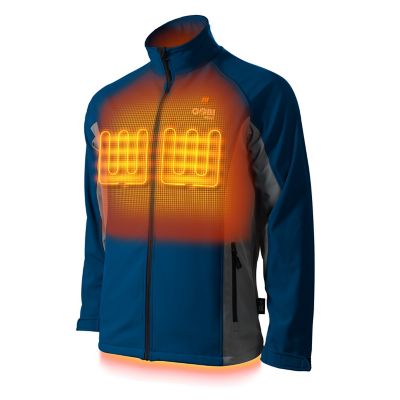
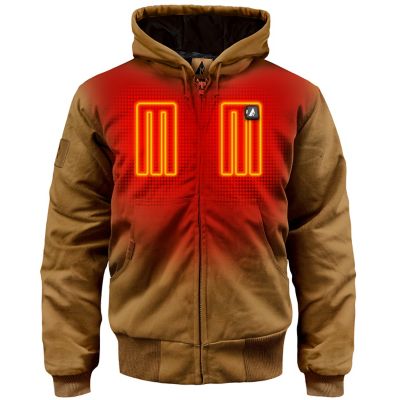
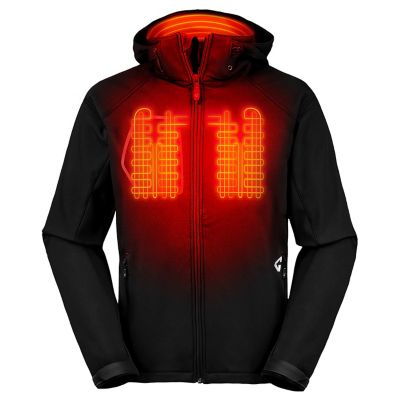
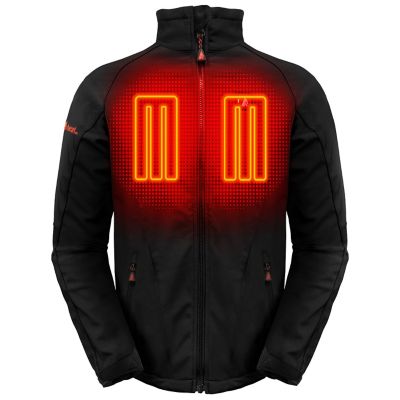
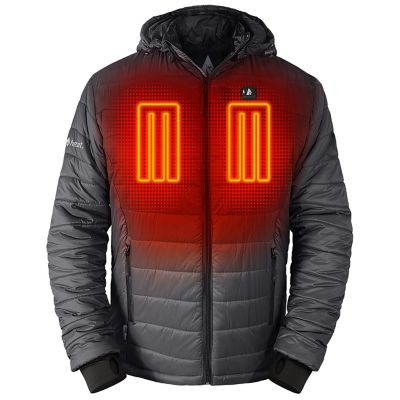
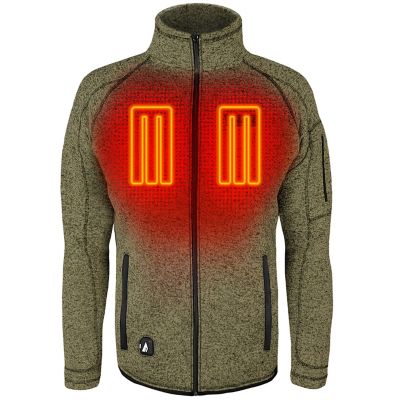
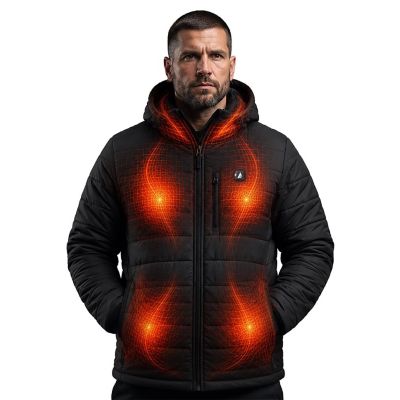
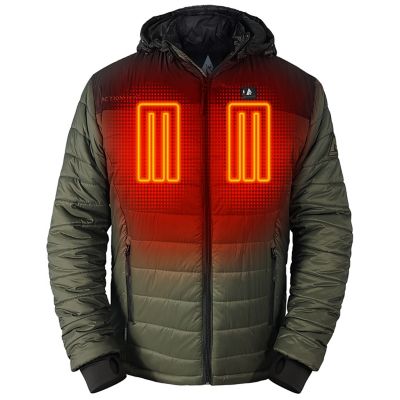
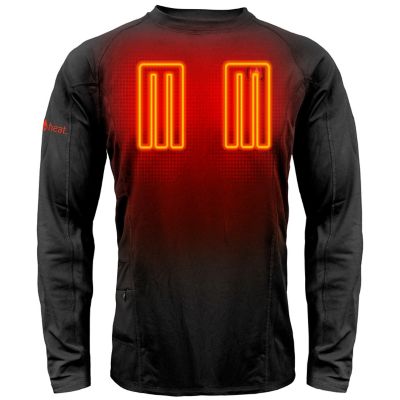
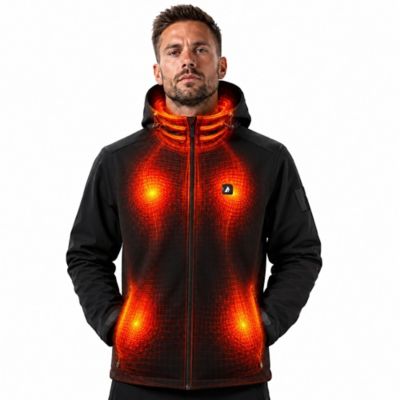
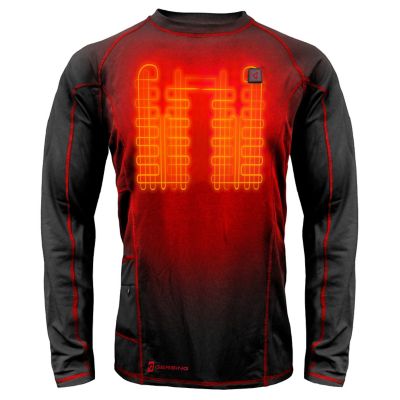
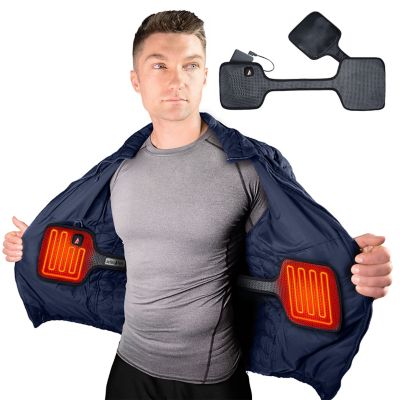
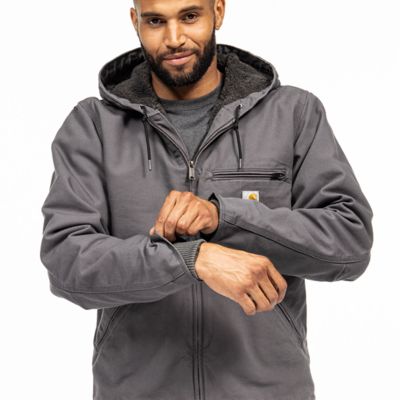
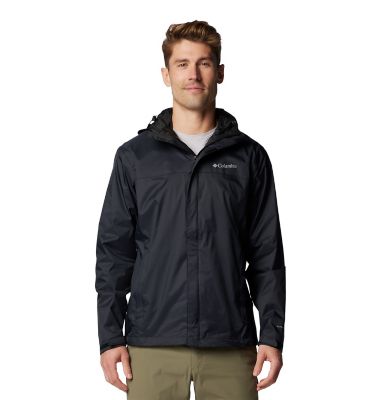
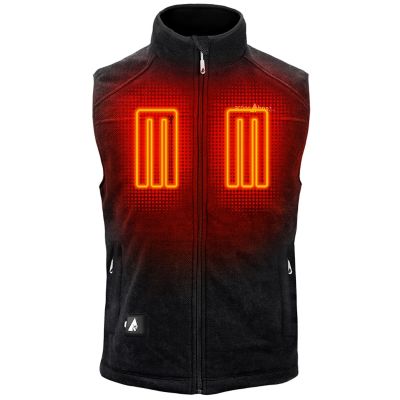
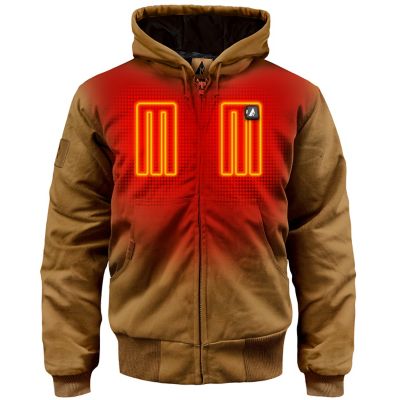
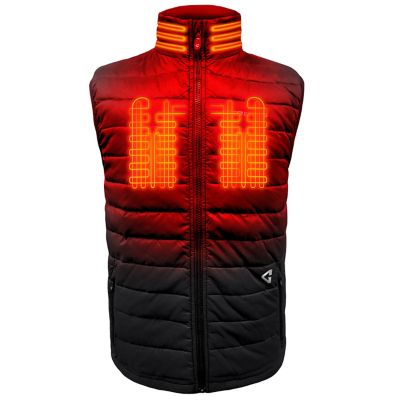
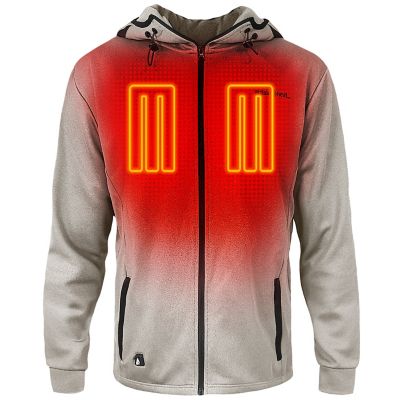
Men’s heated jackets combine the familiar coverage of an insulated coat with battery-powered warmth aimed at key areas of the body. Many designs run on a rechargeable lithium-ion battery connected to flexible heating elements, often made with carbon fiber, positioned across the chest and back. Depending on the jacket, additional heating zones may reach the collar or hand pockets. Adjustable heat settings let the wearer change the output as activity and conditions change, whether that means standing beside a fence line in a stiff breeze or walking back from the barn with a feed bucket in each hand. That targeted warmth can be especially welcome during jobs that alternate between hard work and standing still. Moving hay builds body heat; waiting for a livestock trailer to pull through the gate does not. Heated outerwear gives ranchers, farmers, tradespeople, hunters, and anyone tending a place outside another way to manage those stretches without simply piling on heavier layers. The heating system is only part of the jacket, though. Insulation, wind protection, coverage, and fit still matter when the power is off or the battery runs out. A lightly insulated heated shell and a thick insulated coat will not feel the same in biting wind, even with similar heating zones. Heat placement also matters more than the number of zones alone: panels across the back provide a different feel from warmth concentrated at the chest or pockets. These jackets generally warm the torso rather than every part of the body, so gloves, suitable boots, and head coverage still have their place. For everyday wear, the appeal is straightforward: warmth that can be adjusted for a chilly truck cab, an outdoor chore, or a long stretch beside the sidelines. The right balance depends on how much time is spent moving, how exposed the setting is, and what other layers need to fit underneath.
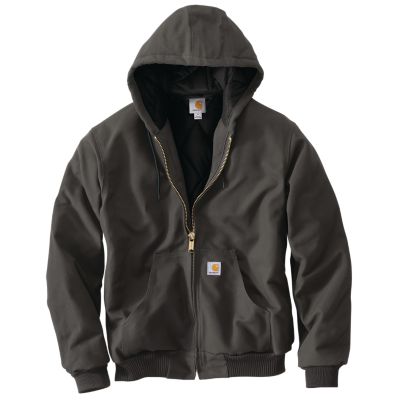
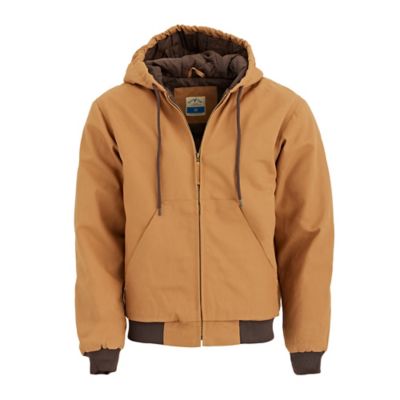
Shell fabric and construction help determine where a men’s heated jacket fits into that routine. Polyester and nylon are common outer materials, while softshell constructions often offer some stretch for reaching, bending, and climbing into equipment. A smoother face fabric may shed light moisture, and a tightly woven shell can help block wind, but water resistance is not the same as waterproof protection. Claims about rain protection depend on the fabric, seams, closures, and the manufacturer’s stated rating. A heated jacket should not be assumed suitable for soaking rain just because its outer surface repels a few drops. Inside, fleece linings provide a soft feel, while synthetic fill or down insulation may add warmth with different amounts of loft and weight. For work around rough lumber, fencing, or brush, fabric weight, reinforced wear areas, and sturdy stitching deserve attention alongside the heating system. Fit should leave room for a base layer or light midlayer without letting the coat hang so loosely that warmth escapes at the hem. A jacket that pulls across the shoulders while reaching for a latch can become a nuisance over a full day. Sleeve length matters with arms extended, and the hem should provide coverage when bending without bunching excessively in a seat. The battery pocket deserves the same practical consideration: its position can affect comfort beneath a seat belt, beside a tool belt, or against a tractor seat. Zippered pockets keep small belongings contained, while an accessible heat-control button can make adjustments simpler with gloves on. Adjustable cuffs, a drawcord hem, a tall collar, and a hood can help limit drafts where those features are included. Around moving machinery, loose cords and excess fabric need particular care. Heated outerwear also does not replace job-required protective clothing; flame resistance, high visibility, or other workplace protection must come from the appropriate garment rating, not from the presence of a heating system.
Battery performance is another important part of choosing men’s heated jackets for a full day outside. Run time changes with the heat setting, battery capacity, outdoor conditions, and the number of heating zones operating. High heat generally draws more power than low heat, so a stated maximum run time should be read alongside the setting and test conditions behind it. Long stretches outdoors call for attention to charging time and whether a compatible spare battery is supported. Battery voltage and connector design are not interchangeable details, even when two packs look similar. Only batteries and chargers approved for the jacket should power its heating system, and a phone-charging port, where included, can draw from the same energy supply that keeps the jacket warm. Controls that are easy to locate, clear battery indicators, and secure cable connections can make everyday wear less fussy. Care requirements vary just as much as shell materials. Some heated jackets permit machine washing after the battery is removed and electrical connections are secured as directed; others need a different cleaning method. The care label determines the wash cycle, detergent restrictions, and drying method. Any laundering instructions should be followed closely, and the jacket and connections must be fully dry before the battery is reconnected. A battery should never go into the washer or dryer, and a damaged, swollen, or wet pack should not be charged. Between outings, a dry storage spot away from excessive heat helps protect both the garment and its electronics. An
Electric Heated Jacket can also make a practical gift for a father who checks fences before breakfast, a spouse who spends Saturdays in the woods, or a friend whose job keeps him outside. For a gift, the wearer’s usual coat size, preferred layering room, daily tasks, and comfort with charging a battery matter more than extra features alone. A jacket that moves comfortably, offers suitable weather protection, and puts warmth where it feels welcome has a clear place among the boots, gloves, and other gear that earn their keep through cold days.