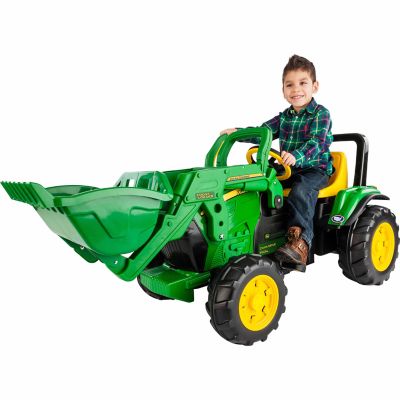
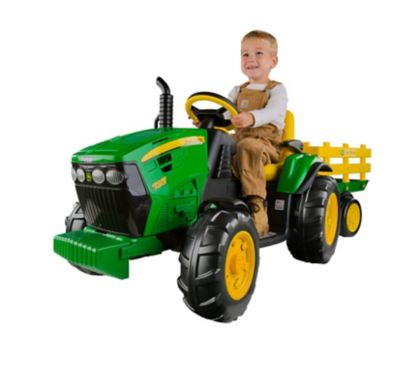
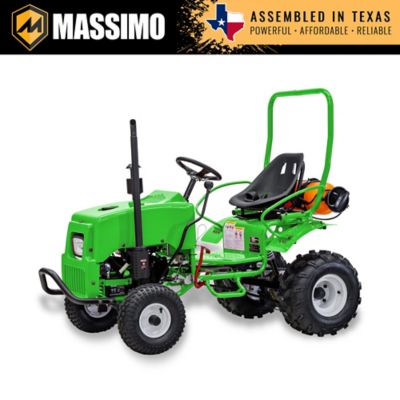
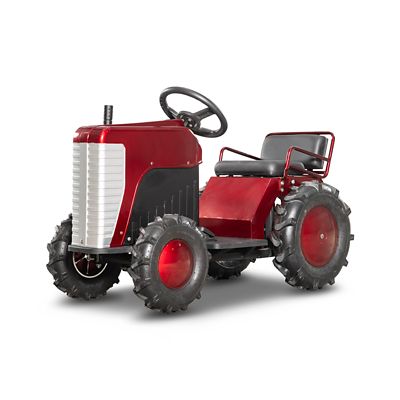
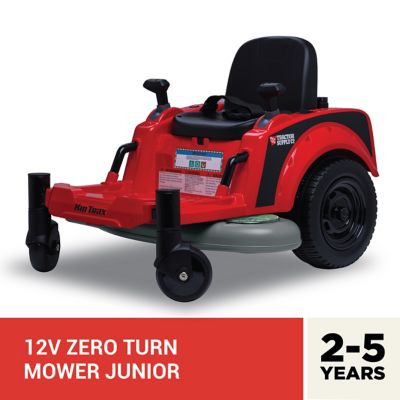
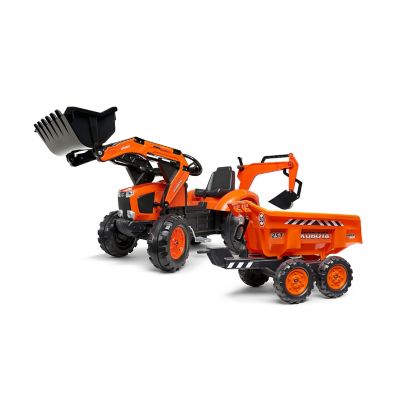
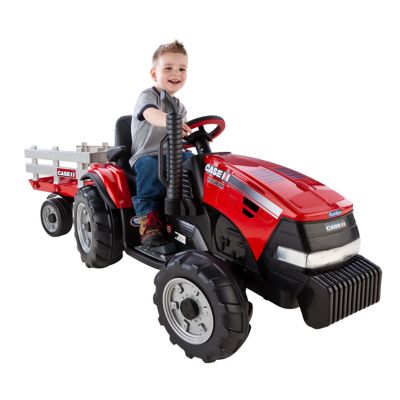
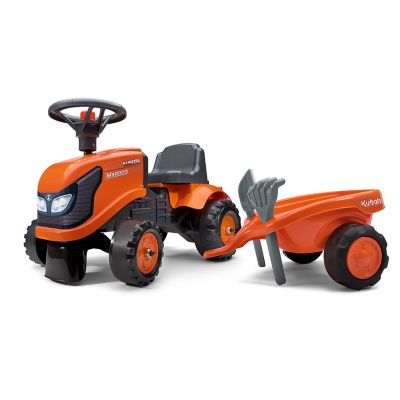
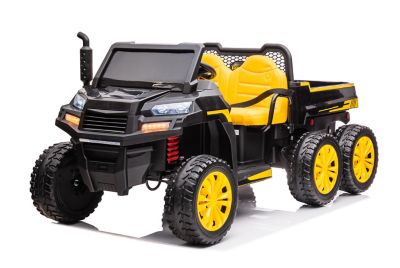
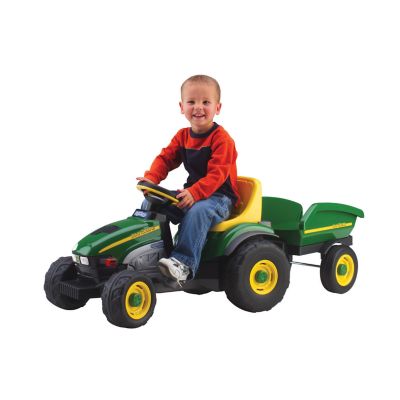
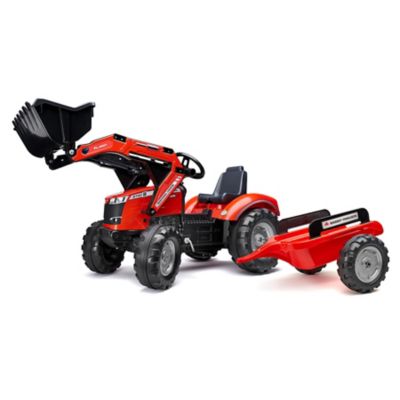
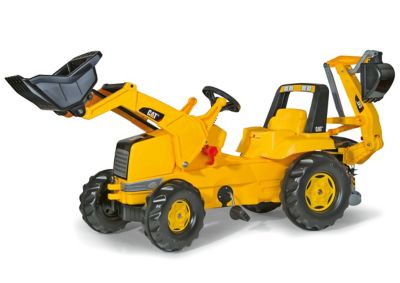
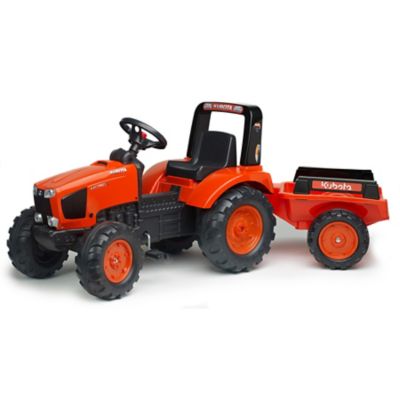
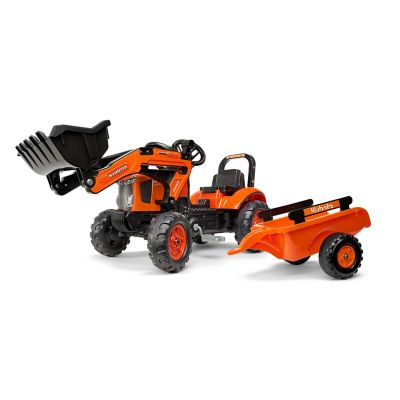
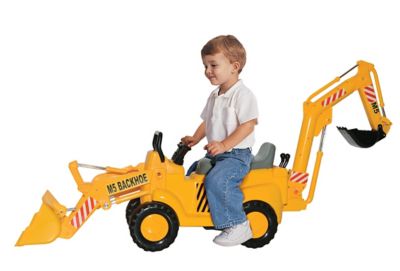
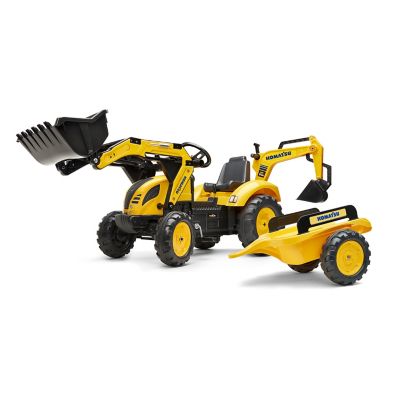
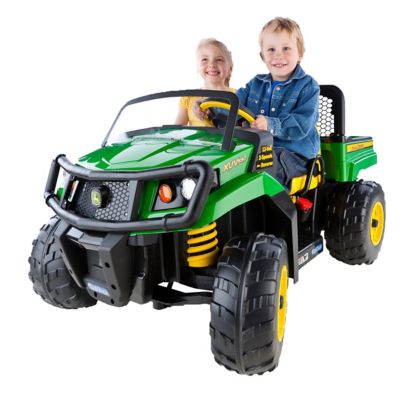
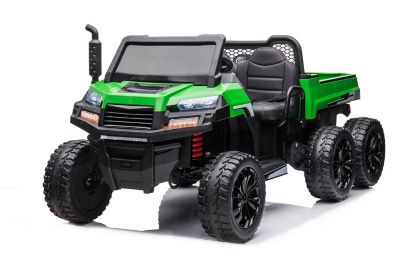
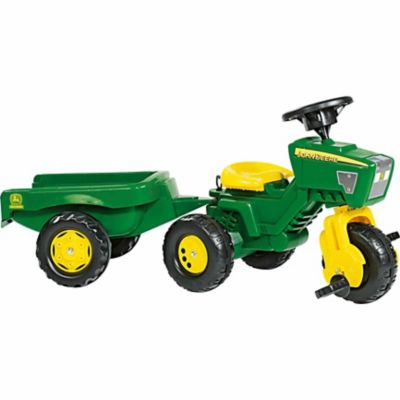
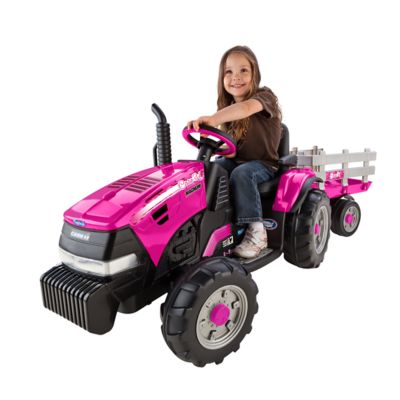
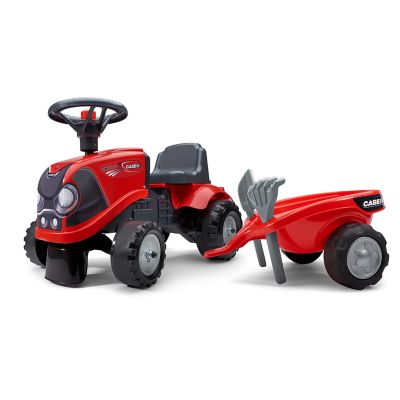
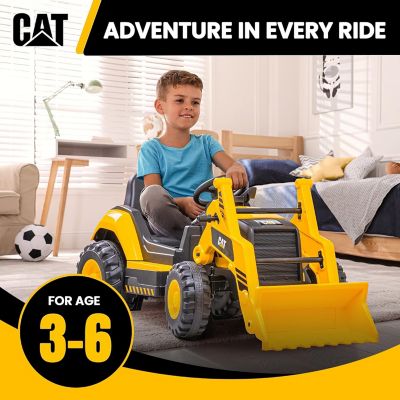
Ride-on tractors bring the look of farm equipment down to a child’s size, turning a stretch of level yard into a place for make-believe chores. These riding toys resemble working tractors, with features that may include chunky tires, a steering wheel, a contoured seat, and a hitch for a small play trailer. Some move with a push of little feet, some run on pedals, and others have a rechargeable battery and an accelerator. That difference matters more than looks alone: a foot-to-floor tractor lets a young rider scoot along at their own pace, a pedal tractor adds legwork, and a battery-powered tractor gives children practice steering while managing powered movement. Kids’ electric tractors commonly come in 6V, 12V, and 24V designs, but voltage by itself does not tell the whole story. Speed, carrying capacity, suitable surfaces, and recommended rider age depend on the particular design and its manufacturer’s instructions. A higher-voltage battery does not automatically make a tractor suitable for older children, rough ground, or steeper terrain. Likewise, two tractors with the same voltage can have different speed settings and operating limits. Low-speed models with straightforward controls can suit children who are still getting comfortable with steering, while other designs offer forward and reverse or more than one speed setting for riders ready to manage those functions. Working lights, horn sounds, and tractor-style bodywork can add to the fun, though the best match starts with how the toy fits the child and the space where it will run. For a youngster who watches fieldwork from the porch or likes following along with backyard chores, a ride-on farm tractor offers a little patch of responsibility without putting them near working machinery. A trip across the yard with a trailer of toy vegetables can become a pretend harvest, and a few lightweight play tools can turn a short ride into an afternoon of make-believe fence checking.
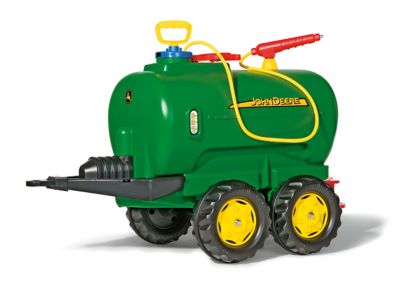
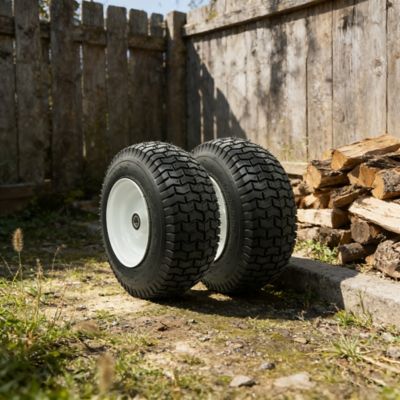
A comfortable fit helps a child stay focused on the ride instead of stretching for the controls. Seat height, legroom, steering-wheel reach, and the position of pedals or the accelerator all matter, along with the stated age range and maximum rider weight. Children should be able to sit in the intended riding position and operate the controls without leaning far forward or sliding to the edge of the seat. An adjustable seat, where included, can accommodate changes in leg length, but it does not replace the manufacturer’s height, age, or weight limits. Buying a much larger tractor for a child to grow into can leave the steering and stopping controls out of easy reach. Materials also shape the riding experience and how the toy holds up over time. Molded plastic body panels are common, while some designs include metal frames, axles, or pedal-drive components. Tire construction varies, too: molded plastic wheels behave differently from wheels with added traction surfaces, especially when moving from a paved patio to short grass. A tractor intended for smooth, level pavement may struggle on soft soil, loose gravel, or thick turf, even when its tires look much like those on farm equipment. The listed surface recommendations are a better measure than appearance. Pedal-powered tractors offer active play without charging, though pedaling through grass generally takes more effort than riding on a firm, smooth surface. Battery-powered ride-on tractors trade that legwork for charging time, and their running time changes with rider weight, terrain, temperature, and how often the motor works under load. Detachable trailers add another layer of pretend farm work, but their load limits are separate from the tractor’s rider limit. They are for permitted play loads, not extra passengers, pets, or actual hauling chores. Families exploring another yard-work theme can also browse
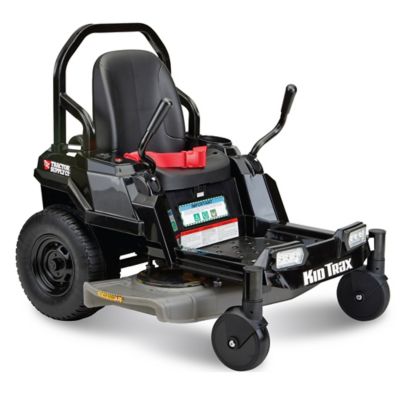
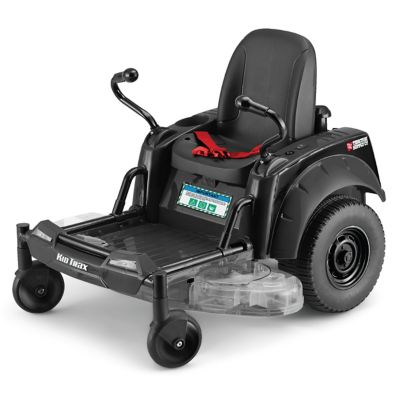
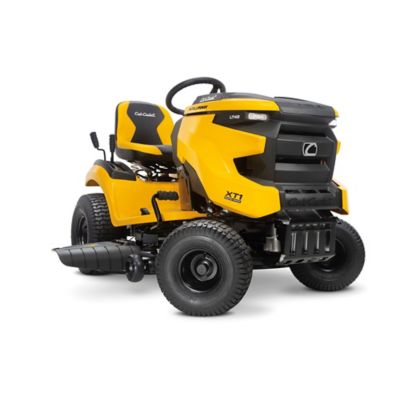
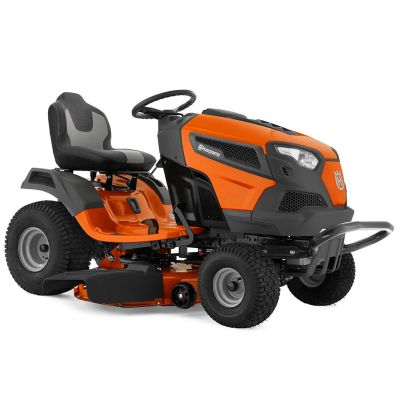
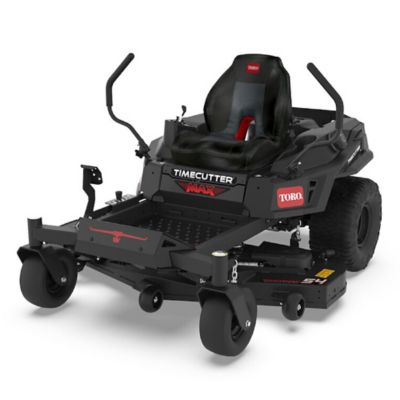
Small Ride On Lawn Mower, keeping the intended rider and the distinction between children’s riding toys and working lawn equipment in mind.
Everyday care starts with giving a ride-on tractor a sensible place to run and a sheltered place to rest. A level riding area away from roads, moving vehicles, livestock, pools, ponds, steps, and drop-offs gives children room to concentrate on steering. Adult supervision stays part of playtime, including when an electric tractor has a parent remote control; that feature is not a substitute for staying close and watching the rider. Any speed lockout, braking system, or remote function needs to be understood before a child climbs aboard. Closed-toe shoes, clothing that stays clear of wheels and moving parts, and any protective gear specified by the manufacturer belong in the routine as well. Before a ride, a quick check of the wheels, steering, seat attachment, trailer connection, and visible wiring can catch a loose fastener or damaged part before play begins. Cleaning usually means removing dry dirt and wiping surfaces as directed, rather than spraying electrical parts with a hose. Battery models need the specified charger, adult-managed charging, and storage conditions that match the instructions. During cooler months, battery performance can change, and frost, wet leaves, or slick pavement can make a familiar route unsuitable for riding. A dry garage or shed can help keep rain and sun off the tractor, provided the location also meets any temperature requirements for battery storage. Pedal models need attention to their moving parts and drive mechanism according to the care instructions, even though there is no battery to charge. For birthdays, holidays, or a grandparent’s gift, rider fit and the family’s play space matter just as much as tractor styling. It helps to know whether there is a level patio, a permitted grassy riding area, room to store a trailer, and an adult ready to handle assembly and upkeep. With those everyday details settled, a ride-on tractor can become a familiar part of outdoor play: parked beside the porch after a pretend delivery, lined up for another round of farm chores, or ready for a supervised spin before supper.