Cold Weather Balaclavas
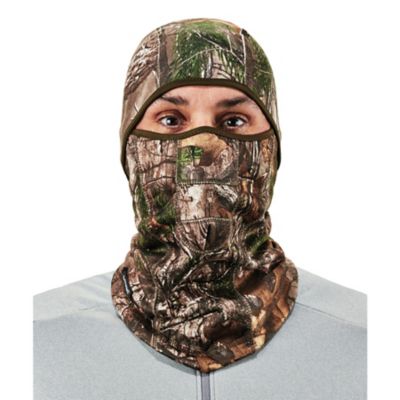
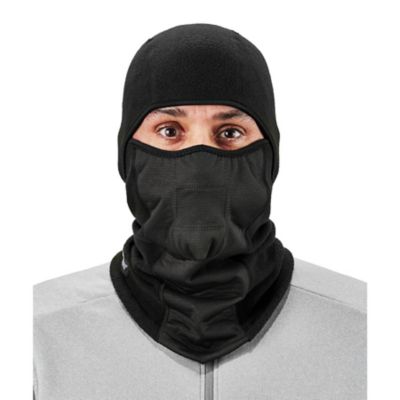
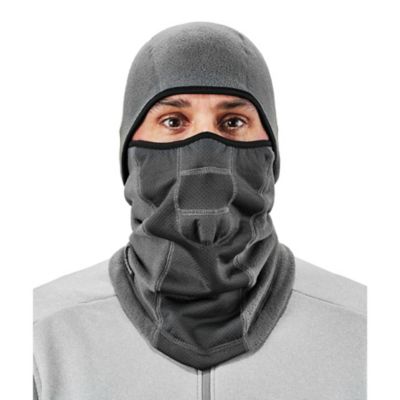
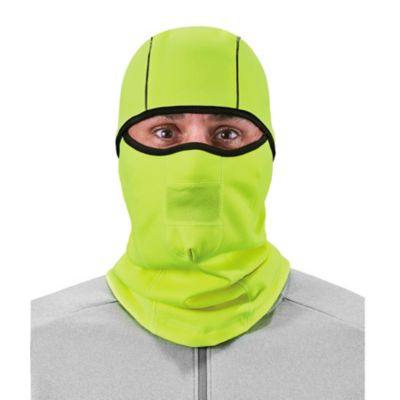
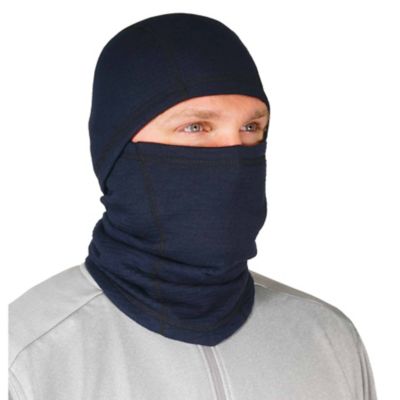
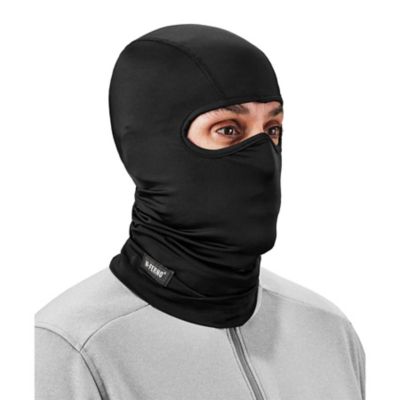
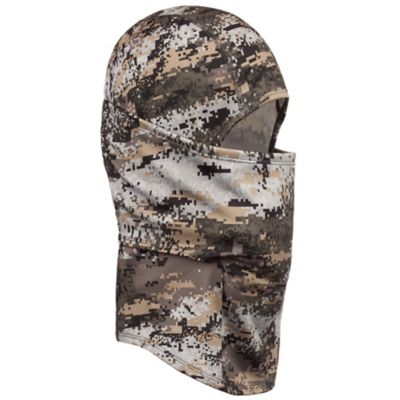
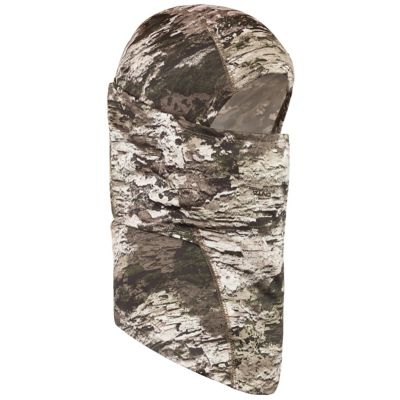
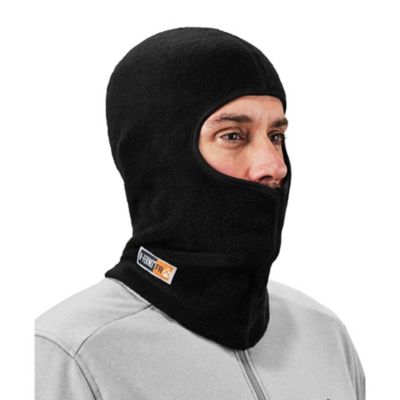
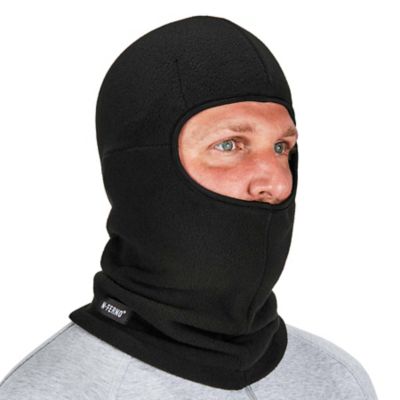
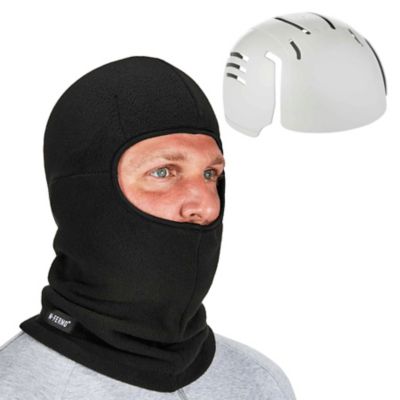
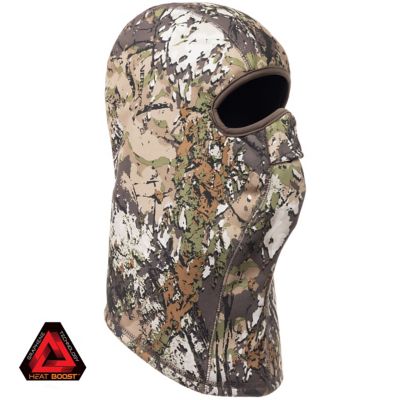
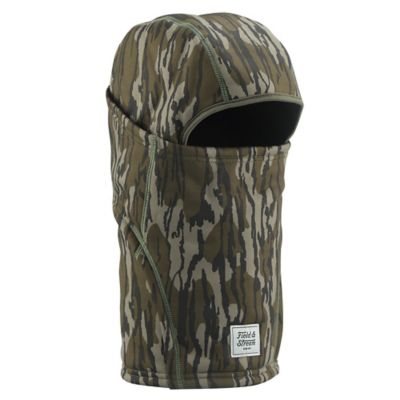
Shop cold weather balaclavas for added coverage during chilly workdays, outdoor chores, hunting, and winter activities. Browse options designed to help cover your head, face, and neck, including warm winter face coverings and cold-weather headwear suited to layering under hats, helmets, or other gear.
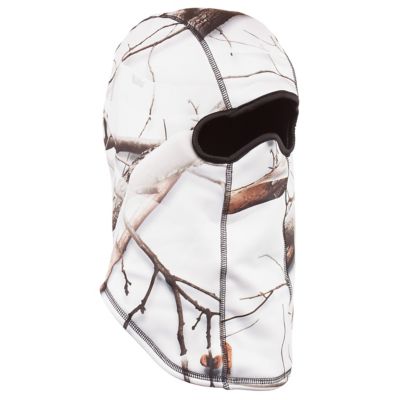
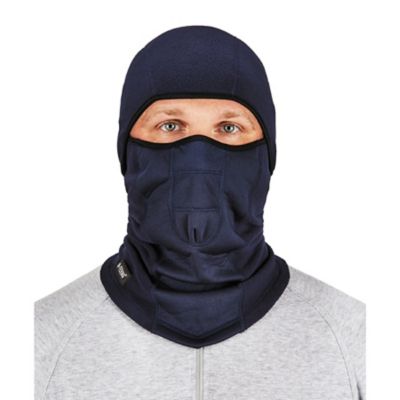
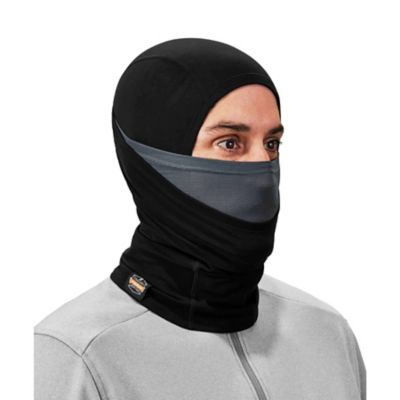
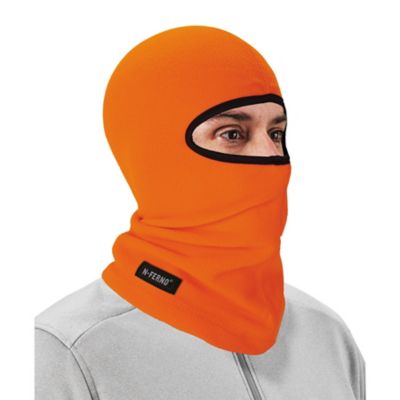
Best Of FAQ
What is a cold weather balaclava?
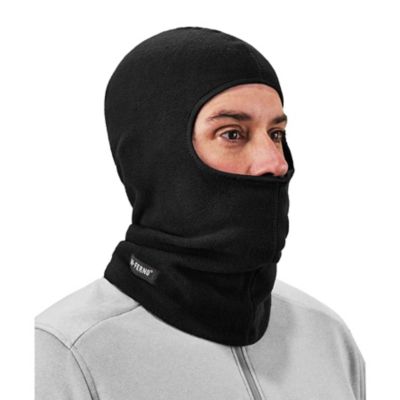
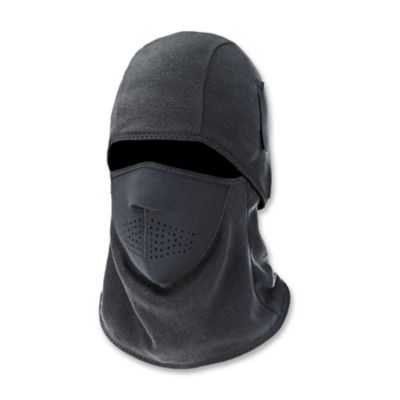
A cold weather balaclava is a close-fitting head and face covering made to cover areas such as the head, neck, cheeks, and chin. It can be worn on its own or beneath other cold-weather gear.
What materials are commonly found in cold weather balaclavas?
Common materials include fleece, wool blends, polyester, acrylic, and stretch fabrics. Some balaclavas combine a soft lining with a sturdy outer fabric for everyday outdoor wear.
How can a balaclava be worn?
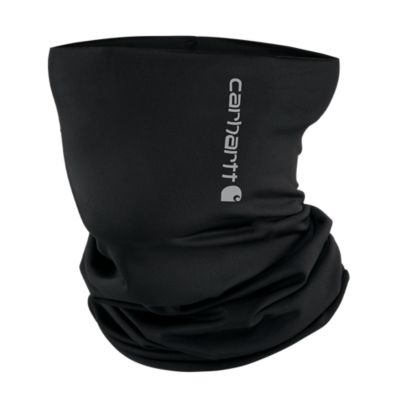
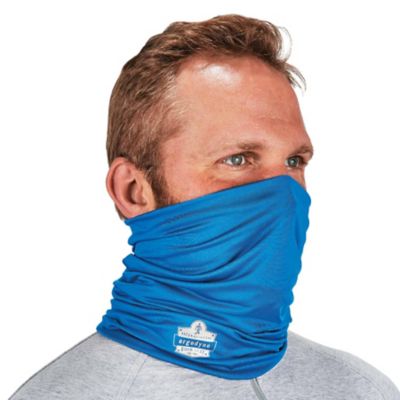
Depending on the design, a balaclava can be worn as a full face covering, with the face opening adjusted around the nose and mouth, or pulled down around the neck like a gaiter. It can also be paired with a coat, hood, or hat.
Are cold weather balaclavas handy for outdoor work?
Balaclavas are handy for outdoor chores, hunting trips, winter walks, and other time spent outside. Their low-profile design works well with work jackets, coveralls, and other layers.
How should a cold weather balaclava be cared for?
Follow the care instructions on the product label. Many fabric balaclavas can go in a washing machine on a gentle cycle, while air drying helps maintain the fabric and shape. Avoid heat or cleaners that are not recommended for the material.
Best Sellers
-
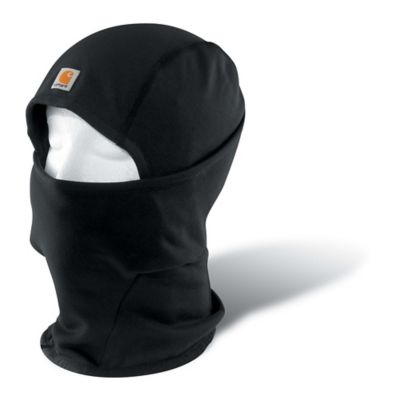
"This is the best face mask I've ever worn. The fit is perfect and the material is high quality"
-
"I love the fabric in front of the mouth and nose"
-
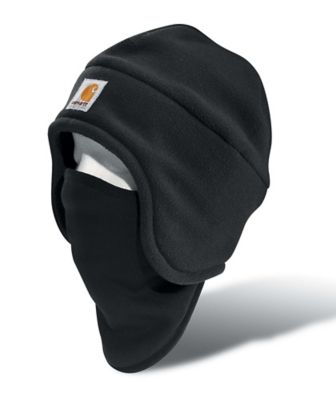
"Warmest hat I’ve ever owned- I LOVE the fleece inside, and no static when I take it off"
-
"I love it because carhartt beanies are my favorite, however the color is very different than what it"
-
"Love it's is so comforting to wear. Keeps the sun off your neck and ears"