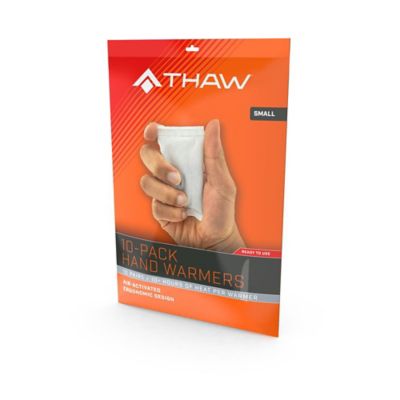
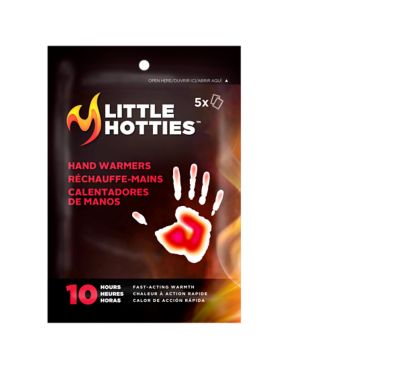
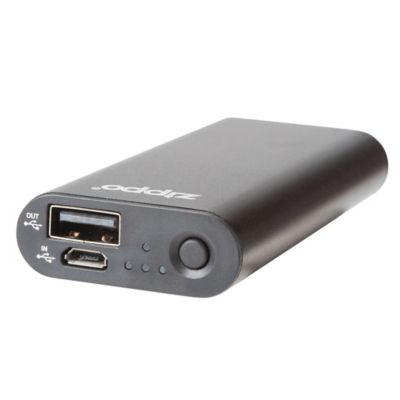
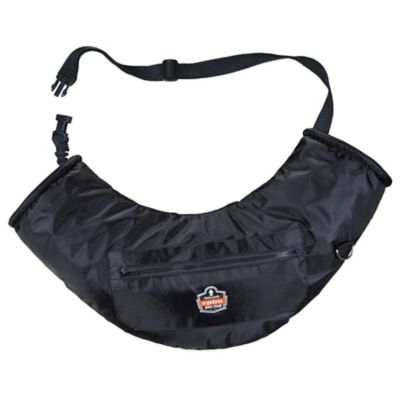
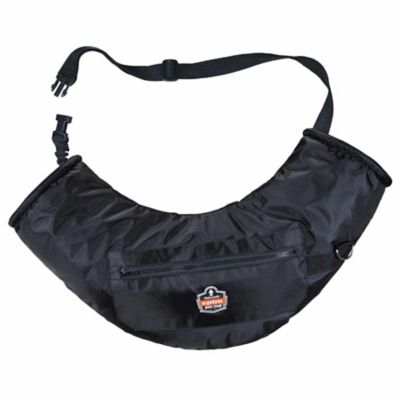
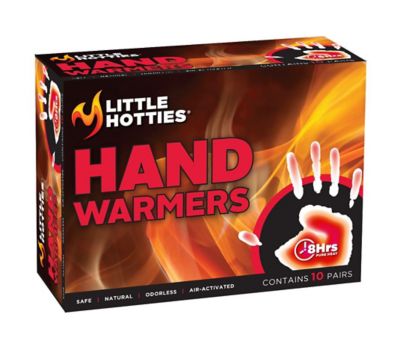
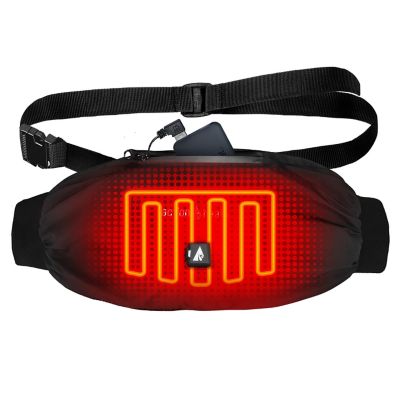
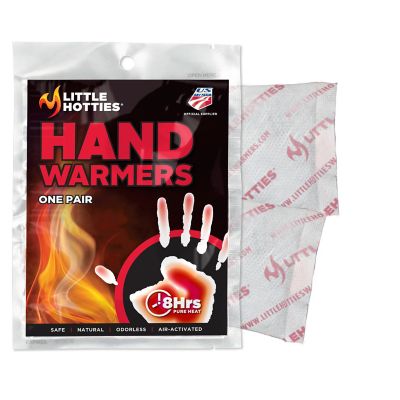
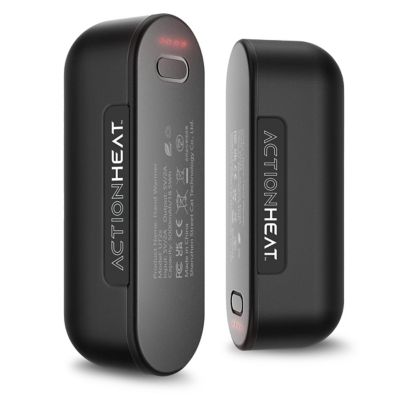
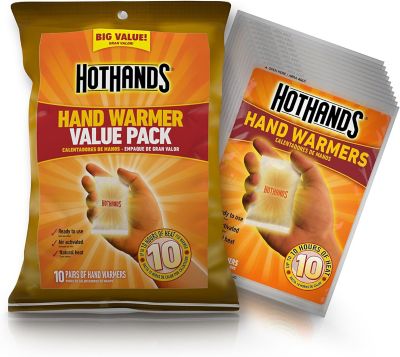
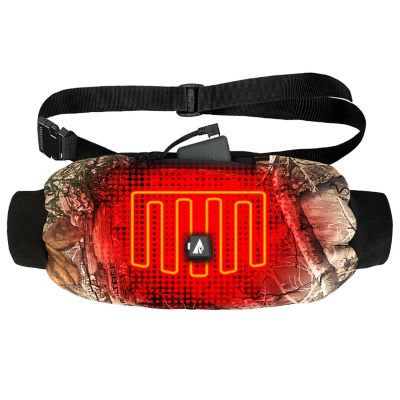
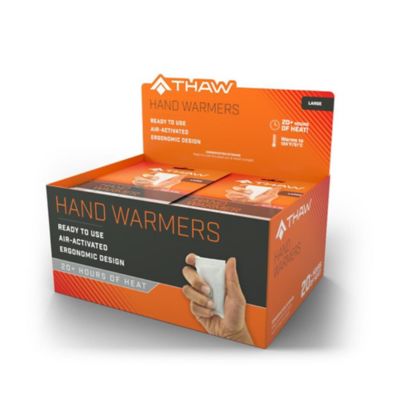
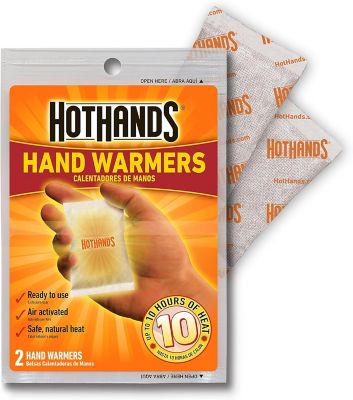
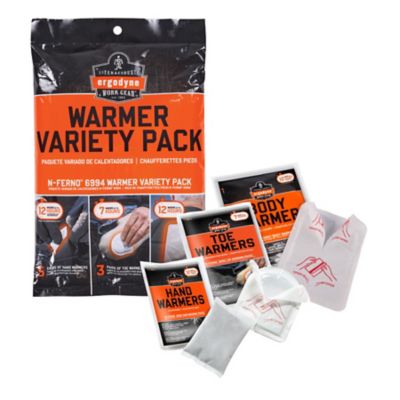
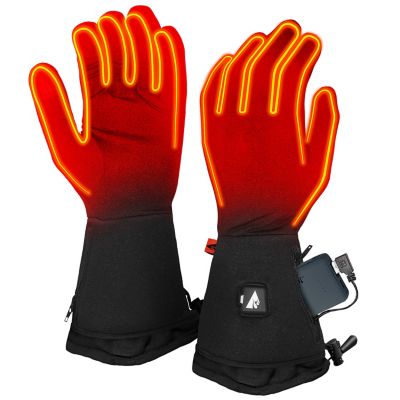
Hand warmers for outdoor work add portable heat when feeding livestock, repairing fence, clearing snow or spending a long stretch at an outdoor jobsite. The best match depends on how long the work lasts, how much finger movement the job demands and whether charging is practical between outings. Air-activated hand warmers suit workdays when a small, lightweight heat source is handy and access to electricity is limited. These packs typically contain an iron-based mixture inside a soft pouch that begins warming after the outer wrapper is opened and air reaches the contents. They take time to develop heat rather than getting hot immediately, and their working time varies by design and conditions. Rechargeable hand warmers provide another option for repeat trips outside, with battery-powered heating and, on some models, adjustable heat settings. They make sense for someone who can recharge between shifts, though higher settings generally draw down the battery faster. Reusable gel hand warmers offer a different approach, with certain designs activated by flexing a small disc and reset with heat according to their care directions. Their reset process and warming time deserve a look before choosing them for an all-day job. Across these types, the stated heating duration is a comparison point, not a promise that every warmer will perform the same way in every pocket. Wind exposure, surrounding temperature, heat setting and placement can affect the warmth that reaches the hands. A quick round of morning chores calls for something different from hours spent tending gates or watching a loading area. For work that keeps both hands busy, compact warmers that fit an appropriate pocket can be more practical than a larger device that must be held. For jobs with regular pauses, a handheld warmer can provide welcome heat between tasks without adding material inside a work glove. The right balance is enough working time for the outing without unnecessary size or extra gear getting in the way.
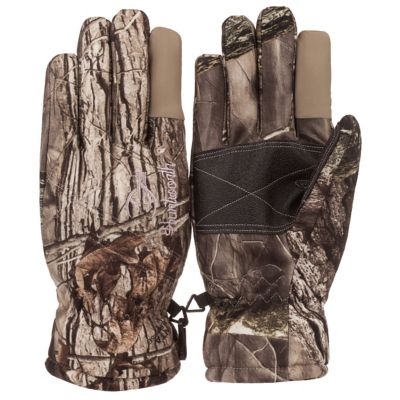
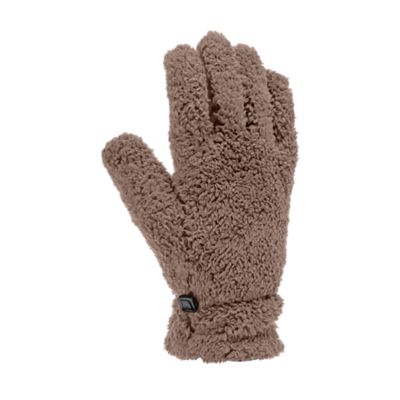
Fit matters because a hand warmer shares space with the clothing and equipment already doing the hard work. A slim pouch may tuck into a glove’s designated warmer pocket, while a thicker rechargeable unit often belongs in a jacket pocket where the hand can wrap around it during a break. A warmer should not crowd the fingers, stretch a glove out of shape or make the cuff difficult to close. Tight gloves can restrict movement and circulation, and a lump across the palm can interfere with holding a shovel, carrying a feed bucket or turning a gate latch. Placement should follow the warmer’s directions and the glove’s design rather than whichever spot happens to feel hottest. Materials matter here, too: flexible pouches conform more readily to small spaces, while rigid housings need enough room to sit without creating pressure points. Smooth edges and a comfortable shape are useful when a device will be held repeatedly throughout a shift. Hand warmers work alongside insulation and weather protection; they do not take the place of gloves suited to the task. For work around wet gates, melting snow or damp equipment,
Warm Waterproof Gloves can help round out a setup that keeps hands covered while managing moisture. Dry glove liners and cuffs that close out drafts also make a difference, especially when repeated trips between the barn and an open lot leave clothing damp. Finger movement remains important whether the job involves fastening clips, handling small hardware or checking a water trough. A warmer that stays in a pocket during the task lets the glove provide the grip and protection it was designed for. Around moving machinery, electrical equipment or other jobsite hazards, required protective gear and workplace rules come first. Heat is helpful only when it does not compromise a secure hold, safe movement or the protection needed for the work.
For everyday chore duty, a warmer’s ability to stand up to pocket wear, dirt and repeated handling deserves as much attention as its heat output. Soft packs need an intact pouch, while rechargeable models need a sound housing, undamaged charging connections and care that matches their stated water-resistance rating. A device that tolerates a little moisture is not necessarily meant for soaking rain, a dunk in a trough or a trip through the washing machine. Checking coat pockets before laundry helps keep a small warmer from becoming a ruined one. Air-activated packs generally store best in their unopened outer wrappers in a dry place, with package dates and storage directions providing the details for that design. Once activated, they cannot simply be returned to their original sealed condition for another full session. Rechargeable warmers need the specified charging equipment and a suitable charging location; a wet, cracked or swollen device should be taken out of service. Gel designs have their own reset and inspection requirements, particularly if the pouch shows damage. Regardless of type, excessive heat, prolonged contact and pressure against the body can cause burns, even when the warmth initially feels comfortable. Follow the labeling for skin contact and placement, check comfort regularly and stop if a warmer becomes uncomfortable. Anyone with reduced sensation or circulation concerns should get medical advice before choosing heat products. Keep warming packs away from children and animals, and keep discarded packs out of feed areas where a curious animal might find them. For a practical gift, hand warmers can suit livestock owners, grounds crews, fence builders and anyone whose work includes cold stretches outdoors. The most useful choice fits the recipient’s routine: access to a charger, room in workwear pockets, opportunities to warm hands between tasks and the length of a typical outing. That everyday fit is what makes a warmer worth carrying from the mudroom to the truck and out to the next chore.