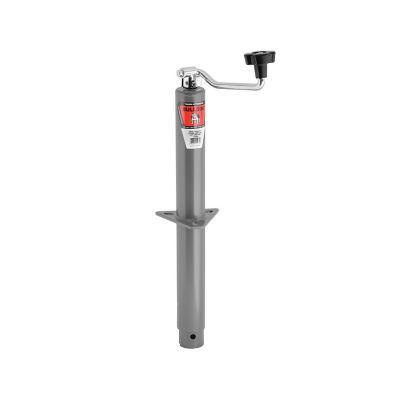
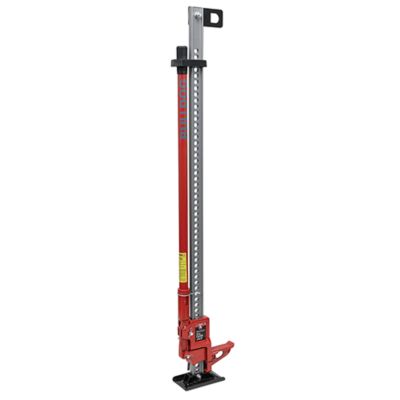
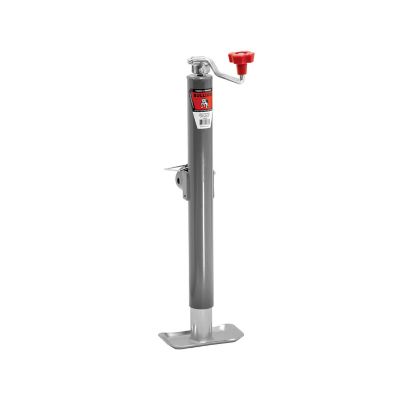
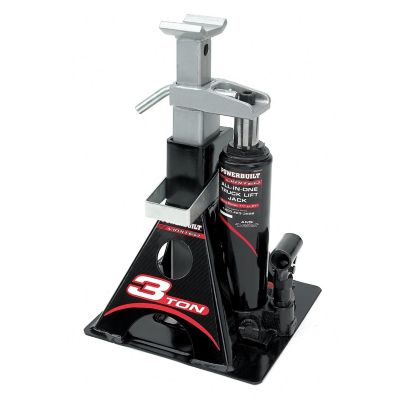
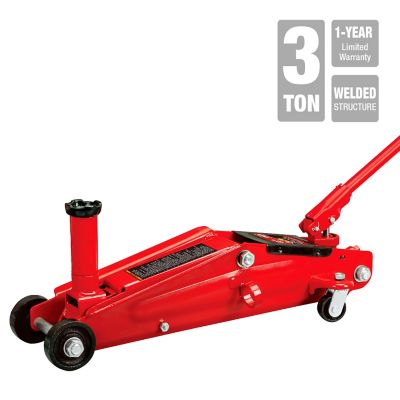
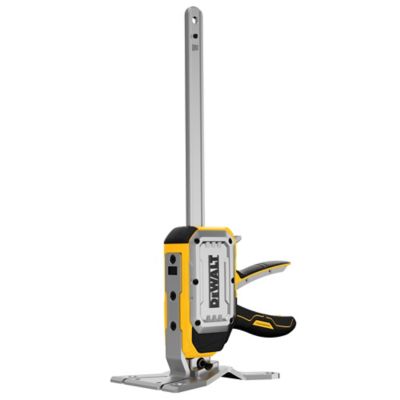
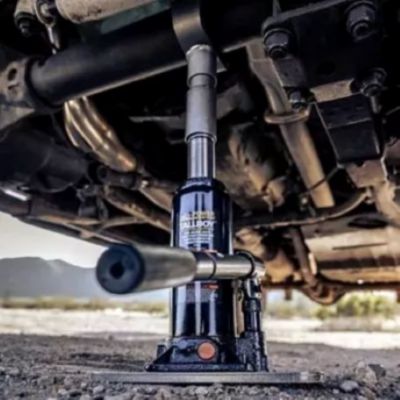
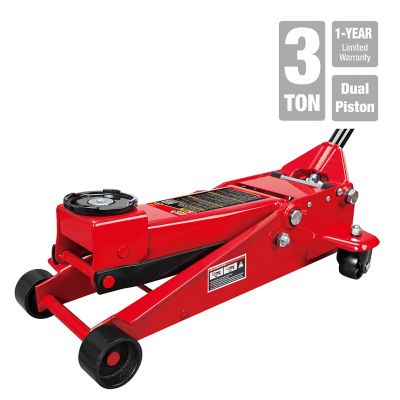
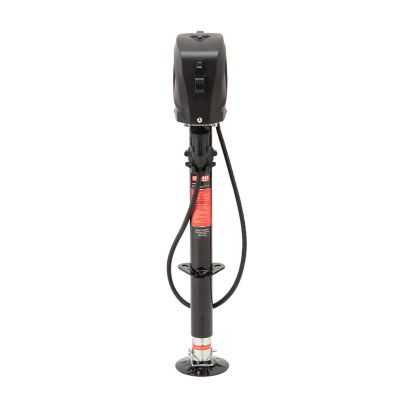
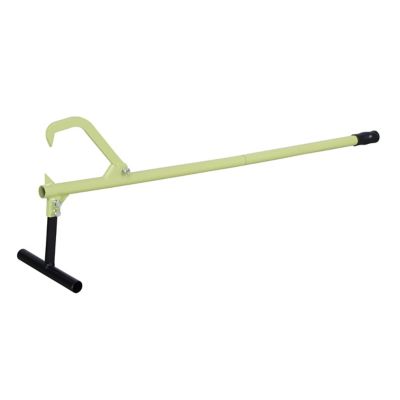
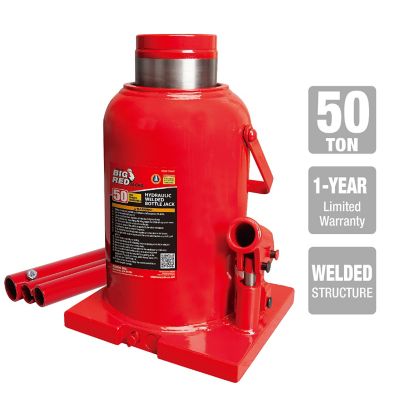
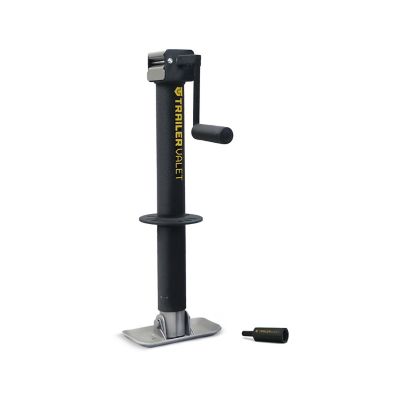
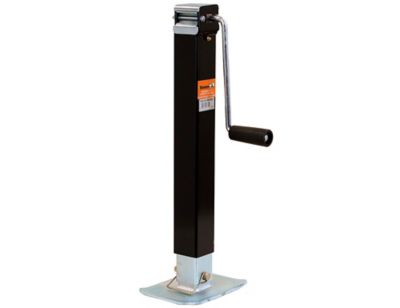
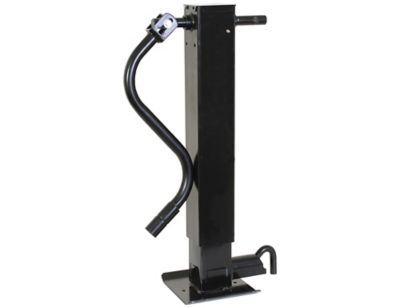
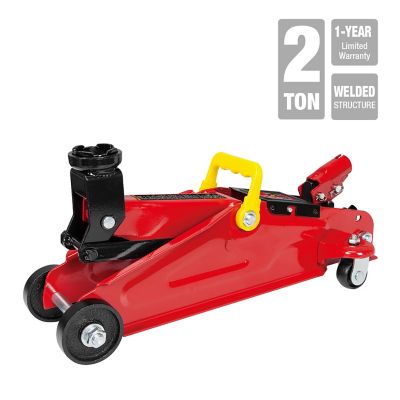
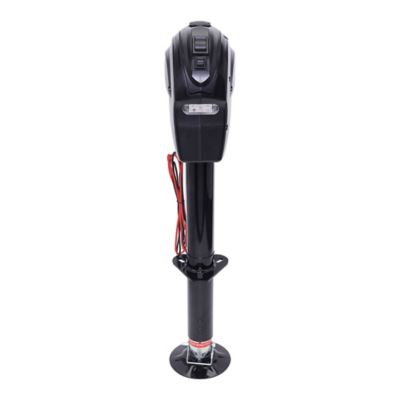
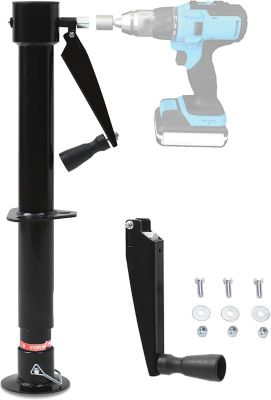
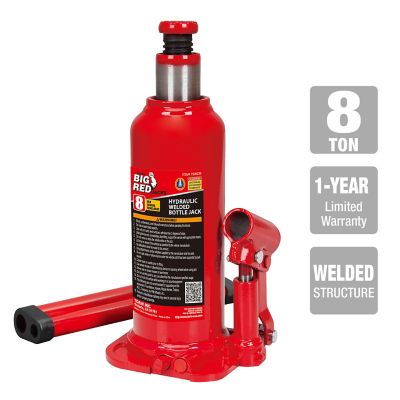
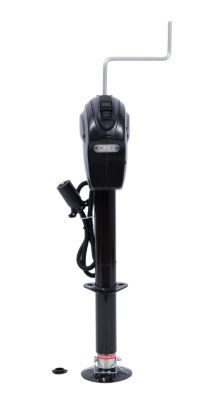
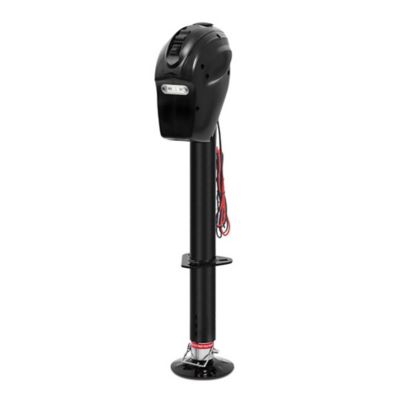
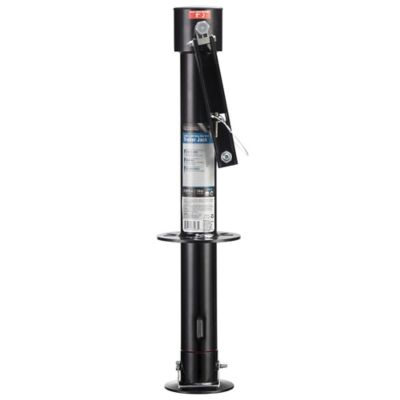
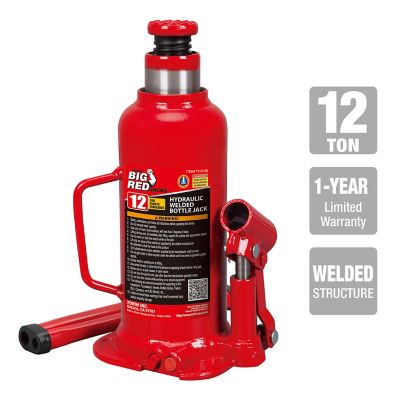
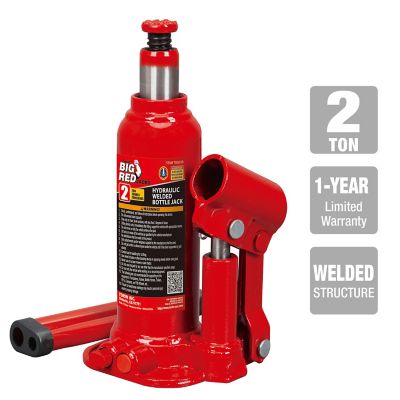
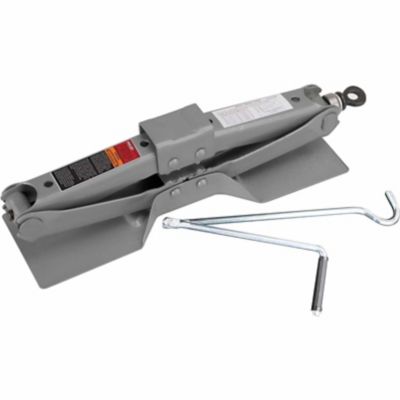
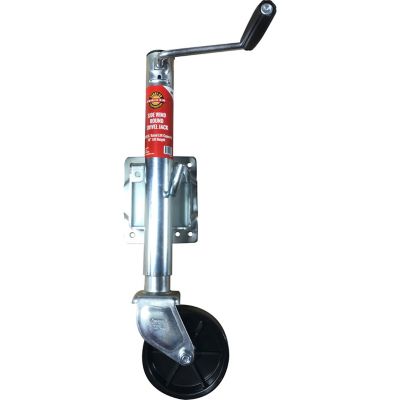
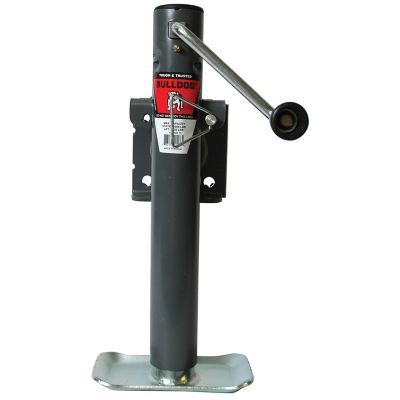
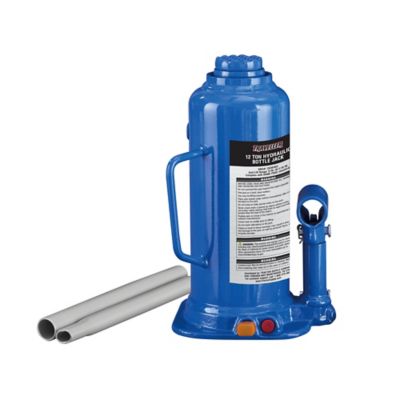
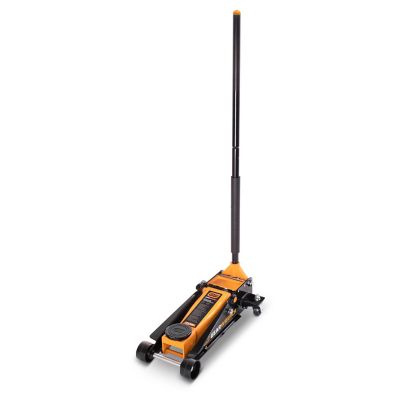
Lifting jacks earn their place in a garage, farm shop or equipment shed by making heavy loads manageable for maintenance and repairs. From getting a pickup tire clear of the floor to raising a trailer at an approved lifting point, the job calls for equipment that fits both the load and the space around it. Hydraulic floor jacks, bottle jacks and mechanical jacks serve different needs, with differences in lifting height, footprint, operating effort and storage space. A floor jack’s long frame and rolling wheels can work well on a smooth concrete shop floor, where there is room to position the saddle and move the handle. A bottle jack puts hydraulic lifting force into a more compact, upright shape, though its starting height may rule it out for vehicles with limited ground clearance. Scissor jacks take up relatively little room and are often associated with roadside tire changes when matched to the vehicle and its designated lift points. Farm jacks have their own requirements for compatible lifting points, load control and stable footing; they are not interchangeable with automotive jacks. Across these styles, rated capacity is only part of the fit. The jack also needs enough reach to contact the specified lifting point and enough travel to raise the load to the height the task requires. A low saddle may fit beneath a car but lack the reach needed for a taller truck, while a taller jack may not slide beneath a vehicle with a flat tire. Vehicle weight, manufacturer requirements, frame clearance and the shape of the lifting surface all belong in the selection. For households maintaining several vehicles or pieces of equipment, those differences matter more than choosing a jack by appearance or size alone. The right match makes sense for the actual work, whether that means occasional tire changes, regular brake service or maintenance on equipment whose manufacturer permits that style of lifting. Even a familiar-looking jack deserves a close look at its specifications, since similar shapes can have very different operating limits.
Construction affects how a lifting jack handles day-to-day work as well as how easy it is to move around the shop. Steel frames tend to add weight, which can be less convenient when carrying equipment but practical for a jack that stays near the workbench. Aluminum construction can reduce carrying weight, while some designs combine materials to balance weight and strength. Neither material takes the place of a suitable capacity rating or sound construction. Frame reinforcement, saddle design, wheel hardware and handle connections all contribute to how the equipment feels under load. A broad saddle offers a different contact surface than a narrow one, but the correct contact depends on the vehicle or equipment manufacturer’s requirements. Adapters need to be specifically approved for the jack and the application, rather than improvised from loose blocks or whatever happens to be nearby. Handle length and pumping clearance matter, too. A long handle can provide leverage, yet it needs room to move without striking a bumper, tool chest or wall. Wheels and casters help a floor jack position itself as the lifting arm travels, making a hard, level surface important to proper operation. Care is mostly about keeping the equipment clean, checking its condition and following the maintenance schedule supplied by its manufacturer. Dirt around moving joints, damaged wheels, bent parts and hydraulic leaks deserve attention before another lift. Hydraulic fluid type, lubrication points and storage position vary by design, so the manual remains the reference rather than a one-size-fits-all routine. Wiping away grime also makes changes easier to spot, including fresh fluid around a seal or damage at a weld. A jack that lowers unexpectedly, moves unevenly or shows damage needs to be taken out of service until it has been properly evaluated. Protected storage helps keep grit off working parts and keeps the handle and any approved accessories together, ready for the next job.
For folks who maintain their own trucks, trailers and farm equipment, a lifting jack is part of a larger work setup rather than a stand-alone answer to every lifting task. The space around the load matters just as much as the space underneath it: there needs to be room for the handle, room to position suitable supports and a clear path without cords or tools underfoot. A hard, level surface is essential; gravel, dirt and other yielding ground can let the base or wheels shift or sink. Wheel chocks and the vehicle manufacturer’s parking and lifting procedures help control movement before the load leaves the ground. A jack is a lifting device, not a substitute for properly rated jack stands or other manufacturer-specified supports. No one should get beneath a vehicle or load supported only by a jack. That distinction matters whether the task takes a few minutes or keeps the shop busy for an afternoon. Work that leaves the wheels on the vehicle may call for a different setup than work that requires wheel removal.
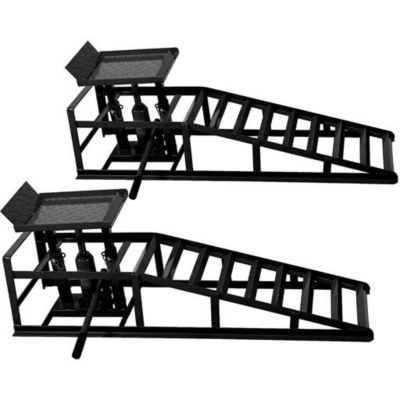
Vehicle Lift Ramps offer another approach for certain maintenance tasks when the vehicle, tire dimensions, ramp ratings and job requirements are compatible, but they do not serve the same purpose as a jack for removing a wheel. Trailer lifting also needs special attention because an axle, suspension component or frame section is not automatically an approved lifting point. The same goes for mowers and other equipment, which may require a purpose-built lifting system instead of an automotive jack. For a home mechanic, small acreage owner or farm crew, the most useful lifting equipment matches familiar jobs without asking the operator to stretch its limits. Clear capacity markings, readable instructions, manageable carrying weight and a storage footprint that fits the shop all have everyday value. Whether it lives beside the service bay or travels with a compatible vehicle, a well-matched jack helps keep maintenance organized around the load, the work surface and the task at hand.