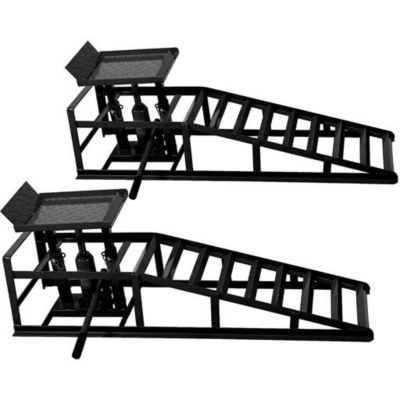
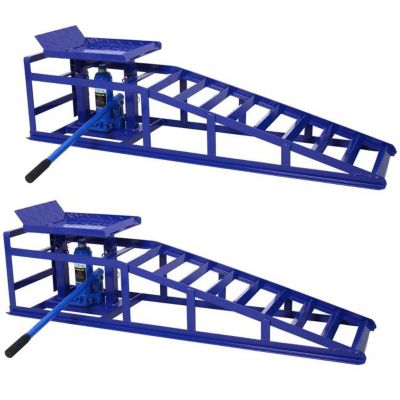
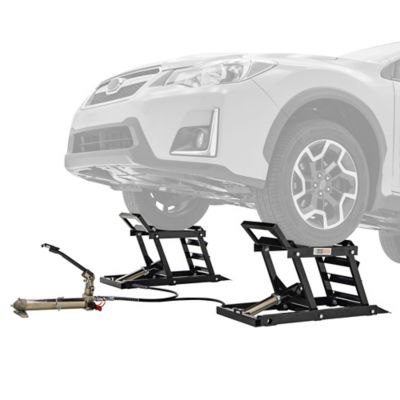
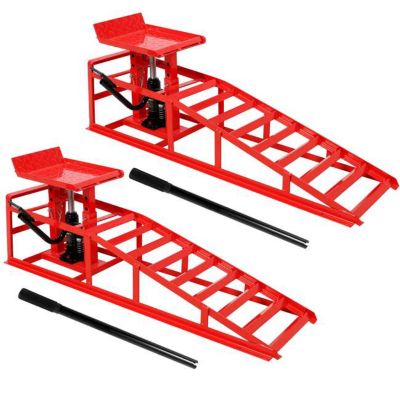
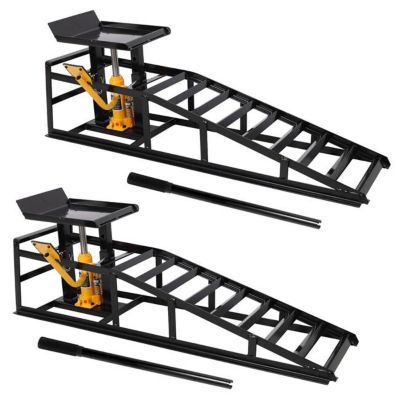
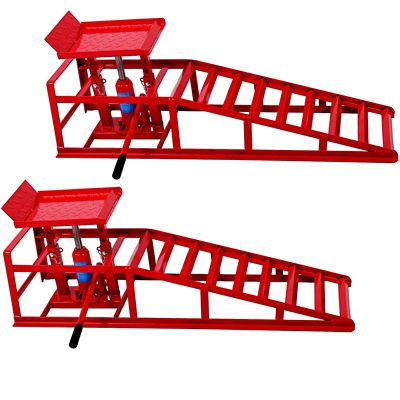
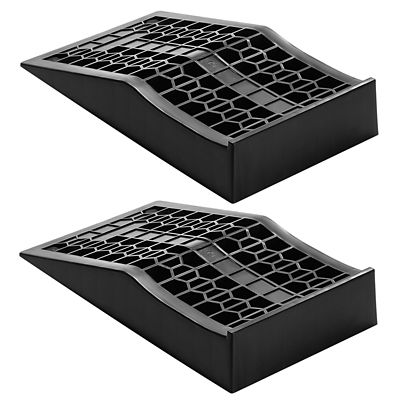
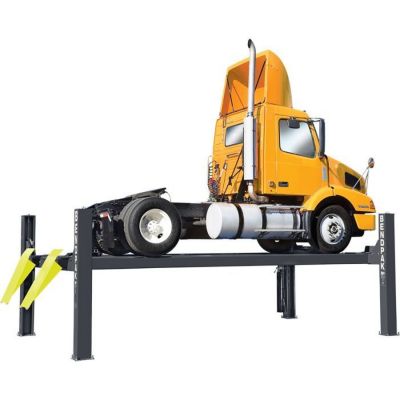
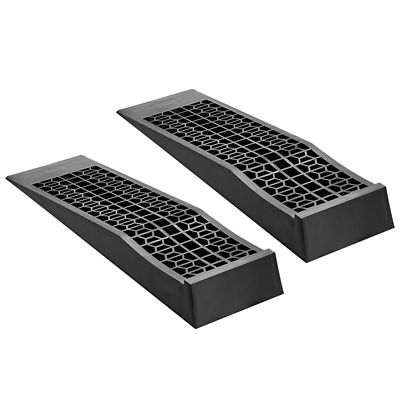
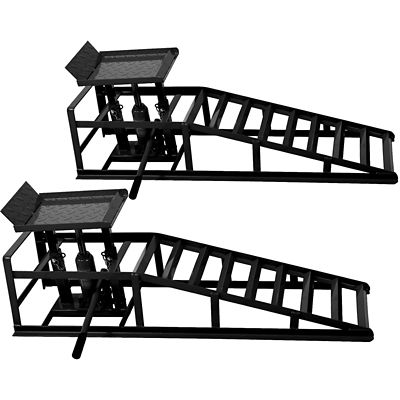
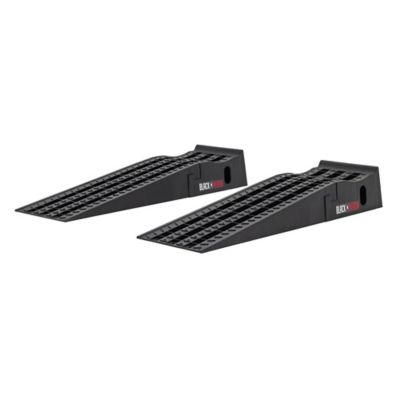
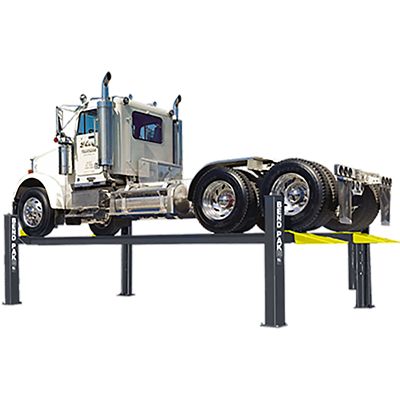
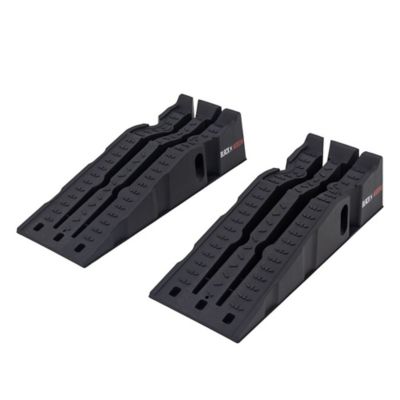
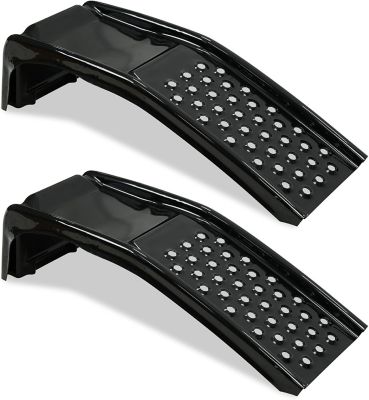
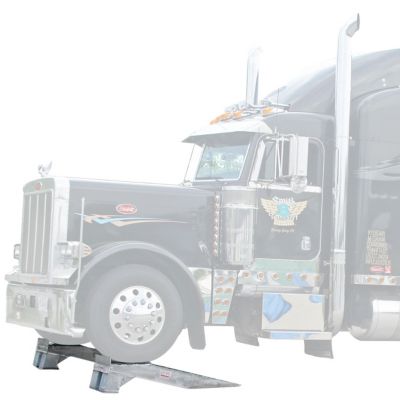
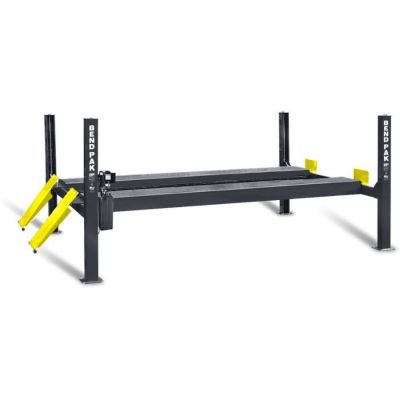
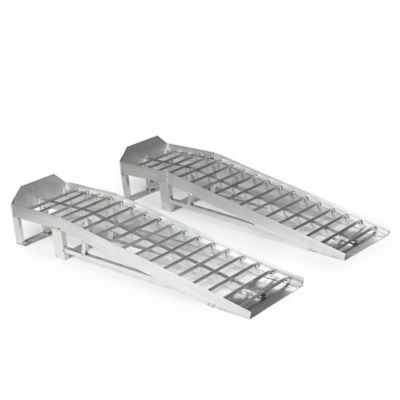
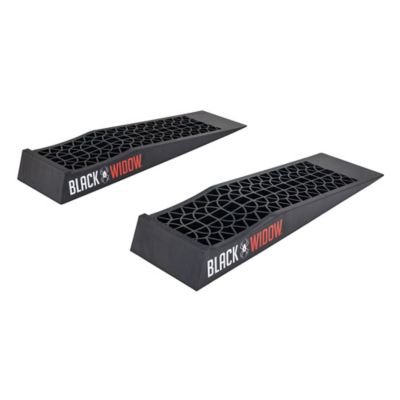
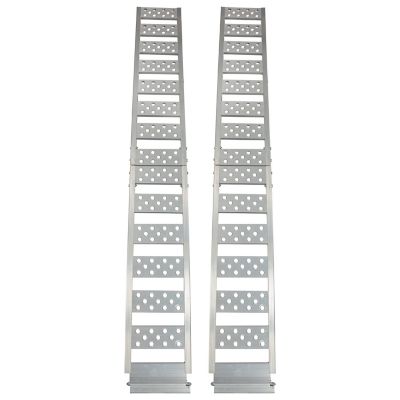
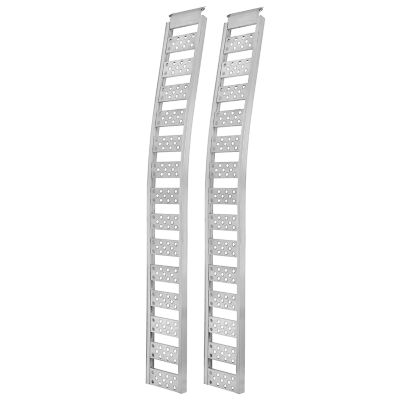
Vehicle lift ramps raise a vehicle’s tires onto an elevated platform, creating working room underneath while keeping the wheels supported. They’re a practical fit for oil changes, underbody inspections, and other maintenance that doesn’t require removing a wheel. For someone looking after a farm pickup, a family SUV, or a car that handles the daily commute, a well-matched set can make routine work easier to reach without taking up the space of a permanent shop lift. The main categories include fixed-height service ramps, hydraulic lift ramps, and approach ramps made to work with compatible vehicle lifts or service racks. Fixed-height ramps have a sloped driving surface leading to a raised wheel platform, with no lifting mechanism to operate. Hydraulic versions provide adjustable height, with operating limits and mechanical locking requirements that depend on their design. Approach ramps serve a different purpose: they ease the transition onto another lifting system, especially where a low front bumper might otherwise scrape. They aren’t interchangeable with standalone service ramps unless the manufacturer specifically rates them for that job. That distinction matters when comparing equipment for a garage bay or a concrete work area beside the shop. Someone who mainly changes oil may want a straightforward drive-on platform, while a household with several vehicle styles may need to pay closer attention to differences in tire width, bumper clearance, and axle load. Related
Vehicle Repair Ramps can also be considered in terms of the maintenance tasks and vehicle dimensions they’re designed to accommodate. The useful choice is the one that fits the vehicle and the work, rather than simply providing the greatest height. Ramps keep the tires loaded, so they don’t replace equipment intended for brake work, tire removal, or repairs that require the suspension to hang freely.
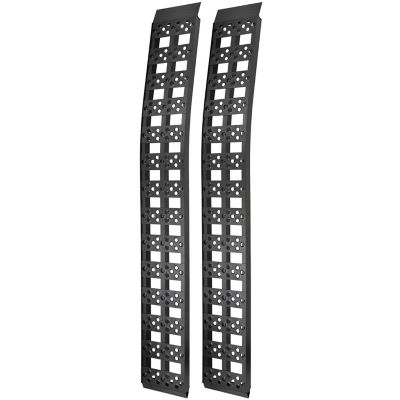
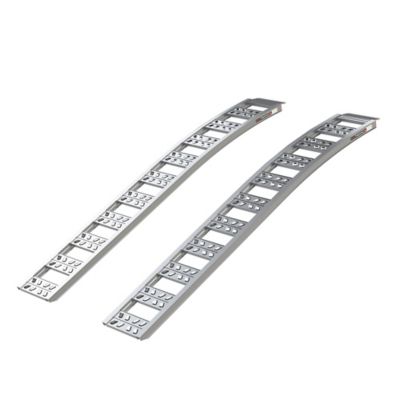
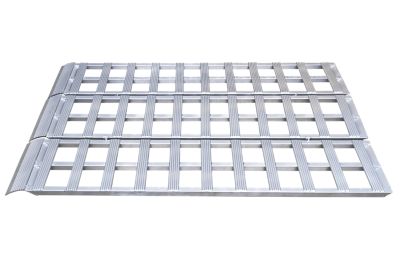
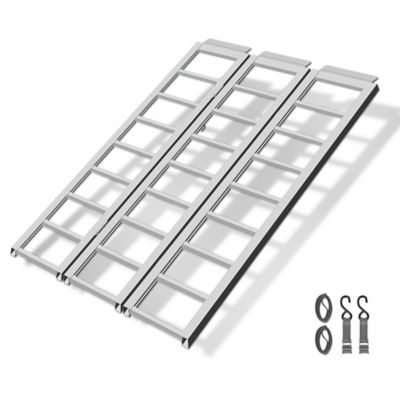
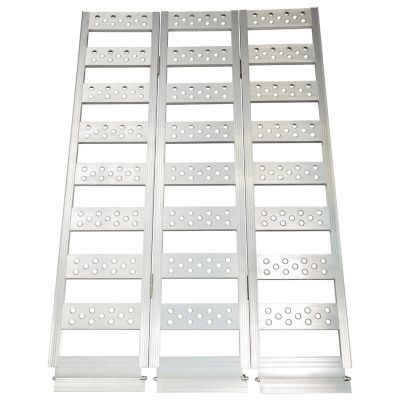
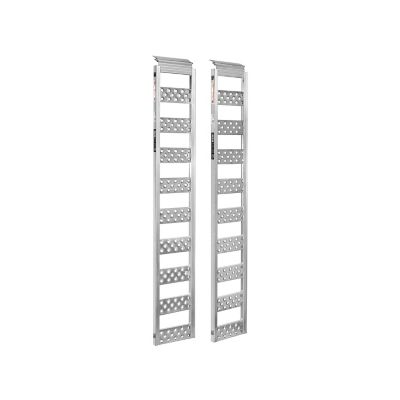
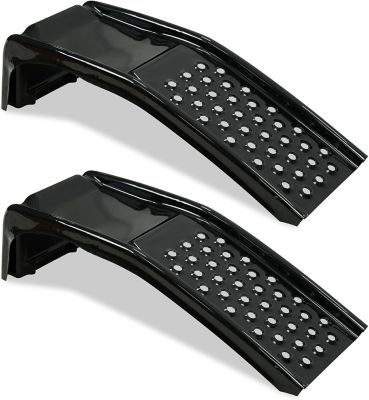
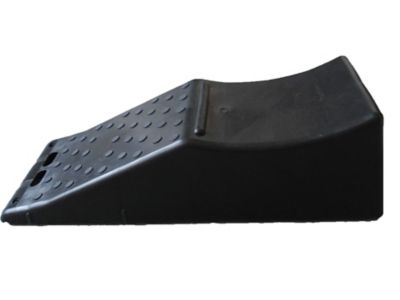
Capacity, platform width, approach angle, and lift height are the key measurements that separate vehicle lift ramps suited to different jobs. A stated capacity might apply to one ramp, a pair, an axle, or a maximum vehicle weight, and those figures don’t mean the same thing. The manufacturer’s rating needs to cover the load in the exact configuration specified, including any cargo that remains in the vehicle. A pickup with a full toolbox and equipment in the bed presents a different load than the same truck empty, and total vehicle weight alone doesn’t show how much rests on each axle. Tire fit deserves equal attention: the tread needs full support within the platform’s stated limits, without overhang or contact that interferes with positioning. For a low-slung car, the distance from the front tires to the bumper can matter as much as ground clearance. A longer, gentler incline may provide a better approach, but it also needs more open floor space. Lift height determines the added clearance beneath the raised end, not a uniform increase beneath the entire vehicle. Materials bring another set of trade-offs. Steel ramps can offer substantial load support, though their weight may make carrying and storage more demanding, and damaged protective finishes can leave metal exposed to corrosion. Aluminum ramps are often easier to move, with construction and load ratings still taking priority over the material name alone. Molded polymer ramps can be convenient to carry and may have broad bases, but their stated limits for load, surface conditions, heat, and chemical exposure remain important. Open or textured driving surfaces may help with tire grip, while base design affects how the ramp rests on an approved floor. Welds, reinforcing ribs, platform dimensions, and support points all contribute to how a ramp handles its intended load. For a shared household garage, clear markings and manageable carrying weight can be just as useful day to day as a compact storage footprint.
Good vehicle lift ramps belong on a firm, level surface approved by their manufacturer, with enough room for a straight approach and clear positioning. Loose gravel beside a barn, soft ground, and sloping driveways aren’t substitutes for a suitable work surface. Concrete can provide the foundation many designs require, but its condition and the ramp instructions still matter; cracks, contamination, or uneven spots can affect support and grip. Safe use also involves the vehicle manufacturer’s directions, the proper transmission setting, parking brake application, and correctly positioned wheel chocks at the tires that remain on the ground. Raised edges and end stops help define the wheel platform, but they don’t replace controlled positioning or confirmation that each tire is properly supported. Hydraulic ramps require particular attention to their specified mechanical locks and support arrangements; hydraulic pressure alone is not a substitute for the support required before anyone works underneath. Exhaust ventilation and clearance from hot components also matter when a maintenance task brings a vehicle into an enclosed workspace. Between jobs, a little attention helps keep ramps ready for the next oil change or inspection. Oil, grease, and other residue should be removed according to the care directions so the driving surface and base stay clean. Cracked polymer, bent metal, damaged welds, missing hardware, or a hydraulic leak calls for taking the equipment out of service until the manufacturer’s requirements are met. Storage needs depend on the design: nesting shapes can save floor space, while heavier frames need a secure spot where they won’t tip into a walkway or get struck by moving equipment. Keeping matched components together and capacity labels readable makes the next setup less of a chore. For the person who always seems to have a truck in the shop, ramps can make a practical gift when the vehicle specifications and intended tasks are already known. Whether they’re for occasional maintenance or regular shop work, the best match comes down to suitable load support, proper tire fit, manageable handling, and room to work safely.