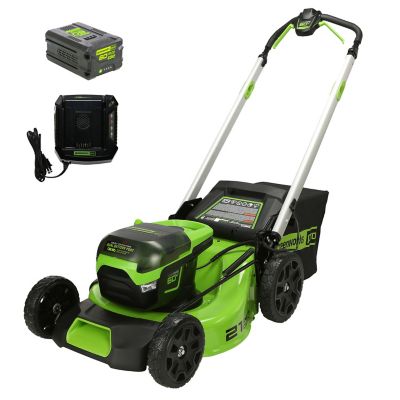
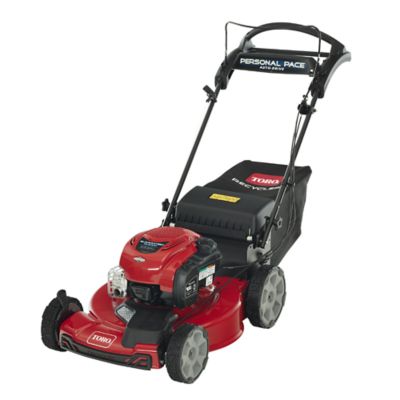
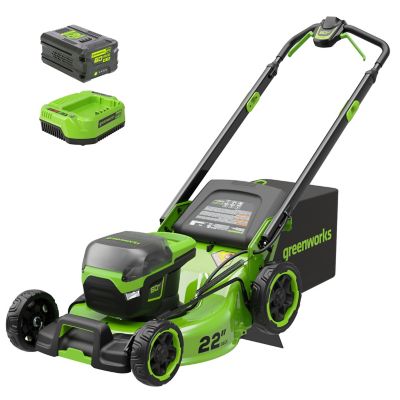
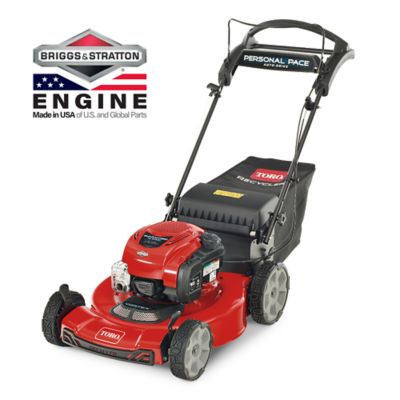
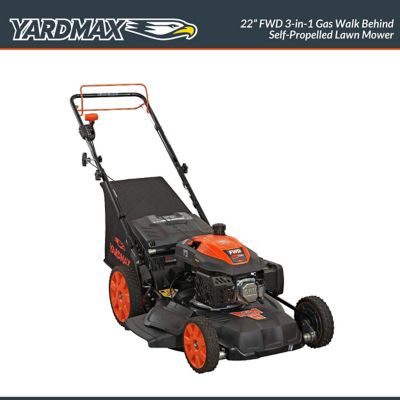
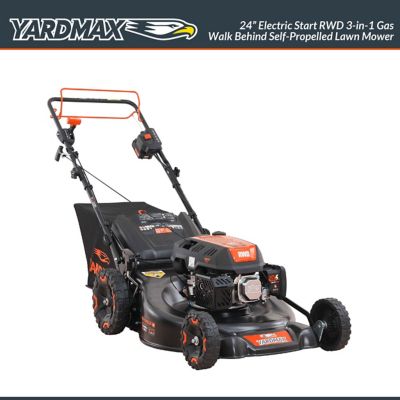
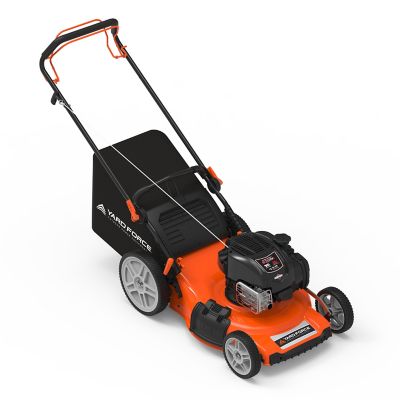
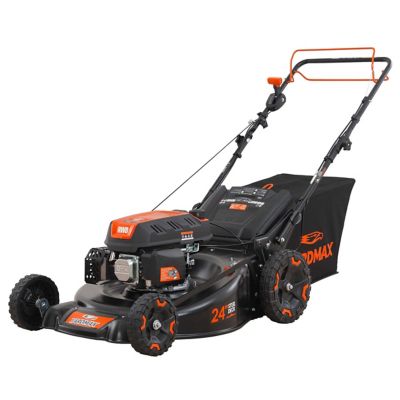
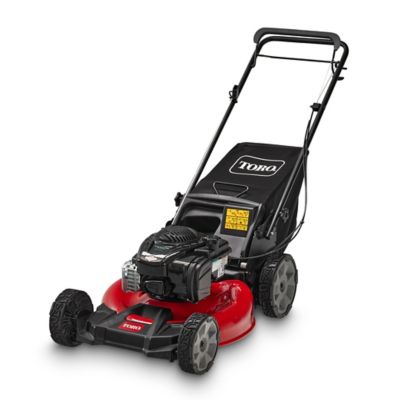
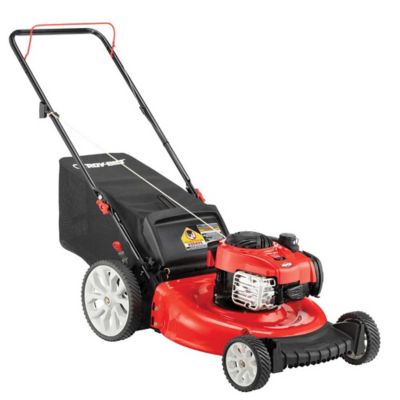
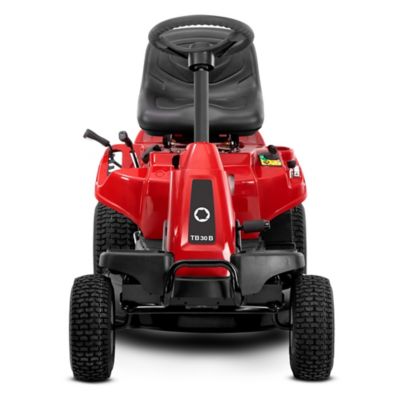
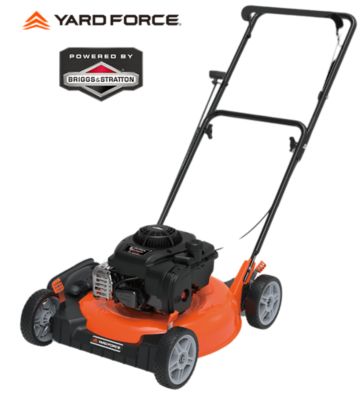
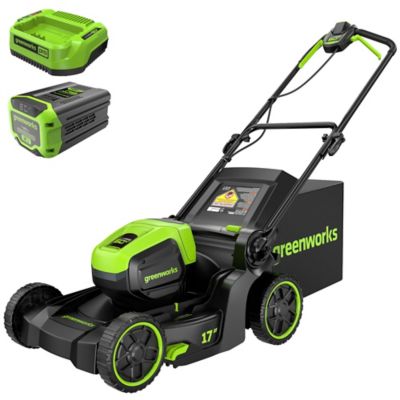
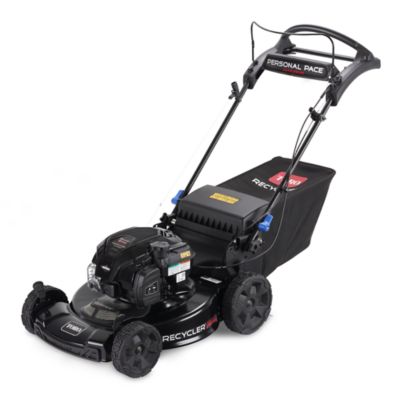
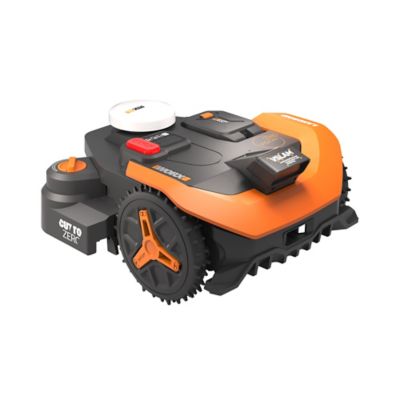
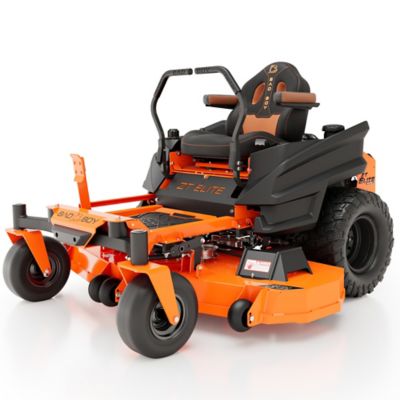
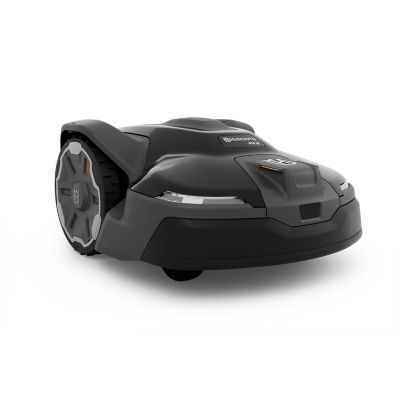
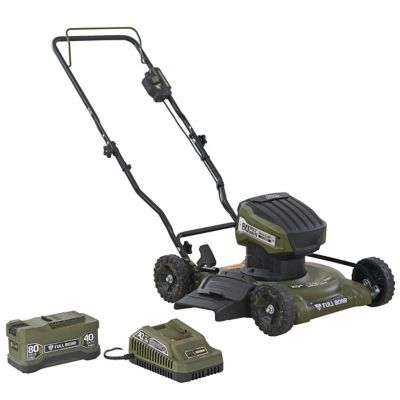
Lawn mowers with easy start technology simplify startup through push-button or keyed electric starters, battery-powered motor controls, or automatic choke systems on gas engines. These features address different parts of the starting process, so the distinction matters. An electric starter turns a gas engine without a manual cord pull, while an automatic choke adjusts the starting fuel-and-air mixture and can still require a pull cord. A battery-powered mower starts its electric motor through a control sequence, commonly involving a safety button and a handle-mounted lever. For someone who finds repeated cord pulls hard on the hands or shoulders, that difference can make a regular mowing job feel more manageable before the first strip of grass is cut. Electric-start gas mowers still have an engine, fuel system and maintenance requirements; the starter changes how the engine gets going, not how it runs. Battery-powered mowers take a different approach, with no gasoline to add and no engine oil changes, though blades, wheels, batteries and other components still need attention. The right fit depends on more than the words “easy start.” The position of the controls, the steps required to engage the blade and the effort needed to hold the operating lever all affect everyday comfort. A mower that starts with a button may still involve bending to install a battery or reaching to turn a key. Clear controls and a comfortable handle position matter when mowing around fence posts, stopping to open a gate or restarting after moving a fallen branch out of the path. For homeowners tending a small patch beside the house, folks maintaining a larger lawn around an outbuilding, or family members sharing mowing duties, straightforward startup takes one source of fuss out of a familiar chore. Safety controls remain part of the process, and an easy-start feature never replaces the operating steps specified for the mower.
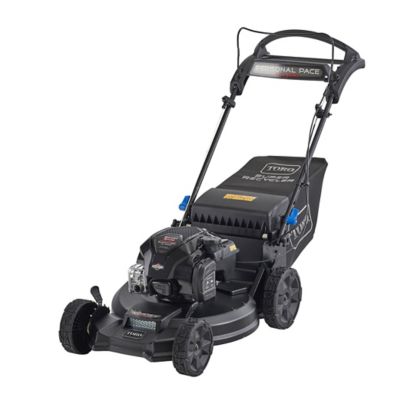
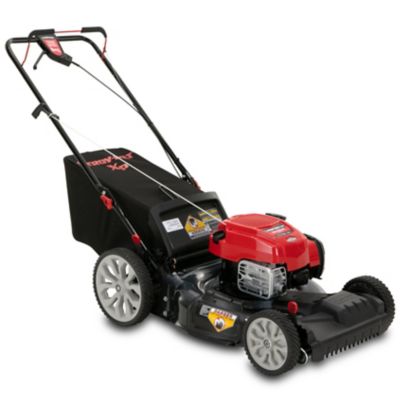
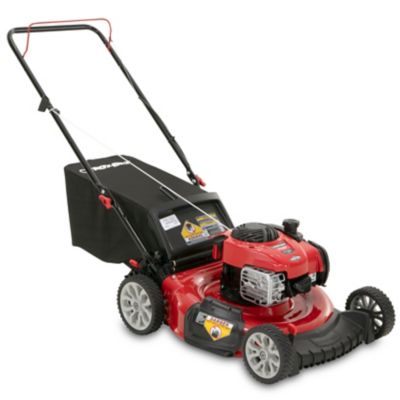
Starting assistance and driving assistance are separate features, and understanding both helps match a mower to the ground it will cover. A push mower relies on the operator to move it forward, even when the blade starts at the touch of a button. A self-propelled mower powers its wheels to help with forward movement, while the operator steers and manages speed. The
Self Propelled Lawn Mower For Easy Use collection offers a related way to consider powered wheel assistance alongside simpler startup. On a broad stretch of lawn, a comfortable walking speed and an easy-to-reach drive control can matter just as much as ignition. Around garden beds, trees and tight corners, manageable weight and responsive handling help with frequent turns. Cutting width also affects the fit: a wider deck covers more ground per pass, while a narrower mower can be easier to work through gates or between closely spaced obstacles. Gate openings, shed doorways and the space between plantings are worth considering alongside lawn size. Deck construction contributes to weight, handling and upkeep. Steel decks bring a sturdy feel but need attention to chipped finishes and trapped clippings that can encourage rust. Polymer or composite decks resist rust and may reduce weight, with care requirements that depend on their construction. Wheel size, tread and bearing design also influence how a mower moves over uneven ground. No starting system makes a mower suitable for every slope, and the operating limits in the manual still apply. Adjustable handle height can help different operators maintain a comfortable stance, while cutting-height adjustments allow the mower to suit the grass and the desired finish. Mulching, bagging and side-discharge configurations serve different cleanup preferences. A grass catcher adds collection capacity but also means lifting and emptying clippings, another practical detail for anyone trying to keep the whole job easier from start to finish.
Easy starting works best as part of a mower setup that suits the property and receives regular care. With gas equipment, fresh fuel of the specified type, the correct oil level and a clean air filter all support proper engine operation. An automatic choke removes a manual adjustment from startup, but it cannot make up for stale fuel or neglected engine service. Electric-start gas mowers may also have a starter battery that needs charging according to the manufacturer’s directions. That battery serves a different purpose from the larger battery pack that powers a cordless mower’s cutting motor. For battery-powered equipment, mowing time depends on factors such as grass height, cutting load, drive assistance and battery capacity; a single runtime figure does not describe every yard. Thick growth and frequent starts can draw more power than light trimming along an already maintained lawn. The battery’s weight, its placement on the mower and the effort needed to remove it are useful considerations for anyone carrying equipment between a shed and the yard. Charger requirements and the manufacturer’s storage directions matter, too, especially where equipment shares space with tools, feed bins or other household gear. Across mower types, a sharp, properly fitted blade supports a cleaner cut and helps avoid unnecessary strain on the power system. Clearing clipping buildup according to the manual helps keep the deck in working order, while checks of wheels, fasteners, cables and handles can catch wear before it interrupts a job. Power must be disconnected as directed before cleaning or servicing, including removing a battery or disconnecting a spark plug where applicable. Storage features deserve a close look as well: folding handles can save floor space, but upright storage is appropriate only when the mower is designed for it. From the first start to putting the mower away, the most useful features are the ones that suit the operator’s reach, the yard’s layout and the amount of upkeep that fits into the routine.