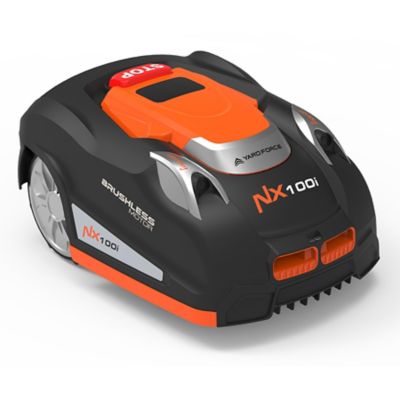
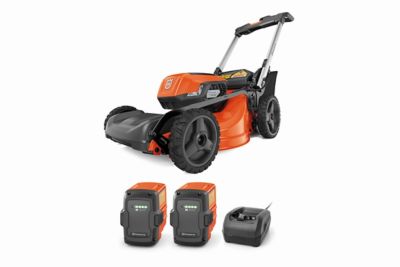
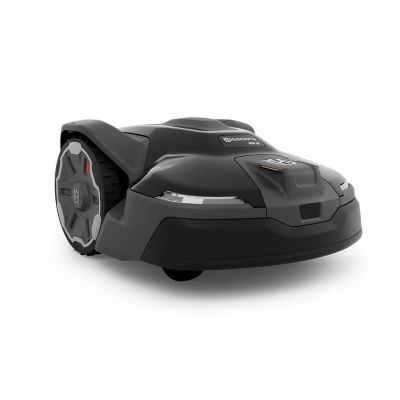
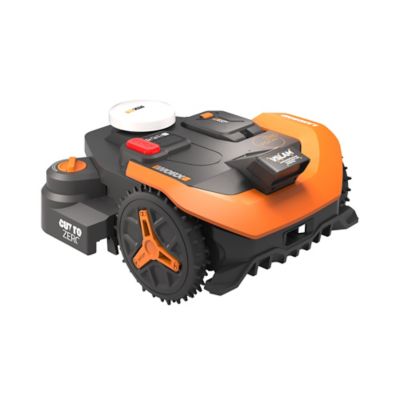
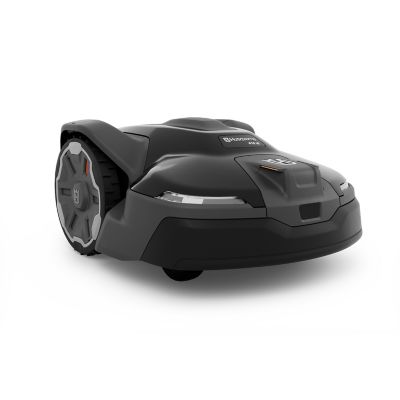
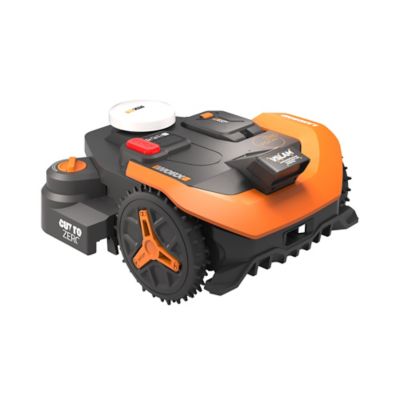
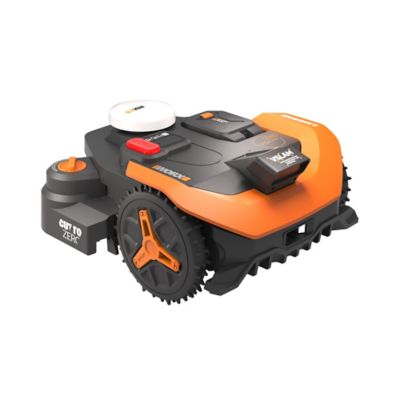
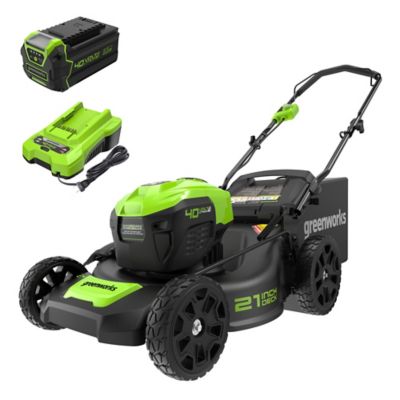
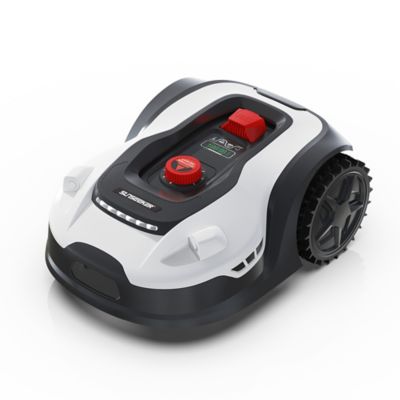
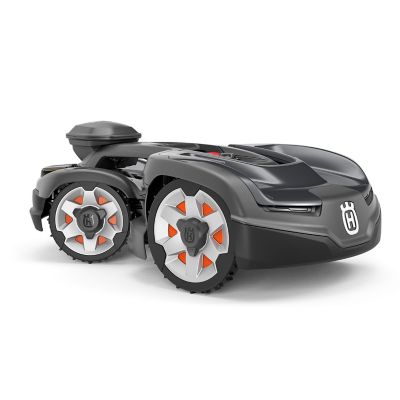
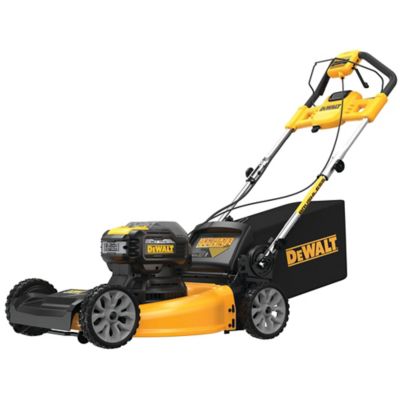
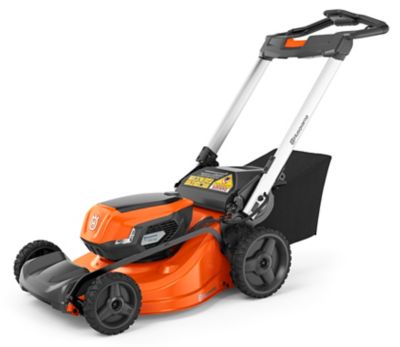
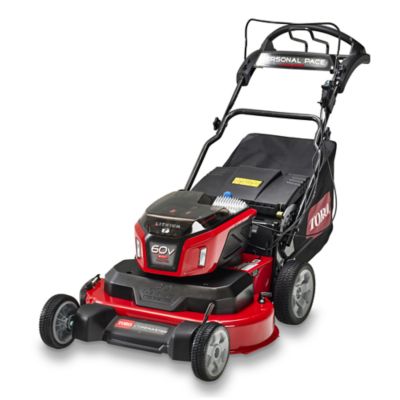
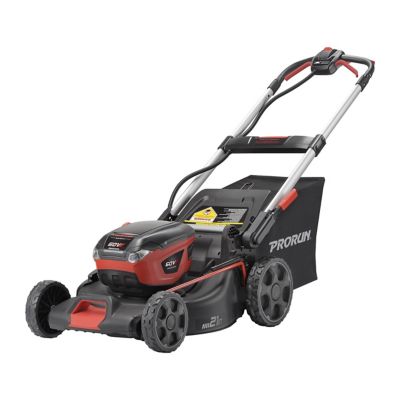
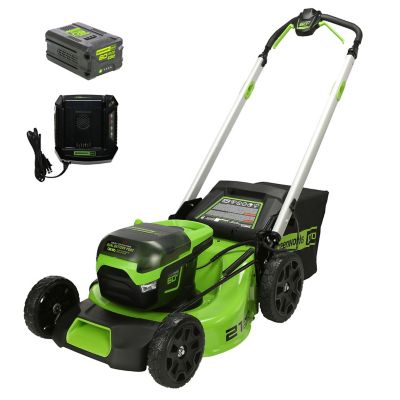
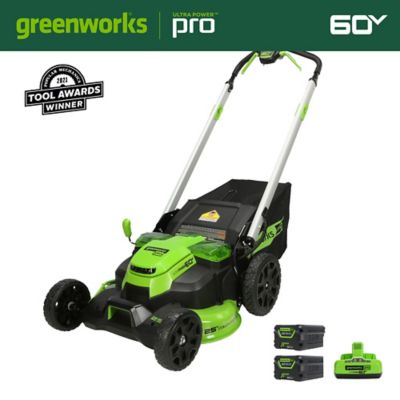
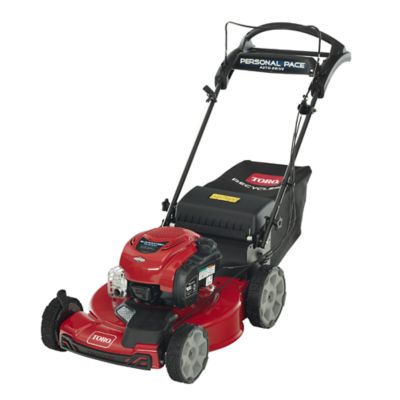
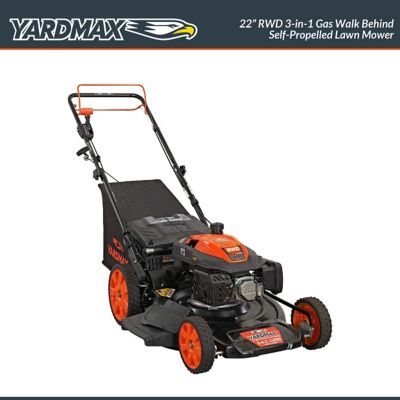
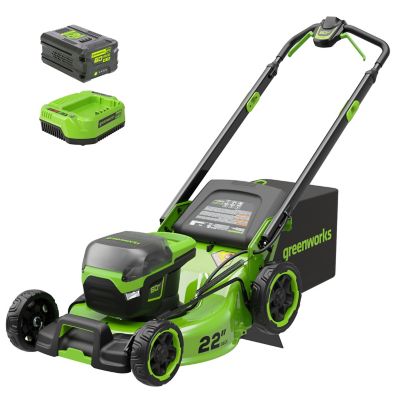
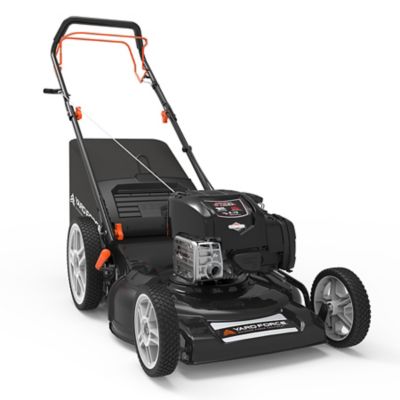
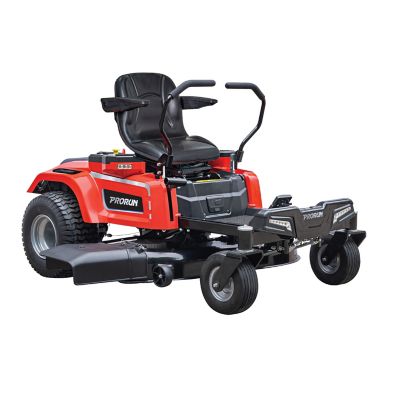
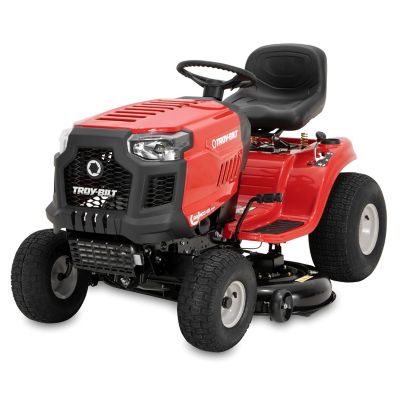
Lawn mowers with tilt sensors are built with an added layer of protection for uneven ground, sloped yards, and everyday mowing situations where the machine may lean farther than expected. A tilt sensor monitors the mower’s angle and can signal the engine to shut down or the cutting blades to stop when the unit reaches a potentially unsafe position. On some mowers, the system is designed to help protect the engine from oil starvation when it is operated on an incline; on others, especially robotic models, tilt and lift sensors can stop the blades if the mower is tipped, picked up, or lifted off the ground. These features do not make a mower safe for every hillside, and they do not replace good operating habits, but they can help reduce the chance of a spinning blade or running engine continuing when the mower is no longer sitting normally. That extra safeguard can be reassuring on country lots, around drainage ditches, beside ponds, and across lawns with rolling ground that looks gentle until the wheels hit a low spot. When shopping, look closely at the mower’s recommended slope limits, operating instructions, and safety information rather than assuming every tilt sensor works the same way. A walk-behind mower may use a sensor tied to the engine or blade-control system, while a riding mower or specialty machine may have additional interlocks, warning signals, or automatic shutdown functions. Robotic lawn mowers may use tilt detection along with lift detection to stop the cutting system if the unit is raised or turned over. The sensor is only one part of the safety package, so check for dependable blade-brake controls, a stable wheelbase, easy-to-reach shutoff controls, and a deck design suited to the type of grass and terrain around your home.
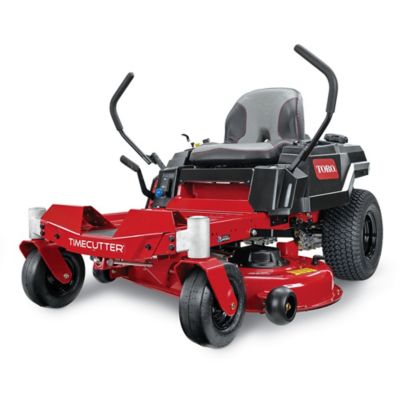
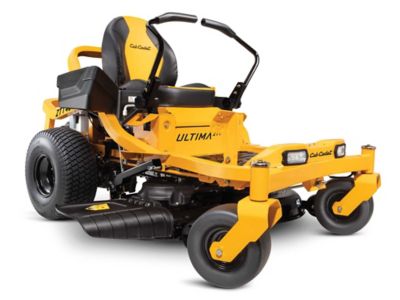
The right mower depends on more than the presence of a tilt sensor. Start by considering the shape of the property, the height and thickness of the grass, and how much time you want to spend mowing. A compact walk-behind mower can be a practical fit for smaller lawns, narrow side yards, and areas where trees, garden beds, gates, or outbuildings make it hard to maneuver. A riding mower may save time across a larger open yard and can be more comfortable when there are several acres to cover, while a mower with a seat can be worth considering for homeowners who prefer to stay off their feet during a long stretch of yard work. You can browse
Lawn Mowers With Seats when comfort and riding convenience are high on the list. For properties with slopes, wet ground, or rough patches, pay attention to traction, tire size, steering response, and the manufacturer’s approved operating angle. Mowing across a slope is generally different from mowing straight up or down one, and the safest approach depends on the mower design and the instructions provided with it. Never treat a tilt sensor as permission to work beyond the stated limits. Tall grass can hide holes, rocks, stumps, wire, and loose branches, while damp leaves can make even a mild incline slick. Before mowing, walk the area when practical, clear away debris, keep children and pets at a safe distance, and wear sturdy footwear and hearing protection as recommended. If a mower shuts down because it has tilted, move it only after the blades have stopped and the machine is secure. Avoid trying to bypass, disconnect, or defeat a tilt sensor or any other safety switch; those systems are there for a reason, and changing them can create a serious hazard and may affect warranty coverage.
A mower with a tilt sensor can be a useful choice for homeowners who maintain a sloping backyard, families caring for a rural property, or anyone who wants additional automatic protection built into their lawn equipment. It may also be a thoughtful gift for a new homeowner, a family member taking over acreage, or a retiree looking for a more manageable way to keep the grass trimmed. For a gift, it helps to think about the recipient’s storage space, physical comfort, terrain, and preferred mowing routine instead of choosing based on cutting width alone. Features such as adjustable handle height, simple controls, an easy-to-clean deck, a comfortable seat, or convenient charging and fueling arrangements can make a noticeable difference after several seasons of use. As the weather cools and mowing slows, it is a good time to consider how the machine will be stored between cutting days. Keep the mower under cover, protect it from standing water, and follow the manufacturer’s directions for fuel, battery care, blade maintenance, and cleaning. Fall leaves and damp clippings can collect around the deck and controls, so clearing buildup helps keep the equipment ready when grass starts growing again. Before each use, check the tires, guards, blade area, shutoff controls, and sensor operation according to the owner’s manual. If the mower stops unexpectedly on level ground or the tilt system seems overly sensitive, turn it off and have the issue inspected instead of continuing to operate it. With the right size, traction, comfort features, and safety systems for the property, a lawn mower with a tilt sensor can help make routine mowing feel more controlled, whether you are caring for a tidy suburban patch, a broad country lawn, or the uneven grass around a working homestead.