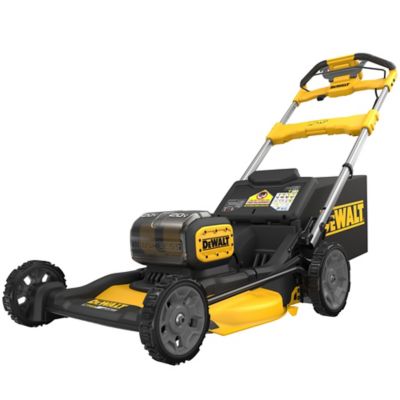
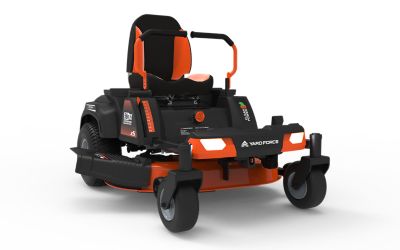
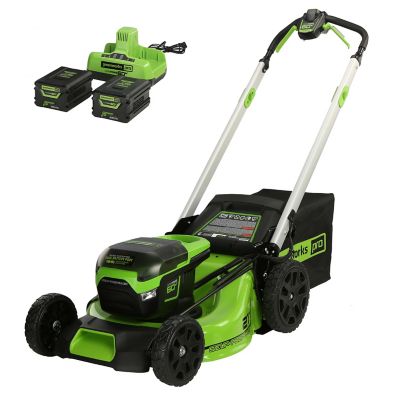
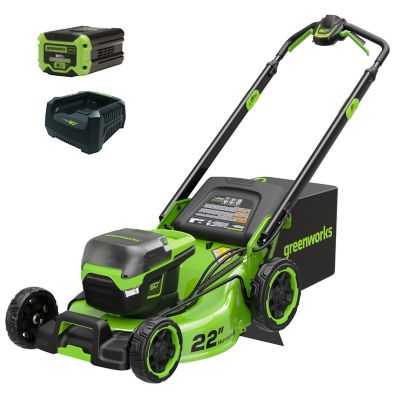
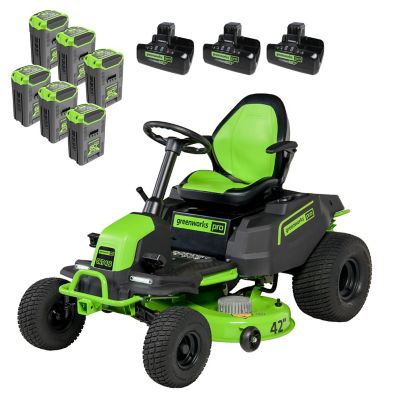
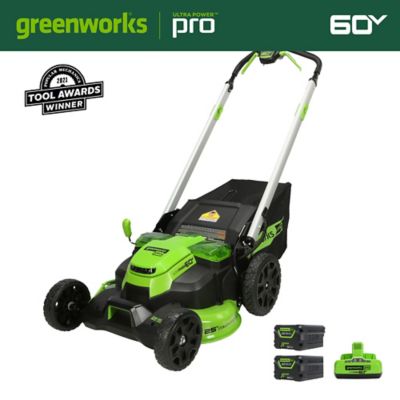
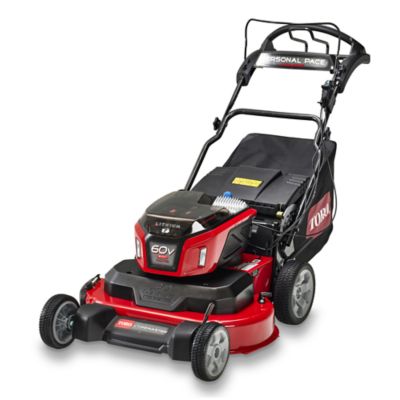
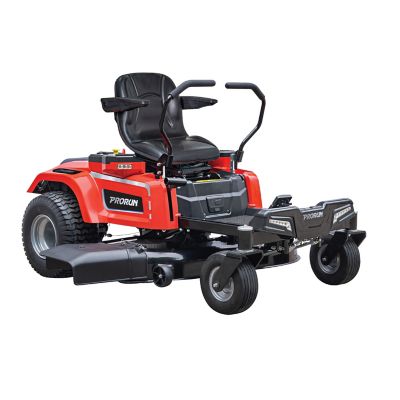
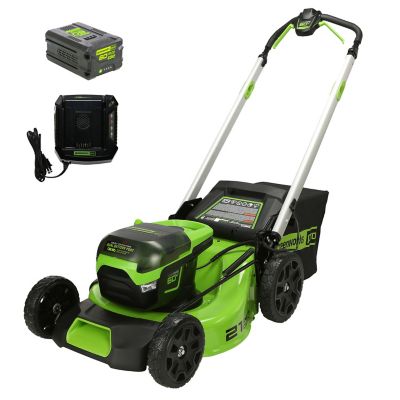
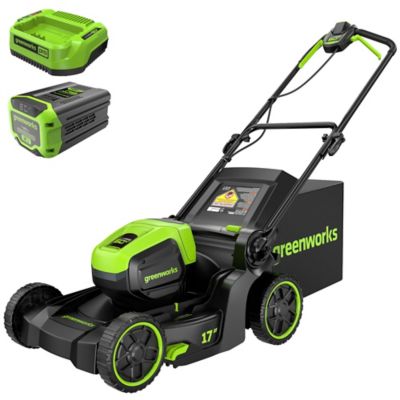
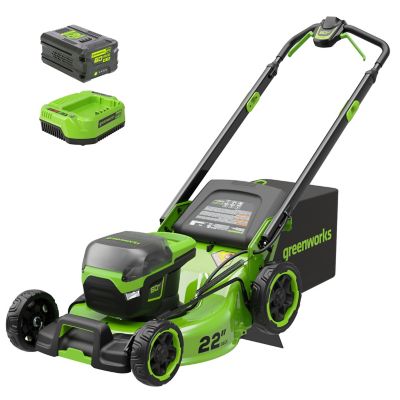
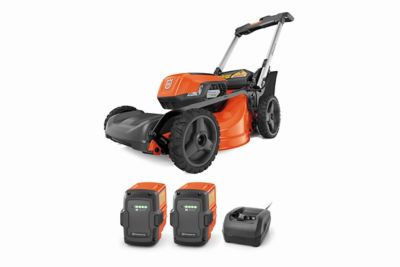
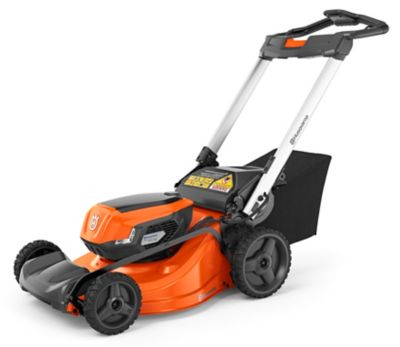
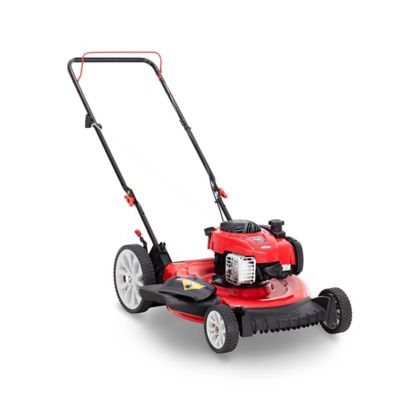
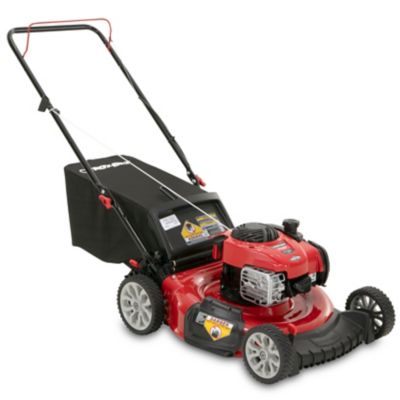
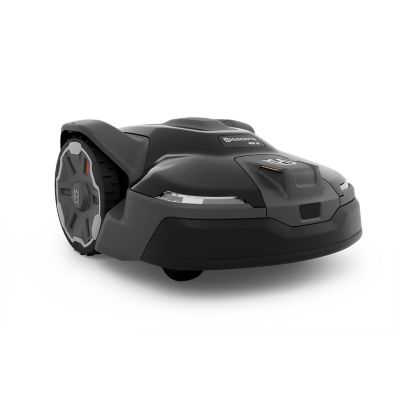
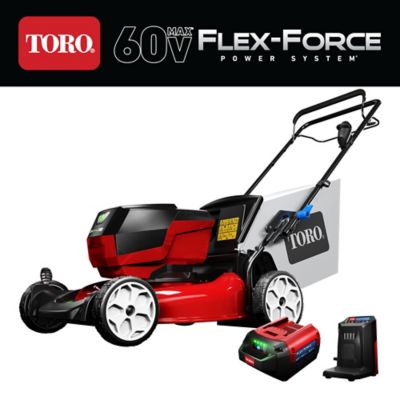
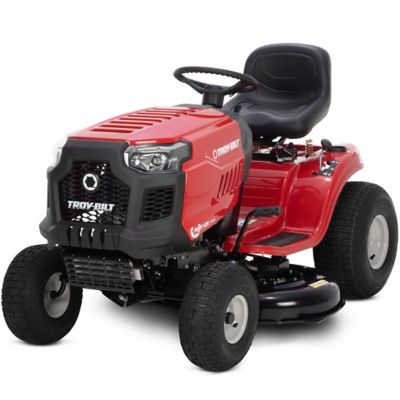
Lawn mowers with LED displays put helpful operating information where you can see it while tending the yard. Depending on the mower, that information may include battery charge, drive speed, blade mode, operating hours, or status alerts. A quick glance at the handle-mounted screen or dashboard can help you keep track of the machine without interrupting every pass across the grass. On battery-powered equipment, a charge indicator is especially handy when the mowing route stretches from the front yard to a fenced area behind the shed. Some displays show charge as a percentage, while others use bars or individual lights. Any remaining runtime estimate depends on mowing conditions, including grass thickness, cutting height, travel speed, and the power needed to turn the blades. A display that shows blade speed or operating mode can also make it easier to confirm which setting is active before moving from an open stretch to a tighter area around trees. Not every screen includes every readout, and a digital display does not necessarily mean the mower has a touchscreen, wireless connectivity, or adjustable blade speeds. LED indicators and LCD screens also represent different display technologies, even though both may appear in descriptions of digital mower controls. The equipment specifications spell out the screen type and the information it provides. Screen placement matters just as much as the number of features: numbers and symbols should be easy to read from the normal operating position, with controls that are clearly labeled and within comfortable reach. For a walk-behind mower, that usually means information near the handle. On a riding mower, a dashboard should remain visible without requiring an awkward lean or a long look away from the path ahead. Status lights and messages offer useful feedback, but their meanings vary by machine. The operator’s manual remains the reference for interpreting alerts, understanding startup requirements, and knowing when the mower needs attention.
The rest of the mower still needs to suit the ground it will cover. A compact walk-behind mower can make sense for a yard broken up by garden beds, fence corners, and narrow passages, while a riding mower may suit a larger stretch of open lawn. Self-propelled drive can reduce the effort of moving a walk-behind machine, though handling and slope limits depend on its design. Deck width affects both the swath cut on each pass and the space needed to get through a gate or into a storage building. A broad deck can cover open ground in fewer passes, but it may leave more trimming around close-set trees and small corners. The mower’s overall width, including any discharge chute or attachment, matters when checking clearance. A comfortable handle height, manageable controls, and a seat that supports a steady operating position can make a noticeable difference over a longer mowing job. For uneven ground, wheel size, traction, and deck adjustment deserve attention alongside the display. Steel decks offer a substantial construction, while composite decks can reduce weight and resist rust; either material benefits from proper cleaning and protection from impacts. Cutting options matter, too. Mulching returns finely cut clippings to the lawn, bagging collects them for disposal or other appropriate handling, and side discharge spreads them back across the mowing area. Those functions depend on the deck design and any required attachments, not on the presence of a screen. Battery capacity and charger compatibility help determine how an electric mower fits a larger property, but a charge percentage alone cannot promise a particular acreage. Tall or thick grass, frequent starts, and powered drive can draw more energy than lighter mowing. For households where several people share the yard work, straightforward display symbols and clearly marked adjustments can help each operator understand the machine’s status. Whether the task is maintaining a small patch beside the porch or making long passes along a fence, the right combination of size, controls, cutting options, and readable information matters more than a dashboard packed with functions that never enter the job.
Care for a mower with an LED display includes the same mechanical basics as other mowing equipment, along with attention to its electrical controls. Grass buildup beneath the deck can interfere with cutting and discharge, and a dull or damaged blade can leave ragged grass tips instead of a clean finish. Cleaning methods, blade inspection intervals, and service procedures should follow the operator’s manual. Before clearing a blockage or working near the blade, shut the machine down, wait for all moving parts to stop, and follow the specified steps for disabling its power source. Display housings, connectors, and control panels also need care. Wiping the screen with a soft cloth is generally gentler than scrubbing, and a high-pressure spray should never be directed at electrical components unless the manufacturer expressly permits that cleaning method. A covered storage spot helps protect the machine, while folding handles or other storage features can make a smaller shed easier to manage. For battery-powered mowers, charging and storage requirements are specific to the battery system, so the correct charger and the manufacturer’s directions matter. Gas-powered machines have their own engine service needs, which may include oil, filters, and spark plug attention according to the maintenance schedule. An hour meter or service reminder can help track that work when the mower includes one, but it does not replace routine inspections. Displays and headlights serve separate purposes: the screen reports machine information, while headlights illuminate the area ahead. Shoppers considering engine-powered equipment with lighting can also explore
Gas Lawn Mowers With Headlights, keeping in mind that headlights do not establish which dashboard features a mower has. A screen that is easy to understand, a deck that fits the yard, and maintenance requirements that fit your routine make a practical combination for keeping the place looking cared for.