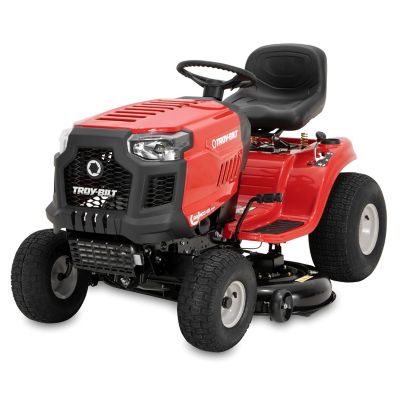
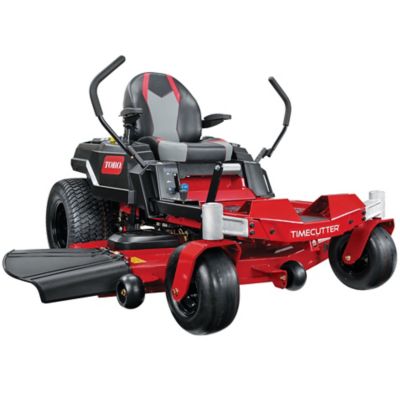
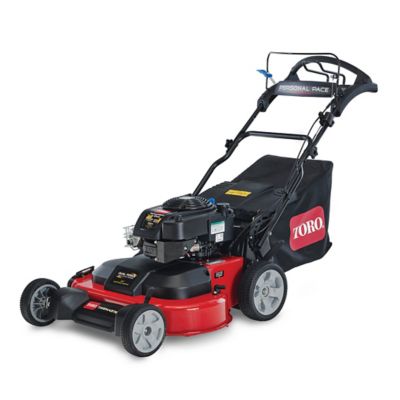
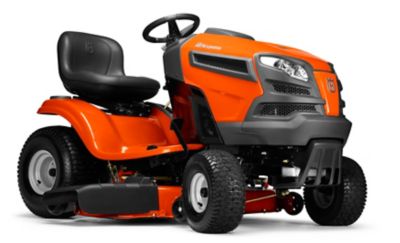
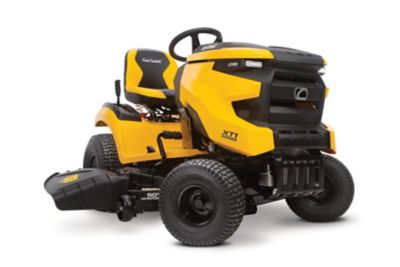
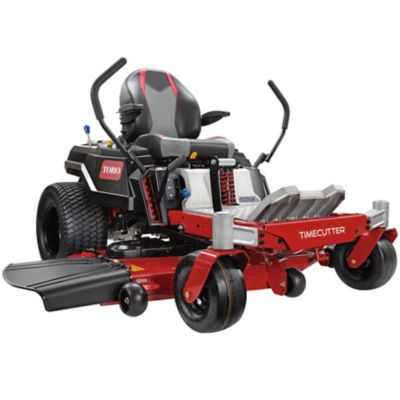
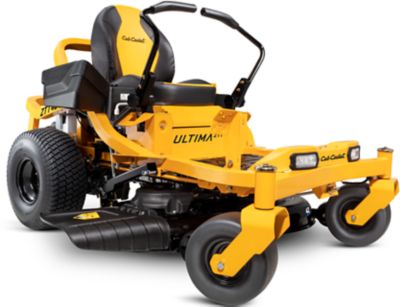
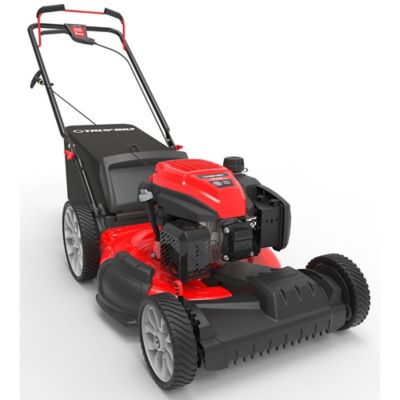
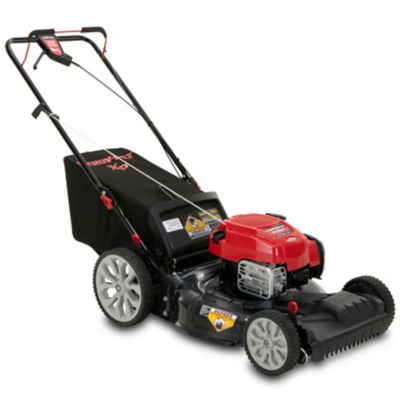
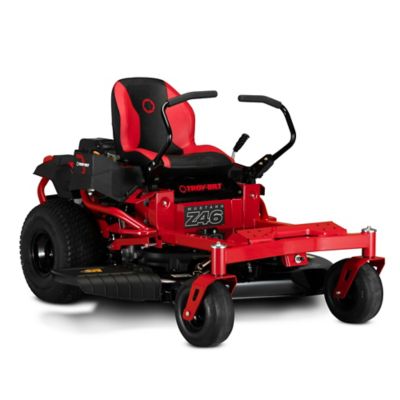
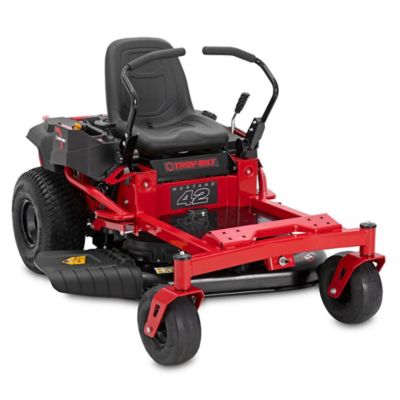
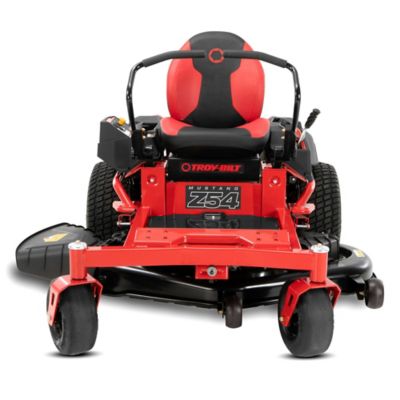
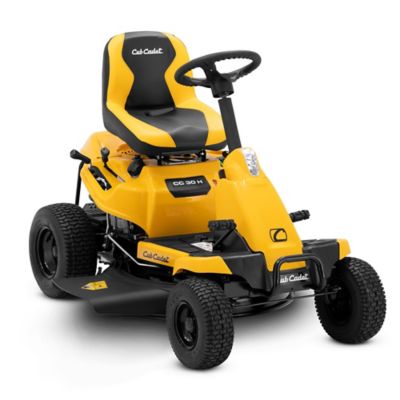
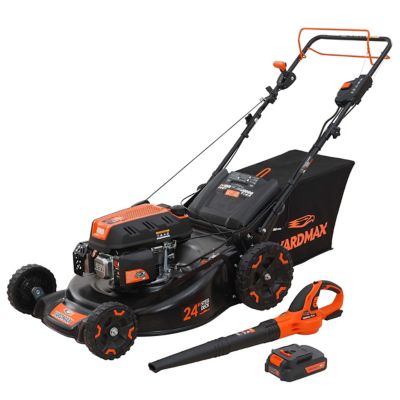
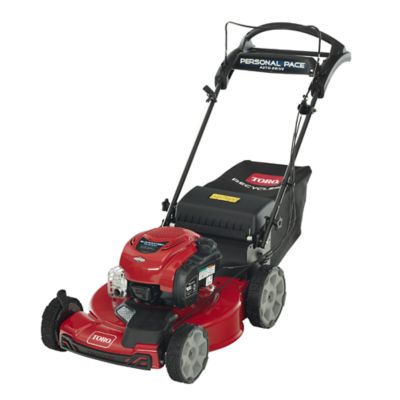
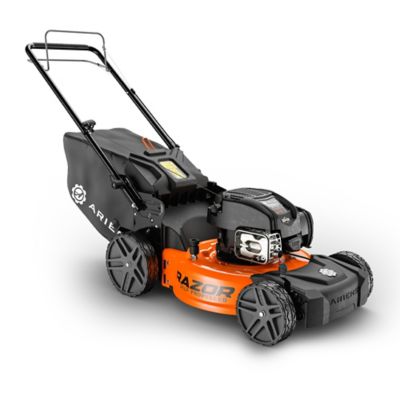
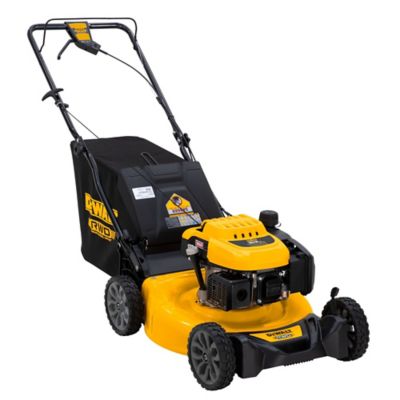
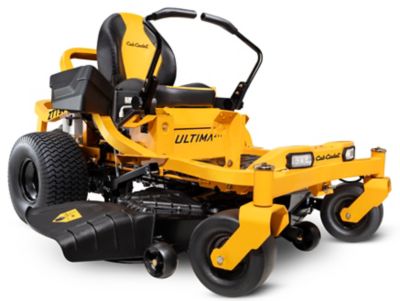
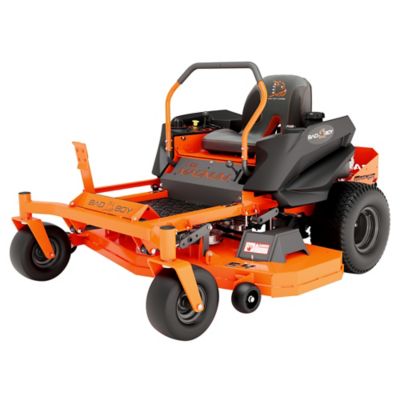
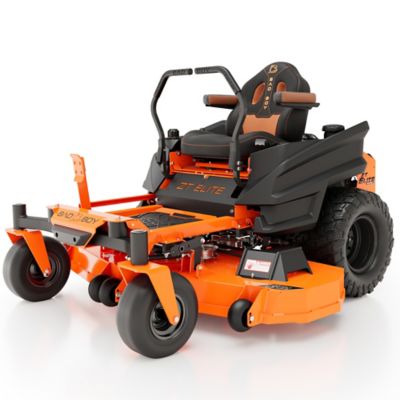
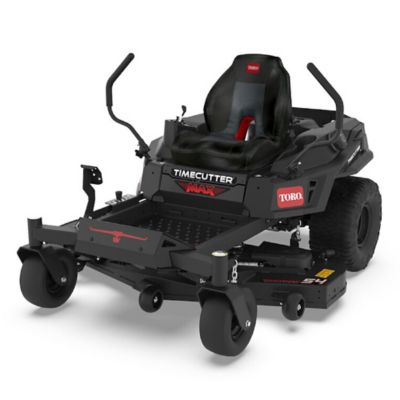
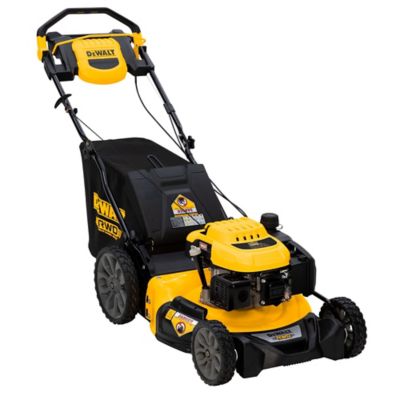
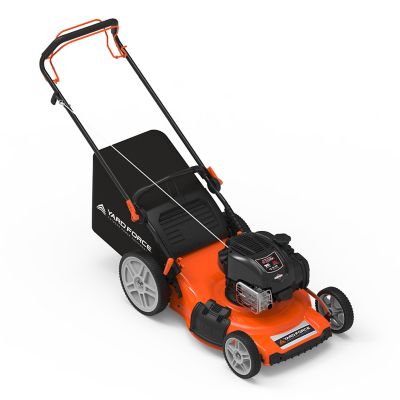
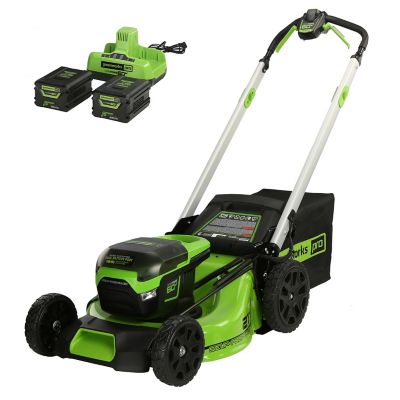
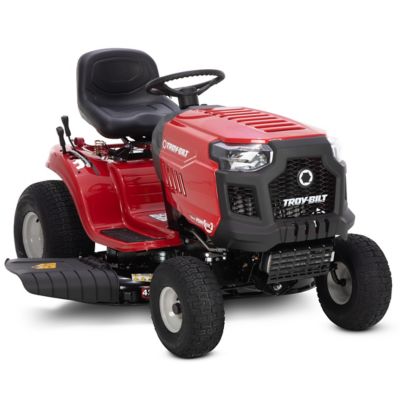
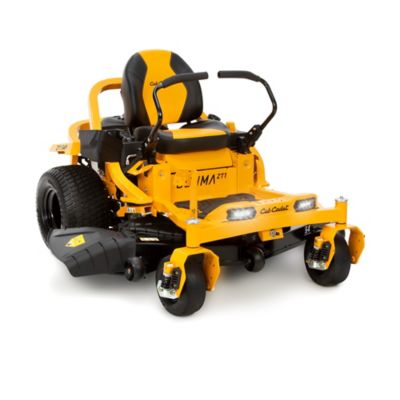
Lawn mowers with deck wash systems make routine cleanup a little easier for anyone who spends part of the week keeping grass trimmed. A deck wash port is a built-in connection on the mower deck that works with a standard garden hose. After mowing, the hose attaches to the port and water flows across the underside of the deck while the blades turn, helping rinse away fresh clippings, loose dirt and bits of leaves before they dry into a hard, packed layer. This feature can be especially handy after mowing damp grass, when clippings tend to stick under the deck and around the discharge area. It is also useful during the warmer growing season, when frequent mowing leaves little time for scraping and brushing between jobs. A clean underside helps the blades move through grass more freely and can support a more even discharge, though a deck wash is not a replacement for regular inspection or hands-on cleaning. Wet, heavy buildup that has baked onto the metal may still need to be loosened with a suitable tool after the mower is shut off, cooled down and made safe according to the owner’s manual. Shoppers comparing lawn mowers with deck wash should look beyond the wash port itself. Consider the size and shape of the lawn, gates and storage areas, the amount of slope, and whether the mower will be used around trees, garden beds, fences or rough ground. A compact mower may be easier to maneuver in a tight yard, while a wider cutting deck can help cover open acreage with fewer passes. Deck construction is another useful point of comparison; shoppers interested in a sturdy option can also browse
Lawn Mowers With Steel Decks. Check the cutting-width range, height-adjustment system, discharge or mulching options, seat and control layout, fuel or battery requirements, and the location of the wash port. The best fit is usually the mower that matches the yard and the person operating it, not simply the one with the largest deck or longest feature list.
Using a mower deck wash port is generally straightforward, but the exact process can vary by mower type and manufacturer, so the owner’s manual should always be the first stop. Park on a flat, stable area near a hose connection, preferably on grass or another surface where runoff will not create a muddy or slippery spot. Turn the mower off before connecting the hose, set the parking brake where applicable, remove the key or follow the manufacturer’s shutoff procedure, and keep children, pets and bystanders away from the work area. Attach the garden hose to the deck wash adapter, making sure the connection is secure and that the hose will not contact the tires, blades or other moving parts. Many riding mowers call for lowering the deck to its lowest position, turning on the water, starting the engine and engaging the blades for a short period—often around three to five minutes—so the spinning blades can help move water and loosen fresh debris. Do not assume every mower uses this sequence, especially with battery-powered, electric or walk-behind equipment; some models have different wash instructions or may not be designed to run with water connected. Never place hands or tools beneath a deck while the blades could move, and do not attempt to wash a running mower indoors, inside a shed or near electrical hazards. Once the underside looks rinsed, turn off the blades and water as directed, disconnect the hose, and allow the deck to drain and dry. A brief run without water may help remove remaining moisture on models where the manual permits it, but leaving the mower in a dry, ventilated location is also a practical choice. Routine rinsing works best when done soon after mowing, before grass clippings lose their moisture and harden. If the mower has been sitting with thick buildup, shut it down completely and use the recommended manual-cleaning method rather than expecting the wash port to do all the work. Sealed bearings on many modern mowers are built to handle normal splashing, but avoiding excessive spray around electrical connections, belt areas and other sensitive components is still wise.
Lawn mowers with deck wash can be a practical choice for homeowners, new property owners, landlords, caretakers and anyone responsible for a large patch of grass. They can also make a useful gift for someone settling into a rural home, maintaining a family property or taking on more outdoor work, particularly when the mower is selected to fit the recipient’s yard and storage setup. A person caring for a broad, open lawn may appreciate the time saved by a riding mower and the convenience of rinsing the deck at the end of a long cutting session. Someone working around landscaping, outbuildings and narrow pathways may place more value on a maneuverable machine that can reach close to edges without being difficult to park or clean. During the cooler months, mowing may slow as growth changes, but leaves, damp clippings and soil can still collect beneath the deck, making cleanup an important part of putting equipment away between uses. Before storing a mower for an extended stretch, inspect the deck for packed debris, check that the blades and fasteners are in good condition, and follow the manual for fuel, battery and maintenance care. A washout port can help keep ordinary mess from becoming stubborn buildup, but it cannot correct a dull blade, bent deck, clogged discharge chute or mechanical problem. Look for a comfortable operating position, easy-to-reach controls, suitable tire traction and a deck height range that works with the grass on the property. It is also smart to measure storage doors and gates before choosing a mower, and to confirm that a nearby hose and level cleaning area are available. With the right match and a little regular care after mowing, a deck wash system can turn one of the least pleasant chores into a quick part of the normal yard routine.