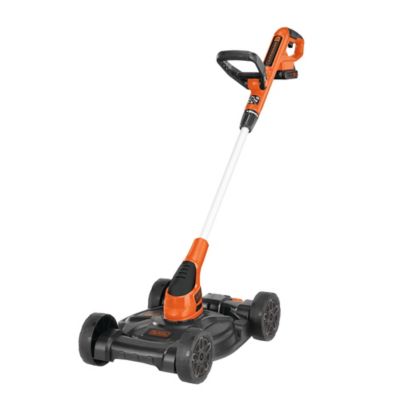
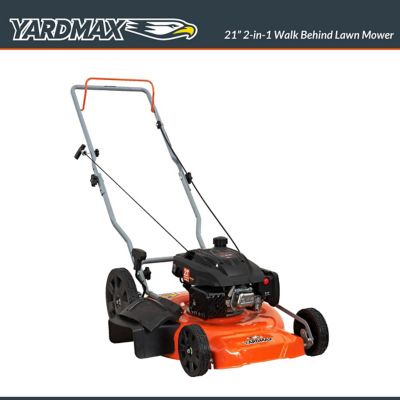
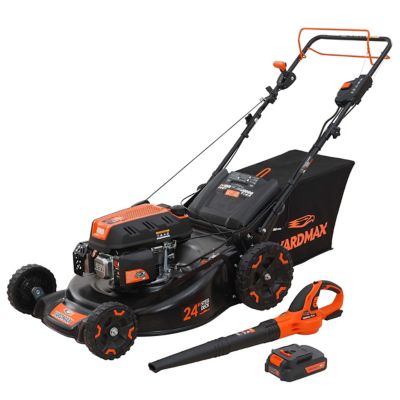
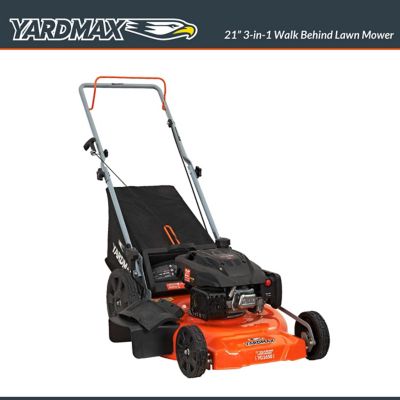
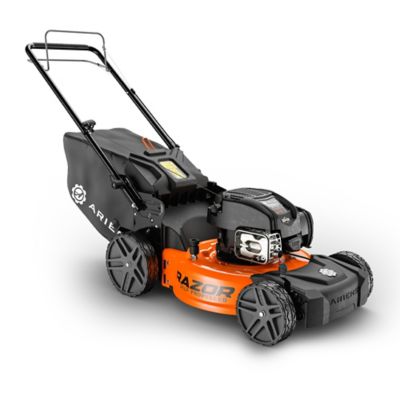
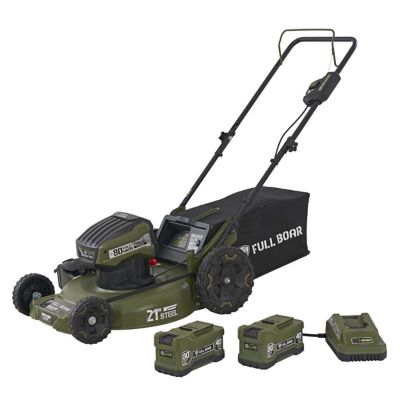
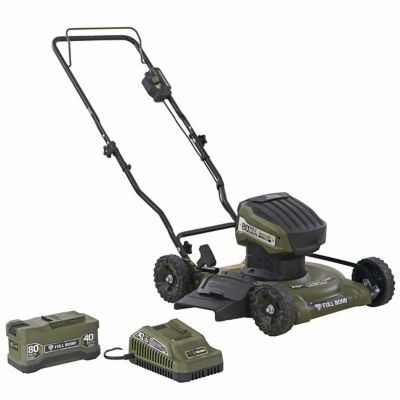
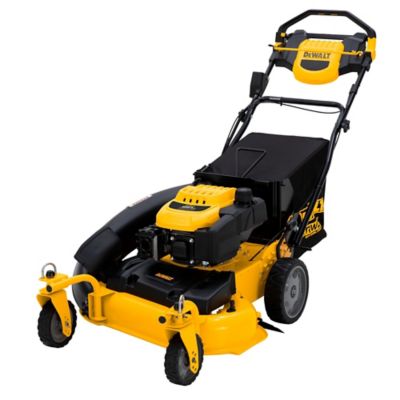
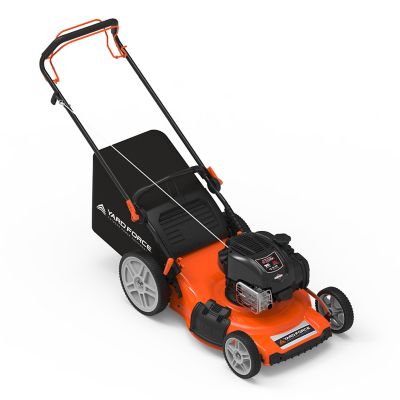
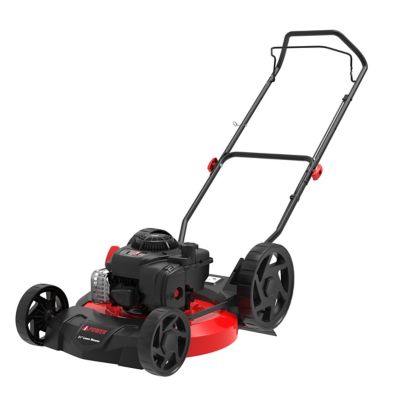
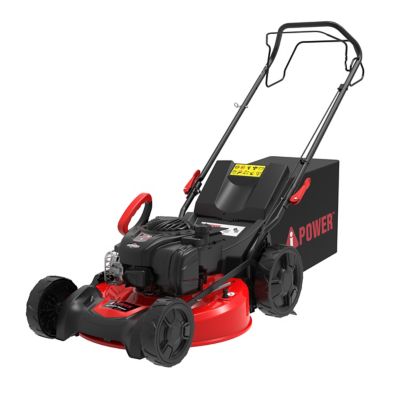
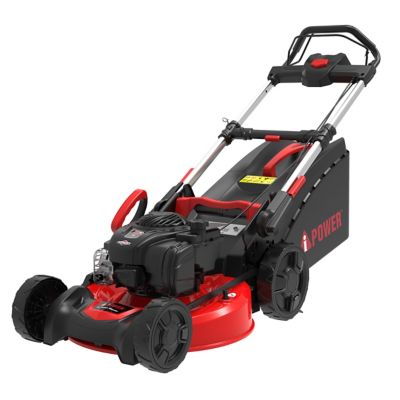
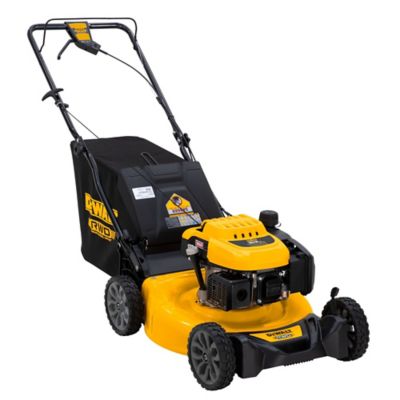
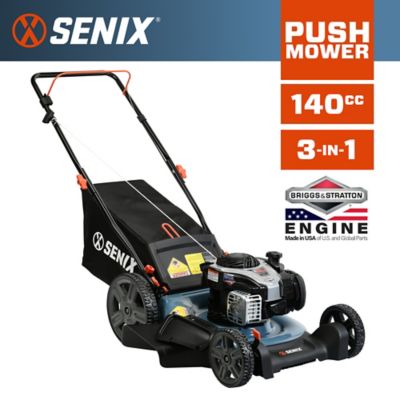
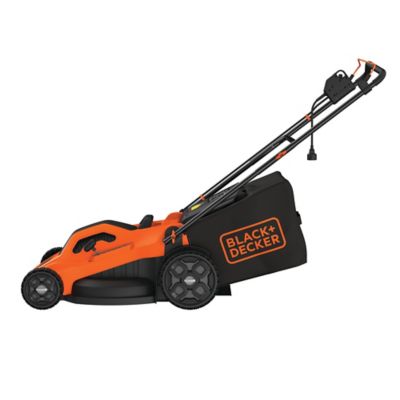
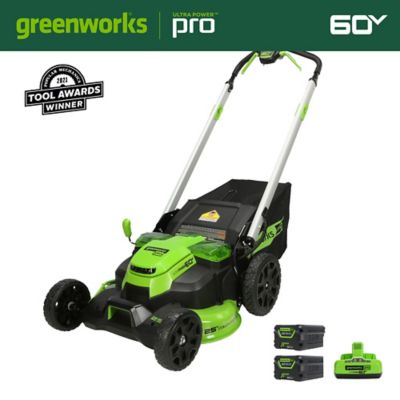
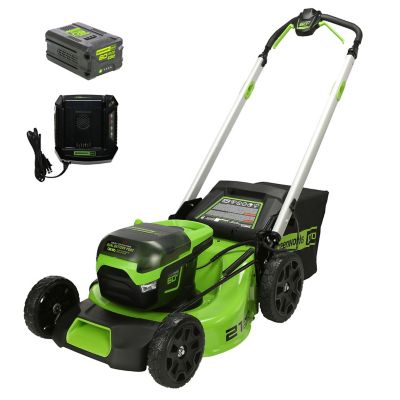
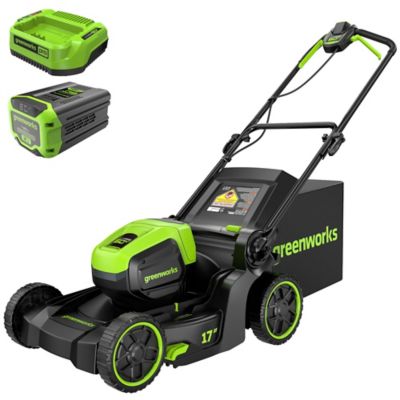
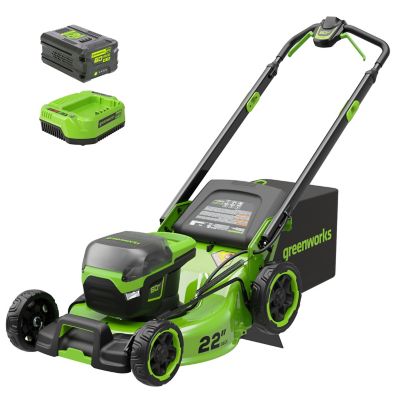
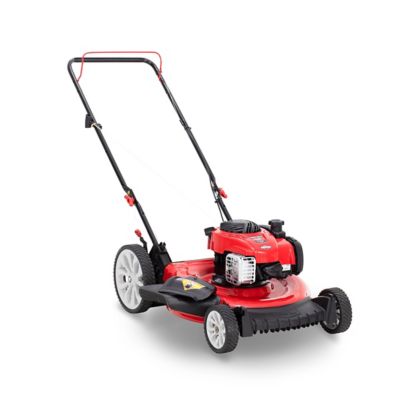
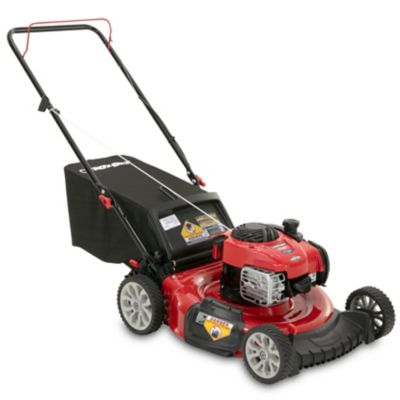
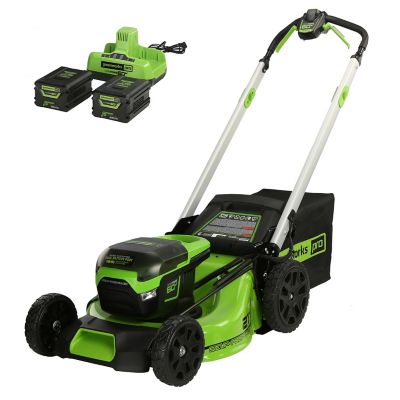
Lawn mowers with adjustable decks make it easier to match the cut to your yard, your grass type and the changing conditions outdoors. Instead of taking the same amount off every time, you can raise the deck when the lawn is dry or stressed and lower it when a shorter, tidier finish is called for. Taller settings can help shade the soil, hold onto moisture and protect grass during hot, dry stretches, while a moderate or lower setting may make sense when growth is thick and steady. A deck height range commonly runs from roughly 1-1/2 to 5 inches, though the exact range depends on the mower style and model. Walk-behind mowers often use a single-lever adjustment that moves all four wheels at once, making it handy to change the height before crossing from a smooth front lawn to rougher grass along a fence line. Other mowers use four-point or dual-lever adjustment, which means the front and rear axles, or individual wheels, are changed separately. That setup can take a little more attention, but it lets you fine-tune the mower for uneven ground and different mowing conditions. When comparing options, look for clearly marked height settings, sturdy adjustment levers and wheels that lock firmly into place. A mechanism that is easy to reach with a gloved hand is especially useful when clippings, dust and dew are part of the job. Single-point adjustment is a comfortable choice for many homeowners who want to make a quick change without lifting each corner of the mower. Push and self-propelled walk-behind mowers may also offer deck widths around 21 to 30 inches, giving you choices for tighter yards, broad open lawns and everything in between. A narrower deck can weave more easily around garden beds, trees and outbuildings, while a wider deck may reduce the number of passes across a large, open area. For homes with slopes, long stretches of grass or heavier growth, a self-propelled mower can help take some of the strain out of the work. Adjustable speed, a comfortable handle and a collection bag or side-discharge option can add to the everyday convenience.
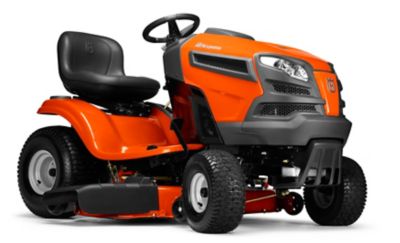
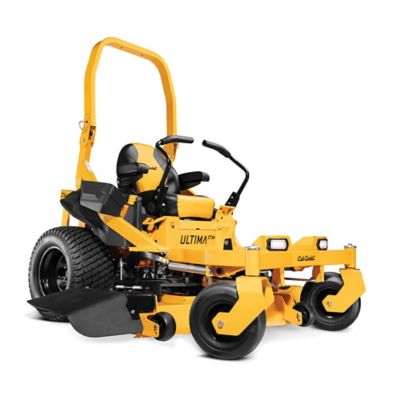
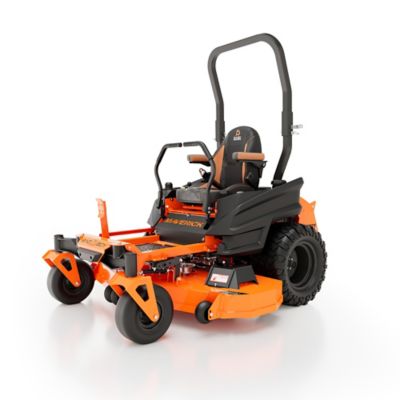
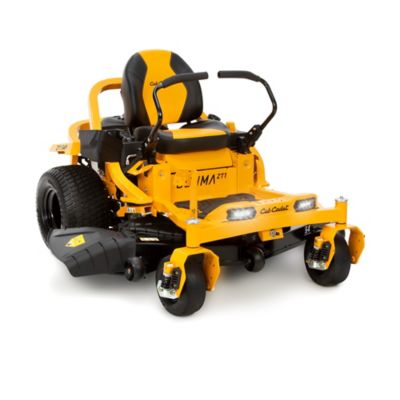
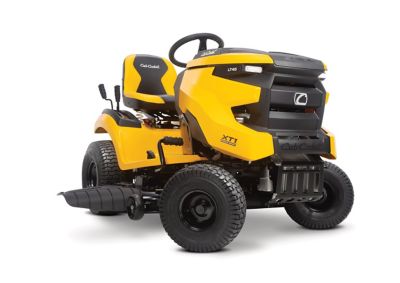
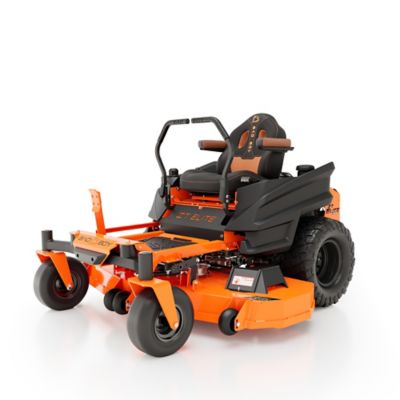
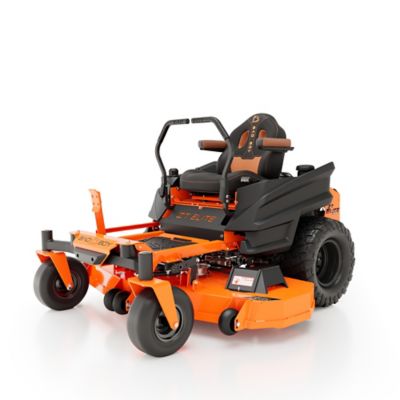
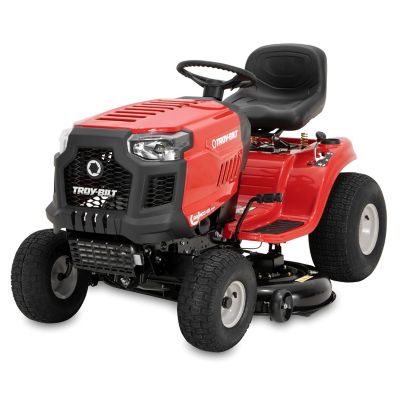
Riding mowers and zero-turn mowers bring adjustable cutting decks to larger properties, acreage and lawns where walking every row would take a good part of the day. These machines typically use a hand dial, height pin or foot-operated deck lift to set the cutting position. A foot-assist lift can be a welcome feature when the deck is heavy, allowing you to raise or lower it with your leg instead of pulling hard with your arms. Height pins provide a simple, dependable way to return to a familiar setting, while a dial or lever can make small adjustments easier when you move between areas of the property. Zero-turn mowers are built for maneuverability around trees, fence posts, landscaping and other obstacles, and an adjustable deck helps make that maneuverability more useful across different kinds of terrain. Before choosing a mower, take a close look at your property’s size, slope, gates and storage space. Measure narrow gates and shed doors, consider the turning room around trees and beds, and make sure the mower’s deck width fits the way you work. A broad deck can save time on open acreage, but a more compact machine may be easier to park, transport and guide through a crowded yard. Seat comfort, steering controls, engine power, fuel or battery needs and the availability of replacement blades are also worth considering. Deck construction matters, too. Homeowners who spend plenty of time mowing may appreciate comparing steel and lighter deck materials, including options featured with
Lawn Mowers With Aluminum Decks. Whatever the material, check that the underside can be reached for cleaning and blade service. Some riding and zero-turn designs include flip-up deck features that make it easier to clear packed grass and inspect the blades, while other models require ramps or a different maintenance setup. Keeping the underside free of buildup helps the mower cut more evenly and can make routine care less of a chore. Always shut off the engine or remove the key, disconnect the spark plug wire or follow the battery safety instructions before working near the blades.
Adjustable-deck lawn mowers can be a practical fit for first-time homeowners, people caring for a larger rural lot, and anyone who wants one mower to handle more than one kind of grass. They can also make a useful gift for a new homeowner, a family member moving onto acreage or a parent who needs a mower that can be set to a comfortable cutting height without much guesswork. The right choice depends less on having the biggest deck and more on matching the mower to the land and the person using it. A homeowner with a small, level yard may value a lightweight walk-behind mower with an easy single-lever setting, while someone managing several acres may prefer a riding mower with a broad deck, foot-assist lift and a comfortable seat. For lawns that include cool-season grasses, warm-season grasses, shaded areas and sunny stretches, the ability to adjust the deck can help avoid scalping high spots and cutting too low when the grass needs a little extra protection. It is still best to remove only a reasonable portion of the grass blade at a time, especially when the lawn is tall, damp or recovering from heat. Raise the deck for the first pass through overgrown areas, then make another pass later if a shorter finish is needed. Mowing when the grass is dry can help reduce clumping, and changing direction from one session to the next can keep tire tracks and wear from settling into the same lines. During the cooler months, a final moderate cut and a careful cleanup can leave the lawn in better shape for its dormant season, while equipment stored under cover will be better protected from moisture and dirt. Whether the work involves a small backyard, a long driveway edge or open ground around a barn, an adjustable deck gives you more control over the finished cut and more flexibility as the lawn changes through the seasons.