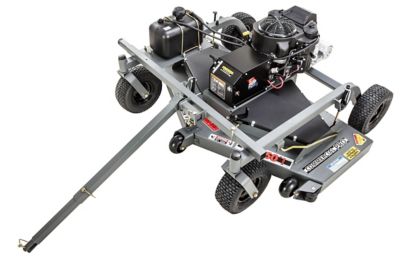
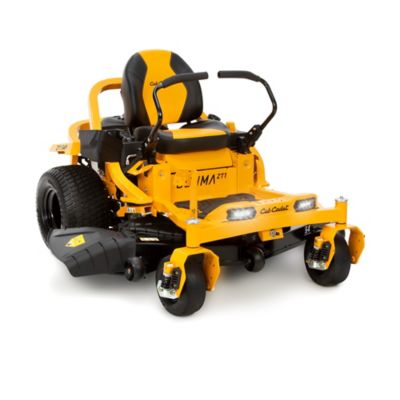
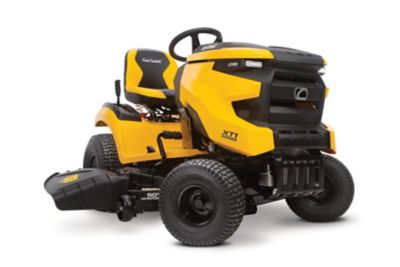
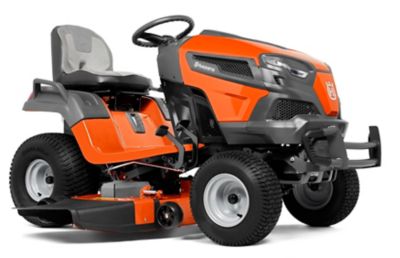
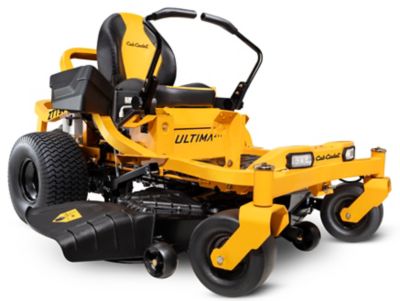
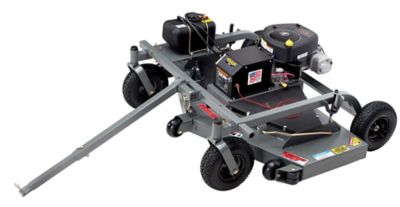
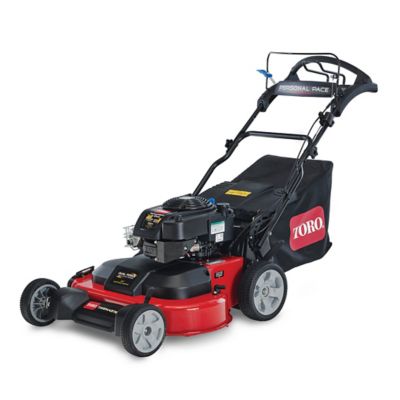
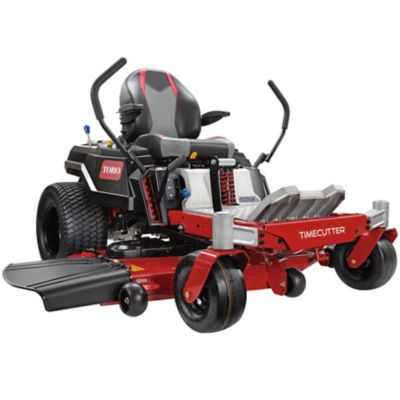
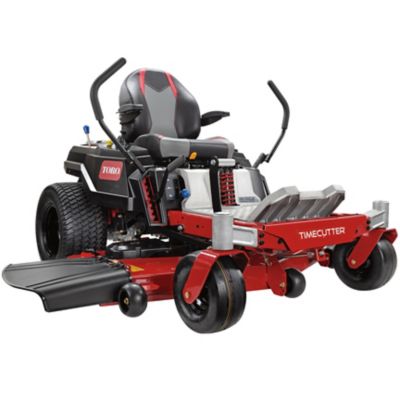
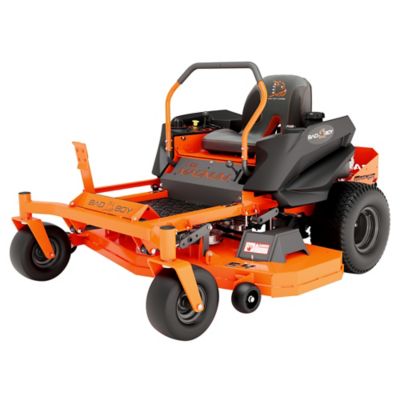
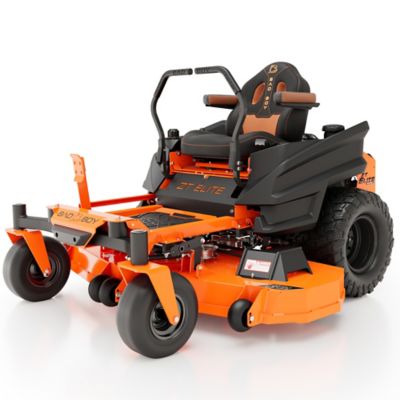
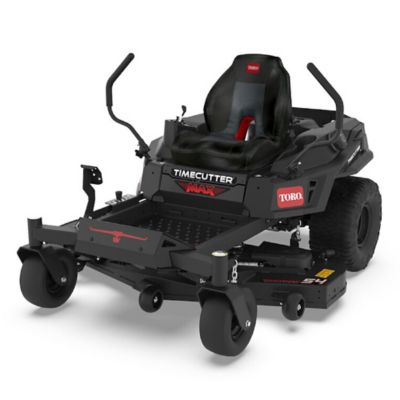
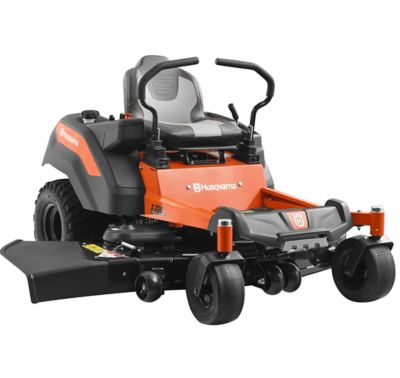
Large deck mowers cover more ground with each pass, making them a practical fit for broad lawns, farmsteads, and other properties with plenty of grass to maintain. Cutting widths often start around 60 inches and extend beyond 120 inches on wide-area equipment, though there is no single width that defines every large mower. These machines can make sense for properties of four acres or more, but acreage alone does not tell the whole story. A wide, open stretch beside a barn gives a mower room to work, while a yard dotted with fruit trees, fence corners, and narrow gates calls for more maneuvering. The best fit balances cutting width with the space between obstacles, the shape of the ground, and the paths connecting different mowing areas. Large deck zero-turn mowers pair a broad cutting path with tight turning capability, helping operators work around established trees and turn at the end of long runs. Lawn and garden tractors with wider decks offer a different steering feel and, depending on their design, may accept attachments for other property chores. Wide-area commercial mowers serve grounds crews and operators maintaining extensive turf, where long operating hours and fewer repeat passes matter. A wider deck can shorten mowing time, but actual productivity also depends on ground speed, grass density, overlapping passes, and time spent turning. Enough engine power for the deck and workload helps the blades maintain speed through heavier growth without asking the operator to rush. For a homeowner mowing the open ground around a house and outbuildings, that balance can matter more than choosing the widest machine possible. For a groundskeeper handling several large sites, fuel capacity, transport dimensions, and access for daily service become just as important as cutting width. Large deck mowers are built around the same basic goal: covering substantial lawn areas while leaving a consistent, well-kept finish.
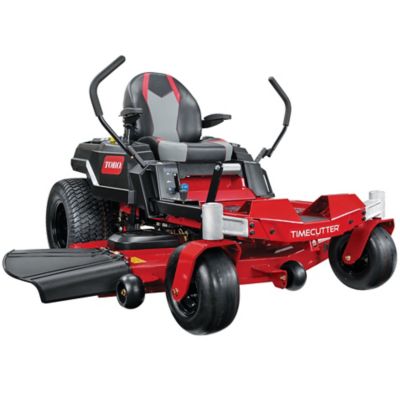
Deck construction plays a big part in how a large mower handles everyday work. Steel is common, with stamped decks formed from a sheet of metal and fabricated decks assembled from steel sections welded together. Metal thickness, reinforcement, spindle mounting, and the protection around deck edges all contribute to how well the assembly stands up to repeated mowing. Neither construction style tells the full story by itself; the complete deck design, airflow, blade arrangement, and maintenance requirements deserve attention, too. A
Stamped Deck Zero-turn Mower offers one construction style to consider alongside fabricated-deck equipment. Rounded deck contours can help direct grass through the cutting chamber, while deeper chambers can provide room for clippings to circulate before discharge. Results still depend on blade condition, mowing height, grass volume, and travel speed. Side discharge spreads clippings back across the lawn, while compatible mulching setups recut them into smaller pieces; collection systems, where supported, gather material for removal. Each configuration changes how the mower handles clippings and may affect its overall width or power demands. Fit also includes details that are easy to overlook when looking only at a cutting-width number. A 60-inch cutting deck does not mean the entire mower measures 60 inches across, especially with the discharge chute in its operating position. Gate openings, trailer space, shed doors, and access beside fence posts all need clearance for the actual machine. Underneath, deck wheels help limit scalping when adjusted as directed, but they cannot make a broad, rigid deck follow every dip and crown. Articulating or contour-following decks can better accommodate changes in ground shape on suitable terrain. Even then, a mower's slope limits still apply. Wide cutting coverage is not permission to mow steep banks, ditch edges, or ground where traction and control are uncertain. Matching the equipment to the property helps protect both the turf and the person in the seat.
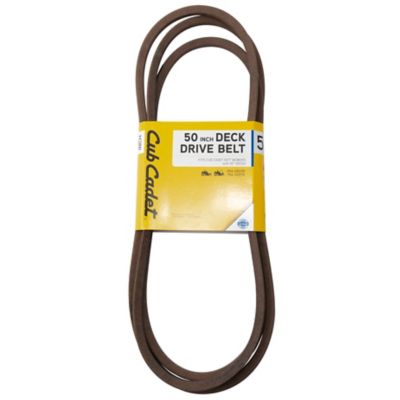
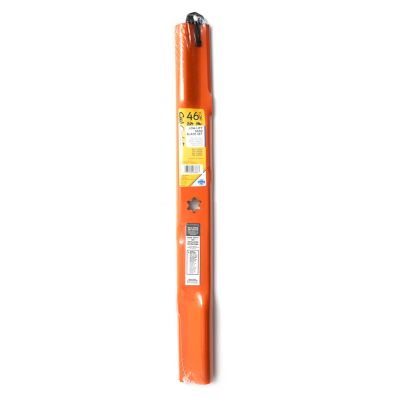
Time behind the controls brings another set of considerations into focus. A supportive seat, reachable controls, useful sightlines, and a platform that fits the operator can make a substantial difference during long mowing sessions. Suspension features may soften the ride over rough lawn areas, but they do not replace sensible speed or attention to holes, roots, and hidden debris. Hydrostatic transmissions allow changes in travel speed without shifting through fixed gears, and their operating feel and service requirements vary by machine. Gas engines are common on large residential and commercial mowers, while diesel power appears on some equipment intended for extended workloads. Fuel choice alone does not determine performance; engine output, drive system, deck demands, and the manufacturer's operating limits all work together. Large lawn mowers belong on maintained turf within their rated capabilities, not in brush or over woody stems simply because they have a powerful engine. Around a farmhouse, clearing fallen branches, loose wire, stones, and other debris before mowing is part of keeping the job under control. Discharge direction matters near buildings, vehicles, people, and livestock, and bystanders should remain outside the mowing area. Regular care helps keep a wide deck cutting evenly over time. Sharp, balanced blades cut more cleanly than dull or damaged ones, while a properly leveled deck and correctly inflated tires help maintain consistent cutting height from one side to the other. Packed clippings underneath the deck can interfere with airflow, so cleaning belongs in the maintenance routine according to the owner's manual. Before clearing buildup or reaching near blades, shut the machine down, remove the key, and follow the specified steps to prevent accidental starting; raised equipment needs approved support. Belts, spindle assemblies, filters, lubrication points, and transmission service intervals also deserve routine attention. Accessible service points and a workable storage space make those tasks easier to keep up with. For acreage owners, caretakers, and mowing crews alike, a large deck mower earns its place by matching the ground, fitting the operator, and handling the regular workload without turning tight spaces or basic upkeep into a struggle.