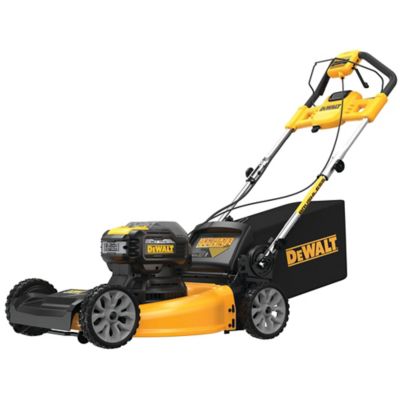
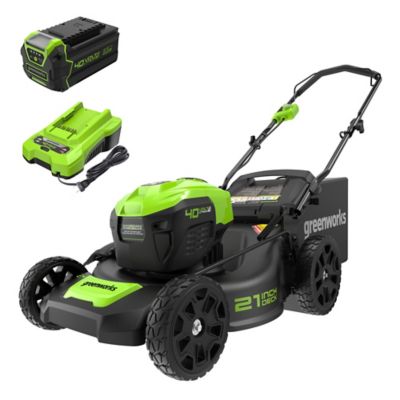
Lawn mowers with aluminum decks are a solid choice for homeowners who want a durable walk-behind mower without the extra weight of a traditional steel deck. Aluminum is naturally resistant to rust and corrosion, so it stands up well to wet grass, morning dew, damp clippings, and the moisture that can linger in a shed or barn. A well-built aluminum deck also offers a rigid cutting chamber that helps maintain steady airflow beneath the mower, which can support clean cutting, effective mulching, and dependable discharge. That combination makes these mowers useful for everything from a tidy suburban lawn to a larger country yard with rougher patches and longer mowing sessions. Many models are designed to be lighter and easier to guide than comparable steel-deck machines, making them a practical fit for homeowners who need to maneuver around trees, garden beds, fence posts, landscaping stones, and other obstacles. They can also be a welcome option for older users or anyone who prefers equipment that is easier to push, turn, load, and store. Aluminum decks usually come at a higher price than basic steel or composite alternatives, but the added resistance to rust and long-term wear can make the investment worthwhile for a mower that is cared for properly. Look for a deck with a sturdy overall build, reinforced mounting points, and a design that feels balanced when you push it. A lightweight deck is helpful, but it should not come at the expense of stability or dependable height adjustment. Before buying, consider the size and shape of your lawn, the type of grass you cut, and how often the mower will be used. A compact push mower may suit a smaller, mostly level yard, while a self-propelled model can make a noticeable difference on slopes, expansive lawns, or ground that gets tiring underfoot.
Power source is another important part of choosing among lawn mowers with aluminum decks. Gas-powered mowers are a familiar option for cutting thick, tall, or occasionally overgrown grass, and they can be useful when the lawn is far from an electrical outlet. Battery-powered mowers offer quieter operation, less routine engine maintenance, and no fuel storage, making them convenient for neighborhoods, smaller properties, and users who prefer a simpler start-up. Pay attention to battery capacity, charge time, replacement battery cost, and expected runtime, especially if the mower will cover a large area in one pass. Self-propelled drive, variable speed control, and comfortable handle adjustments can reduce strain when working across uneven ground or gentle hills. Cutting width affects both productivity and maneuverability: a wider deck can shorten mowing time across open stretches, while a narrower mower is often easier to steer between landscaping and along narrow gates. Adjustable cutting heights are useful when grass conditions change during the growing season. Taller settings can help protect grass during dry spells, while a moderate height may be suitable for regular maintenance when the lawn is actively growing. Mulching, bagging, and side-discharge options each serve a purpose. Mulching returns finely cut clippings to the lawn, bagging keeps walkways and beds cleaner, and side discharge can be handy when tackling taller growth. Before mowing, walk the area and clear away sticks, stones, toys, wire, and other hidden objects. Aluminum is durable, but a hard impact with a buried rock or metal debris can damage any mower deck, so a quick inspection is time well spent.
Proper care helps an aluminum deck mower keep earning its place in the shed. After mowing, let the machine cool before brushing away packed grass from the underside, wheels, and discharge area. Follow the manufacturer’s instructions for safe cleaning, and disconnect the spark plug wire or remove the battery before reaching near the blade. Avoid storing a mower with wet clippings left against the deck, since dirt and moisture can build up around fasteners, axles, and other components even when the aluminum itself resists rust. Keep the blade sharp and balanced so the mower cuts cleanly instead of tearing grass, and check the blade regularly for dents or damage after working around rough ground. Inspect the wheels, belts, cables, handle hardware, and height-adjustment levers as part of routine maintenance. Gas models need the usual attention to oil, air filters, fuel, and winter storage, while battery models should be stored with the battery cared for according to the charging instructions and kept in a dry, temperature-controlled place when possible. During cooler months, a clean mower is easier to put away and ready to go when the grass begins growing again. If washing around the deck is part of your maintenance routine, browse
Lawn Mowers With Deck Wash to compare options built with convenient cleaning in mind. An aluminum deck mower can also make a thoughtful gift for a new homeowner, a family member maintaining a first property, or someone replacing an aging mower that has become difficult to push. Choose based on the recipient’s lawn size, terrain, strength, storage space, and preferred power source, and the mower will be more likely to feel like a practical helping hand rather than another chore.