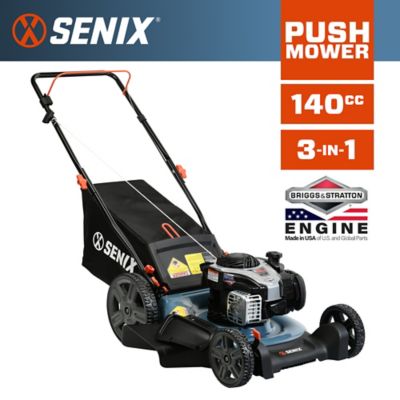
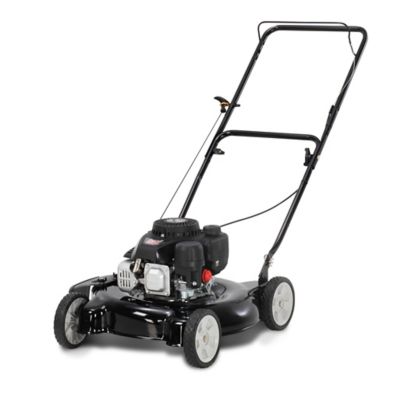
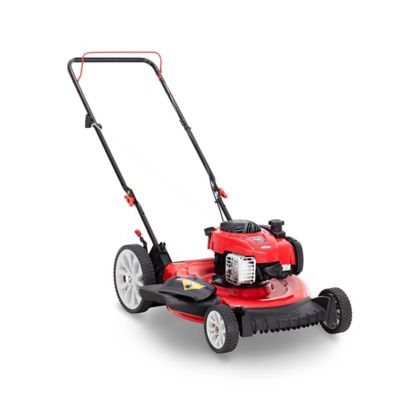
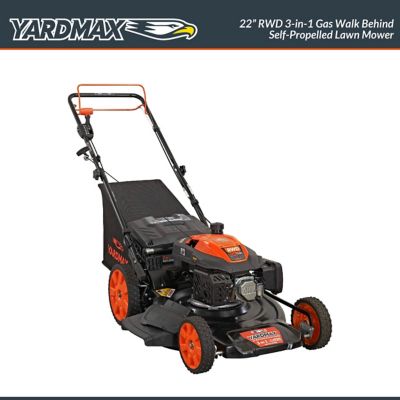
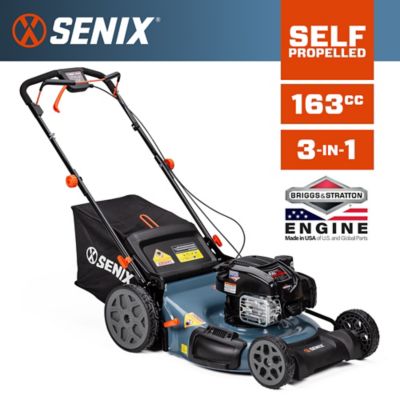
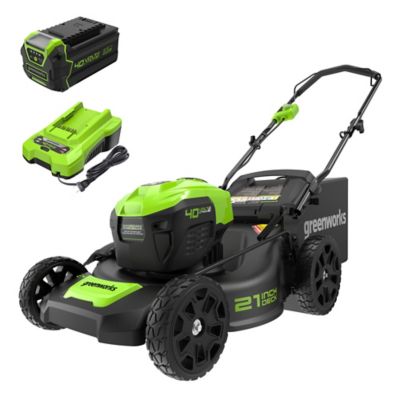
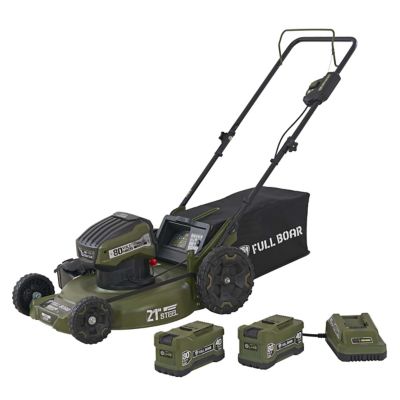
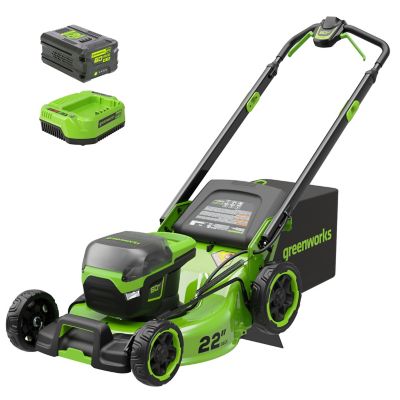
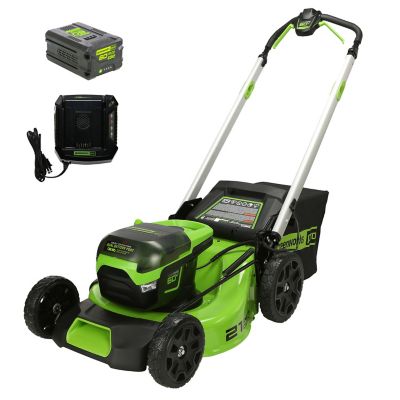
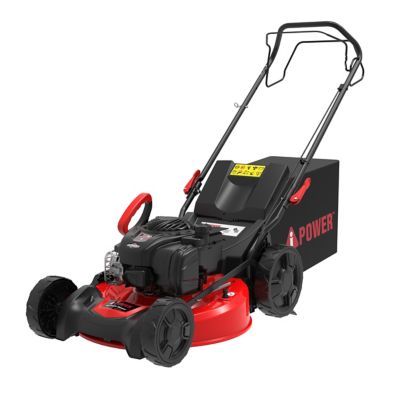
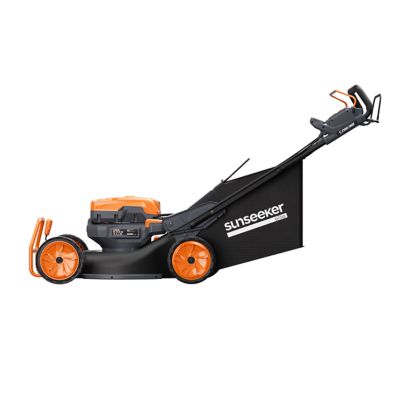
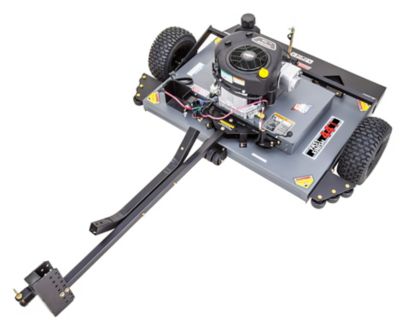
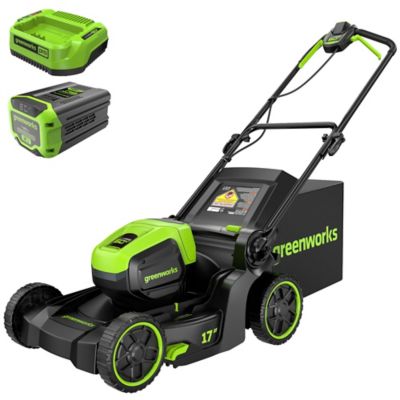
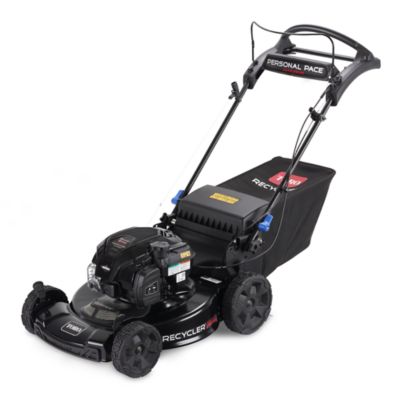
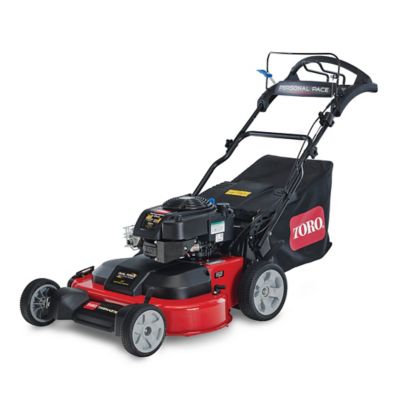
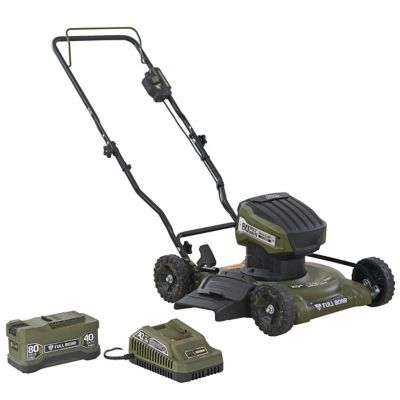
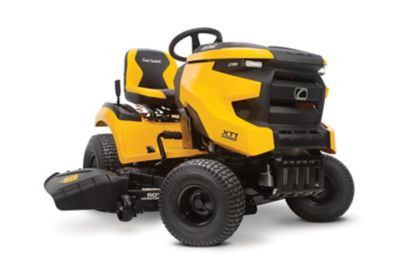
A side-discharge lawn mower cuts grass beneath the deck and sends the clippings out through an opening on the side, where a discharge chute or deflector directs them back onto the lawn. This setup keeps grass moving through the cutting area without collecting it in a bag, making it a practical match for routine mowing across open yards, larger home lots, and grassy stretches around outbuildings. There is no catcher to fill and empty, and the clippings can break down where they land, returning some nutrients to the soil. Side discharge differs from mulching, which holds clippings beneath the deck longer so the blade can cut them into smaller pieces before dropping them into the turf. The finish from side discharge depends on grass length, mowing pace, blade condition, and how evenly the clippings spread. A light scatter can settle between the grass blades; heavy piles can cover the lawn and may need spreading or collection. Lawn mowers with side discharge suit homeowners who favor steady mowing without bagging, along with folks keeping up broad lawn areas on rural properties. Some mower designs support more than one clipping option, but switching to bagging or mulching may require a compatible attachment or kit. The listed cutting modes and included components matter more than assuming every deck handles all three jobs. Cutting width also shapes how a mower fits the property. A wider deck can cover more ground in each pass, while a narrower mower may fit more comfortably through fence gates and between planted beds. Trees, clothesline posts, garden edges, and the space beside a shed all affect how much room there is to turn. The mower’s overall width with its discharge chute in the operating position deserves a look, too, since deck width alone does not tell the whole story. For a yard with both open stretches and tight corners, a good fit balances maneuverability with the amount of grass that needs cutting.
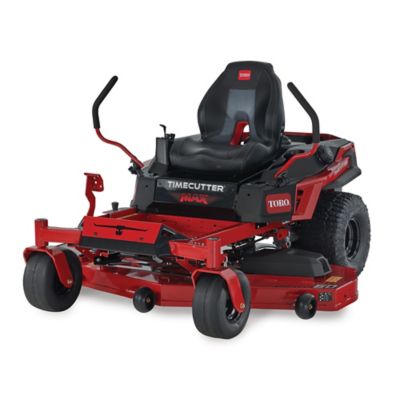
Side discharge describes how a mower handles clippings, not how the mower is powered or propelled. Gas-powered and battery-powered machines have different operating and maintenance needs, while push, self-propelled, and riding designs put different demands on the operator. A push mower can make sense for manageable lawn areas where there is not much distance to cover. Self-propelled drive helps move a walk-behind mower along, and variable travel speed can make it easier to match a comfortable walking pace. Riding equipment can reduce the walking involved on larger properties, though turning space, access points, and terrain still matter. Battery runtime depends on factors such as grass thickness, cutting height, travel speed, and the battery-and-mower combination. Gas engines require fuel handling and the engine care specified by the manufacturer. Beyond power, the feel of the controls matters over repeated passes across the yard. Handle height, grip position, drive engagement, seat adjustment where applicable, and the effort required to change cutting height all contribute to a workable fit. Wheels and tires affect how the machine rolls over uneven ground, but no tire or drive system makes every slope suitable for mowing. Operating limits and slope instructions belong in the decision, especially around ditches, pond banks, and embankments. A mower’s side opening also makes discharge direction part of everyday operation. Clippings and thrown debris need to stay away from people, pets, livestock, vehicles, windows, and roads. Gravel beside a driveway or stones near a fence line deserve attention before mowing begins. The discharge chute, shields, and guards need to remain in their proper operating positions; removing them to move more grass can expose the blade area and increase the risk of thrown objects. Along sidewalks and flower beds, planning the mowing pattern around the discharge side can help keep cut grass out of places where it means extra cleanup. These details make a difference on properties where lawn, garden, driveway, and animal areas sit close together.
Deck construction, blade care, and storage all play a part in how a side-discharge mower holds up to regular work. Steel decks are common and benefit from attention to chipped finishes, trapped grass, and exposed metal that can develop rust. Aluminum decks resist rust, although deck weight, thickness, reinforcement, and overall construction still vary. Shoppers comparing deck materials can also look at
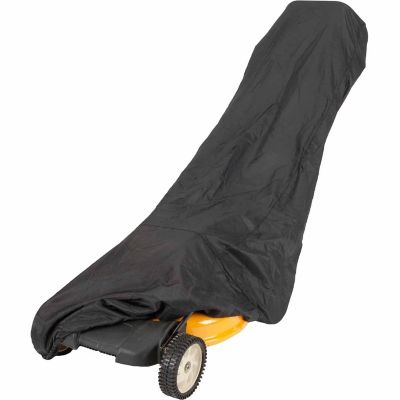
Lawn Mowers With Aluminum Decks for a corrosion-resistant deck option. Material alone does not tell the full story: wheel mounts, height-adjustment hardware, handles, hinges, and the discharge chute all take repeated movement and vibration. A chute that stays properly attached and moves as intended matters just as much as a tidy-looking deck. Underneath, a sharp, properly balanced blade helps cut grass cleanly rather than leaving ragged ends, while built-up clippings can interfere with airflow and discharge. Cleaning and inspection should follow the owner’s manual, with the mower shut down, moving parts stopped, and the power source disabled as directed before anyone reaches near the cutting area. A deck wash connection, if included, does not replace the manufacturer’s cleaning directions. Blade replacement also calls for the correct dimensions, mounting pattern, and blade type for that mower and its cutting mode; a blade that fits the bolt is not necessarily the right match. Engine service intervals, battery charging directions, tire pressure where applicable, and loose-fastener checks are part of keeping the machine ready for the next mowing job. Dry storage helps protect metal surfaces and electrical components, while enough space around the mower keeps the chute and controls from getting bent or knocked against other equipment. Whether the job is the lawn behind the house or a broad stretch between the driveway and barn, a mower matched to the ground, the operator, and the preferred clipping method can make regular upkeep feel more manageable.