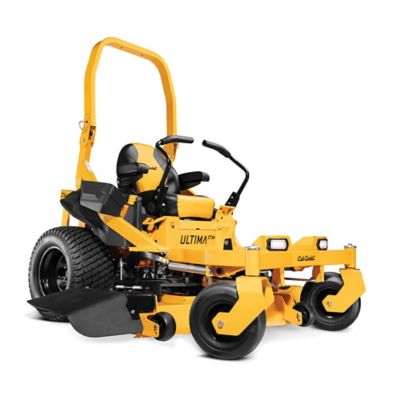
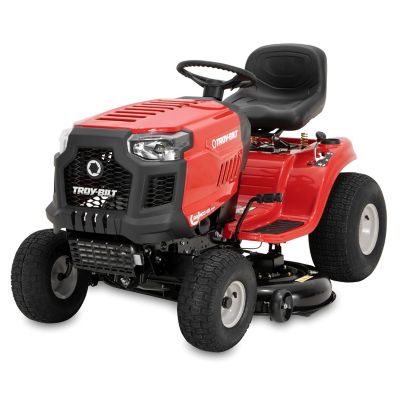
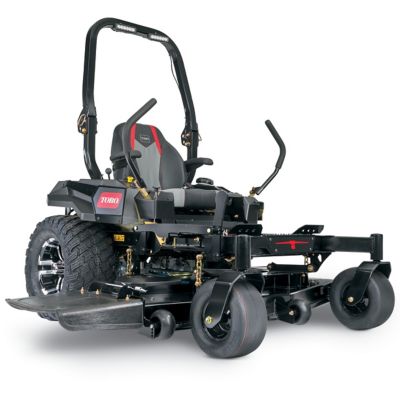
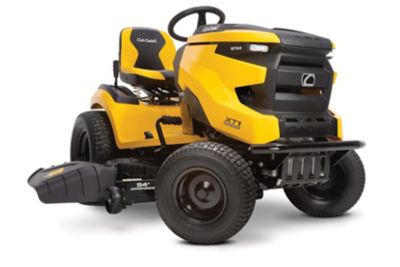
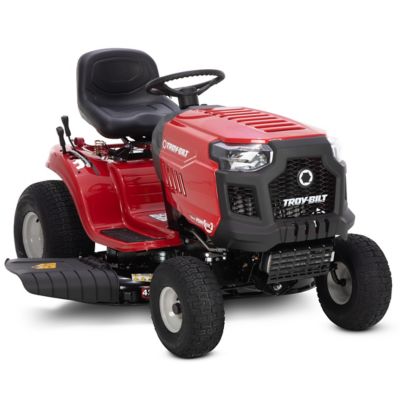
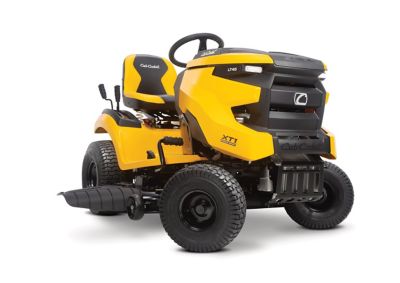
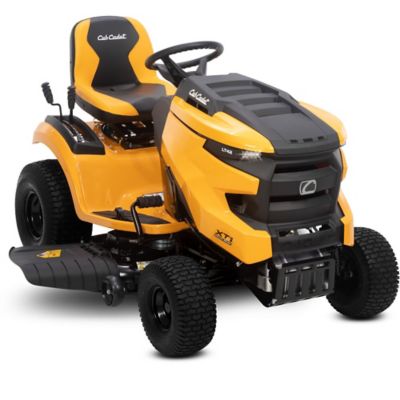
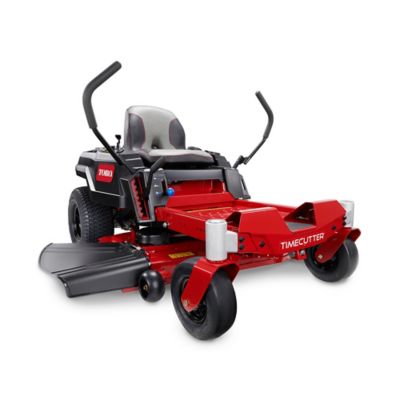
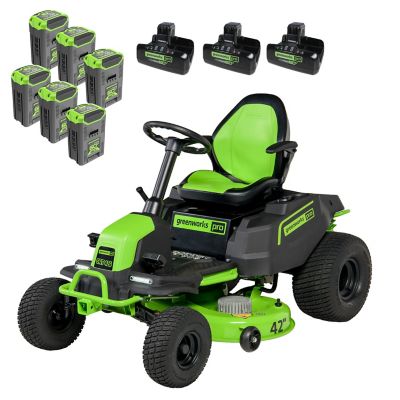
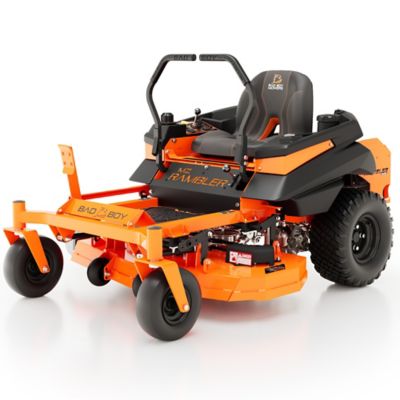
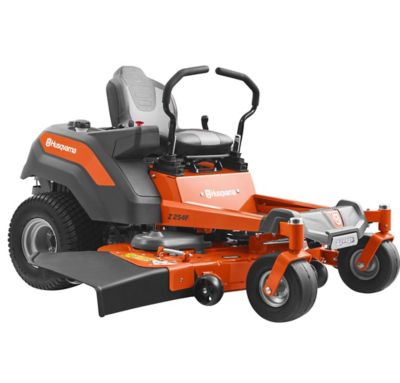
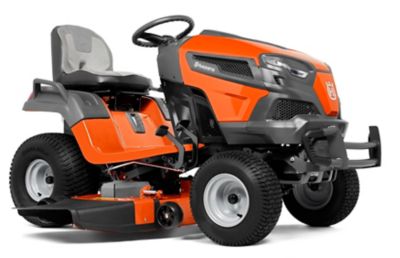
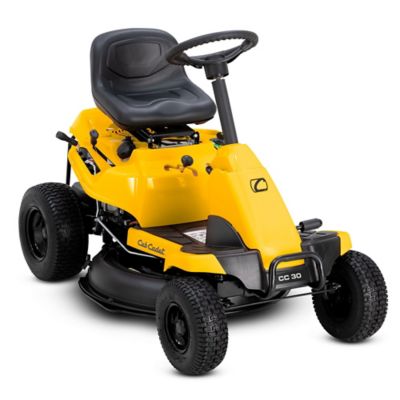
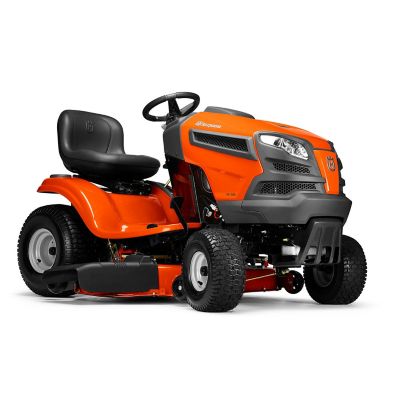
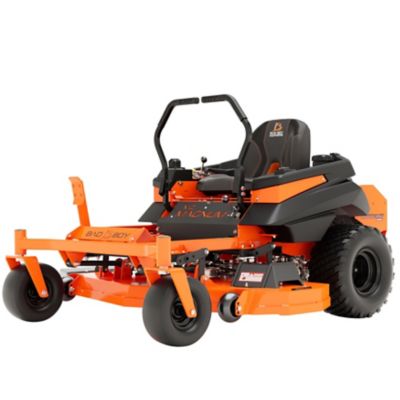
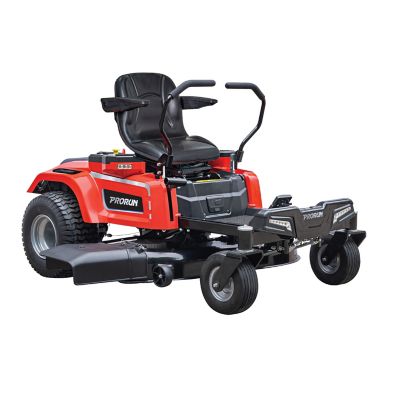
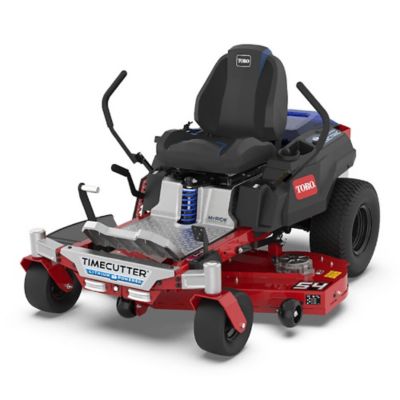
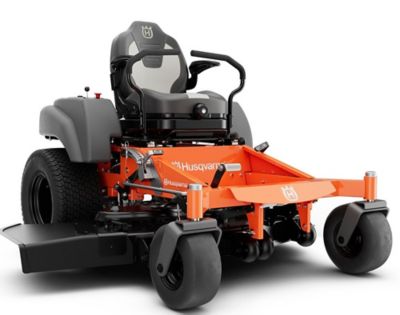
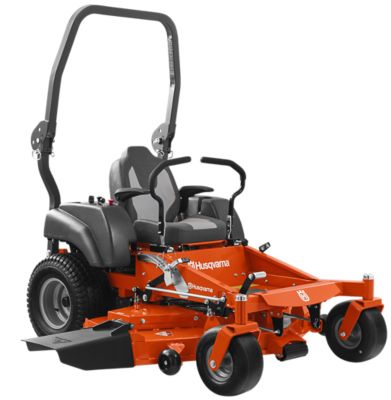
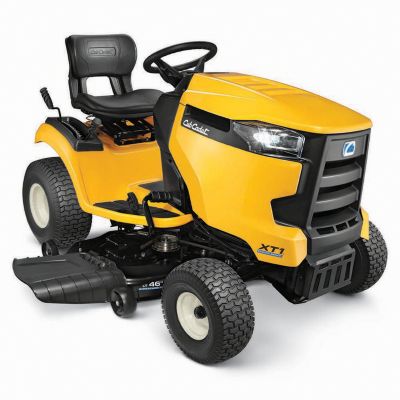
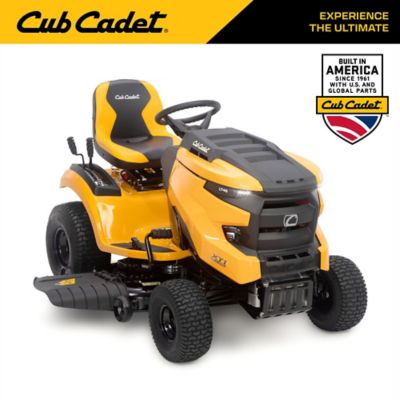
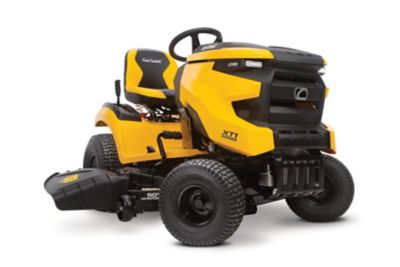
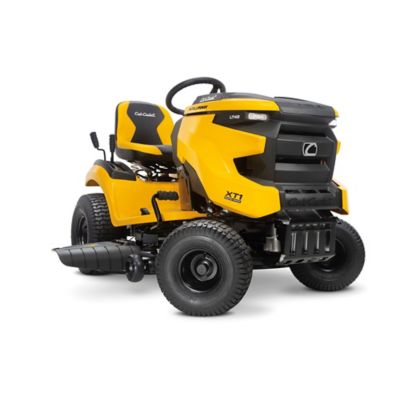
Lawn mowers with seats, often called riding lawn mowers, let the operator steer and control the cutting deck from a seated position rather than walking behind the machine. They’re a practical fit for homeowners with broad lawns, folks keeping the grass around a barn tidy, and anyone facing more mowing ground than a push mower comfortably covers. The main types include lawn tractors, rear-engine riders, and zero-turn mowers, each with a different balance of footprint, handling, and cutting width. Lawn tractors generally pair a steering wheel with a front-mounted engine or electric drive system and a deck beneath the frame. Rear-engine riders tend to have a smaller footprint, which can help with narrow routes and limited shed space. Zero-turn mowers commonly have independent rear-wheel controls that allow tight turns around trees, fence corners, and planting beds, though their handling takes some practice. Cutting width helps determine how much grass a mower covers on each pass, but acreage alone doesn’t tell the whole story. A deck around 30 to 38 inches wide can suit a smaller property with tight passages, while decks of 42 inches or more can help cover lawns around an acre and a half or larger. Those sizes are starting points, not hard rules: a wide-open yard and a yard dotted with orchard trees may call for different machines even when they cover the same acreage. Gates, storage doors, and the space between a fence and an outbuilding also matter, especially when a discharge chute extends beyond the deck. For long, straight stretches beside a driveway, a wider deck can reduce repeat passes. Around close-set trees or small patches of lawn, a narrower mower may leave less trimming afterward. These machines belong on maintained grass within their operating limits, not in brush, rough pasture, or ground hiding stumps and deep ruts. Matching the mower to the actual property helps make regular mowing feel less like an all-day chore.
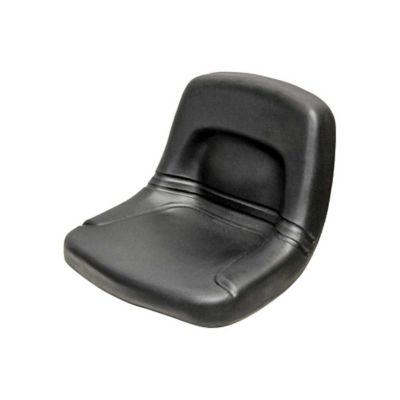
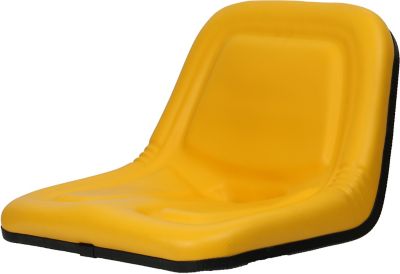
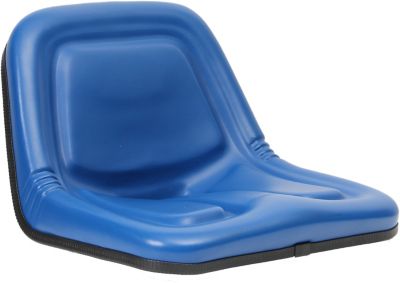
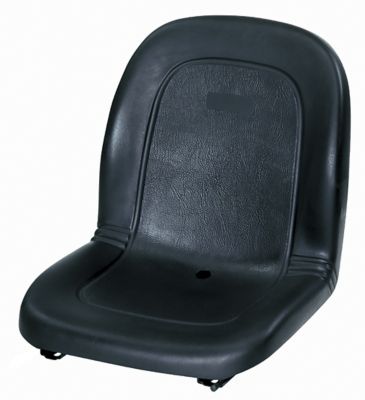
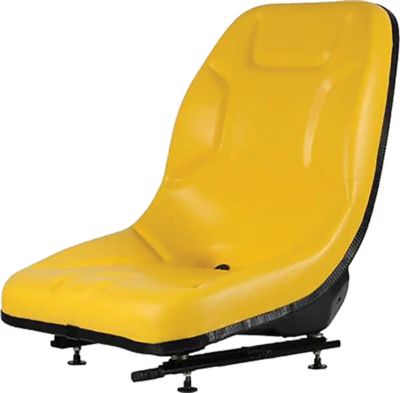
Comfort on a riding mower comes from more than a padded seat. Seat adjustment, back support, legroom, and the distance to the steering wheel or control levers all shape how the machine feels through a full mowing session. An operator should be able to reach the pedals and controls without stretching, keep a steady seated position, and see the ground ahead clearly. For households where more than one adult handles the mowing, an adjustable seat can make sharing the job easier. Higher seat backs and armrests may provide welcome support during longer stretches, while suspension features on some models can help soften the bumps of an otherwise suitable lawn. A
Riding Lawn Mower With Comfort Seating puts those seating details alongside the machine’s other working features, making operator fit an important part of the comparison. Foot platforms with traction and a clear path into the seat also deserve attention, particularly when boots carry a little grass or dust. Gas and battery power bring different ownership considerations. Gas riding mowers need fuel, engine oil, and routine engine service, with refueling that can support longer jobs when handled according to the manual. Battery-powered riding mowers avoid gasoline handling and engine exhaust during operation, and they generally run with less noise, though the blades and drive system still call for hearing protection as directed. Their mowing time depends on battery capacity, grass height, moisture, terrain, and other conditions, so advertised coverage isn’t a promise for every yard. Charging access and the time between mowing sessions matter as much as the size of the lawn. Steering style also needs to suit the ground. A steering wheel may feel familiar, while lap-bar controls can make close turns easier after practice. Neither design makes every slope safe. The manufacturer’s slope limits and operating directions take priority, and wet grass, ditch banks, pond edges, and steep drop-offs require particular caution. A comfortable seat helps with the work, but it doesn’t change the mower’s traction or stability limits.
The frame, cutting deck, tires, and service access all play a part in how a seated lawn mower holds up through repeated mowing seasons. Steel frames and decks are common, with stamped and fabricated deck construction appearing across the category. Deck design, metal thickness, reinforcement, and upkeep together affect resistance to wear; construction style alone doesn’t settle the matter. A mower working around scattered trees and a gravel drive faces different conditions than one cutting a smooth, open lawn. Keeping gravel, fallen limbs, wire, and other debris out of the mowing path protects the blades and helps prevent thrown objects. Tire tread and correct inflation, where applicable, support traction and an even cut, while anti-scalp wheels on equipped decks help limit scraping over minor changes in ground height. They aren’t a substitute for slowing down on uneven spots. Adjustable cutting heights make it easier to match the cut to the grass type and growing conditions. Side discharge, mulching, and collection systems offer different ways to handle clippings, depending on the mower and compatible equipment. Mulching works best when grass isn’t excessively tall or wet, while a collection system may be helpful where clippings need to stay off nearby walkways. Some lawn tractors can also handle approved carts or other attachments, but towing capacity and attachment compatibility must come from the machine’s specifications. Routine care keeps all these features working as intended: blades need inspection and sharpening, deck buildup needs removal, and belts, filters, batteries, and lubrication points need attention on the schedule in the manual. Before cleaning or servicing, shut the mower down and follow its procedure for preventing an unexpected start. Covered storage helps protect seat coverings, electrical components, and metal surfaces from weather exposure. During the cooler months, storage preparation may include fuel-system care for gas machines or battery charging and temperature precautions for electric models. With a good fit for both the operator and the property, a riding mower can make the grass around the house, garden, and outbuildings easier to keep in shape.