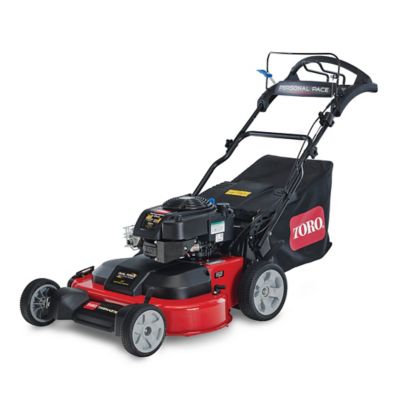
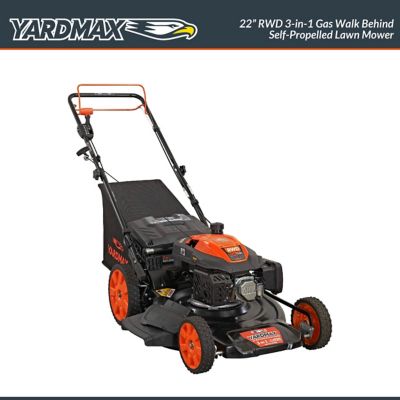
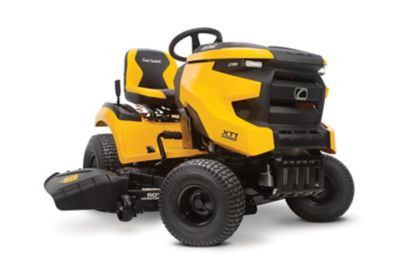
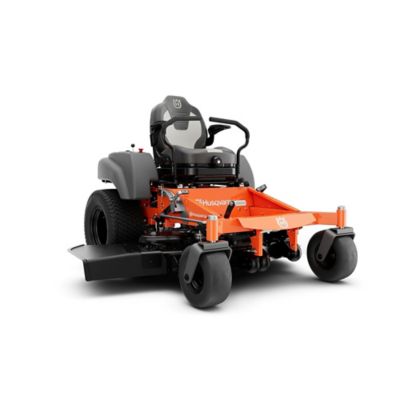
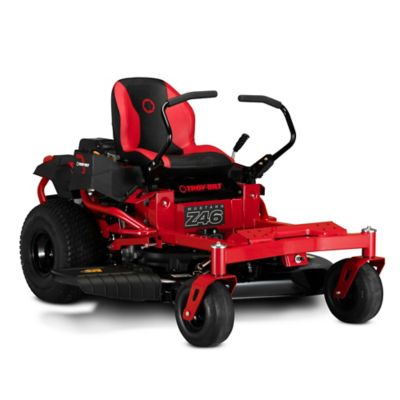
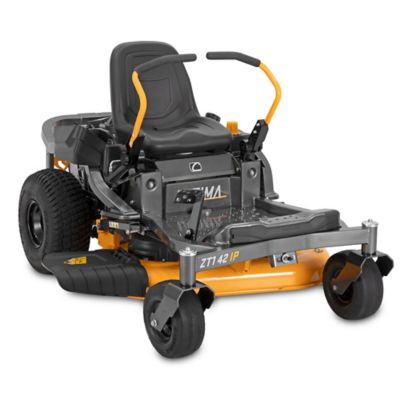
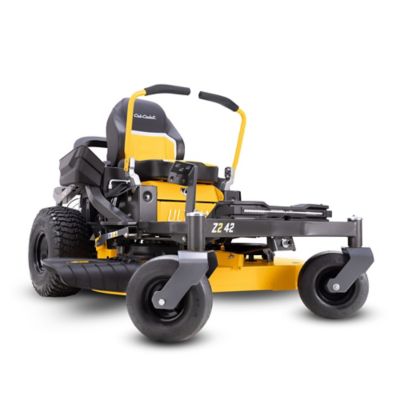
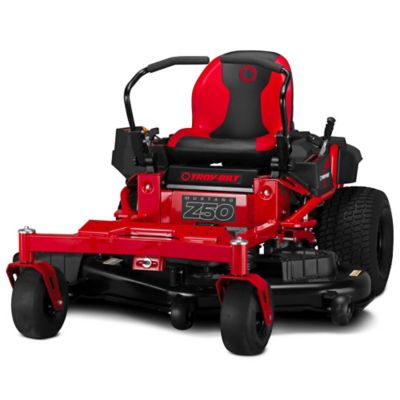
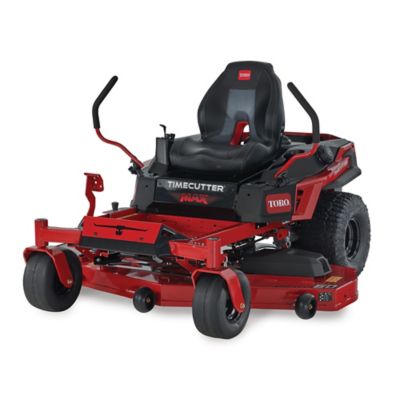
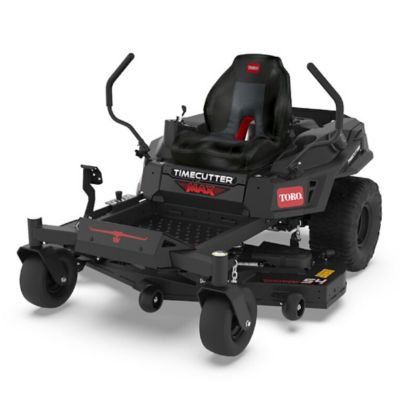
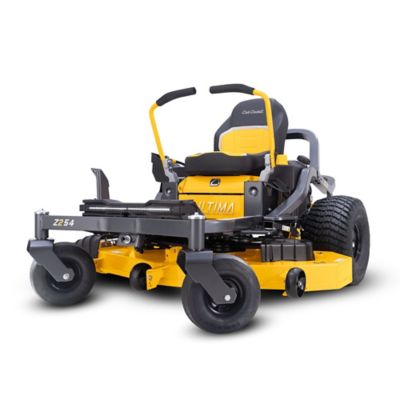
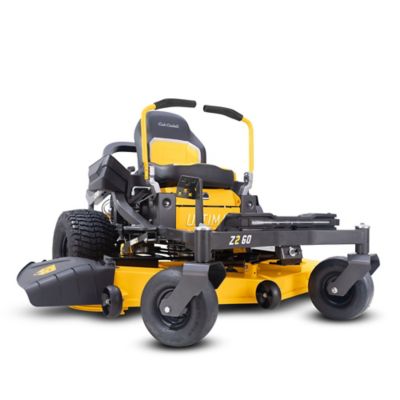
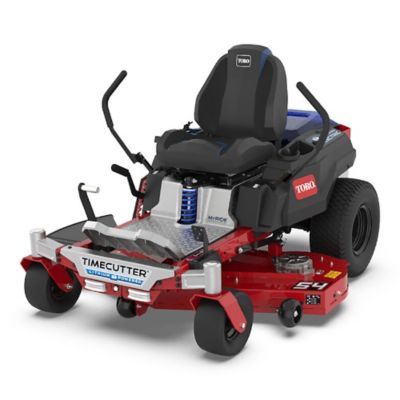
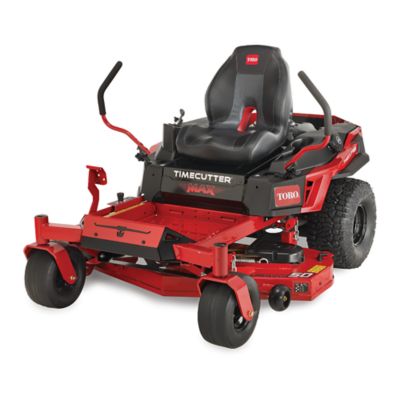
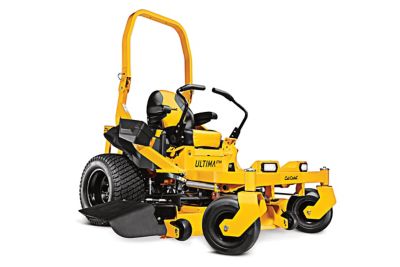
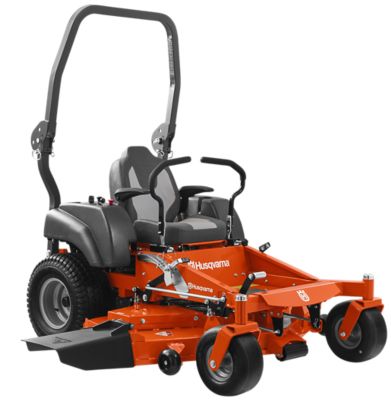
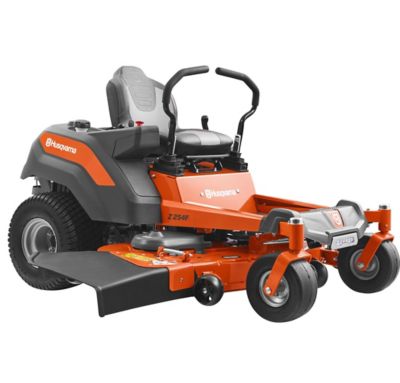
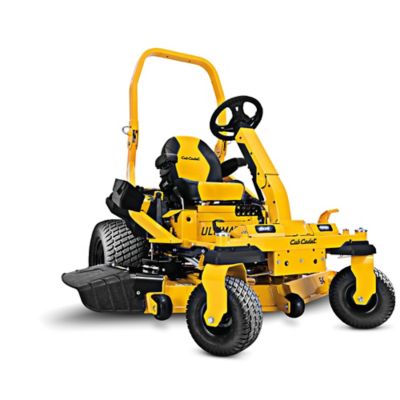
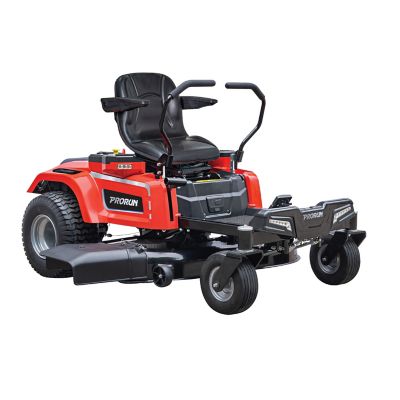
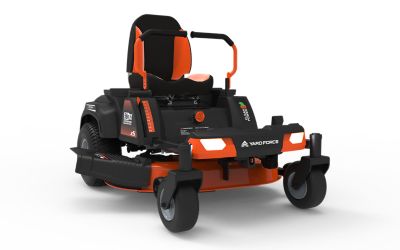
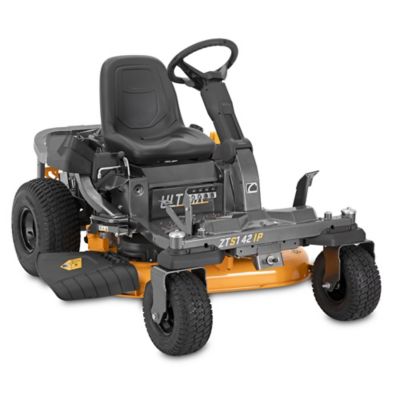
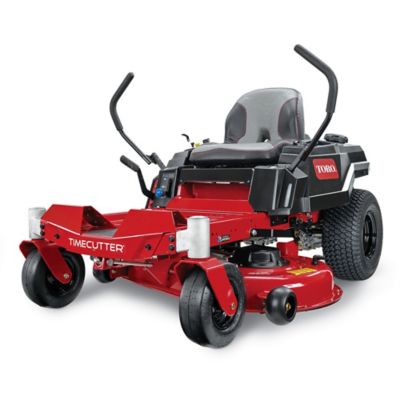
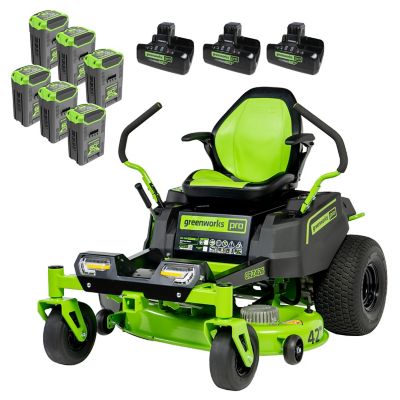
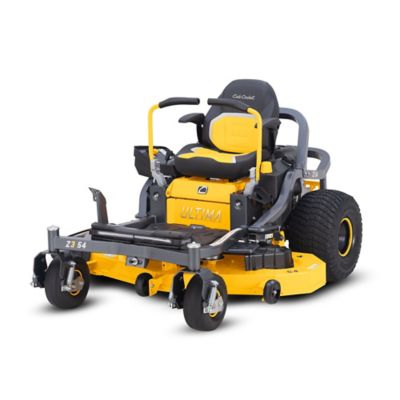
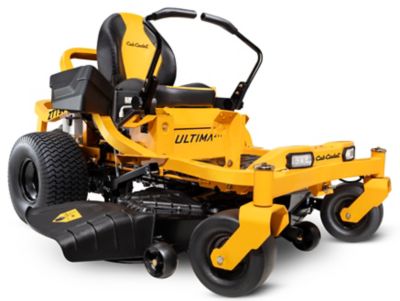
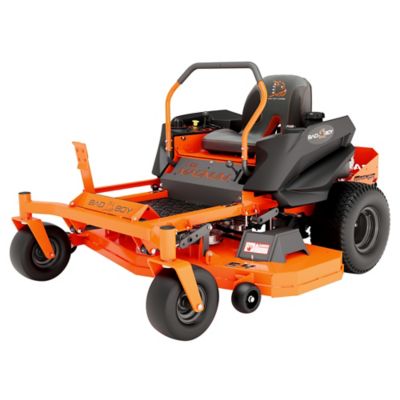
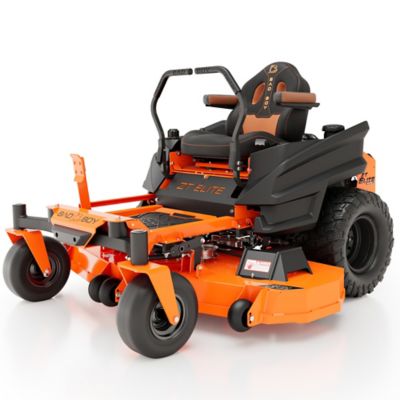
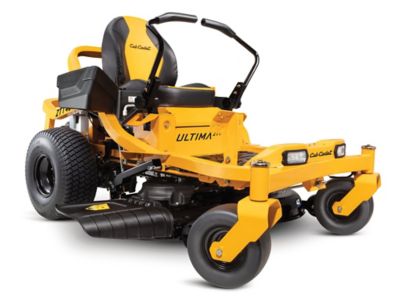
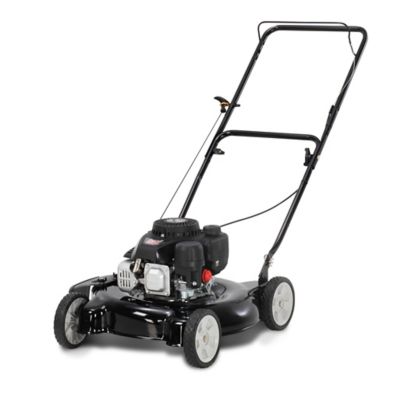
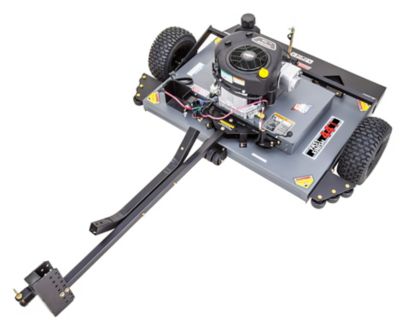
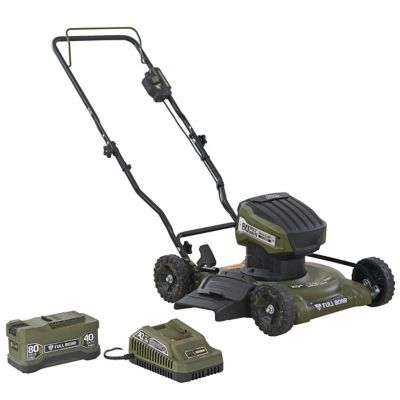
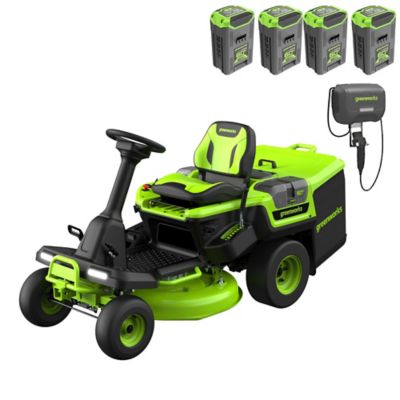
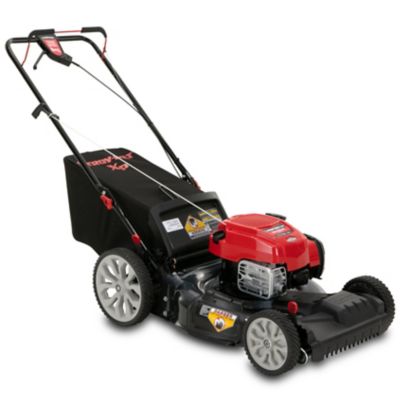
Wide lawn mowers make sense where the grass stretches beyond a small patch beside the house. A broad cutting deck covers more ground on each pass, which can mean fewer trips across an open yard and less overlap along straight runs. That extra reach is handy around farmhouses, spacious home lots, and maintained grounds where mowing is a regular part of keeping the place in shape. The category includes wide walk-behind mowers as well as riding styles, with different layouts suited to different amounts of walking, turning, and maneuvering. Deck width matters, but the shape of the property matters just as much. A long, open stretch beside a driveway gives a wide mower room to work, while closely spaced trees, garden beds, and fence corners can call for tighter steering and more careful deck placement. The listed cutting width describes the swath of grass the blades cover, not necessarily the machine’s full outside width. Tires, deck edges, and a discharge chute can add to the space needed through a gate or into a shed. That distinction matters when a mower has to pass between gateposts before reaching the biggest part of the yard. Wide decks are one consideration when comparing
lawn mowers for large yards, alongside turning room, cutting height, and the amount of trimming left around obstacles. A larger deck does not automatically mean a better match for every property. On ground with shallow dips and raised patches, deck shape and ground-following features affect how evenly the grass is cut. Open turf rewards reach; a yard broken into smaller sections rewards a balance of reach and control. Grass type and preferred lawn height also matter, since the mower’s adjustment range needs to suit the turf rather than forcing it into a cut that is too short.
Power, drive style, and operator fit shape how a wide lawn mower feels over a full mowing job. Gas-powered designs bring considerations such as fuel capacity, engine maintenance, and refueling arrangements, while battery-powered designs bring battery capacity, charging access, and charging time into the picture. Actual mowing time depends on more than yard size: thick growth, travel speed, terrain, and grass-handling settings all affect the workload. A wide deck needs enough power for its intended conditions, especially where several blades are cutting a heavy stand of grass at once. On walk-behind equipment, self-propelled drive can reduce the effort of moving the machine, while handle position and reachable controls make a difference along fence lines and through repeated turns. Riding mowers bring seat position, legroom, steering feel, and clear access to controls into the same conversation. Lawn tractors and zero-turn layouts handle differently, so the turning space around a clothesline post or a row of shade trees can be just as important as straight-line coverage. Tight steering does not make every machine suitable for slopes; the operator’s manual sets the limits for terrain and operation. Tires and traction also deserve attention where the route crosses uneven ground, though a lawn mower is still intended for maintained turf rather than brush clearing or pasture reclamation. Grass handling adds another layer to the fit. Side discharge returns clippings across the lawn, mulching setups recut them before returning them to the turf, and collection systems gather them for removal. Those choices depend on the mower’s design and compatible attachments, not simply on deck size. A collection system can also add width or length, changing the room needed near fences and storage doors. For someone mowing around a home and outbuildings, easy control and a comfortable working position can matter as much as the number of passes saved across the back lawn.
The materials and construction of a wide mower matter because a larger deck has more surface area, more cutting components, and more ground to follow. Steel decks are common, with stamped and fabricated designs offering different construction approaches; deck shape, thickness, reinforcement, and finish all deserve attention rather than judging the machine by one specification alone. Protective coatings help shield metal surfaces, but packed grass and trapped moisture still need attention. Deck access, belt routing, blade access, and the location of routine service points affect how practical ongoing care will be. Multiple-blade decks depend on the specified blades and proper installation to produce an even swath, and blade condition influences whether grass tips are cut cleanly or left ragged. Service work belongs with the mower shut down, moving parts stopped, and power isolated as directed by the manual. Safe access underneath matters too, especially with a heavy riding machine; lifting and support methods need to follow the manufacturer’s directions. Regular care also includes the checks appropriate to the power system, such as engine oil and filters on gas equipment or battery and charger care on electric equipment. Tire pressure, where applicable, can affect deck level and the finished cut, while belts, bearings, and fasteners need the attention laid out in the maintenance schedule. Storage space is another everyday consideration, not an afterthought once the mowing is done. A mower needs clearance to enter its parking spot and enough room for inspection, cleaning, and service without squeezing past sharp deck edges. Ramps, trailers, and transport equipment must match the machine’s dimensions and weight when hauling is part of the routine. For homeowners, acreage caretakers, and folks tending grass around barns and workshops, the best-fitting wide mower balances coverage with access, comfort, and manageable upkeep. The payoff is straightforward: a machine that fits the property, handles the mowing expected of it, and leaves room in the day for the rest of the chores.