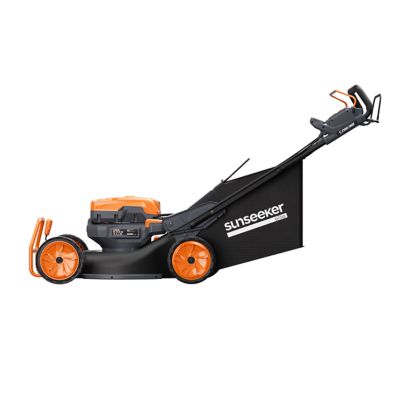
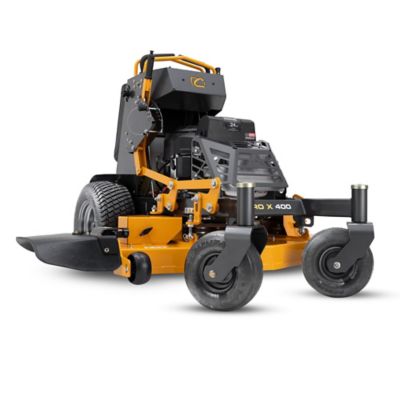
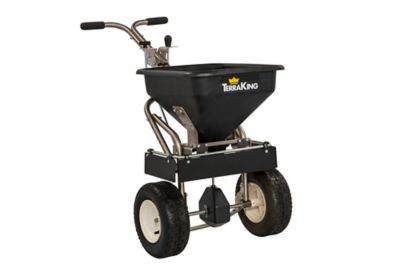
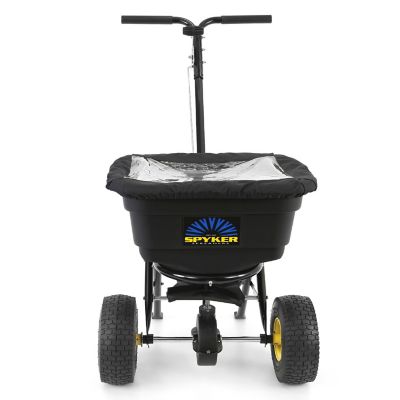
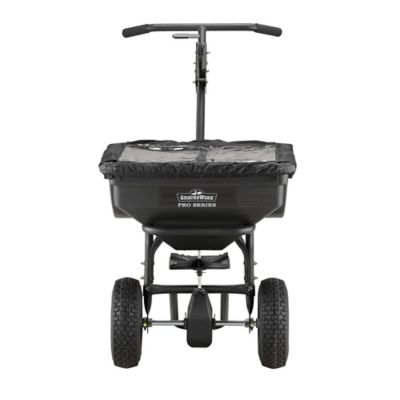
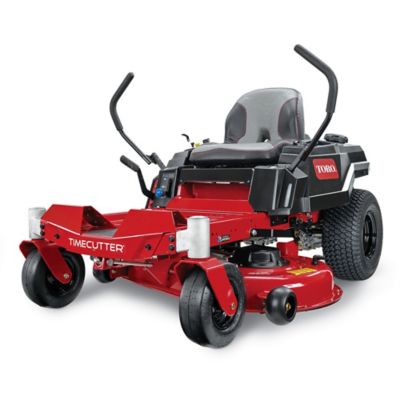
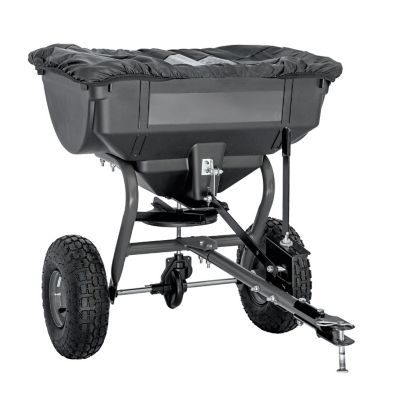
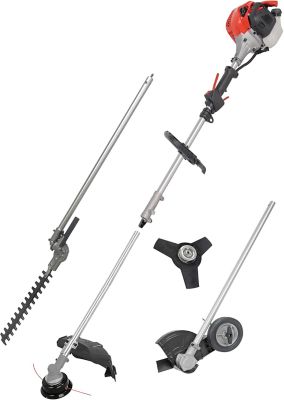
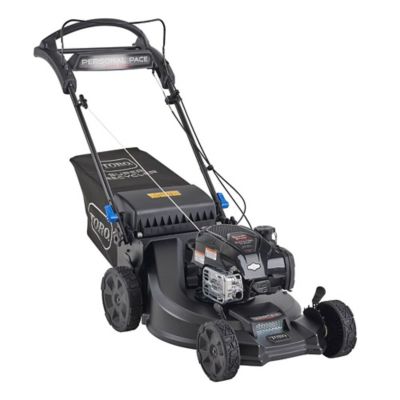
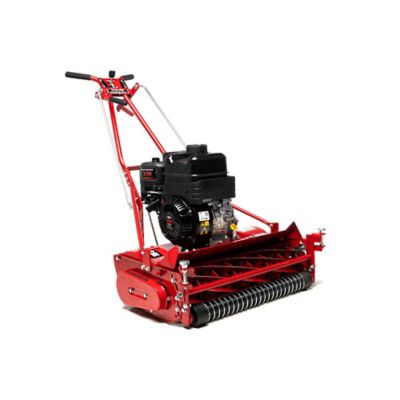
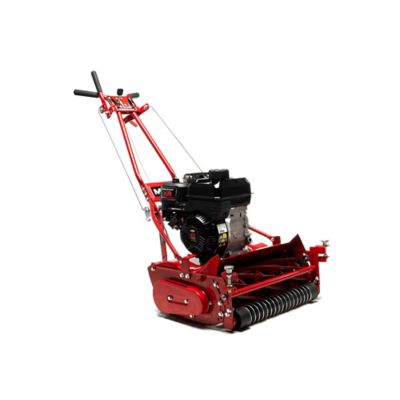
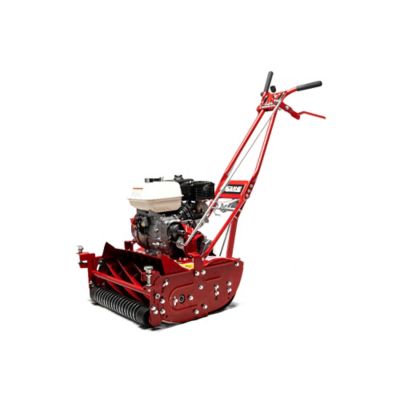
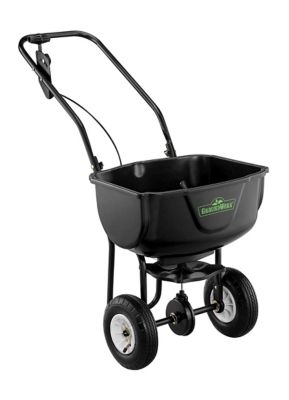
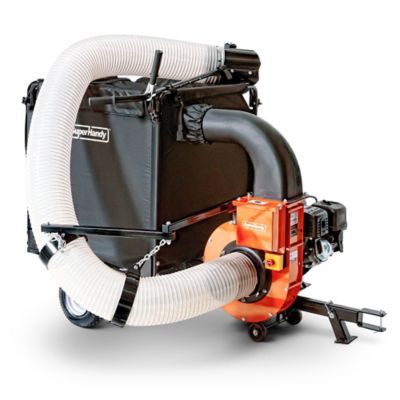
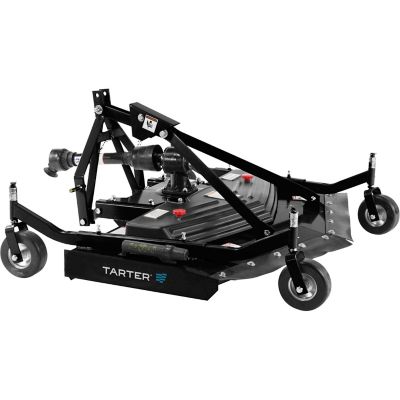
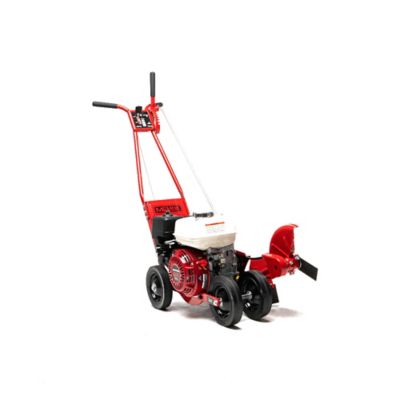
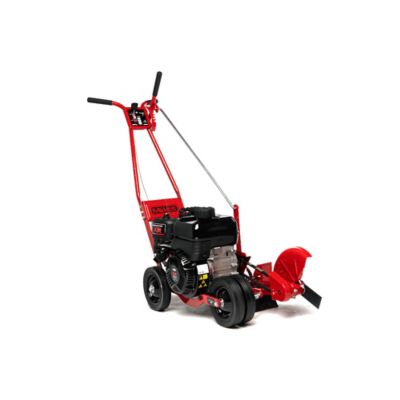
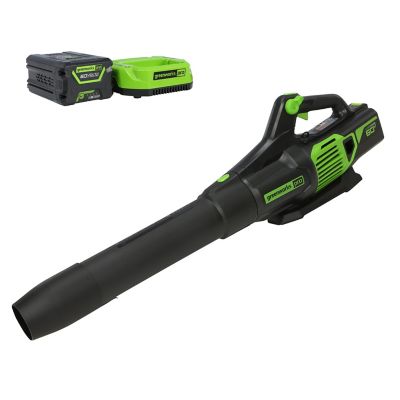
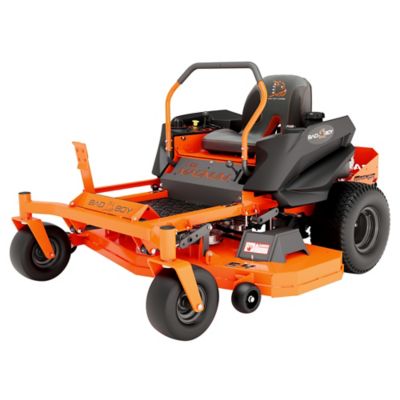
Commercial lawn care equipment earns its place on properties where mowing, trimming, and cleanup take more than a quick trip around the yard. Landscape crews, groundskeepers, property managers, and folks looking after several acres need equipment that suits the ground, the workload, and the operator. A broad stretch beside a farm office calls for different handling than a narrow strip between a fence and a parking area. Around churches, rental properties, ball fields, and roadside businesses, a neat finish matters, but so does getting the work done without wearing out the crew. Riding equipment can cover open turf efficiently, while walk-behind equipment gives operators room to work through tighter spaces. Trimming and edging equipment handles the fence posts, walkways, and borders a mower cannot reach, and cleanup equipment helps leave paths and paved areas clear of clippings. Cutting width is part of that picture, though bigger is not always the better fit. Gates, trailer space, trees, and closely spaced landscape beds can make maneuverability just as important as coverage. Deck clearance and cutting-height adjustment also matter where turf meets gravel lanes or uneven ground. Equipment intended for frequent operation generally puts more emphasis on service access, operator support, and components built to handle repeated work. The right match depends on actual operating demands rather than acreage alone: several small stops with constant loading can be a different job from one large, open property. For crews moving from site to site, equipment that fits the trailer and works well together helps keep the day organized. For a caretaker responsible for one location, easy handling and straightforward upkeep may matter more than transport. Commercial lawn care equipment brings those needs together, with choices centered on coverage, control, finish, and the practical details of a full workday. That can mean navigating a schoolyard's play structures, keeping a business entrance tidy, or maintaining long stretches of grass around agricultural buildings without treating every area like the same job.
Construction and operator fit make a difference long before the last pass across the lawn. Steel frames and cutting decks provide structural strength, while coatings help protect exposed metal from corrosion when properly maintained. Aluminum components can reduce weight in certain applications, and molded housings can protect working parts without adding unnecessary weight. Material alone does not tell the whole story; frame design, spindle construction, bearings, fasteners, and access to service points all contribute to how equipment holds up under repeated operation. A deck that is straightforward to inspect and clean can make regular care less of a chore. Tires and wheel design affect traction, steering, and how equipment travels over turf, while the machine's weight and turning habits influence the marks it may leave behind. On seated equipment, an adjustable seat and reachable controls help accommodate operators of different heights. On walk-behind and handheld equipment, handle position, balance, grip shape, and harness fit can change how manageable a long stretch of work feels. Vibration control and room for a natural stance are worth considering alongside cutting performance. Power source is another practical part of the fit. Gas-powered equipment brings fuel handling, engine service, and exhaust considerations, while battery-powered equipment brings charging needs, battery compatibility, and runtime planning. Published runtime depends on operating conditions and workload, so thick growth, frequent starts, and demanding attachments can change the length of a work session. Battery capacity alone does not describe overall performance, just as engine size alone does not establish how well a machine cuts. For properties with noise restrictions or work close to occupied buildings, sound levels and permitted operating hours can also influence the selection. The best fit supports the work without asking the operator to fight the controls, stretch for a lever, or wrestle an awkwardly balanced tool from one section of the property to the next. For shared crew equipment, adjustments that are simple to understand can help different operators settle into a comfortable working position.
Keeping commercial lawn care equipment working well takes room for routine care, safe storage, and the small parts of the job that happen away from the grass. Grass buildup beneath a deck can interfere with performance, and cutting components need inspection for wear or damage according to the manufacturer's directions. Sharp, properly installed blades support a cleaner cut; damaged blades, loose hardware, worn belts, and neglected filters can interrupt work and create hazards. Service intervals, approved replacement parts, and the correct lubricants belong in the ownership picture from the start. Accessible grease points, clearly marked controls, and straightforward maintenance procedures can make those tasks easier to keep on schedule. Before cleaning, clearing a blockage, or servicing equipment, the manufacturer's shutdown and energy-isolation instructions matter, whether that involves an engine, battery, or another power connection. Storage space should accommodate the equipment without crowding fuel containers, charging areas, or access routes. Transport adds another set of practical considerations, including trailer capacity, suitable loading equipment, secure tie-down points, and room to move safely around the load. Slopes and ditch banks deserve particular attention because each machine has operating limits; a wide cutting deck or strong engine does not make every incline suitable for mowing. Guards and shields, eye and hearing protection, proper footwear, and separation from bystanders are part of professional property care, not extras saved for difficult jobs. Walkways, fence lines, and beds also benefit from supporting
Lawn Care Tools that handle close work and finishing tasks. A crew may cover acres with powered equipment, then spend its final minutes tidying a gate opening or clearing a path beside a barn. Equipment selected with those real tasks in mind helps tie the whole property together, from the open lawn to the last narrow edge, while keeping handling, upkeep, and everyday operation at the center of the decision.