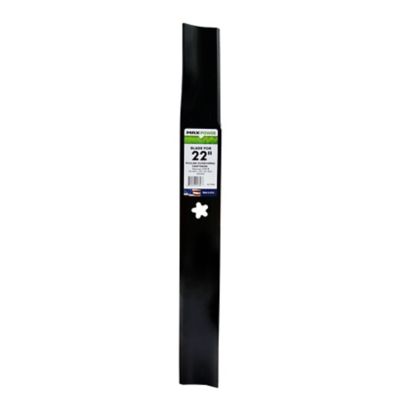
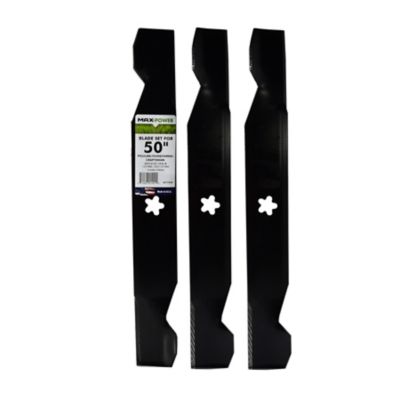
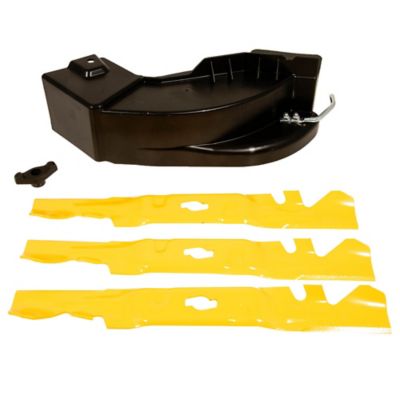
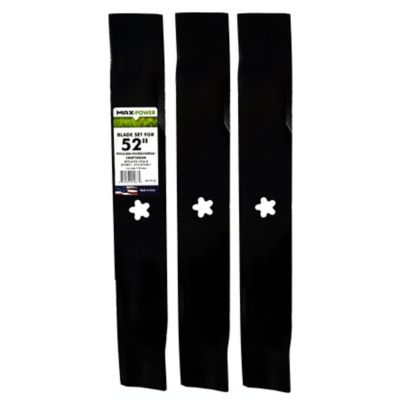
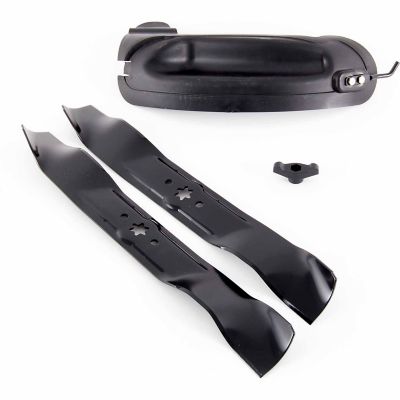
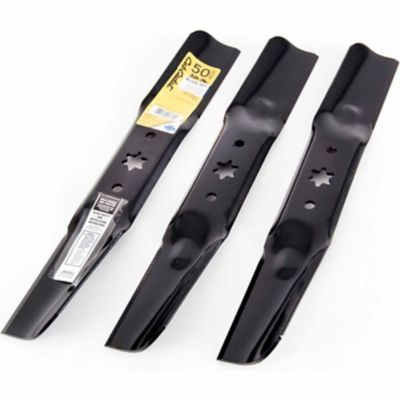
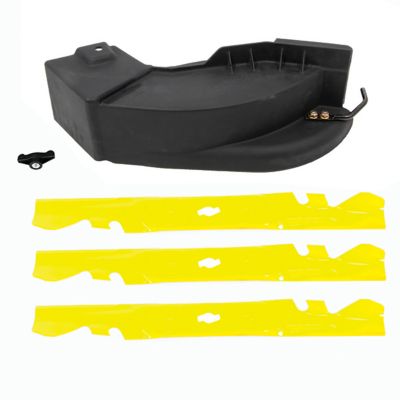
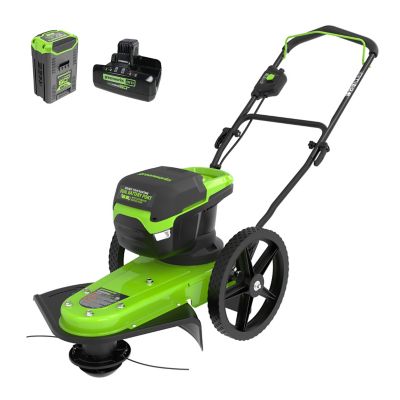
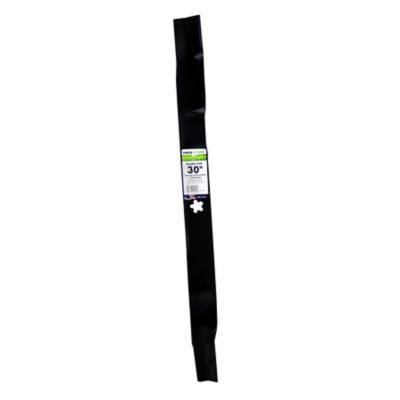
Craftsman lawn tools give homeowners, gardeners, and property owners practical ways to keep grass, beds, borders, and outdoor spaces in good shape through changing seasons. The right setup can make routine yard work feel far more manageable, whether you are tidying a small patch near the house, caring for a broad rural lot, or handling the steady cleanup that comes with mature trees. Lawn mowers help maintain an even, healthy-looking cut, while string trimmers reach around fence posts, trees, foundations, and other spots a mower cannot easily cover. Leaf blowers can gather dry leaves and grass clippings from driveways, porches, and gravel walks, and hedge trimmers help shape overgrown shrubs before branches become tangled and difficult to manage. For larger properties, riding equipment can save time and reduce the strain of repeated passes across open ground. Cutting and pruning tools are useful for limbing small branches, managing volunteer growth, and clearing areas that have become thick over the growing season. Hand tools still earn their place, too. A sturdy rake, garden hoe, digging tool, or fork can be the simplest choice for a narrow bed, a quick repair, or work in a spot where powered equipment would be cumbersome. When choosing among lawn tools, start with the size and layout of the area, then consider the type of work you do most often. A compact yard may call for easy storage and quick handling, while acreage may make cutting width, runtime, fuel capacity, or operator comfort more important. Sloped ground, rough patches, gates, sheds, and long distances between the house and work area all affect which tool will feel most useful once it is in your hands.
Power source is another important part of the decision. Battery-powered lawn tools are often a convenient fit for homeowners who appreciate quieter operation, less routine maintenance, and the freedom to work without managing fuel or an extension cord. If several tools use the same battery platform, shared batteries can simplify storage and make it easier to move from trimming to blowing without keeping a separate power pack for every task. Check the battery size, expected runtime, charging time, and whether the tool is sold with a battery and charger or as a tool-only option. Gas-powered equipment can be a practical choice for longer jobs, larger properties, and demanding work where extended operation matters. It does require fuel, fresh oil when applicable, and seasonal care, but many rural homeowners value the dependable power for heavy or repeated use. Corded tools may suit smaller spaces close to an outdoor outlet, provided the cord can be kept clear of blades, heat, water, and foot traffic. Before buying, look at handle design, machine weight, controls, cutting adjustment, collection features, and how easily the equipment can be cleaned after use. Storage matters more than it may seem; a tool that is awkward to hang, drain, or carry is less likely to be ready when leaves pile up or a storm leaves limbs scattered across the yard. Keep protective eyewear, hearing protection, gloves, sturdy footwear, and any recommended safety equipment close by. Clear rocks, wire, toys, and sticks before mowing or trimming, keep children and pets away from active equipment, and let hot engines or moving parts cool completely before maintenance. During the cooler months, cleaning dirt from housings, sharpening cutting edges as directed, charging batteries properly, and storing equipment in a dry, protected place can help your tools start the next season in better shape.
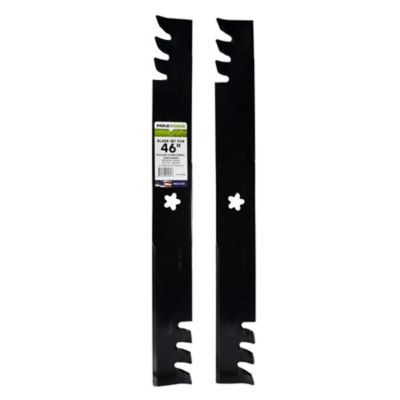
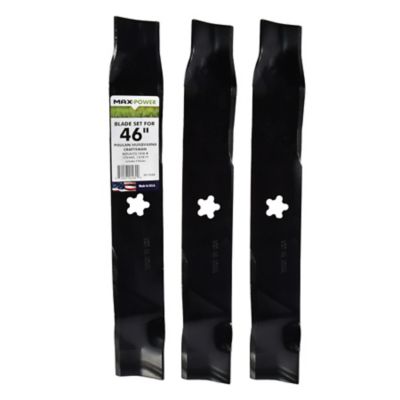
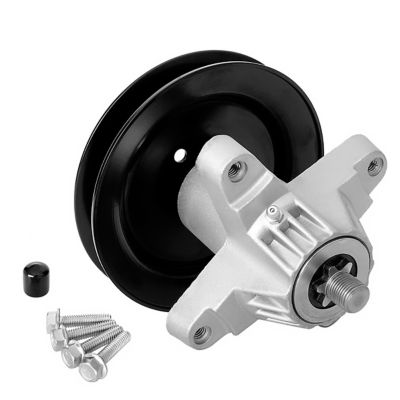
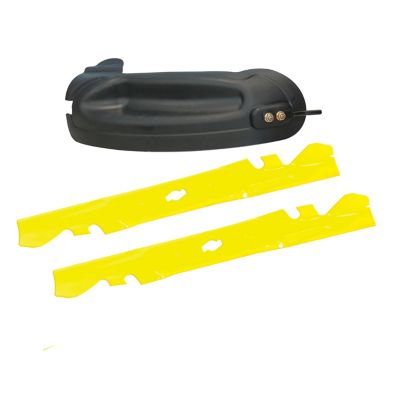
Lawn tools can also make a thoughtful gift for a new homeowner, a family member settling into a first house, or someone who takes pride in turning an ordinary yard into a welcoming place. A beginner may appreciate a straightforward tool that handles several common chores, while an experienced gardener may prefer an addition that fills a gap in an existing collection. For a gift, consider the recipient’s yard size, storage space, strength, and comfort with gas or battery power rather than choosing by appearance alone. Someone with a small suburban lot may value a lightweight trimmer or compact mower, while a person caring for acreage may get more use from equipment designed for longer jobs and wider coverage. Accessories can help complete a setup, from replacement cutting components and storage solutions to batteries, chargers, protective gear, and seasonal maintenance supplies. Explore
Craftsman Accessories to find supporting items that can make everyday yard work smoother. A good routine also makes a noticeable difference: mow only when the grass is dry enough for a clean cut, avoid removing too much blade height at once, trim after the main mowing is finished, and blow or rake clippings away from drains, doors, and garden beds. As leaves continue to fall, work in manageable sections instead of waiting for a deep blanket to cover the lawn, and use hand tools where delicate plants or tight corners need a gentler touch. When the weather warms again, inspect stored equipment before the first busy weekend, tighten loose hardware, check guards and cables, and make sure batteries, fuel, and safety gear are ready. With a little planning, dependable lawn tools can turn a long list of outdoor chores into a steady rhythm: an even pass across the grass, a clean edge along the walk, a neatly shaped shrub, and a yard that feels cared for from the front steps to the back fence.